With the Strait of Hormuz still disrupted global supplies of jet fuel are under strain. A handful of flights have already been cancelled. The longer the conflict drags on, the more the aviation industry is likely to feel the effects.

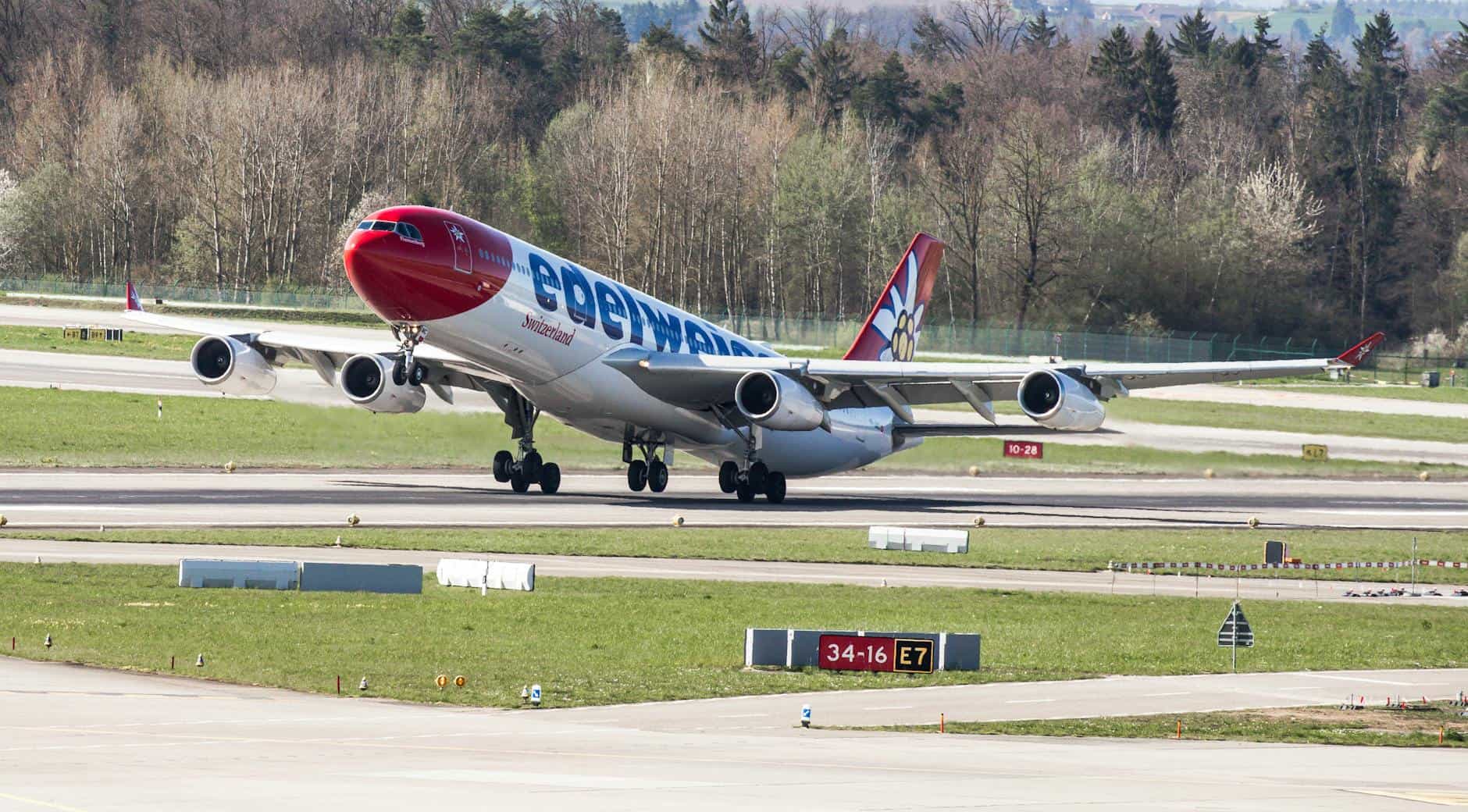
Airlines have begun to adjust. Some are trimming schedules in response to higher fuel costs. Edelweiss, a Swiss carrier, recently cancelled flights to Denver and Seattle, citing expensive fuel.
Jet fuel remains available, but tighter supply has pushed up prices. Supply forecasts differ, but the International Energy Agency has warned that shortages could emerge as early as late May. Airlines, by contrast, say supplies remain adequate for the time being.
Higher costs, but not yet higher fares
Rising fuel costs do not automatically translate into higher ticket prices. Airlines operate in a fiercely competitive market: if one carrier raises fares sharply, others may not follow, risking a loss of passengers. For now, there is no broad-based surge in ticket prices, though early signs of upward pressure are emerging as travellers chase after a smaller number of flights—between 30% and 40% of flights between Europe and Asia normally pass through the Middle East.
According to Transport & Environment, disruptions linked to the conflict have already increased long-haul flight costs from Europe by more than $100 per passenger, and intra-European flights by around $35. Over time, such increases are likely to be passed on to travellers.
Airline groups such as Lufthansa, Ryanair and Air France-KLM have indicated that they would raise fares if higher fuel costs persist and the disruption to shipping routes continues.
Limited reserves
Precise data on jet-fuel stocks in Europe remain scarce. Governments are still assessing reserves. In Switzerland, mandatory reserves typically cover around three months of supply. According to the Federal Office for National Economic Supply, current reserves stand at about 72 days, below the usual 90-day requirement.
Europe relies on the Gulf for around 75% of its jet fuel. This fuel supply is difficult to replace. Currently only around 50% of it has been replaced with imports from North America and Africa. Last week the head of the International Energy Agency told AP that Europe has maybe six weeks or so of remaining jet fuel supplies.
Slow recovery
Even if the conflict eases, a return to normal will take time. Tankers need five to six weeks to reach Europe from the Middle East. In addition, several refineries in the region have been damaged and will require repairs before they can resume full production. Some experts warn that restoring capacity could take years.
For more stories like this on Switzerland follow us on Facebook and Twitter.