In this week’s Inside Spain we look at the reasons why young Spaniards are drinking far less alcohol than their parents in a country where alcohol consumption goes hand in hand with socialising.
Spaniards have an interesting relationship with alcohol.
For some foreigners with entrenched drinking cultures, it seems a lot healthier.
Alcohol is usually accompanied by eating and socialising, binge drinking appears far less common and a boozy night out rarely ends up in violence.
READ ALSO: Why Spaniards’ habit of drinking alcohol every day is surprisingly healthy
That’s not to say Spaniards could not do with cutting back a bit, as the country has the second highest number of daily drinkers in the EU after Portugal.
However, the times are AA-changing.
Young Spaniards today drink considerably less alcohol than their peers twenty years ago.
Among 15 to 24-year-olds, the prevalence of regular alcohol consumption has dropped from 43.8 percent to 17.9 percent, representing a staggering reduction of nearly 60 percent.
This is the largest decline observed among all age groups analysed and one of the main conclusions of the report published this Friday by the Spanish Ministry of Health, based on official survey data.
Unfortunately, an increase in consumption has been observed in middle-aged groups aged between 25 and 64 years old.
Men tend to drink more than women, especially those with lower education levels, the unemployed and the retired.
Interestingly, with women the data reflects that those who are more highly educated, in work and who belong to Spain’s more privileged social classes are more likely to drink regularly.
What’s clear, even to hospitality owners themselves, is that drinking has become more of an old person’s game in Spain.
This explains the rise of el tardeo, the name given to socialising outdoors in bars and restaurants with friends in the afternoon rather than at night and into the early hours, because you have too many responsibilities to afford to spend half of the next day in bed with a hangover.
Logically, that means adults who work and have kids are more likely to engage in these afternoon eating and drinking sessions.
A recent industry study concludes that nearly 58.8 percent of bars and restaurants have embraced el tardeo (the afternoon once used to be closing ‘siesta’ time), which explains why it now accounts for 26.5 percent of their revenue.
The average age of Spaniards who take part in the tardeo scene is 39.4 years old, significantly older than the average nightlife reveller, who is around 29.
READ ALSO: ¡Salud! The different ways to say cheers in Spanish
The older tardeo customers tend to drink more and therefore spend more than their younger counterparts, ordering cocktails with spirits as well as beer and wine.
So is a lack of money the main reason why young Spaniards have gone off alcohol?
Far from it – their abstinence reflects more of a general cultural shift among Gen-Z, in which young people have redefined their leisure habits and their relationship with alcohol.
There is greater awareness of self-care and the physical impact and long-term damage caused by alcohol and other drugs (they’re smoking less cigarettes, albeit vaping more).
Technology and social media have also changed the way young people interact, with less face to face contact (not exactly a good thing either).
Crucially, fewer young Spaniards consider getting drunk as a sort of mandatory rite of passage or an essential tool for having fun.
For example, the practice of botellón – which for a generation of Spaniards involved buying a bottle of spirits and consuming it in the street prior to going clubbing – is far less common these days.
Gone are the days of peer pressure in terms of boozing; choosing not to drink has become increasingly normalised and a respected option in many friend groups.
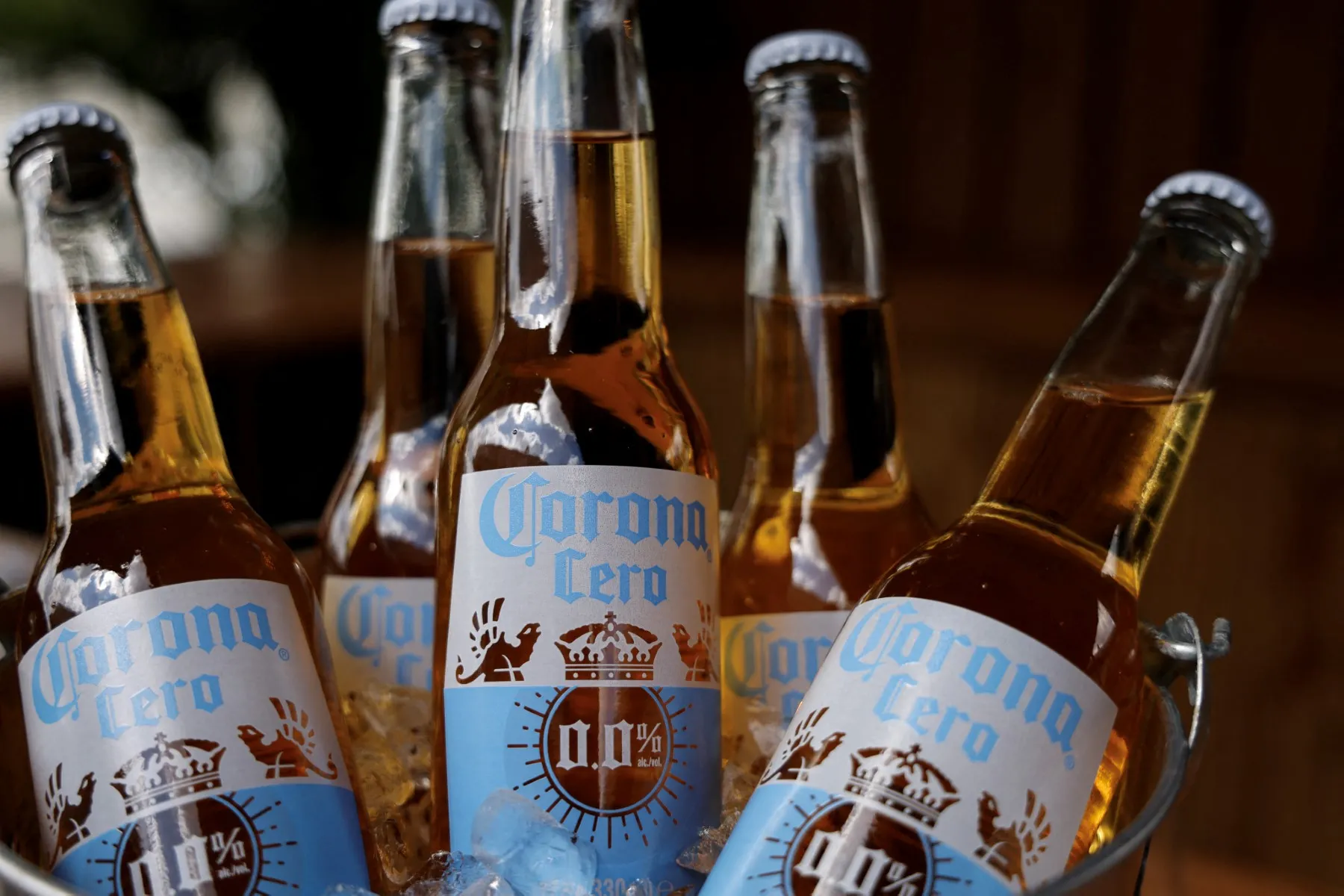
So don’t be surprised the next time you hear a Spanish person say ¿me pones una sin? (can I have a non-alcoholic beer?).
It’s looking like Spaniards’ relationship with alcohol is even healthier than many previously thought.