France’s first indie TGV operator is set to serve four destinations in the west and south-west of the country by the second half of 2028.
SNCF still has a near-monopoly on France’s railways, even though passenger transport was opened up to competition in 2020, with the Spanish operator Renfe and the Italian Tren Italia slowing moving into the French market.
But in 2028, an independent operator will start operations in western France – routes on which tickets are routinely sold out.
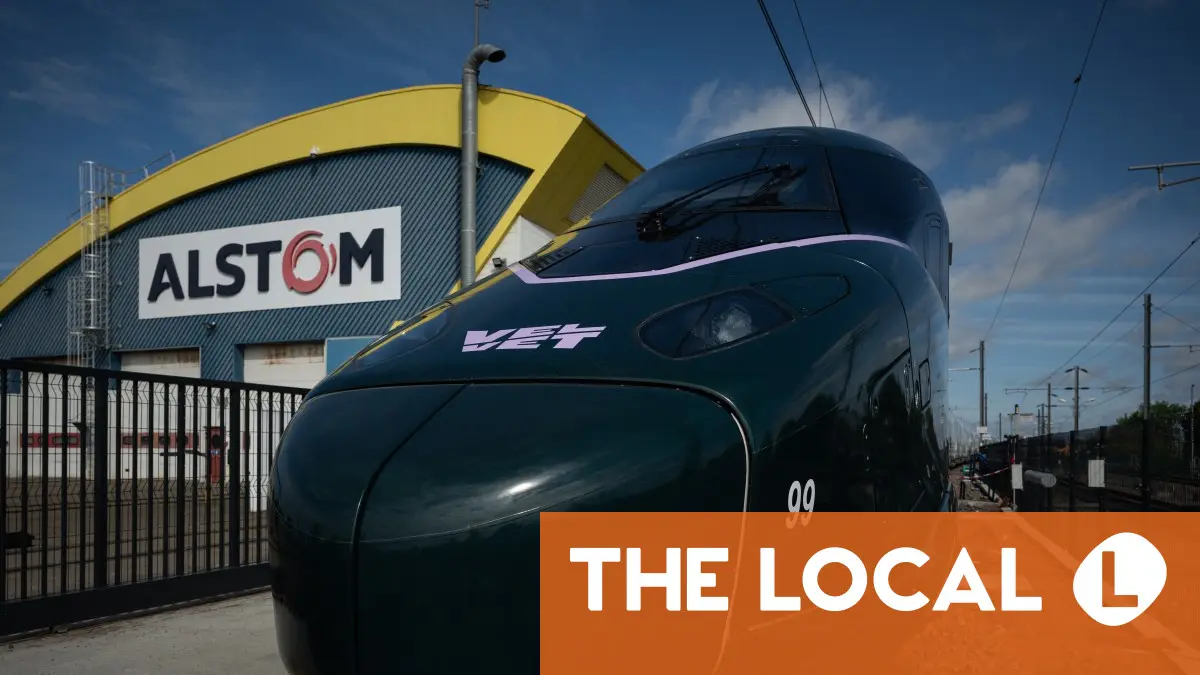
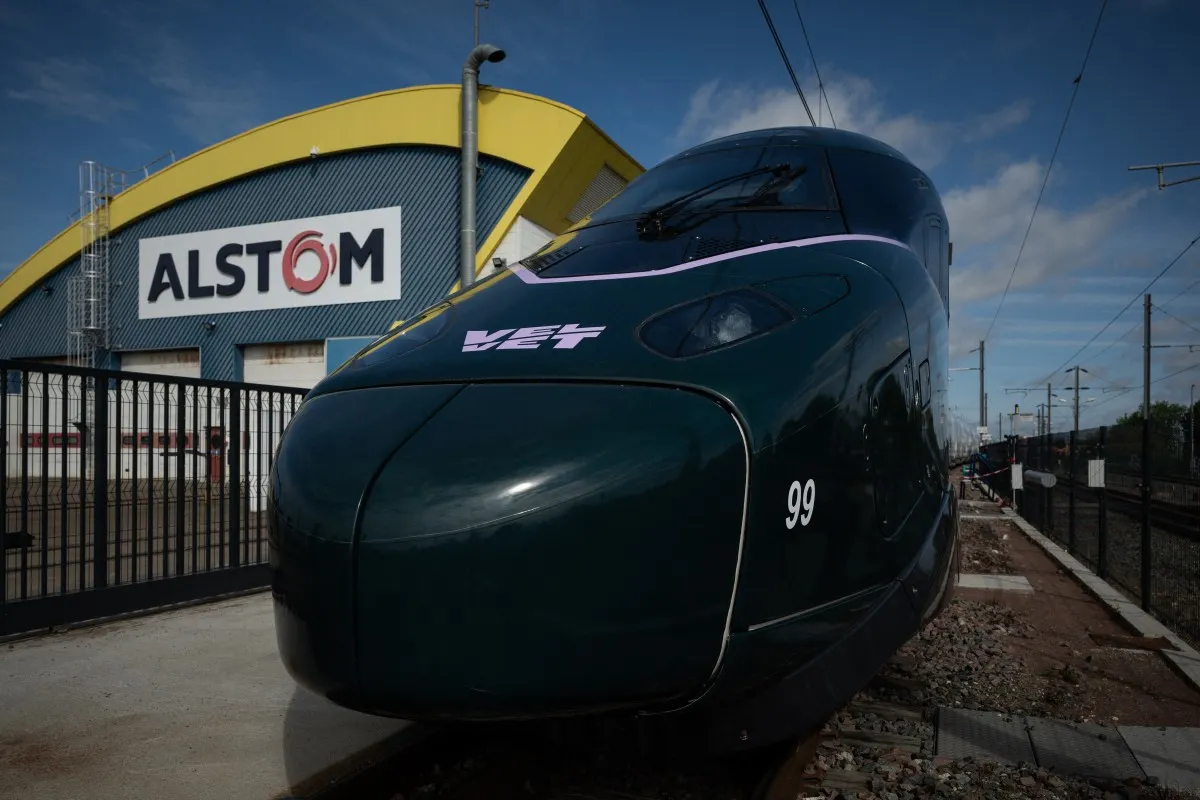
New train operator Velvet unveiled its first bottle-green-and-lilac liveried trains earlier this week, and has now confirmed it will serve Bordeaux, Rennes, Angers and Nantes from Paris’s Montparnasse station when it opens to passengers.
The train is the first of 12 ordered from the manufacturer as part of an €850 million contract. It still needs to undergo static and dynamic testing before it can begin service. The company raised €1 billion from the investment fund Antin Infrastructure Partners.
Rachel Picard, former director of SNCF Voyages, and Tim Jackson, former head of RATP’s operations in Great Britain, said Velvet was founded to meet the rapidly growing demand for travel on France’s Atlantic coast by providing 10 million seats.
“The lines we are targeting are under-capacity — trains are fully booked weeks in advance. We are mainly here to offer additional seats,” Velvet said in a statement, explaining its reasons for targeting the western lines.
“Nearly 15 percent of passengers are currently left on the platform – a figure expected to reach 25 percent by 2030 if additional trains are not put into service.”
Fares for the new operator are being kept under wraps for now, but Velvet has said that it will be priced higher than SNCF’s budget Ouigo service.
Confident in the “long-term structural growth trend” for these destinations, Picard stressed at the inauguration of the first train that “many companies, particularly in tech, are located between Paris and Rennes or Nantes”.
This first trains will undergo static testing until the end of 2026 at manufacturer Alstom’s La Rochelle. Dynamic testing on the rail network is expected to start in early 2027.
Another private company, Le Train, also plans to launch by the end of 2028 along the Atlantic route, to operate Paris-Bordeaux and Paris-Rennes services.
Le Train also plans to offer inter-regional services, such as Bordeaux-Rennes “in less than three hours 30 minutes” and Bordeaux-Nantes “in less than three hours”.