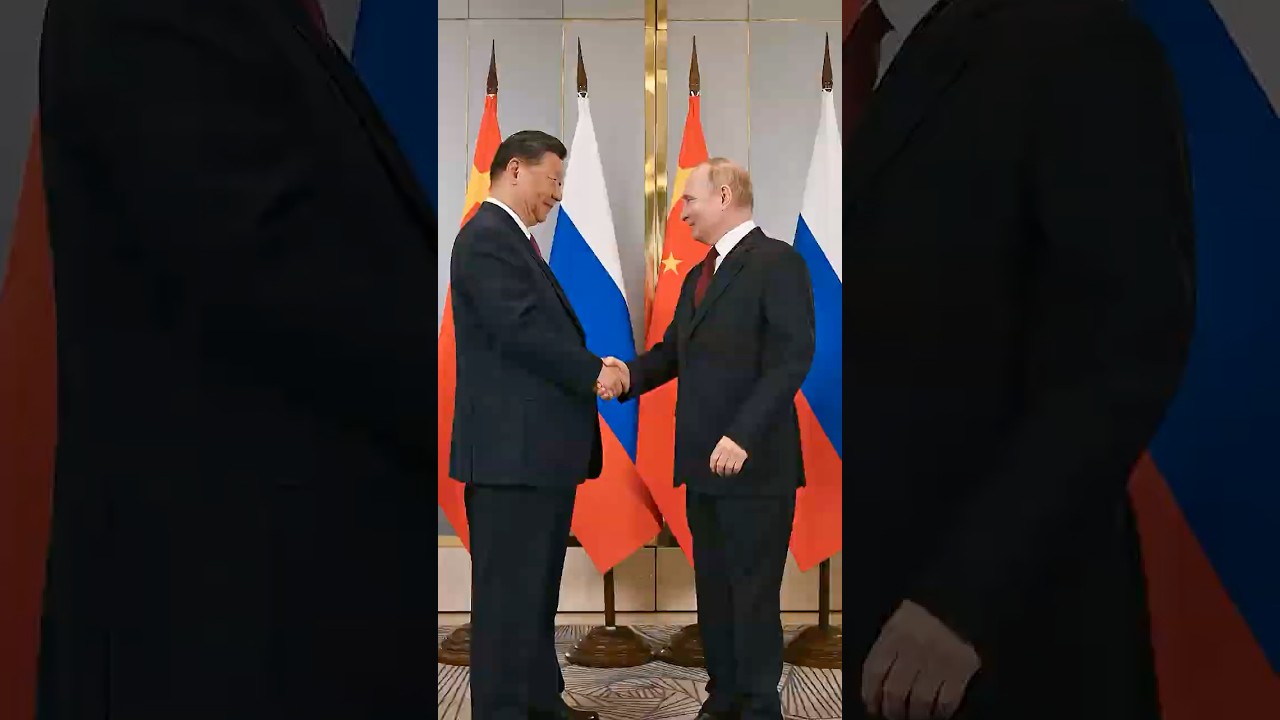
The ongoing Iran war and its resulting energy crisis have significantly shifted global power dynamics, with Russia and China emerging as the main beneficiaries.
Russia, a key player in the global energy market, capitalized on the situation by increasing its oil and gas exports, strengthening its influence over energy markets and geopolitics.
- Russia is a primary winner in the current global energy landscape, earning approximately $250 million per day from oil sales.
- Worldwide importers are actively seeking alternative oil sources to reduce reliance on the Middle East.
- China is also a major beneficiary, gaining significant commercial advantages in the Middle East.
- China’s access to diverse energy resources has strengthened its ability to withstand the energy crisis affecting Asia.
Meanwhile, China seized the opportunity to secure a more stable energy supply, investing heavily in Iranian oil and gas projects despite Western sanctions. This strategic move allows China to diversify its energy sources and reduce dependence on Western-dominated markets. Both nations’ actions reflect a broader shift toward multipolarity, as they expand their influence through energy diplomacy.
How does China benefit from the energy crisis?
- Commercial Advantage in the Middle East: The crisis has created opportunities for China to expand its commercial influence and relationships within the Middle East.
- Energy Security: China’s access to energy resources has allowed it to withstand the difficulties of the energy crisis affecting the rest of Asia, providing a level of stability compared to other importers.
- Strategic Positioning: The situation has improved China’s strategic outlay, enhancing its geopolitical standing as global importers seek alternatives to Middle Eastern oil.
Several nations are actively seeking to diversify their oil supplies away from the Middle East to enhance energy security and mitigate geopolitical risks. While the Middle East remains a dominant supplier for many, the following countries and regions are increasingly turning to alternative sources:
Major Importers Diversifying Away
- China: As the world’s largest oil importer, China has significantly increased its purchases from Russia (its top supplier), Brazil, and other non-Middle Eastern sources. It is also stockpiling heavily to reduce reliance on Middle Eastern supply chains
- India: India has dramatically shifted its imports toward Russia, which now supplies a large portion of its crude oil (reaching nearly 40% in some periods), reducing its dependence on traditional Middle Eastern suppliers like Iraq and Saudi Arabia
- South Korea: With about 70% of its oil coming from the Middle East, South Korea has announced plans to secure additional volumes from outside the region if supply disruptions persist, looking toward the Americas and Africa
- Japan: While still heavily reliant on the Middle East (95%), Japan is diversifying its LNG and oil sources, increasing imports from the United States, Australia, and West Africa to hedge against regional conflicts
Europe and the Americas
- European Union: Following the ban on Russian seaborne crude, European nations like Germany, France, and Italy have pivoted to suppliers in the United States, Norway, Azerbaijan, Kazakhstan, and West Africa (e.g., Nigeria, Libya)
- United States: The U.S. has largely reduced its reliance on Middle Eastern oil, sourcing most of its imports from Canada (over 60%), Mexico, and increasingly from South America (e.g., Brazil) and West Africa
- Netherlands & Germany: These nations are increasingly importing from the United States, Norway, and the United Kingdom to replace traditional suppliers
Key Alternative Sources
The primary non-Middle Eastern sources these nations are turning to include:
- Russia (though subject to sanctions in the West)
- Canada (primary for the U.S.)
- Brazil (growing share for Asia and Europe)
- Norway (key for Europe)
- United States (for Europe and Asia)
- Azerbaijan and Kazakhstan (for Europe and Asia)
- Nigeria, Angola, and Libya (for Europe and Asia)
Overall, the Iran war energy crisis has reshaped international relations, positioning Russia and China as the “big winners” by enhancing their energy security and geopolitical leverage. Their gains underscore the increasing importance of energy resources in global power competition, and may have long-lasting implications for global stability and economic growth.