

France’s largest consumer organisation has warned that the prices of everyday items in French supermarkets will rise this summer, due to the war in the Middle East.
The war in the Middle East is heightening the risk of another spike in supermarket prices, echoing the inflationary shock triggered by the war in Ukraine in 2022-2023.
Some products are expected to rise by four to five percent this summer according to UFC Que Choisir, France’s largest consumer protection organisation.
The products most likely to be affected first are “those with the fastest turnover rates, like those with short expiry dates such as dairy products, fresh produce, yoghurts, etc.”, said Grégory Caret, director of the Consumer Observatory at UFC Que Choisir, speaking to French media RMC.
“We’ll see price increases again in the coming months. In concrete terms, for a household spending €100 per week on food, this represents approximately €4 to €5 more.
“This increase is far from the 20 to 25 percent observed during the previous crisis of 2022-2023, but enough to weigh on budgets,” said Caret.
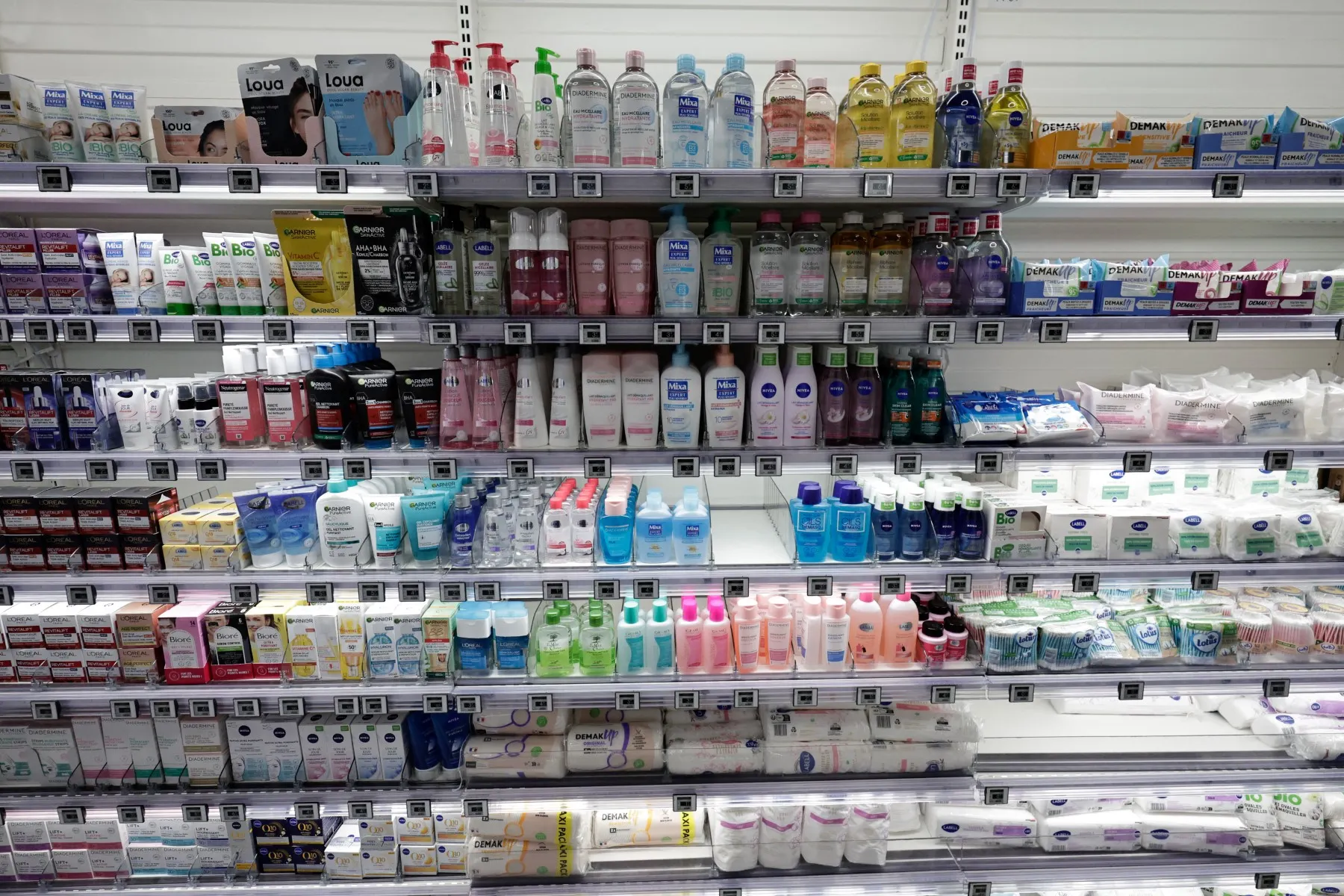
Hygiene products, toilet paper, bin bags and all others wrapped in plastic packaging will also be impacted. Those made from hydrocarbons will be affected first, as Iran is one of the world’s ten largest oil producers.
Delay in price hike
Prices are negotiated each year between manufacturers and distributors between December 1st and March 1st, but revision clauses allow for adjustments in the event of a major shock. This is also why price increases tend to come with a delay, and why decreases are, in turn, slower.
Price decreases will depend on a return to normal across several fronts: stabilisation of energy markets, a drop in raw material costs, and improved production conditions.
“Households will have to adjust their shopping baskets and favour cheaper products or store brands,” said Caret. In the short term, however, there is no need to stockpile. The products concerned are perishable, and the situation is not one of shortage risk, but rather of price pressure.
Review of prices
Depending on the product, contracts signed between manufacturers and major retail chains may include “review clauses” that allow certain prices to be adjusted in exceptional circumstances. In such cases, sector by sector, state approval is not necessarily required.
This Sunday, Minister of Small and Medium-Sized Enterprises (SME’s) Serge Papin told French media Le JDD that: “A broad reopening of negotiations is an option, but we’re not there yet. I am also paying particular attention to SMEs, which are often the most exposed.”
These remarks echo the sharply rising results of dairy giant Lactalis (brands like President, Galbani, Lactel…). The world’s leading milk producer, based in Laval (Mayenne), announced last Thursday that its net profits had climbed by about 50 percent, and indicated that it plans to raise prices in response to the conflict.
READ MORE: Fuel, food and mortgages: How the war in the Middle East is affecting France
