LOS ANGELES — On Tuesday, May 5, 2026, communities across the United States and in the Mexican state of Puebla will mark Cinco de Mayo, a day that commemorates the Mexican army’s improbable 1862 victory over French forces at the Battle of Puebla — a symbol of resilience that has evolved into a vibrant celebration of Mexican culture and heritage.

Cinco de Mayo, which translates simply to “the fifth of May,” is not Mexico’s Independence Day. That holiday falls on Sept. 16, commemorating the 1810 call for independence from Spain. Instead, Cinco de Mayo specifically honors the events of May 5, 1862, when a outnumbered and poorly equipped Mexican force defeated a larger, better-armed French army during the Franco-Mexican War.
The battle occurred amid Mexico’s financial crisis. President Benito Juárez had suspended debt payments to foreign nations, prompting Britain, Spain and France to send troops. While the first two withdrew, France — under Napoleon III — sought to establish a monarchy in Mexico and expand its influence in the Americas. French forces marched toward Mexico City but encountered fierce resistance at Puebla, about 80 miles southeast of the capital.
Led by Gen. Ignacio Zaragoza, roughly 2,000 to 4,000 Mexican troops, including mestizo and Zapotec soldiers, faced around 6,000 French soldiers. Despite being outnumbered and outgunned, the Mexicans repelled repeated assaults, inflicting heavy casualties. The French lost hundreds of men before retreating. Zaragoza famously declared that “the national arms have covered themselves in glory.”
Though the victory was symbolic — French forces later captured Puebla and occupied Mexico City, installing Archduke Maximilian as emperor — it boosted Mexican morale and became a powerful emblem of resistance to foreign domination. The French were eventually expelled in 1867 with help from the United States, which had just emerged from its own Civil War.
Celebrations in Mexico
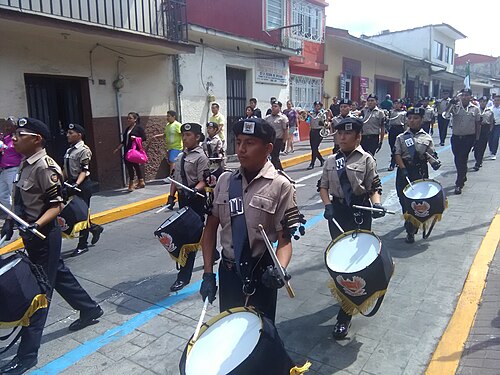
In Mexico, Cinco de Mayo remains a relatively modest observance, primarily centered in Puebla. The state hosts military parades, historical reenactments and civic ceremonies honoring Zaragoza and the fallen soldiers. The battlefield itself is preserved as a park, and museums in the city recount the events in detail. Some communities hold festivals featuring traditional music, dancing and mole poblano — the iconic dish from the region.
It is not a federal holiday nationwide, so schools and offices generally remain open. The day’s significance lies more in regional pride and historical reflection than nationwide festivity.
A Major Cultural Phenomenon in the U.S.
In the United States, Cinco de Mayo has grown into a major celebration of Mexican-American culture and heritage, especially in cities with large Mexican-American populations such as Los Angeles, Chicago, Houston and Denver. The holiday first gained traction among Mexican communities in California in 1863, as news of the Puebla victory spread and served as a show of solidarity.
Today, festivities often include colorful parades with mariachi bands, folkloric dancers and floats. Streets fill with vendors offering tacos, enchiladas, guacamole and churros. Restaurants and bars promote specials on margaritas and Mexican beers, while community events feature live music, art exhibits and cultural workshops. Major festivals like Fiesta Broadway in Los Angeles draw hundreds of thousands.
The holiday also carries commercial weight. Companies market everything from limited-edition beverages to themed merchandise. However, educators and cultural advocates use the day to correct misconceptions and emphasize its true historical roots rather than reducing it to a drinking occasion.
Modern Meaning and Respectful Celebration
In 2026, as communities gather on a Tuesday, many events shift to surrounding weekends for larger turnout. Organizers stress education alongside entertainment, incorporating history lessons, documentary screenings and discussions about Mexican contributions to American society.
The day resonates as a story of underdogs prevailing — a theme that inspires broader conversations about resilience, unity and cultural pride. For Mexican-Americans, it serves as an opportunity to celebrate identity, family and shared heritage amid ongoing discussions about immigration and representation.
Cultural sensitivity remains important. Experts encourage participants to honor authentic traditions rather than stereotypes. This includes supporting Mexican-owned businesses, learning about regional cuisines beyond common favorites, and appreciating the historical context.
Global Reach and Contemporary Relevance
Beyond North America, Cinco de Mayo observances appear in cities with Mexican diaspora communities worldwide. The holiday’s message of resistance to imperialism echoes in various struggles for self-determination.
As 2026 celebrations unfold, the core meaning endures: a reminder that determination can overcome formidable odds. From Puebla’s streets to U.S. city festivals, participants raise a glass — or a taco — to the enduring spirit of May 5, 1862.
Whether through a family meal, a community parade or quiet reflection on historical courage, Cinco de Mayo 2026 offers a chance to connect with a pivotal moment in Mexican history while embracing the vibrant culture it represents today. In a world still facing challenges of unity and resilience, the legacy of that unlikely victory at Puebla continues to inspire.