
As millions of visitors prepare to travel across France this summer, getting around is usually straightforward – strikes and occasional disruptions aside. But knowing a few key French travel terms can make a big difference when plans go awry.
Whether you’re taking the train, catching a flight or driving across the country, here’s a guide to the French words you’re most likely to encounter.
Train travel
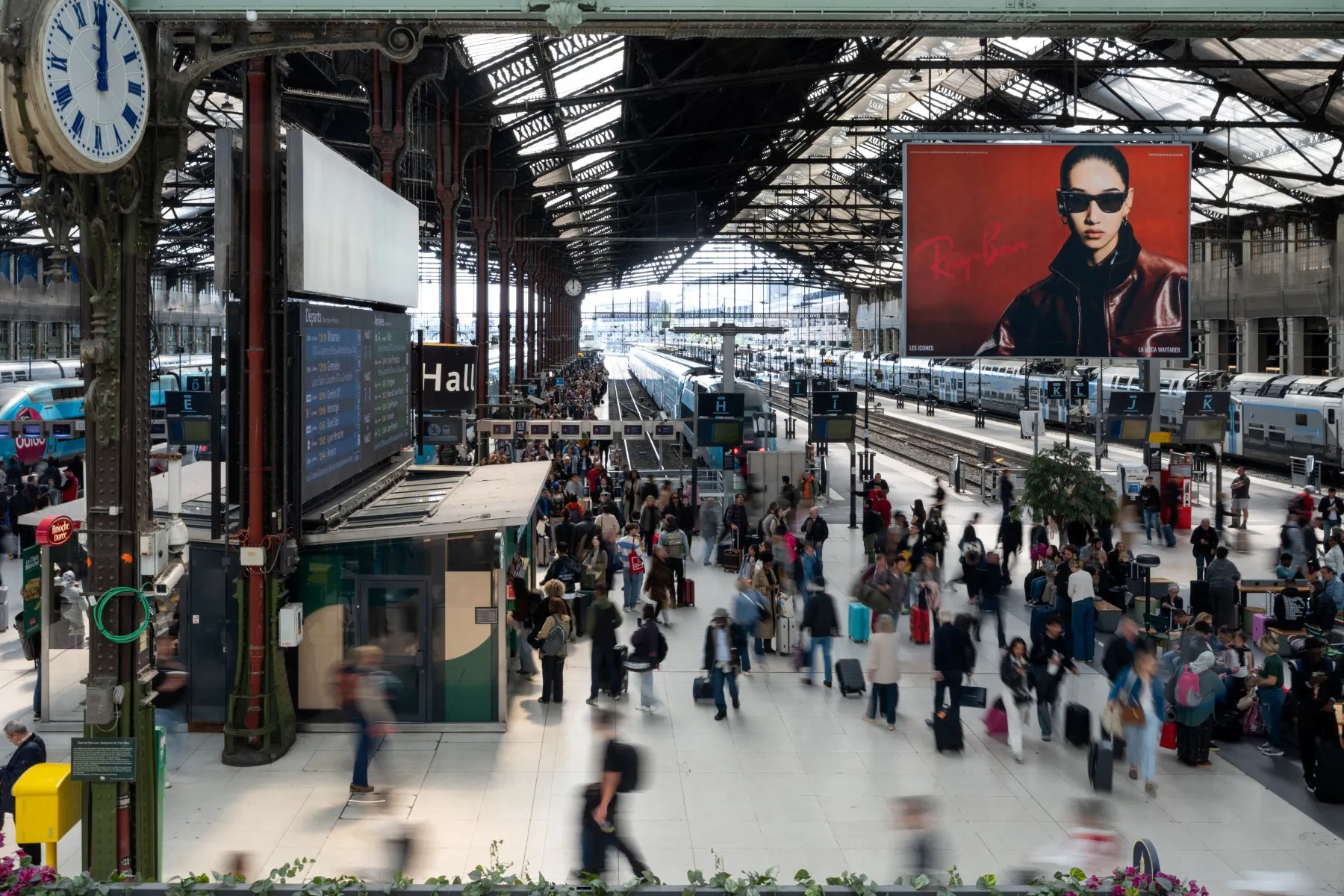
One of the most important words for rail passengers to recognise is supprimé – displayed on departure boards in train stations across France, supprimé means a service has been cancelled.
Listen to the team at The Local discussing travel terms on the latest episode of the Talking France podcast – download here
Many English speakers expect to see annulé, which also means cancelled, but French train operators frequently use supprimé for trains that have been withdrawn from service.
In practice, there is no meaningful difference between annulé and supprimé for passengers. If your train is marked with either, it is definitely not coming.
A more hopeful word is retardé, meaning delayed. While frustrating, at least the service is still expected to run.
Passengers may occasionally see maintenu, meaning the service is operating as planned despite wider disruption affecting the network.
Strike and disruption notices
French rail services may be affected by technical problems, accidents or strikes.
During strike periods, passengers may see notices stating en grève (on strike) or references to mouvements sociaux, the term commonly used to describe a strike.
READ ALSO: French rail unions announce June train strike
When disruptions occur, station announcements often include a few recurring terms:
Perturbé – disrupted.
Example: Le trafic est perturbé – Services on the line are disrupted.
Interrompu – interrupted or suspended.
Example: La circulation est interrompue – Train traffic has stopped completely.
As a general rule, travellers should pay close attention to announcements whenever disruption is reported, but French train stations are pretty good at keeping everyone updated – you can also download the SNCF Connect app for live updates on your train.
Useful train station vocabulary
A few basic terms to help passengers navigate French rail stations with more ease:
La gare – station
Le quai – platform
Une correspondance – connection
When buying tickets at a station, head to the le guichet (ticket office). Useful ticketing terms include: aller (one-way ticket), aller-retour (return ticket), première classe (first class), deuxième classe (second class), tarif réduit (discounted fare).
Another useful word is terminus, indicating the final stop on a train, tram or metro line. If you stay on beyond the terminus, you may find yourself heading towards a depot rather than your destination…
Airport vocabulary
Many of the same disruption-related words used in train stations also appear in airports, particularly supprimé and retardé.
Other useful airport terms include: embarquement (boarding), enregistrement (check-in), douane (customs), bagage à main (carry-on luggage), contrôle de sécurité (security check)
Some useful phrases include:
L’embarquement commence. – Boarding has begun.
Le vol est retardé. – The flight is delayed.
Veuillez vous rendre à la porte 24. – Please proceed to gate 24.
Driving in France
If you decide to hire a car and drive around the country, you might encounter a few important signs.
EXPLAINED: Everything you need to know about renting a car in France
On motorways, the word péage indicates a toll station. Drivers should also watch carefully for their sortie, or exit.
Traffic jams are commonly referred to as embouteillages, while motorway information boards may also warn drivers of bouchons. Both words mean traffic congestion.
Interestingly, embouteillage originally referred to bottling wine. The term later evolved to describe blocked traffic, while bouchon, literally a bottle cork, acquired its modern traffic meaning in the 1950s because of its similarity to a cork blocking a bottle neck.
Roadworks are indicated by the word travaux, while a déviation refers to a diversion route put in place around closures or construction zones.
Drivers looking to refuel should follow signs for a station-service (fuel station).
For rest stops, look out for aires de repos – these designated roadside rest areas typically offer parking, picnic tables and toilets.