The Aam Aadmi Party (AAP), once hailed as India’s most disruptive political startup, is facing arguably the gravest crisis in its 14-year journey. The dramatic exit of Raghav Chadha — among its most recognisable young faces — along with multiple MPs, has triggered a moment of reckoning for the country’s youngest national party.
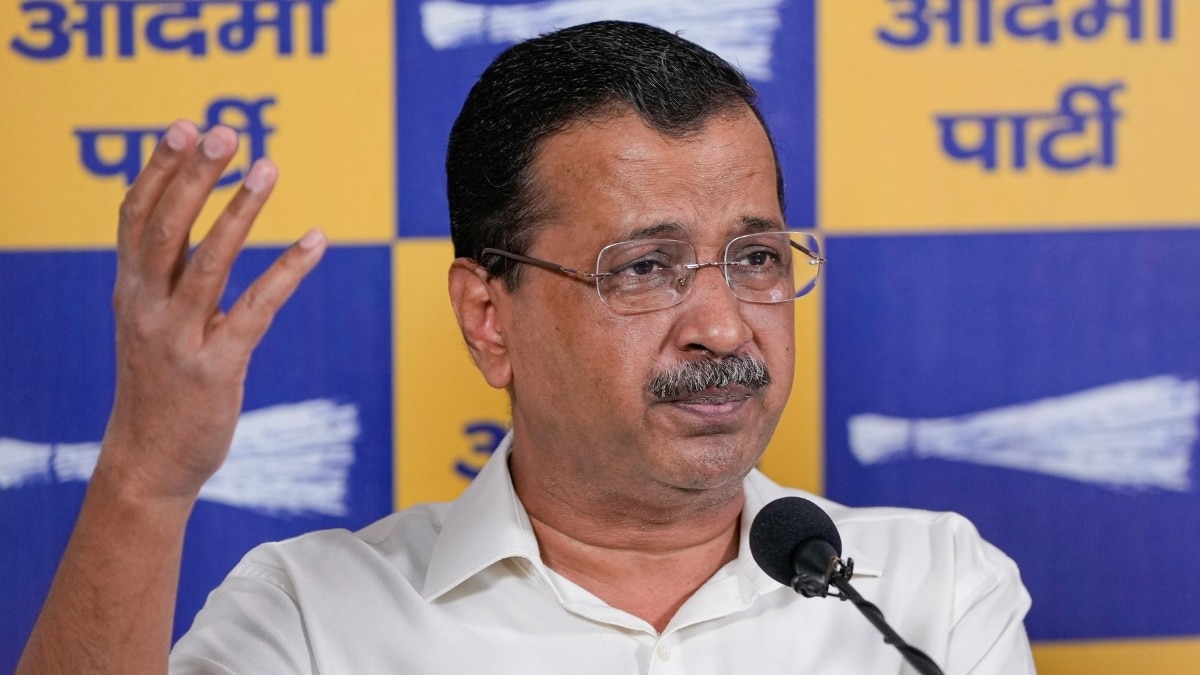
AAP has long revolved around Kejriwal’s leadership. While this centralisation ensured message discipline and electoral clarity, it also limited the emergence of autonomous power centres.
Must read: After Raghav Chadha shock, can AAP hold its 92-MLA fortress in Punjab?
Now, with senior leaders exiting or clashing publicly in recent years, the party faces a structural dilemma: can it transition from a movement-driven outfit to a stable national organisation, or will leadership concentration accelerate internal dissent?
From anti-corruption movement to national force
Born out of the 2011 anti-corruption movement, AAP was formally founded in 2012 under the leadership of Arvind Kejriwal. It quickly disrupted India’s entrenched political order, riding on a governance-first plank and citizen activism.
Within a decade, the party achieved what few new entrants could — forming governments in Delhi, expanding to Punjab, and earning national party status in 2023.
Don’t miss | ‘Betrayal of Punjab’: AAP slams Raghav Chadha, six MPs for switching to BJP
Its rise was powered by a strong anti-corruption narrative, centralised yet agile leadership, and a young leadership bench that included figures like Chadha. Yet, the very traits that fuelled its meteoric ascent are now being tested.
Chadha exit: Trigger or tipping point?
Chadha’s departure to the Bharatiya Janata Party is not just another defection — it strikes at the core of AAP’s second-generation leadership. Once seen as a key strategist and national face, his exit signals deeper internal churn.
Reports suggest multiple MPs have exited alongside him, following months of internal friction and distancing from party leadership. Chadha is understood to have flagged ideological drift and a disconnect with the party’s original values.
Must read | Why Raghav Chadha quit AAP: BJP switch stuns AAP’s Arvind Kejriwal
For a party built on moral politics and internal cohesion, such a high-profile split raises uncomfortable questions about internal democracy and direction.
The Punjab factor and cracks within
AAP’s biggest political success outside Delhi — Punjab — now risks becoming a fault line. Chadha played a key organisational role in the state’s landmark victory, making his exit politically symbolic.
With multiple MPs linked to Punjab politics exiting, the party faces potential weakening of its parliamentary voice, questions over leadership control in its only full-state government outside Delhi, and growing vulnerability to poaching by rivals.
Why this is AAP’s toughest phase
AAP has weathered crises before — short-lived governments, electoral setbacks, and internal rebellions. But the current moment is different. The scale of exits signals a coordinated rupture rather than isolated dissent. The timing is critical, as the party seeks to consolidate its national footprint. And perhaps most importantly, its core brand — clean politics and internal democracy — is now under scrutiny.
The immediate challenge for AAP is containment — preventing further defections and stabilising its organisational structure. The larger test is existential: redefining its identity beyond a protest movement and building leadership depth across states.