

If you have been looking for an apartment for a long time and finally found one you like, you may be ready to fulfil any of your landlord’s conditions. But Swiss law places clear limits on what a landlord can demand of new and existing tenants.
If you are a new arrival in Switzerland (and even if you have been living here for a while), you may not be aware of what your landlord or their management company can legally ask of you.
The vast majority comply with the law and are not out to scam you, but you should nevertheless know what your rights are — and assert them if you are being treated unfairly.
Let’s start with the rental deposit
When you rent a flat or a house in Switzerland, you will have to put down an agreed-upon sum for your landlord as a form of security against damages and other mishaps.
The amount is spelled out in your lease, and can vary from one, two, or three months’ rent.
However, the landlord can’t ask you to put down more than the equivalent of three months’ rent.
READ ALSO: What you need to know about rental deposits in Switzerland
The landlord can’t ask you for copies of your bank statements or tax returns
When you fill out your application, you will be asked to provide your salary statement.
That is perfectly legitimate, as the owner needs to be sure you are able to afford the monthly rent.
The landlord can’t, however, demand any further financial information such as your bank account statements, a list of your investments, or your tax returns.
Paying rent in cash
Most people in Switzerland pay their rent every month via a bank transfer; most likely, they set up an automatic ‘standing order’ online (Dauerauftrag in German, mandat permanent in French and ordine permanente in Italian), which is the most convenient way to pay recurrent bills.
READ ALSO: How do I set up automatic bill payments in Switzerland?
Or, you may choose another way to pay your rent.
However, the landlord can’t demand that you pay rent in cash; that would be a very odd request and should set off alarm bells in your head.
Costs of major repair works
If your rented accommodation needs a major overhaul, ranging from maintainence works to essential repairs, the landlord can’t ask you to pay for them.
The only exception would be if you inflicted the damage yourself, in which case you’d be responsible for the repairs and payment.
The same rule extends to replacing broken appliances
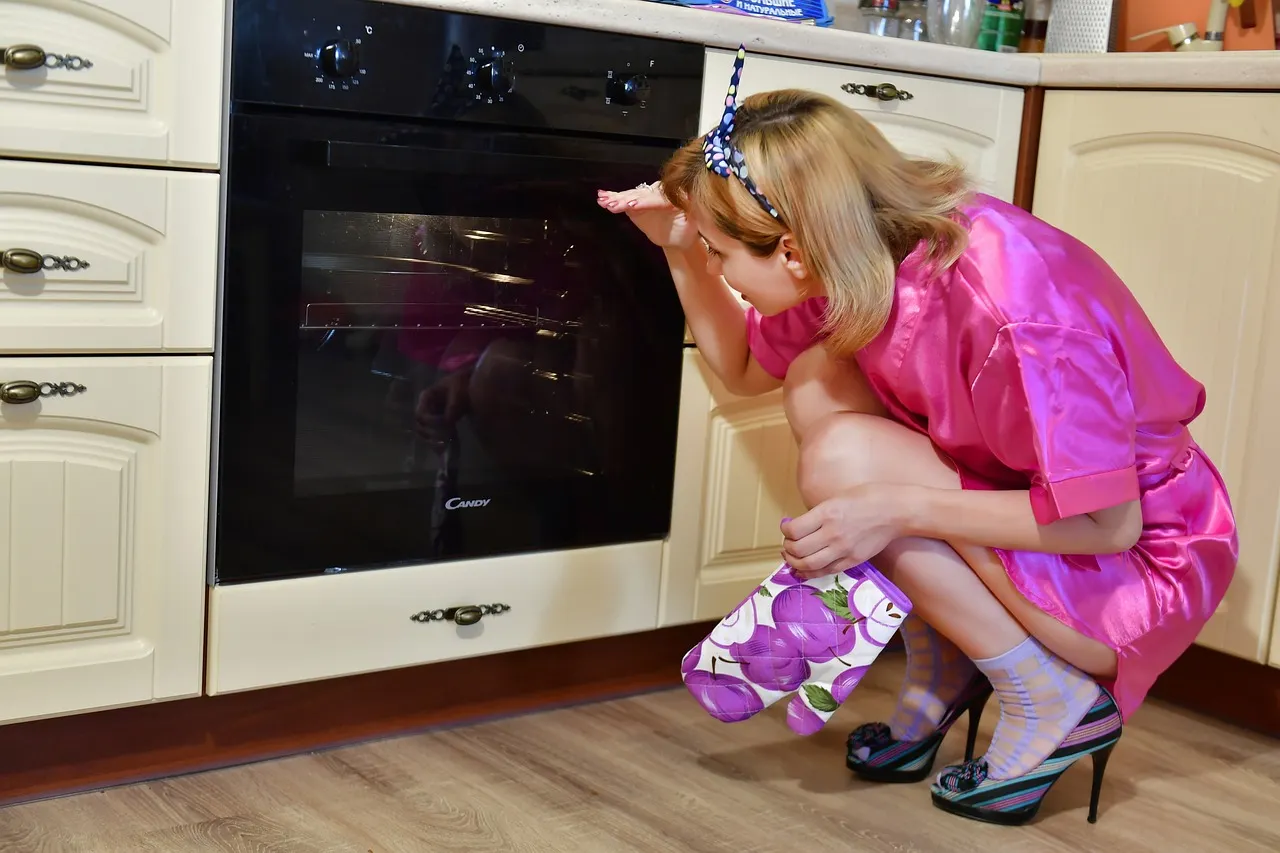
If the oven or fridge in the apartment stops working due to old age and / or normal wear and tear, your landlord must replace them.
Here too, the only exception would be if you broke the appliances yourself through misuse, in which case you would have to pay to repair (or buy new ones) out of your own pocket.
The ‘no overnight guests’ rule
Under the law, when you pay rent for your apartment, you are entitled to enjoy it and not be limited by non-sensical (and illegal) rules.
Your landlord can’t tell you not to have overnight guests, or decide how long they can stay — as long as the visitors obey house rules regarding noise or other nuisances to the neighbours.
Entering the apartment without consent
Your landlord does not have uninvited access to your home.
They can’t enter at any time without first notifying you and then receiving your permission. Furthermore, they can come ‘by appointment’ only, that is, on a set day and at a set time.
They also can’t keep a spare key to your apartment and, even less so, use it. This ensures they won’t have access to your home even (or especially) when you are away on vacation — unless, of course, you have given them permission to go in during your absence.
READ ALSO: Can my Swiss landlord come to my flat unannounced?
Changing the existing rental agreement
Once you and the landlord sign the contract, it is valid, in its present form, until the day it expires.
The owner can’t unilaterally or arbitrarily change any terms of the agreement in the meantime and demand that you consent to the changes.
Any modifications can only be made once the lease’s deadline is reached and a new contract is negotiated.