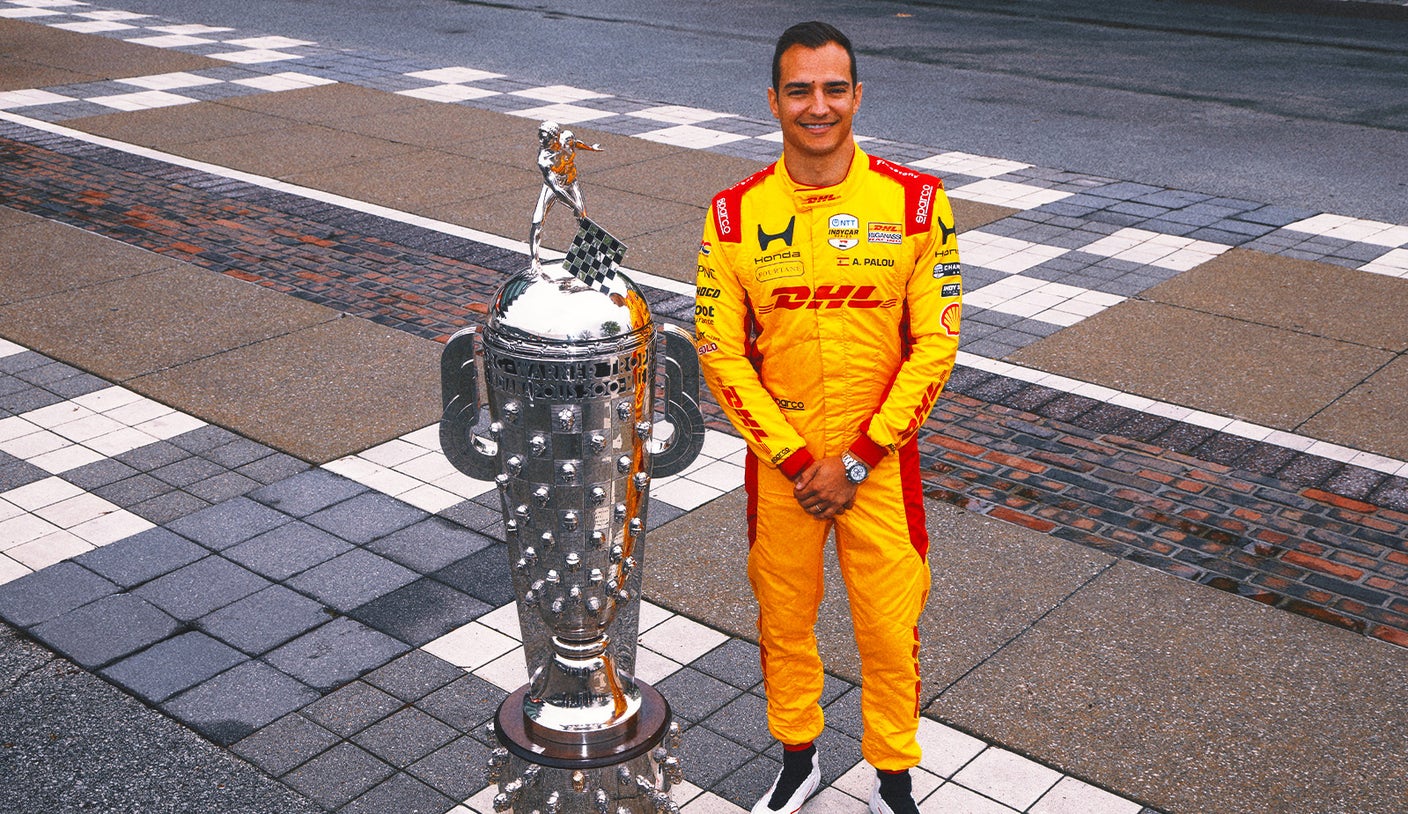
In sports, nothing compares to winning it all and hoisting the trophy in the air. In motorsports — specifically the Indianapolis 500 — having your face etched into the Borg-Warner Trophy is one of INDYCAR’s greatest honors.
Lasting through a World War and 82, 500-mile races, the Borg-Warner Trophy remains a sight to behold. It’s the only physical award that has the winner’s face engraved on it every year.
With hardware of that significance and fame comes plenty of defining moments some motorsports fans might not know. Learn more about the development of the famous Borg-Warner trophy through the years ahead of Sunday’s 110th running of the Indy 500 (12:30 p.m. ET on FOX).
1. The Trophy Weighs Over 100 Pounds And Stands Over 5 Feet Tall
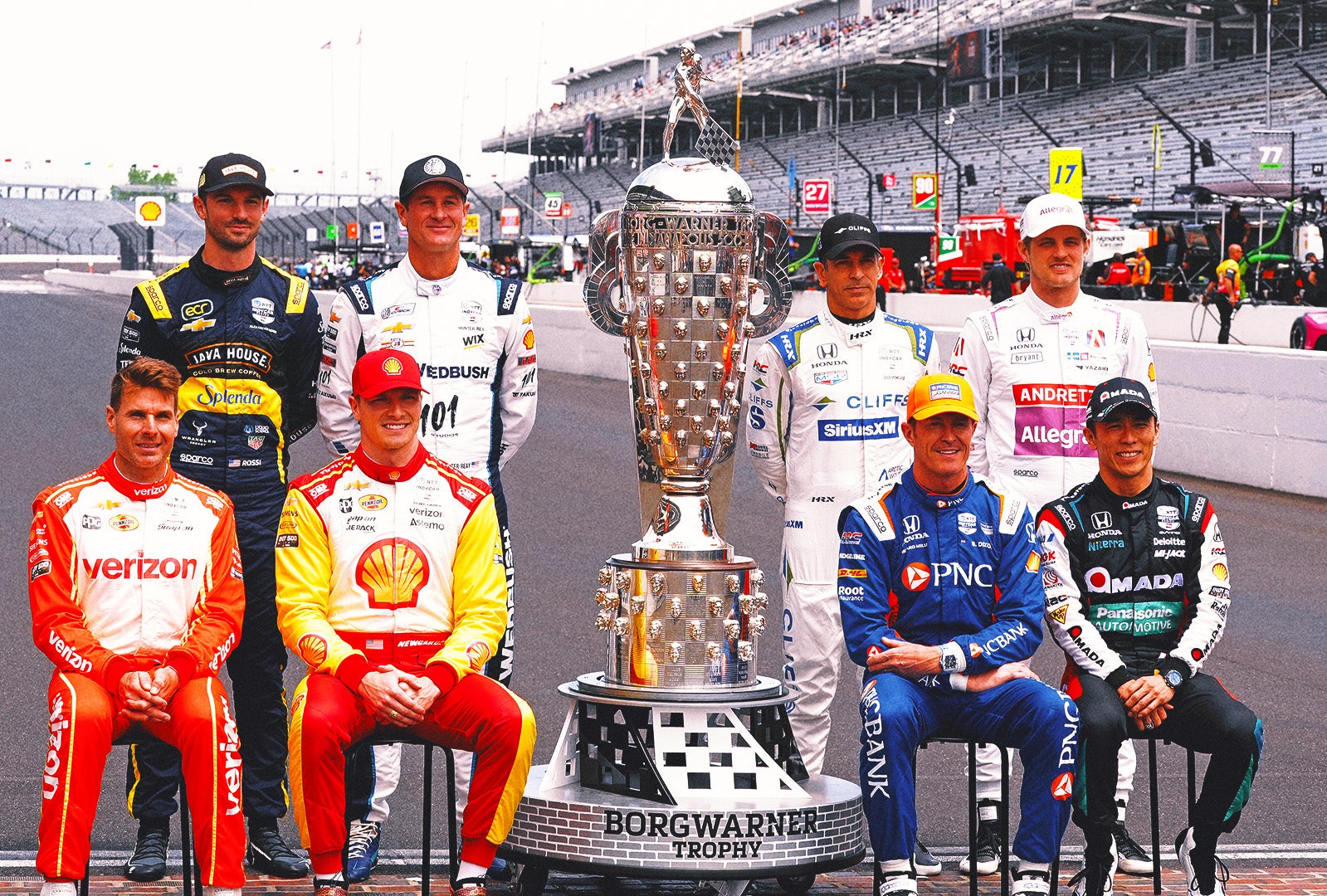
The trophy is not something you can transport on the floor of your passenger seat, but it’s big enough to compare to a human. The trophy stands at approximately 5-foot-4 and weighs 110 pounds.
The tradition of the trophy is adding a physical face carved into it.
Originally, the trophy stood at 4-foot-3 inches with room for 70 winners. As the tradition progressed, the trophy has been resized twice — once in 1987 and once in 2004 — to allow extra space for winners all the way through 2033.
2. There Are 104 Faces Carved Into The Trophies, But Only 101 Races Completed
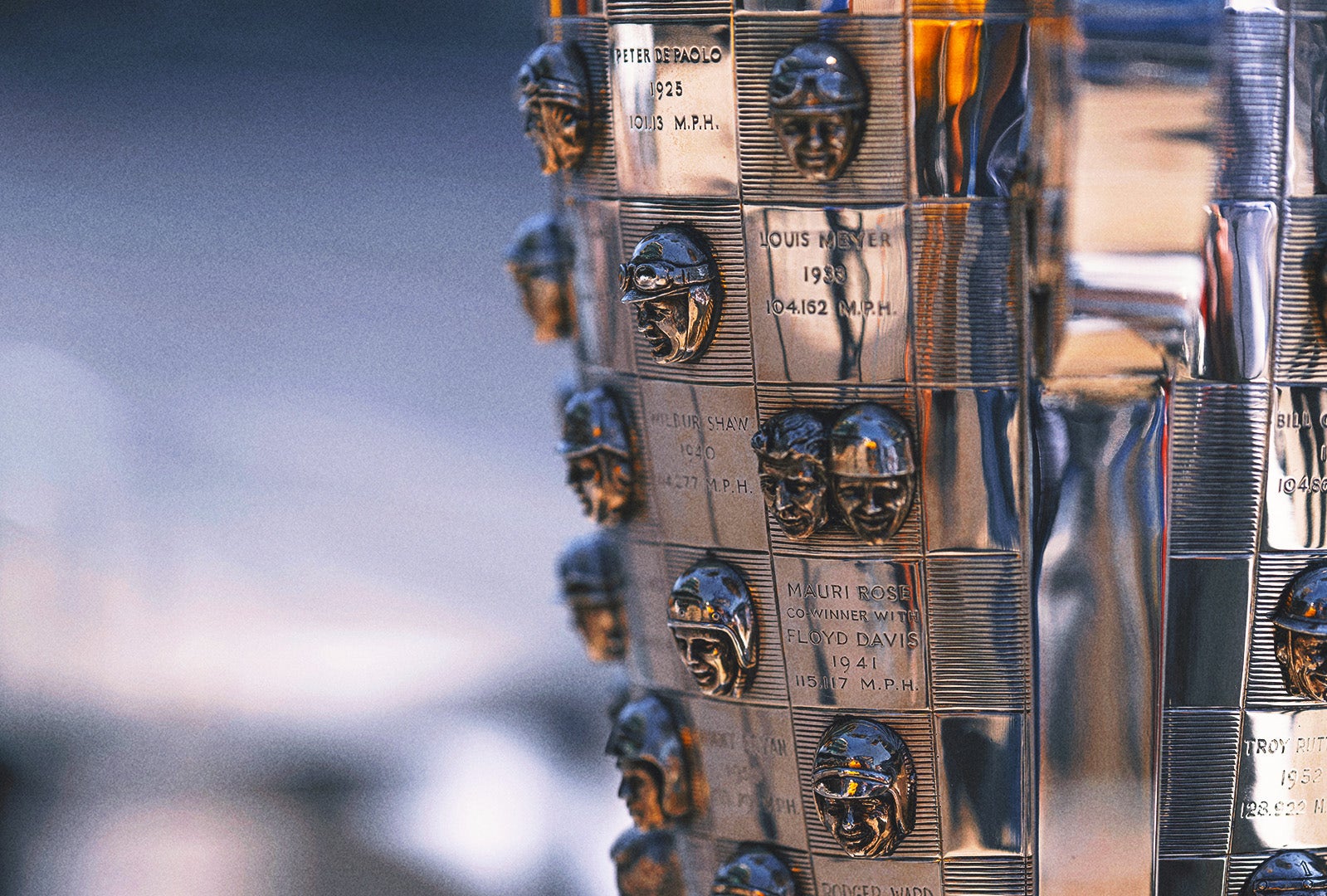
How could there be 104 faces carved into the trophy, but only 101 races have been completed? This is due to multiple drivers occasionally sharing a winning car, allotting space for both drivers if they cross the finish line first.
The trophy was first introduced in 1931 despite the first race starting in 1911. Even with 20 years of past winners, the face tradition began the year it was introduced, as Louis Meyer was the first face to be engraved. Ironically, the three-time winner was also at the forefront of the iconic milk celebration tradition.
3. How Much Does The Trophy Cost?
Considering the 110-pound trophy is made completely out of sterling silver, the trophy comes with a hefty price tag.
Currently, the trophy is valued at $3.5 million. Originally, when the trophy initially weighed 80 pounds and stood 52 inches tall, it was listed at $10,000.
4. The Winner Takes Home A 14-inch Replica
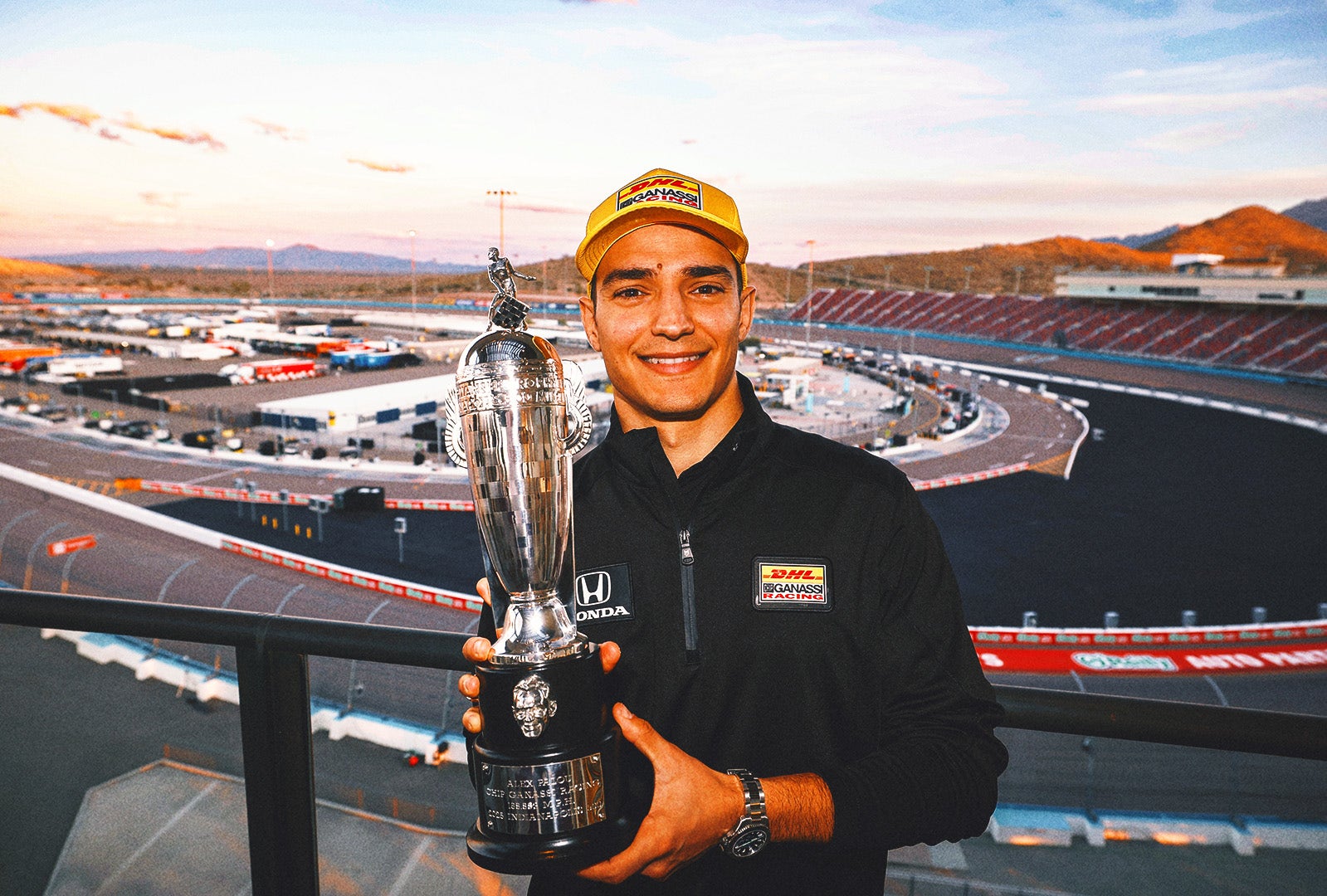
While the winners of the Indy 500 pose next to the sterling silver award following the win, the trophy is actually returned to its home base of Indianapolis Motor Speedway Museum. The drivers do get to go home with hardware known as the “Baby Borg,” a 14-inch exact replica of the real Borg-Warner trophy.
What’s worth noting is that the Baby Borg has not been around since the Borg-Warner was introduced. It was spearheaded by four-time winner Ricky Mears in 1989.
Drivers still went home with something rather than nothing. In 1936, winners received a small wooden plaque with their name engraved on it and a half-replica of the trophy. Mears’ idea soon came to life in 1989 when he received the 14-inch replica with his name, winning year and his face engraved into the baseboard of the trophy.
5. Origin Of The Naked Man Atop The Trophy
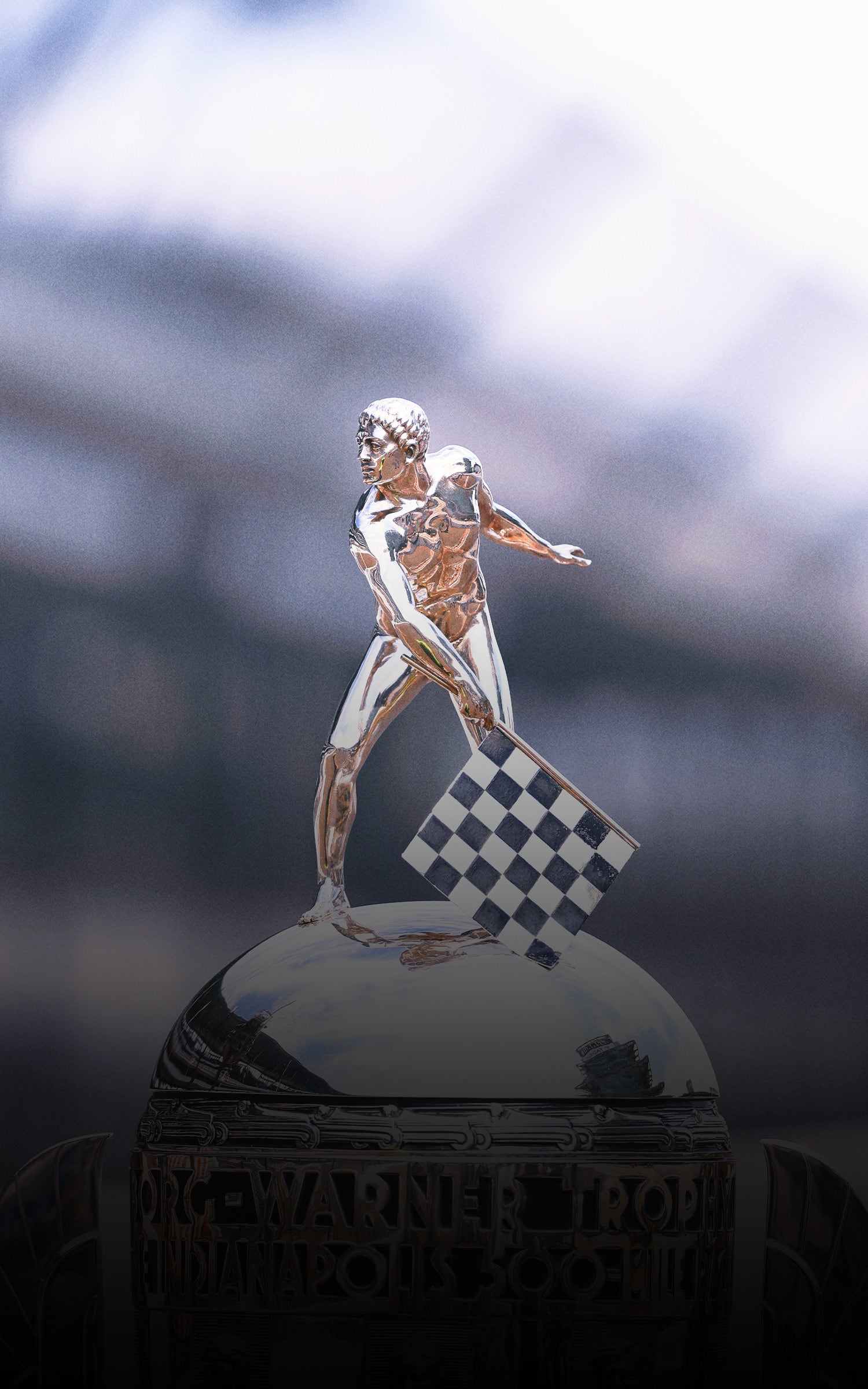
The main spectacle of the Borg-Warner trophy are the engraved faces, but what if there was a fun story behind the naked man on top of the trophy?
The top of the trophy includes a fully nude man — yes, completely nude — waving around a checkered flag. But why is he completely nude? The design was modeled after a Greek athlete who used to compete nude. The Borg-Warner trophy embodies the Olympic spirit, hence the trophy’s mascot displayed as nude.
6. How Many Repeat Faces Are There?
Of the 112 total faces on the Borg-Warner trophy, there are 35 total repeat faces of multiple-time winners. And yes, they remake the exact face into that same winning base if they are a repeat winner.
Some drivers have won four times (Helio Castroneves, A.J. Foyt, Al Unser and Rick Mears), three times (Louis Meyer, Mauri Rose and Wilbur Shaw) and 12 drivers have appeared twice.