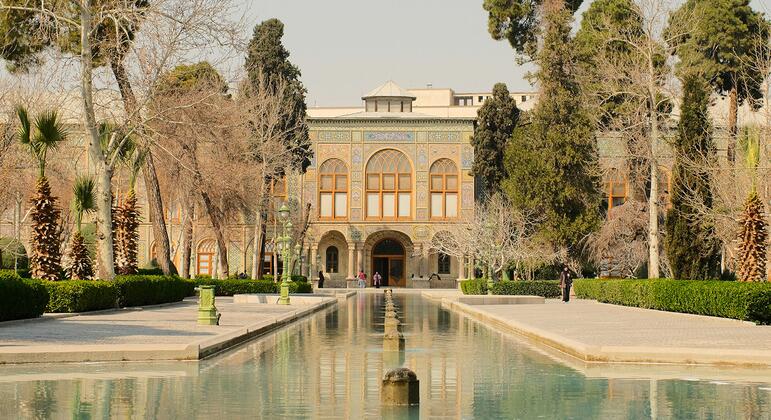
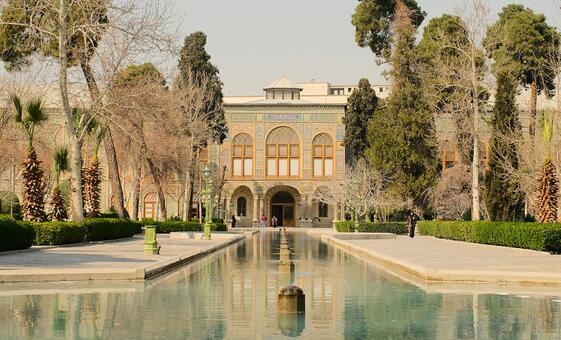
In Iran, these sites include Golestan Palace, Chehel Sotoun Palace in Isfahan, Masjed-e Jame mosque (also in Isfahan) and buildings located near Prehistoric Sites of the Khorramabad Valley.
UNESCO alerts
These treasures feature on the United Nations Educational, Scientific and Cultural Organization (UNESCO) World Heritage List, along with Israel’s White City of Tel-Aviv and Tyre in Lebanon, which have also sustained damage in the first three weeks of the war.
The UN agency communicates “and will continue to communicate to all parties concerned the geographical coordinates of sites on the World Heritage List…to take all feasible precautions to avoid damage,” officials told UN News.
Worryingly, UNESCO cautions that several other sites are also at risk, notably in Armenia, Azerbaijan, Bahrain, Cyprus, Iraq, Jordan, Kuwait, Oman, Palestine, Qatar, Saudi Arabia, Syria, Türkiye, United Arab Emirates, and Yemen.
Education, science and media under fire
The deteriorating security situation is also impacting schools, universities and journalists, with growing disruption and danger now endangering education personnel, students and infrastructure.
“UNESCO is deeply concerned by the impact of the current security deterioration on education, science and research institutions across the region,” the agency told UN News, highlighting major disruption to learning, research and access to information. “This creates immediate risks for children, youth, teachers, researchers, and education professionals. It also weakens the institutions that societies depend on for recovery, dialogue, peace and stability.”
‘Deeper learning crisis’
If the violence continues, UNESCO warned of a “deeper learning crisis” across the Middle East, marked by a “greater exclusion of the most vulnerable children, loss of teachers and researchers, weakening of public trust in institutions and lasting damage to the region’s scientific capacities”.
The agency insisted that schools, universities, laboratories and research institutions are not only service providers, but “part of the social fabric and future human capital of the region…Protecting them is therefore not only a humanitarian necessity, but also fundamental for longer-term recovery, resilience and peace.