BAKU, Azerbaijan, March 30. Turkmenistan is
poised to present both concrete achievements and ambitious plans
for urban development and sustainable urbanization at the 13th
session of the World Urban Forum (WUF13) in Baku.
Scheduled for May 17-22, 2026, under the auspices of the United
Nations Human Settlements Programme (UN-Habitat), the forum will
convene global experts, urban planners, and government
representatives to address one of the most critical global
challenges, ensuring the provision of safe, comfortable, and
sustainable housing. Within this broader context, Turkmenistan aims
to showcase its unique approach, demonstrating how a nation can
successfully integrate state-driven strategies, social priorities,
and technological advancements in urban development.
The Turkmen delegation, led by Chairman of the Halk Maslahaty
(Parliament), Gurbanguly Berdimuhamedov, underscores the country’s
high-level commitment to urbanization and city planning. As noted
by Turkmenistan’s Ambassador to Azerbaijan, Gurbanmammad Elyasov,
the nation will approach the forum with tangible outcomes, fully
developed projects, and clear, forward-looking strategies. A focal
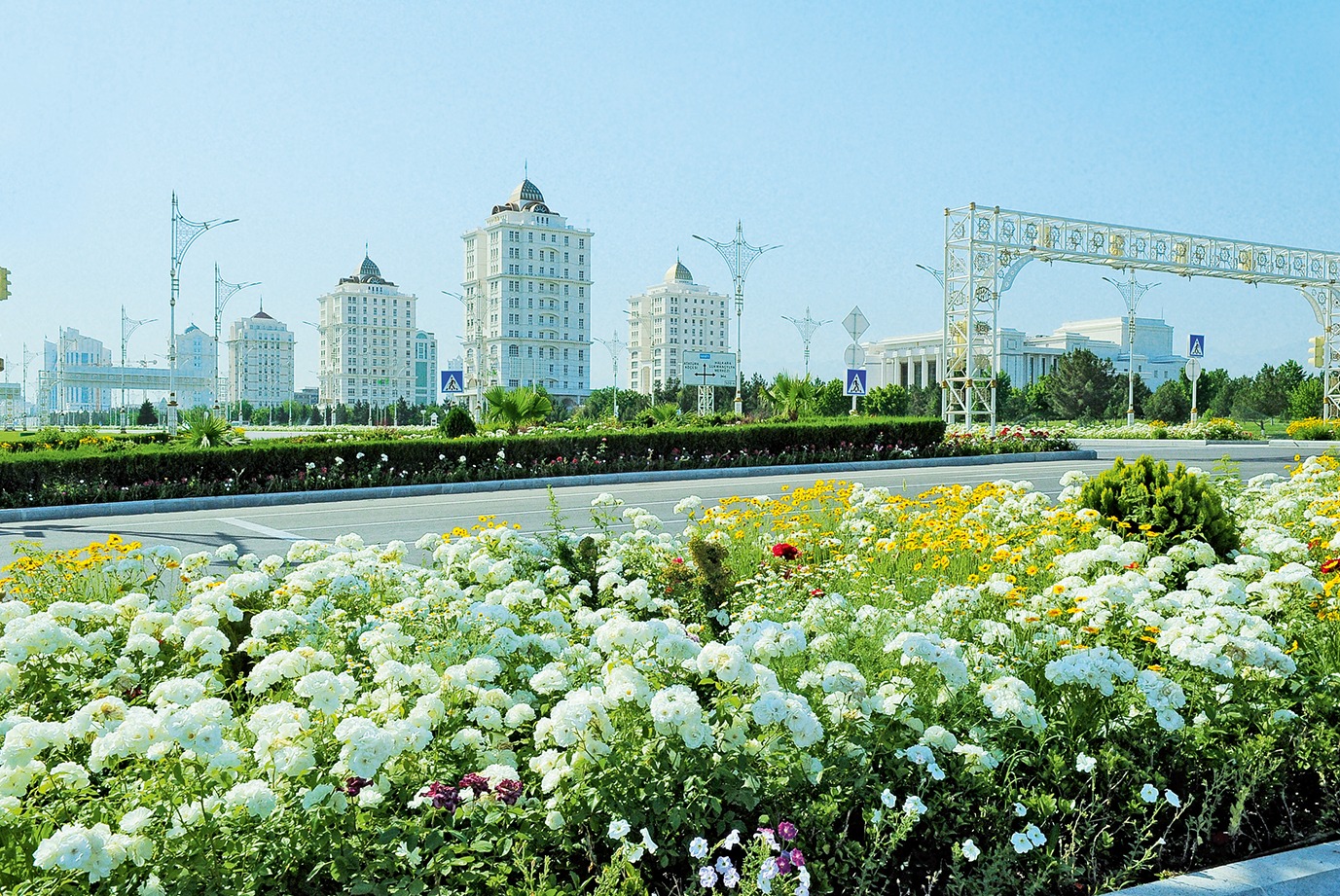
point of Turkmenistan’s presentation will be the urban development
initiatives in the capital city of Ashgabat, along with the
pioneering “smart” city of Arkadag.
Founded in 2019, the “smart” city of Arkadag represents not
merely a new urban settlement but serves as a flagship initiative
for the nation’s urban planning vision. This ambitious project
integrates cutting-edge information and communication technologies,
eco-friendly public transportation systems, digital services, and
expansive green spaces. Designed to accommodate 64,000 residents,
Arkadag boasts 336 social and cultural facilities. To date, it has
garnered more than 20 international certifications, including
recognition as an “environmentally friendly city.”
These advancements are further reinforced by Turkmenistan’s
progress in housing and utilities infrastructure. In the past year,
the country completed the construction of 645,000 square meters of
new housing, alongside the establishment of 116 industrial and
social facilities. In Ashgabat, efforts to modernize the housing
stock are ongoing, with the development of new residential
districts such as Parahat-7. Simultaneously, 127 two-story
residential buildings are under construction, in addition to
schools with a total capacity of 3,380 students and kindergartens
for 1,080 children. Moreover, modern villages are being established
in the regions, particularly in the Balkan, Ahal, and Dashoguz
regions, complemented by large-scale infrastructure projects,
including the high-speed Mary-Turkmenabat highway.
Turkmenistan is also engaged in projects aimed at sustainable
development at the municipal level. In cooperation with the United
Nations Development Programme (UNDP), initiatives are being
implemented to strengthen urban resilience to climate and natural
disaster risks, requiring the integration of climate adaptation and
risk reduction into urban planning processes.
The main theme of WUF13, safe and sustainable housing for all,
resonates with the core objectives outlined in Turkmenistan’s
“Program of Socio-Economic Development and Investments for 2026,”
signed by President Serdar Berdimuhamedov in February 2026. This
program is designed to advance the goals outlined in several
long-term national frameworks for 2022-2028 and 2022-2052. It
encompasses continued large-scale housing development, the
modernization of the existing housing stock, and the expansion of
social infrastructure, including schools, kindergartens, and
healthcare facilities. Furthermore, it emphasizes the integration
of modern engineering and digital solutions into the urban fabric.
This pragmatic approach forms the foundation of Turkmenistan’s
participation in WUF13.
In this context, Turkmenistan arrives at WUF13 equipped with
tangible projects, measurable outcomes, and specific targets. From
the completion of hundreds of thousands of square meters of modern
housing in 2025 to the projected 900,000 square meters for 2026,
from the ongoing modernization of Ashgabat to the ambitious
construction of Arkadag, the country is progressively defining its
national urban development paradigm.
Baku will thus serve as a pivotal platform for Turkmenistan to
present its experience to the global community, articulating its
urban policy priorities and embedding them within the broader WUF13
agenda.
Leave a Reply