Blog

  • Global Markets Tumble as Middle East Conflict Escalates, Oil Surges

    Global Markets Tumble as Middle East Conflict Escalates, Oil Surges


    Stocks plunged and oil prices spiked as Iran-backed Houthi forces joined the conflict, prompting a US military buildup and raising fears of prolonged war and economic damage.

    Key Details:

    • Japan and South Korea markets fell over 4%, MSCI Asia Pacific down 2.4%; US and European futures also declined
    • Brent crude jumped 3.4% to $116/barrel, up 91% YTD; Macquarie warns oil could hit $200 if Strait of Hormuz remains closed through June
    • Aluminum rose 6% after Iran attacked regional production sites; gold dipped 0.8% to ~$4,450/oz
    • Trump signaled possible deal with Iran allowing 20 oil vessels through Hormuz, but Israel struck Tehran and Saudi Arabia intercepted drones
    • Recession risk rising — Goldman Sachs at 30%, Pimco >33%; bond managers preparing for economic slowdown and yield declines

    The 2026 Iran war has exposed a fundamental contradiction in the economic architecture of the conflict, with the US imposing enormous costs on many of the same economies it relies on as trading and strategic partners.

    The conflict has also highlighted the importance of resilience investments, with nearly three in four business leaders prioritizing resilience as a driver of growth rather than a cost. The global price tag of war in the Middle East is expected to be significant, with the IEA warning of a major energy crisis and the World Economic Forum’s Global Risks Report 2026 highlighting the economic implications of the conflict.

    Investors are increasingly pivoting toward capital preservation strategies as mounting concerns over prolonged geopolitical conflict, surging energy prices, and persistently elevated interest rates converge to fuel fears of a broad-based global economic slowdown. The shift in sentiment has been swift and decisive — risk assets have come under pressure as portfolio managers reduce exposure to equities and other volatile instruments in favor of safer havens such as short-duration bonds, gold, and cash equivalents. Markets are now pricing in a significantly higher probability of recession, with key indicators — including inverted yield curves, weakening manufacturing data, and tightening credit conditions — reinforcing the view that the global economy may be heading into a prolonged contractionary phase. Central banks, already under pressure to balance inflation control with growth support, face an increasingly narrow path forward, leaving investors with little confidence that a soft landing remains achievable.

    Read More

  • Commission investigates Snapchat's compliance with child protection rules under the Digital Services Act


    The European Commission has opened formal proceedings to investigate if Snapchat is ensuring a high level of safety, privacy and security for children online, in compliance with the Digital Services Act (DSA).

    Snapchat may have breached the DSA by exposing minors to grooming attempts and recruitment for criminal purposes, as well as to information about the sale of illegal goods, like drugs, or age-restricted products, such as vapes and alcohol.

    The investigation will focus on five areas.

    Age assurance

    According to Snapchat’s own Terms and conditions, users must be at least 13 years old to use the platform. The Commission suspects that Snapchat’s reliance on self-declaration as an age assurance measure is insufficient. It neither prevents children under the age of 13 from accessing the service, nor adequately assesses whether users are younger than 17 years old, which is necessary to ensure an age-appropriate experience. Moreover, the Commission suspects that the tool for users to report to Snapchat the presence of minors under the age of 13 on its service is not available to users on the app.

    Grooming and recruitment of minors for criminal activities

    The Commission suspects that Snapchat is not adequately protecting minors from being contacted by users with harmful intent, such as sexual exploitation or recruitment for criminal activities. By allowing their services to be misused by adults who, by not disclosing their real age at registration or by altering it afterwards, are pretending to be minors, Snapchat may not be implementing sufficient safeguards to protect children from exposure to harmful content, contact, conduct, and other risks.

    Inadequate default account settings

    The Commission suspects that Snapchat’s default settings do not provide sufficient privacy, safety, and security protections for minors. For example, children and teens are automatically recommended to other users through the ‘Find Friends’ system, and push notifications remain enabled by default. Additionally, when creating an account, users are not offered adequate guidance on privacy and safety features, nor given an explanation of how to adjust account settings.

    Dissemination of information on the sale of prohibited products

    Under the DSA, online platforms must mitigate systemic risks stemming from their service. The Commission suspects that Snapchat is in breach of this obligation. For example, its content moderation tools do not seem to be effective in preventing the spread of information pointing users to the sale of illegal products, such as drugs, or age-restricted items, including vapes and alcohol. Moreover, the platform does not seem to effectively prevent users, including children and teens, from accessing such content.

    Reporting of illegal content

    The Commission suspects that the mechanisms currently in place to notify illegal content are neither easy to access nor user-friendly and may use so-called dark patterns in their design. In addition, the Commission suspects that Snapchat fails to inform users about the possibilities for redress, including through Snapchat’s internal complaint handling system.

    Next steps

    The Commission will now carry out an in-depth investigation. This involves gathering further evidence, for example by sending requests for information to Snapchat and conducting interviews or inspections.

    The opening of formal proceedings empowers the Commission to take further enforcement steps, such as adopting interim measures and a non-compliance decision. The Commission is also empowered to accept commitments from Snapchat to remedy issue raised in the proceedings.

    The opening of formal proceedings means that the Commission takes charge of the investigation that the Dutch Digital Service Coordinator (DSC), Authority for Consumers and Markets (ACM), launched on 9 September 2025 into the sales of vapes to minors on Snapchat. ACM will be associated to the Commission’s investigation and will continue to support it.

    Background

    The Commission used the 2025 DSA Guidelines on the protection of minors as a benchmark to evaluate platforms’ compliance with the obligation to ensure a high level of privacy, safety and security for minors. The Guidelines set out that self-declaration should not be considered as a reliable age assurance measure; minors should not be easily detectable by adults nor be recommended adults as contact suggestions, and children’s default settings and interface design should be set to the highest available level of protection. 

    The Commission’s opening of an investigation is based on the analysis of Snapchat’s risk assessment reports from 2023, 2024 and 2025, as well as on the replies to the request for information sent on 10 October 2025. This request sought details on Snapchat’s age verification system, as well as on the measures to prevent users from accessing illegal products, including drugs, and minors from accessing age-restricted products, such as vapes.

    The Commission has taken into account the information gathered by ACM in its investigation of Snapchat’s compliance with the DSA with regard to the sale of vapes to minors in the Netherlands as well as information provided by the Federal Network Agency for Electricity, Gas, Telecommunications, Post and Railways (BNetzA), the DSC for Germany. The Commission also received input from academic researchers, civil society organisations and other public authorities.

    Under the DSA, citizens have the right to make a complaint about a breach of the DSA to the Digital Services Coordinator of their member state. The Commission has also put in place a whistleblower tool, allowing employees and other people with knowledge to contact the Commission in an anonymous way to contribute to the Commission’s monitoring of compliance by designated VLOPs/VLOSEs.

    Read More

  • Dank diesen 8 Tipps essen Ihre Kinder weniger Zucker

    Dank diesen 8 Tipps essen Ihre Kinder weniger Zucker


    Dank diesen 8 Tipps essen Ihre Kinder weniger Zucker
    Eine Glace hier, ein Schoggistängeli da – Kinder gewöhnen sich rasend schnell an Zucker. Der Weg zurück zum gesunden Mass gelingt auch ohne rigorose Verbote. Wir haben acht Tipps für Sie.

    Read More

  • European airports record longer waits at borders as EES deadline looms

    European airports record longer waits at borders as EES deadline looms


    European airports and airlines organisations issued on Monday the latest warning about the next implementation phase of the EU’s new biometric border system, “as the transition phase comes to an end right in the travel peak of the Easter holidays.”

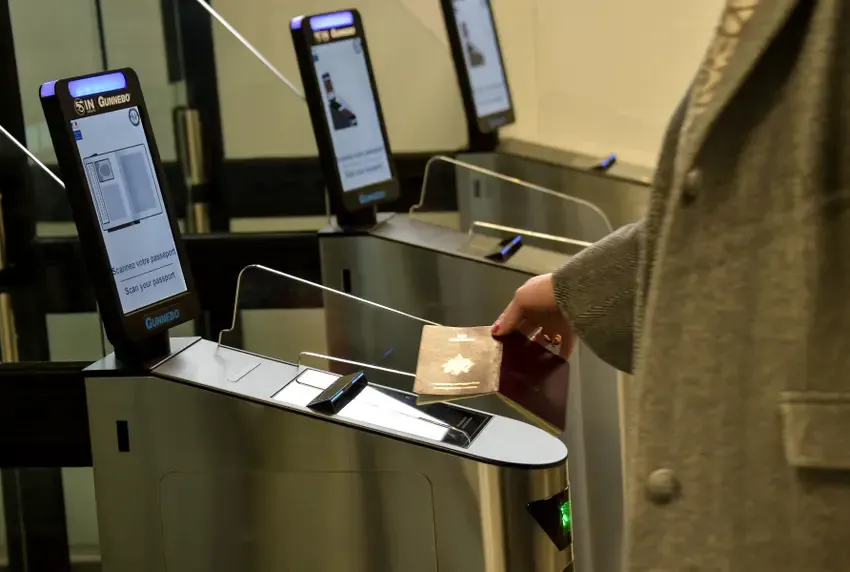
    The Airports Council International (ACI Europe) and Airlines for Europe (A4E) have reported that the continued roll out of the EU’s Entry/Exit System (EES), in which passengers give finger prints and facial scans, is causing more and more delays around Europe. 

    The two organisation said in a joint statement on Monday that since March 10th, when the registration of 50 per cent of third country nationals travelling to the Schengen area became mandatory, there has been “a continued deterioration in waiting times at border crossing points”.

    READ MORE about EES passport checks

    “Waiting times are now regularly reaching up to two hours at peak traffic times, with some airports reporting even longer queues,” the groups added.

    This happens “despite the continued use by border control authorities of both the partial and full suspension of EES processes … during travel peaks,” the statement read.

    A spokesperson for ACI Europe said that, based on a survey conducted by the group, “several airports across Europe have had to partially or fully suspend the EES, including those in France, Italy, Spain, Portugal, Greece, Switzerland, Belgium and Germany”.

    READ MORE: EES border checks catch 4,000 over-stayers

    “Of those, Belgium, Greece, Portugal and Italy have seen some of the longest waiting times”, with airports of all sizes affected, including Brussels International in Belgium, Torino and Milan Malpensa in Italy, and Frankfurt Airport in Germany, “to name just a few.”

    She added that the list was “not exhaustive”.

    “It is clear that the issue is affecting a wide range of airports across Europe and has even led to passengers missing flights,” she said.

    The EES has being introduced gradually since October 12th 2025 across the 29 countries of the Schengen area (25 EU member states plus Iceland, Norway, Switzerland, and Liechtenstein) with the deadline for full implementation April 9th 2026.

    “With the next critical milestones approaching – namely the requirement to register 100 per cent of third country nationals as of March 31st, followed by the end of the transition period on April 9th – airports and airlines warn that the situation risks deteriorating further,” the groups said in a statement.

    “From that point onwards, Member States will no longer be able to fully suspend the system in response to operational pressures, removing a key safeguard currently used to manage peak demand,” the statement said.

    The two organisations point at persisting problems regarding border control staff shortages, technical and maintenance issues with self-service kiosks, limited use of automated border control gates, reliability of the central IT system, and lack of availability of the EES preregistration app, currently deployed only in Sweden and Portugal.

    EES flexibility

    The two organisations called on the European Commission and EU Member States to “extend the possibility to fully or partially suspend… during the entirety of the 2026 summer season” and, if necessary, during winter too.

    A European Commission spokesperson said in January that member States will be able to partially suspend the EES over the summer. “After the completion of the roll-out, Member States will still be able to partially suspend EES operations where necessary during a period of an additional 90 days with a possible 60-day extension to cover the summer peak,” Markus Lammert said.

    “This will give Member States the necessary tools to manage potential extended queues,” he added

    Biometric registration

    The EES, which collects digital personal records of visitors from third countries and replaces the manual stamping of passports, requires passengers to register fingerprints and facial images the first time they cross an external Schengen border. The data is recorded in a Europe-wide database tracking each time travellers enter and exit the Schengen area, to avoid people staying beyond the limits of the 90/180 day rule.

    Last week the British government urged UK tourists travelling to the Schengen area around Easter to allow additional time and follow travel operators’ guidance. “As with all journeys, travellers should follow their travel operator’s guidance and allow time to complete these checks, particularly if they have connections or onward transport booked,” the government note said.

    Read More

  • 2026 NFL Mock Draft: Every First-Round Pick Gets Traded!

    2026 NFL Mock Draft: Every First-Round Pick Gets Traded!


    In a public response to a recent proposal by the Cleveland Browns to allow NFL teams the ability to trade draft picks five years out, Los Angeles Rams president Kevin Demoff wrote on social media, “Nothing creates more interest in the NFL than trades… More picks to trade = more trades = more interest and team-building options.”

    We took those words to heart in this mock draft, projecting trades for every pick of the first round. Not all these trades will occur, obviously. But this exercise is intended to demonstrate which teams have the draft capital to be aggressive and which fan bases should be fully expecting their favorite clubs to trade down, rather than stick and pick. 

    FIRST ROUND

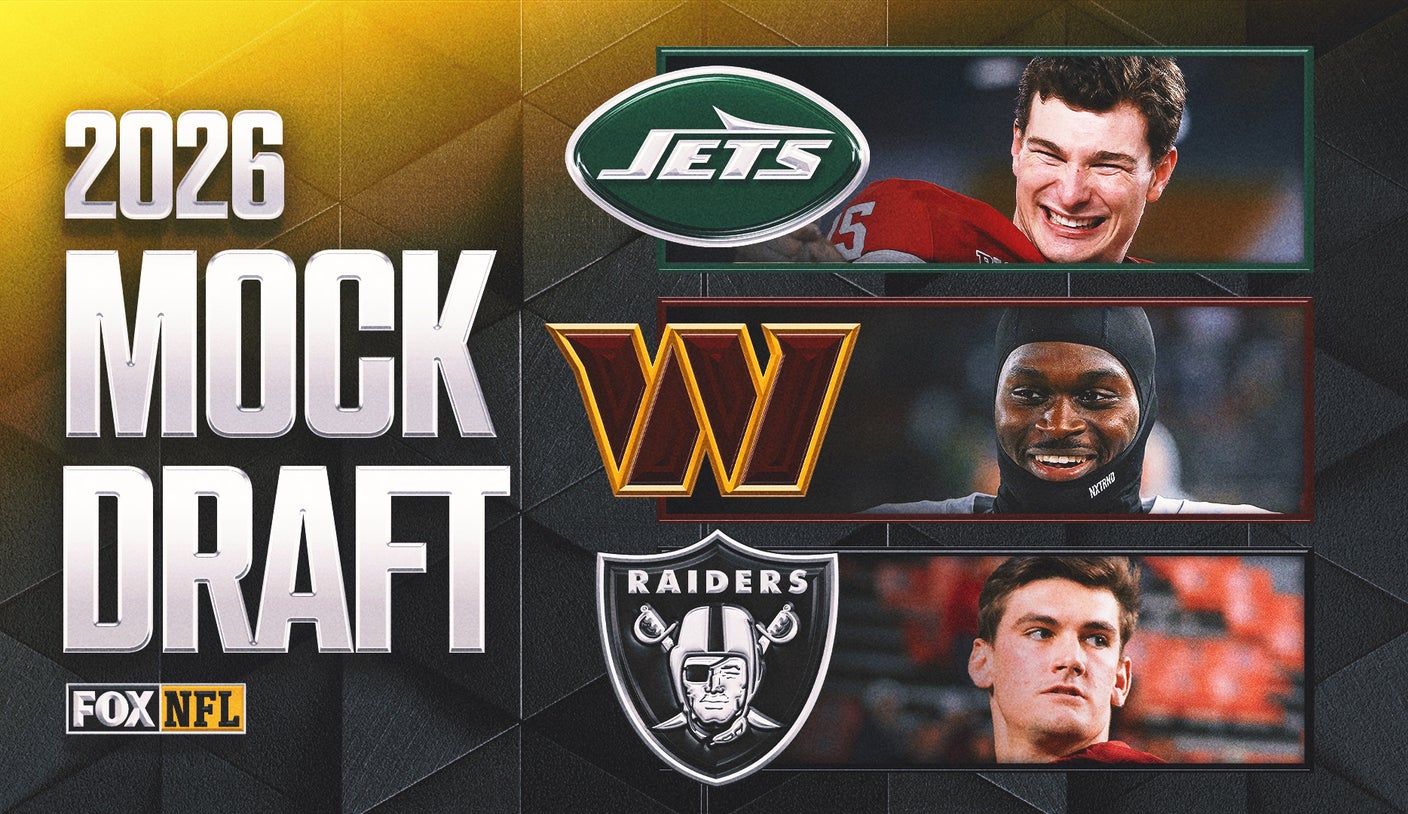
    1. New York Jets (from Raiders): Fernando Mendoza, QB, Indiana 

    To be clear, I don’t think there is any way the Raiders trade the No. 1 overall pick. They currently have just one QB on their roster (Aidan O’Connell) and a huge part of their recruitment of new head coach Klint Kubiak was surely the opportunity to select Mendoza, a terrific fit for his offense. However, the Jets have the assets necessary to tempt the Raiders and their actions this offseason — including the Nos. 2, 16 and 44 picks in this draft. Moreover, their decision to retain Breece Hall, sign veteran LB Demario Davis and trade for both Geno Smith and Minkah Fitzpatrick speak to the urgency GM Darren Mougey and head coach Aaron Glenn are operating with to save their jobs. Mendoza has the talent and intangibles to handle the unique pressure of playing in the country’s largest media market, and he wouldn’t be forced onto the field early with Smith already on the roster. 

    QB Fernando Mendoza #15 of the Indiana Hoosiers smiles on the podium following the Indiana Hoosiers versus the Miami Hurricanes College Football Playoff National Championship Game Presented by AT&T on January 19, 2026, at Hard Rock Stadium in Miami Gardens, FL. (Photo by Peter Joneleit/Icon Sportswire via Getty Images)

    2. Las Vegas Raiders (from Jets): Arvell Reese, LB, Ohio State

    The Jets would have to pay plenty to move up to the first pick for Mendoza. While I’m still not convinced the Raiders would do it, if they liked any other quarterbacks in this class, the possibility exists. Reese’s ability to play both off-ball linebacker and attack off the edge opposite Maxx Crosby is certainly intriguing, especially given his ability to spy the mobile quarterbacks of the AFC West. 

    3. Washington Commanders (from Cardinals): Jeremiyah Love, RB, Notre Dame

    If the Commanders are really serious about protecting Jayden Daniels, they’ll insulate him with a dynamic runner and won’t risk losing the opportunity to draft him by waiting until they are on the clock at No. 7 overall. With just six draft picks in 2026 (including no second-round selection), Washington would have to be bold, indeed, to make this move, likely having to trade not only this year’s first round pick but next year’s, as well.

    4. Kansas City Chiefs (from Titans): Sonny Styles, LB, Ohio State 

    Jumping from the No. 9 selection to No. 4 overall would likely cost the Chiefs at least their third- (No. 74) and fourth-round (No. 109) picks this year, but adding a difference-maker like Styles would be worth it. The Chiefs need to find a new star to build a reshuffled defense around, and with the dynamic dual-threat quarterbacks in the AFC West, the speedy Styles would be an excellent choice. 

    5. Miami Dolphins (from Giants): Carnell Tate, WR, Ohio State

    The Dolphins are looking for new playmakers after an offseason in which longtime stalwarts Tua Tagovailoa and Jaylen Waddle (and Tyreek Hill) have been cast aside. New QB1 Malik Willis has little chance at success if the Dolphins don’t give him some weapons. With an NFL-best seven picks among the top 94 — beginning with the No. 11 pick — and 11 overall, Miami has the draft capital needed to be aggressive. 

    Carnell Tate #17 of the Ohio State Buckeyes participates in drills during 2026 Ohio State Pro Day at Woody Hayes Athletic Center on March 25, 2026 in Columbus, Ohio.  (Photo by Jason Mowry/Getty Images)

    6. Dallas Cowboys (from Browns): David Bailey, Edge, Texas Tech 

    Jerry Jones is perennially in win-now mode, but with longtime NFC East rival Washington making the splashy trade up to secure star running back Jeremiyah Love a few picks earlier, the Cowboys may react even more aggressively. It might cost the Cowboys both of their first0round picks in the 2026 draft (Nos. 12 and No. 20) to secure the best pass-rusher in this class, but boosting a rush that finished last season tied for 28th in the NFL should be a top priority. 

    7. Arizona Cardinals (from Commanders): Francis Mauigoa, OT, Miami

    New head coach Mike LaFleur inherits a team that finished a distant fourth in the NFL’s top division a year ago. This will not be a one-year rebuild. Adding Washington’s first-round pick in a 2027 draft class that is widely expected to be loaded with QB talent gives LaFleur and general manager Monti Ossenfort plenty of flexibility. For now, adding a bully along the offensive line to help protect that future investment at quarterback makes the most sense. 

    8. Baltimore Ravens (from Saints): Mansoor Delane, CB, LSU

    Delane grew up in Silver Spring, Md., rooting for the Baltimore Ravens, and a bold move up by GM Eric DeCosta to make him the first defensive back drafted in 2026 would undoubtedly be a dream come true for the gifted cornerback. Boosting the secondary could go a long way toward resurrecting Baltimore’s Super Bowl aspirations, making it worth it — at least in my opinion — to consider offering the Saints a couple of middle-round picks (like No. 73 and 136, for example) to do it. 

    9. Tennessee Titans (from Chiefs): Rueben Bain Jr., Edge, Miami

    Pairing Bain — the most violent player in this class — with Jeffery Simmons would be just the sort of move that Robert Saleh would push for at No. 4 overall. The short arm concerns, however, could push him down the board and would certainly make the Titans an early “winner” if they were able to add him, as well as a couple of extra mid-round picks, by trading down. 

    10. Minnesota Vikings (from Bengals): Caleb Downs, S, Ohio State

    Some believe that safeties just aren’t valuable enough in today’s NFL to justify a top-10 selection, but I think Downs’ tape over the past three seasons proves that he is the best player in this draft class. If he slips far enough, some savvy team is going to look brilliant. Sign me up for Downs in Brian Flores’ defense. Minnesota might have to give up both of their third-round picks (Nos. 82 and 97) to pull off a trade into the top 10, but as the signing of Kyler Murray proves, the Vikings aren’t afraid of bold action. 

    Caleb Downs #2 of the Ohio State Buckeyes participates in drills during 2026 Ohio State Pro Day at Woody Hayes Athletic Center on March 25, 2026 in Columbus, Ohio.  (Photo by Jason Mowry/Getty Images)

    11. New York Giants (from Dolphins): Kadyn Proctor, OL, Alabama

    The Giants would be living up to their name with the addition of the 6-foot-7, 352-pound Proctor, who ranks among the most polarizing prospects in this class. John Harbaugh won with massive offensive lines in Baltimore, and I don’t expect his style to change now. Whether it be at tackle or guard, I believe Proctor projects as a decade-long NFL starter. The Dolphins have four picks in the third round this year. The Giants can net at least two of those to move out of the top 10. 

    12. Cleveland Browns (from Cowboys): Spencer Fano, OT, Utah

    The Browns have addressed their offensive line in free agency, but if arguably the most gifted blocker in this class is still on the board after a trade down, they shouldn’t hesitate to take him. With improved blocking and receiving (more on that later), Cleveland can accurately evaluate its young QBs and determine whether Shedeur Sanders or Dillon Gabriel is its long-term answer or if it will, again, be heavily scouting next year’s crop. 

    13. Pittsburgh Steelers (from Rams via Falcons): Vega Ioane, OG, Penn State

    Pittsburgh is hosting the draft this year, and with a league-high 12 draft picks at his disposal, GM Omar Kahn is well-positioned to make a splash for the home crowd. While a gamble on Alabama QB Ty Simpson would make some Steelers fans happy, an investment in the trenches would seemingly be more Pittsburgh’s style, especially if it was done to steal a local fan favorite from Baltimore, the hated divisional rival picking next (who is also thought to view Ioane highly). The rugged Ioane would be an upgrade over free-agent defection Isaac Seumalo and perhaps offer a comfy enough pocket for Aaron Rodgers to return. Trading away two of the five picks the Steelers currently have between Nos. 76 and 161 overall would probably be enough to convince the Rams it’s worth trading back. 

    14. New Orleans Saints (from Ravens): Kenyon Sadiq, TE, Oregon

    The Saints appear to be moving on from veteran Taysom Hill, and Kellen Moore knows as well as anyone that a playmaking tight end can be a huge help for a young quarterback. Sadiq is a remarkable talent just scratching the surface of his potential. To drop down this far, the Saints can expect at least two middle-round selections from Baltimore, as well as the swap of first-round picks. The extra picks could go a long way in resetting this roster to best fit Moore’s vision. 

    15. Philadelphia Eagles (from Buccaneers): Makai Lemon, WR, Southern Cal

    Howie Roseman has put together one of the NFL’s best rosters, making it unlikely that all nine of this year’s draft picks will make the team. Packaging some of those — or even adding next year’s projected third-round compensatory pick (for Jaelan Phillips) to add a skilled, versatile and hungry playmaker like Lemon would provide the club insurance if things get to a breaking point with A.J. Brown. Lemon is a pinball who could feast on the single coverage he would see should Brown remain flying for the Eagles this fall.

    16. Las Vegas Raiders (from Jets via Colts): Denzel Boston, WR, Washington

    One of the few (only?) reasons why the Raiders might consider trading Mendoza at No. 1 overall is the fact that the team currently lacks proven difference-makers at receiver. Boston has the frame and game to contribute immediately, especially given the one-on-one opportunities he’ll likely see with defenses focused on Vegas’ stellar tight ends Brock Bowers and Michael Mayer and promising running back Ashton Jeanty.  

    Denzel Boston #WO08 of Washington participates in a drill during the 2026 NFL Scouting Combine  at Lucas Oil Stadium on February 28, 2026 in Indianapolis, Indiana. (Photo by Cooper Neill/Getty Images)

    17. Carolina Panthers (from Lions): Dillon Thieneman, S, Oregon

    Carolina GM Dan Morgan made a career at middle linebacker anticipating where ballcarriers were headed, and with Thieneman seemingly a perfect fit for the Vikings picking at No. 18 overall (or the Bengals in this scenario), the Panthers might need to trade up to secure his services. The Lions have nine picks but only two of them in the top 117 selections. Carolina might offer their fourth-rounder (#119 overall) as fair compensation for Detroit to move down two spots. 

    18. Cincinnati Bengals (from Vikings): Colton Hood, CB, Tennessee

    In yet another example of a team receiving extra picks in a trade down and yet still filling a key need, the Bengals should be able to take advantage of this year’s quality cornerback depth while moving out of the top 10. Hood has the pure cover skills and untapped potential the Bengals have long prioritized under Duke Tobin. 

    19. Detroit Lions (from Panthers): Caleb Lomu, OT, Utah

    Like the Bengals a pick earlier, the Lions can add to their draft class — acquiring a 10th pick — and still nab a tackle they understandably could be targeting at No. 17 in Lomu. The precocious 6-foot-6, 313-pound redshirt sophomore might one day prove the best tackle of this class. 

    20. Jacksonville Jaguars (from Browns via Cowboys via Packers): Jordyn Tyson, WR, Arizona State 

    The Jaguars refuted offseason reports that 2024 first-round pick Brian Thomas Jr. was on the trade block. They can deal him here, however, and pounce on an opportunity to reset the position with arguably the most talented pass-catcher of this class. Jacksonville and Cleveland have recent trade history, of course, with the Jags boldly moving up in the 2025 draft to select Travis Hunter. This time, they add a dynamic playmaker to complement Hunter and ship another one who doesn’t appear to be in their long-term plans to a franchise desperate for talent at receiver. To complete this trade, Jacksonville would probably have to sweeten the deal with a couple of its 11 draft picks, including three selections in the third round. 

    21. Los Angeles Rams (from Steelers): Omar Cooper Jr., WR, Indiana

    Speaking of the offseason, the aggressive upgrades at cornerback make it clear that the Rams are all-in on another Super Bowl run, so a trade up might seem more likely than moving back. But with so much salary dedicated to some of their stars, GM Les Snead might be looking for young, cheap talent. While the Rams have seven picks to work with in this draft, four of them are between 207-252. Cooper could feast on the one-on-one matchups he’d see with the Rams and replace the jet-sweep possibilities they lost with Tutu Atwell leaving in free agency. 

    22. Miami Dolphins (from Chargers): Aveion Terrell, CB, Clemson 

    Changes on offense have dominated the Dolphins’ offseason, but there are plenty of concerns on defense, as well. Behind likely top-10 pick Mansoor Delane, Terrell — an NFL legacy — is viewed by some scouts as the safest cornerback of this class. The Dolphins have a league-high four picks in the third round to part with. 

    23. Tampa Bay Buccaneers (from Eagles): Keldric Faulk, DL, Auburn

    GM Jason Licht has some retooling to do with Mike Evans now playing for the 49ers and Lavonte David officially retiring this week. Faulk is a 21-year-old, 6-foot-6, 276-pound ball of clay whose best football is ahead of him and quite the consolation prize at this point in the draft following a trade down to add to their seven selections. 

    Keldric Faulk of the Auburn Tigers participates in a drill during the 2026 NFL Scouting Combine at Lucas Oil Stadium on February 26, 2026 in Indianapolis, Indiana. (Photo by Stacy Revere/Getty Images)

    24. Indianapolis Colts (from Browns via Jaguars): Monroe Freeling, OT, Georgia

    Colts GM Chris Ballard might have to trade back into the first round, after shipping his initial top pick a year ago to the Jets for cornerback Sauce Gardner. It would probably take Indy’s second-round pick this year (No. 47) and another Day 2 selection next year to move up this far, but the club would be wise to give young right tackle Jalen Travis quality competition to replace longtime standout Braden Smith

    25. New England Patriots (from Bears): Emmanuel McNeil-Warren, S, Toledo

    The Patriots got an up-close look at Seahawks rising star Nick Emmanwori in the Super Bowl. And given the talent the Pats already have at cornerback, one couldn’t blame general manager Eliot Wolf if he saw McNeil-Warren, who boasts comparable size and athleticism to Emmanwori, as capable of making a similar type of immediate impact on New England’s defense. The Pats have 11 draft picks in 2026, and they can be aggressive with them in hopes of returning to the Super Bowl. 

    26. Houston Texans (from Bills): Kayden McDonald, DT, Ohio State

    In a case of the rich getting richer, the Texans boost one of the league’s dominant defenses with this year’s top interior lineman. Houston might be able to get McDonald at No. 28 overall, but they shouldn’t balk at giving up a Day 3 pick if it means ensuring they land one of the few nose guards with legitimate pass rush ability. 

    27. Kansas City Chiefs (from 49ers): Chris Johnson, CB, San Diego State

    Packaging the No. 29 overall selection acquired in the deal with the Los Angeles Rams that sent cornerback Trent McDuffie to the NFC, the Chiefs boldly move up to land a similarly smooth cover-corner in Johnson, the reigning Mountain West Defensive Player of the Year.  

    28. Buffalo Bills (from Texans): Cashius Howell, Edge, Texas A&M

    The Bills must add pass-rushers, and Howell is among the elite QB hunters of this draft class. He lacks the frame some teams require at the position, but his burst and bend off the edge could make him a 10-plus sack artist in the NFL. In this scenario, the Bills likely could pry pick No. 141 — the first pick of the fifth round — from Houston to move down two spots. 

    Cashius Howell #DL41 of Texas A&M participates in a drill during the 2026 NFL Scouting Combine at Lucas Oil Stadium on February 26, 2026 in Indianapolis, Indiana. (Photo by Cooper Neill/Getty Images)

    29. San Francisco 49ers (from Chiefs via Rams): KC Concepcion, WR, Texas A&M

    Even after the signings of veterans Mike Evans and Christian Kirk, the 49ers have been kicking the tires on several wideouts expected to be drafted in the first round. San Francisco knows all too well the impact that Rashid Shaheed had for the Seahawks a year ago. Concepcion is a similar brand of playmaker in the receiving, running and return game. The 49ers should be able to get at least Kansas City’s fifth-round pick (#148) for this small move down, which would give San Francisco an enviable five picks in a 22-selection span early on Day 3. 

    30. Los Angeles Chargers (from Dolphins via Broncos): Emmanuel Pregnon, OG, Oregon

    The Chargers enter the draft with just five picks. They happily add one of the Eagles’ three Day 2 picks while still reinforcing the interior of their offensive line with the powerful and pro-ready Pregnon. 

    31. Chicago Bears (from Patriots): Malachi Lawrence, Edge, UCF

    The Bears enter the draft with seven selections, but that number is deceiving as they have a 110 pick gap on Day 3 between the fourth and seventh rounds. I expect Bears GM Ryan Poles will trade down at some point to bridge that gap. If he can do so early and still get a dynamic edge rusher (who, frankly, should be in consideration with their original pick at No. 25), Poles will be giving the Bears their best chance for the kind of draft class that can spring a Super Bowl run. 

    32. Las Vegas Raiders (from Seahawks): Ty Simpson, QB, Alabama

    I cannot see a way in which the Raiders end the first round of the 2026 NFL draft without adding another quarterback to the roster. Given the connections Kubiak has with Seattle, a trade with the defending Super Bowl champs might be his last, good opportunity to do so. Simpson possesses the IQ, accuracy and mobility to be successful in Kubiak’s scheme. He might very well be available at No. 36, but the fifth-year option on the rookie contract all first rounders receive makes it more responsible financially to draft quarterbacks in the first round. To pry this pick from the Seahawks, the Raiders give up No. 36 overall, as well as veteran defensive end Tyree Wilson

    SECOND ROUND (*teams without a first-round pick)

    36. Seattle Seahawks (from Raiders): Jadarian Price, RB, Notre Dame

    The Seahawks are Super Bowl champions, but with a league-low four draft picks, winning this year’s draft is going to be nearly impossible. Adding a back with a skill set well-suited to their wide zone running scheme would be a good start, however, especially if in doing so, Seattle also received veteran edge rusher Tyree Wilson. 

    Jadarian Price #RB15 of Notre Dame runs the 40-yard dash during the 2026 NFL Scouting Combine  at Lucas Oil Stadium on February 28, 2026 in Indianapolis, Indiana. (Photo by Cooper Neill/Getty Images)

    44. Green Bay Packers (from Falcons): Lee Hunter, DT, Texas Tech

    Even after trading away their top pick for Micah Parsons, the Packers still have seven selections in this draft. But five of those are on Day 3, giving GM Brian Gutekunst minimal flexibility to move up. Adding a true nose guard is critical to the run defense, however, and the Packers don’t want to risk losing on a talent like the block-eating Hunter, so offering the Falcons No. 52 overall, as well as this year’s fifth-round pick (No. 160) might do the trick.  

    52. Atlanta Falcons (from Titans via Chiefs): R Mason Thomas, Edge, Oklahoma

    Ian Cunningham wasn’t with the Falcons last year when the club traded up to select James Pearce Jr. With the star pass-rusher currently facing multiple felony charges, the new Falcons GM might have little choice but to seek a replacement. Thomas has the burst to wreak havoc off the edge, and a trade with Green Bay would net the Falcons at least one more selection. Atlanta has just five picks in 2026, with a league-low two of them among the top-100 selections. 

    54. Denver Broncos (from Buccaneers via Eagles): Eli Stowers, TE, Vanderbilt

    As it stands now, the Broncos’ first pick in the 2026 draft is No. 62 overall, significantly lower than any other NFL team. Of course, that is because Denver exchanged their top original first-round slot for speedy Dolphins wideout Jaylen Waddle. Doubling down on that decision with another aggressive trade for a playmaking pass-catcher like Stowers seems like a Sean Payton-type move, and this time it might only cost the Broncos’ the second of their two third-round picks (No. 111) this year. 

    Read More

  • Barbie Dream Fest in Florida to issue refunds after fan complaints

    Barbie Dream Fest in Florida to issue refunds after fan complaints


    Fans, who paid up to $450 (£340), complained of a grey convention centre backdrop and a “swag bag” that included only a plastic pouch with a Barbie hand sanitiser.

    Read More

  • Alphabet Shares Hover Near Buy Territory As AI Momentum Offsets Macro Headwinds, Analysts Say

    Alphabet Shares Hover Near Buy Territory As AI Momentum Offsets Macro Headwinds, Analysts Say


    Alphabet Inc.’s Class C shares (GOOG) traded around $274.92 midday Tuesday in New York, up 0.42% on the session, as investors weighed the tech giant’s aggressive artificial intelligence investments against broader market volatility and looming regulatory risks.

    Having won a court ruling that Google had a monopoly in online ad technology, US attorneys could recommend that the tech titan be order to spin off its ad exchange operations
    AFP

    The Mountain View, California-based company, whose Google dominates online search and advertising, has seen its stock pull back from February highs near $349 amid concerns over heavy capital spending on AI infrastructure. Yet many Wall Street analysts maintain a “Strong Buy” consensus, with average price targets suggesting 20-30% upside over the next 12 months.

    Alphabet reported robust full-year 2025 results in early February, with consolidated revenue climbing 15% to a record $402.8 billion, surpassing $400 billion for the first time. Fourth-quarter revenue jumped 18% to $113.8 billion, beating estimates, while earnings per share rose 31% to $2.82. Google Cloud revenue surged 48% in the quarter to $17.7 billion, driven by demand for AI infrastructure and solutions, with operating margins expanding sharply.

    “Google Search & other” revenue grew 17% in the fourth quarter, while YouTube ads and subscriptions pushed annual YouTube revenue above $60 billion. Subscriptions across consumer services, including Google One and YouTube Premium, now exceed 325 million paid users.

    CEO Sundar Pichai highlighted momentum in AI during the earnings call. The Gemini app reached more than 750 million monthly active users, and the company’s first-party models process over 10 billion tokens per minute via API. Pichai pointed to AI-driven expansion in Search usage and accelerating growth across the business.

    Alphabet guided for 2026 capital expenditures between $175 billion and $185 billion, primarily for AI data centers and infrastructure. That hefty outlay has weighed on sentiment in recent weeks, contributing to a roughly 12% year-to-date decline through late March as part of a broader “Magnificent 7” tech selloff that erased hundreds of billions in market value.

    Yet analysts largely view the spending as a necessary moat. Google Cloud ended 2025 with an annual run rate above $70 billion. Recent updates to Gemini, including the 3.1 Pro model for complex reasoning and Nano Banana 2 for faster image generation, underscore Alphabet’s push to integrate AI across products.

    Waymo, Alphabet’s autonomous driving unit, continues expanding robotaxi operations in U.S. cities and introduced the Waymo World Model in February — a generative AI system for hyper-realistic simulation built on DeepMind’s Genie 3. The technology aims to accelerate safe scaling of self-driving fleets by simulating rare real-world scenarios.

    From an Australian perspective, Alphabet’s performance matters for local investors and businesses. Google commands a dominant share of search and digital advertising in Australia, where online ads fuel much of the company’s revenue. Australian companies increasingly adopt Google Cloud for AI workloads, while consumers rely on Gemini tools and YouTube, which has become a key platform for local creators and advertisers.

    Regulatory clouds persist. The U.S. Department of Justice continues pursuing antitrust cases against Google, including appeals in the search monopoly ruling and ad tech litigation. In March, a U.S. judge dismissed a lawsuit from news publishers accusing Google of exploiting content without compensation, though broader remedies could still reshape distribution deals or data sharing.

    Alphabet is appealing certain aspects while arguing that innovation, not illegal conduct, drives its success. Markets have so far shrugged off the legal risks; the stock rose sharply in 2025 despite court losses, reflecting confidence in underlying growth.

    Valuation remains reasonable relative to growth prospects. The trailing price-to-earnings ratio sits around 25.4, with a forward P/E near 23-24. Market capitalization hovers near $3.3 trillion to $3.6 trillion depending on daily moves. Free cash flow generation stays strong, supporting the dividend — yielding about 0.31% — and ongoing share buybacks.

    Analyst sentiment tilts bullish. Consensus ratings from dozens of firms cluster at “Buy” or “Strong Buy,” with 12-month price targets averaging roughly $345 to $385, implying significant upside from current levels. Some targets reach as high as $420, while a handful sit lower around $190-270 in more cautious scenarios. Recent upgrades from firms like Scotiabank (to $400) and Raymond James (Strong Buy at $400) cite AI leadership across large language models, cloud infrastructure via custom TPUs, consumer reach in Search, and enterprise adoption.

    Motley Fool contributors and Zacks analysts have debated near-term headwinds from macro factors and capex, rating the stock a Hold in some contexts but acknowledging long-term potential. One recent analysis noted the stock’s slight decline amid broader tech weakness but highlighted resilient fundamentals.

    Cloud growth and AI monetization could offset any near-term margin pressure from spending. Google Cloud’s backlog has expanded rapidly, and AI-related products are seeing uptake among enterprises.

    Risks include intensified competition in AI from OpenAI, Anthropic and others, potential slowdowns in ad spending if economic conditions weaken, and execution challenges on massive infrastructure builds. Currency fluctuations affect reported results, though constant-currency growth remains solid.

    For Australian investors, currency exposure adds another layer: the Australian dollar’s movements against the U.S. dollar influence returns on U.S.-listed shares. Many access GOOG or the voting Class A shares (GOOGL) via local brokers or exchange-traded funds tracking U.S. tech or Nasdaq.

    Pichai and the leadership team have emphasized disciplined AI investment while maintaining profitability. Operating margins held steady around 32% in the fourth quarter despite higher R&D and other costs, including a one-time employee compensation charge tied to Waymo.

    Looking ahead, the next earnings report in late April will provide fresh insight into Q1 performance and any updates on capex or AI traction. Analysts will scrutinize whether Cloud acceleration continues and how Gemini integrations drive Search and YouTube engagement.

    In the meantime, the stock’s recent pullback has some long-term investors viewing it as an entry point. With no sell ratings in many consensus tallies and broad recognition of Alphabet’s diversified moats — from advertising scale to cloud and emerging bets like Waymo — the prevailing view is that AI tailwinds will ultimately reward patience.

    Whether GOOG qualifies as a “buy now” depends on time horizon and risk tolerance. Short-term traders may hesitate amid volatility and macro uncertainty, including interest rate expectations and tech sector rotations. Longer-term investors focused on AI infrastructure and digital dominance see compelling value, especially if the stock remains depressed relative to optimistic targets.

    Alphabet has navigated regulatory scrutiny, competitive pressures and massive technological shifts before. Its latest chapter centers on turning heavy AI bets into sustained revenue and profit growth while defending core businesses.

    From Sydney trading desks to Melbourne superannuation funds, the question echoes: Can Google’s AI leadership convert into shareholder returns that outpace the broader market? Early signals from earnings, product updates and analyst targets suggest many believe the answer is yes — provided execution matches ambition in the year ahead.

    Read More

  • Azerbaijani national football team wins international tournament

    Azerbaijani national football team wins international tournament


    Azerbaijani national football team wins international tournament

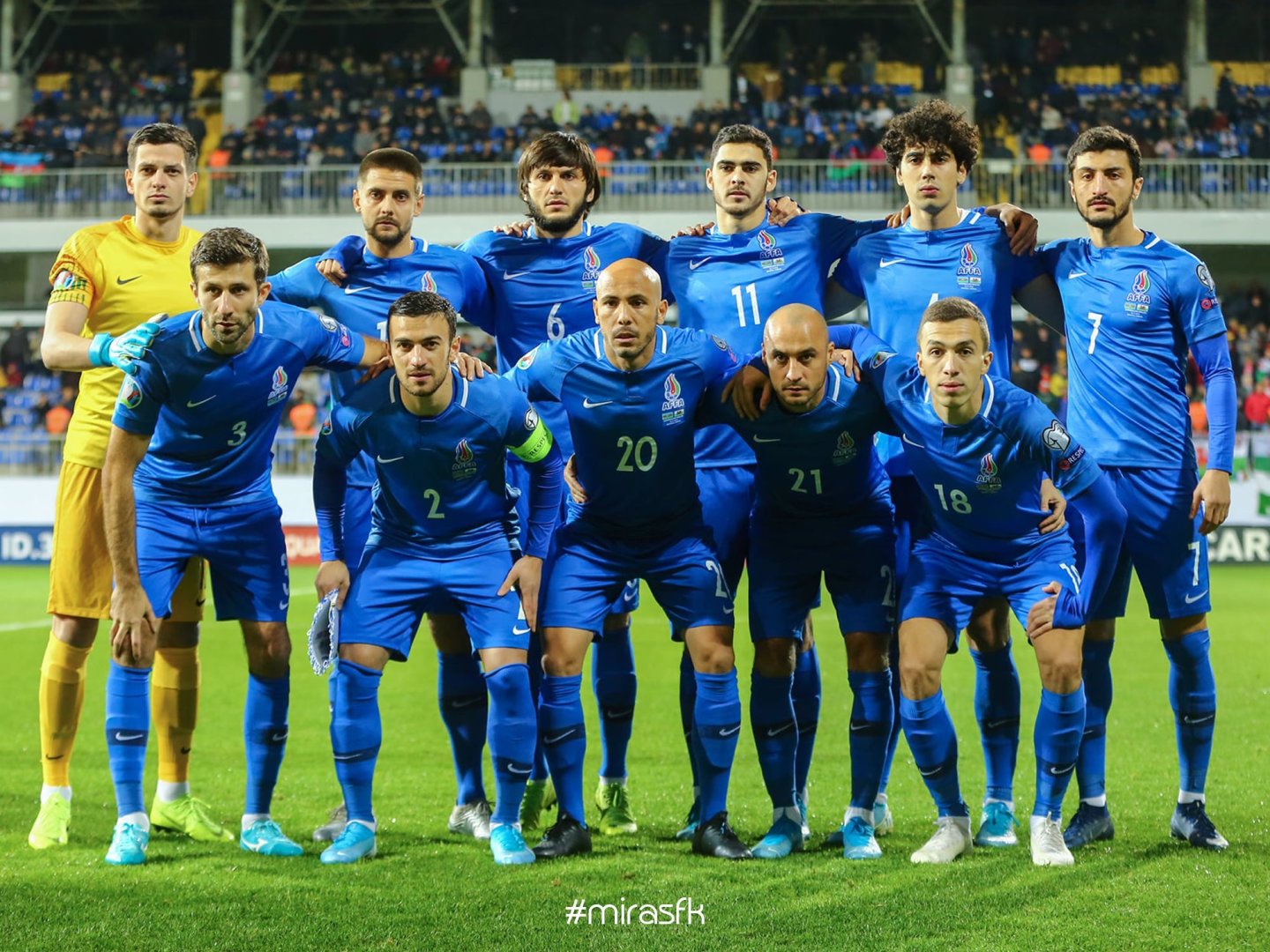
    BAKU, Azerbaijan, March 30. The Azerbaijan
    national football team played its final match in the FIFA Series –
    2026 international tournament, Trend reports.

    The Azerbaijani team faced Sierra Leone.

    Since the regular time of the match, held at the Mehdi
    Huseynzade Stadium in Sumgait, ended in a 1:1 draw, a penalty
    shootout was held. Azerbaijan’s players proved more accurate in the
    shootout (9:8), becoming the winners of the international
    tournament.


    The Sierra Leone team finished in second place.

    Read More

  • UK to hike price of Electronic Travel Authorisation for foreign travellers

    UK to hike price of Electronic Travel Authorisation for foreign travellers


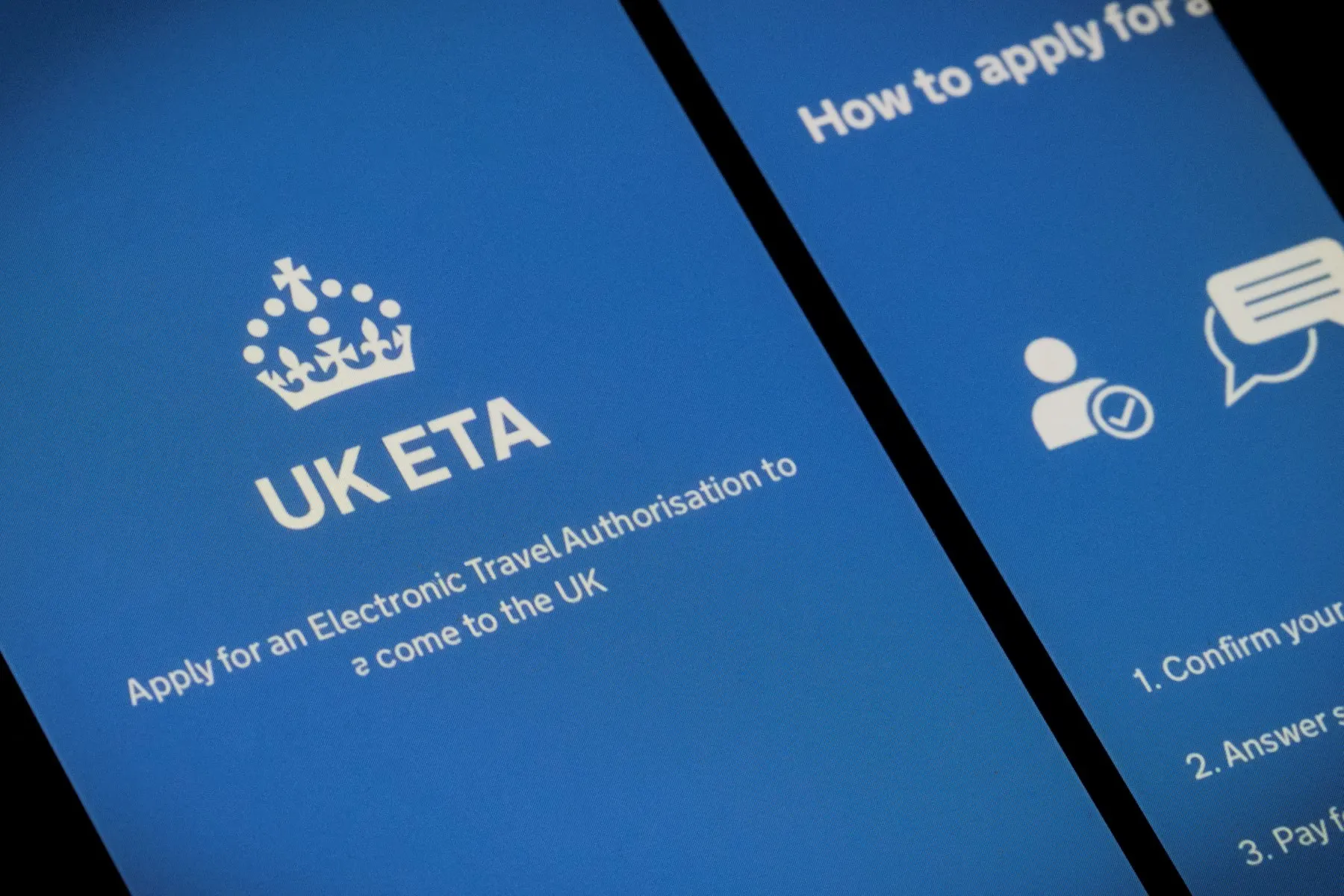
    The UK government is set to further increase the cost of the Electronic Travel Authorisation (ETA) for travellers from Europe, coinciding with the implementation of tougher entry rules.

    The UK government is set to hike the cost of its new Electronic Travel Authorisation (ETA) by a further 25 percent.

    From April 8th the fee will rise from £16 to £20 (€18 to €23), a 25 percent increase. This follows a previous increase from £10 to £16 that was implemented in 2025. 

    “As with all our fees, the cost of an ETA is kept under review, and we intend to increase the cost of an ETA to £20 in the future. We will provide more information in due course,” a previous statement from the Home Office said.

    The rise would roughly bring the ETA price in line with the EU’s ETIAS travel authorisation coming in at end of 2026, which will be €20.

    READ ALSO: When will Europe roll out its ETIAS visa waiver for non-EU travellers?

    The UK first introduced its Electronic Travel Authorisation (ETA) in 2023, gradually rolling it out so that by April 2025 it was compulsory for anyone entering the UK – with the exception of those travelling on a UK or Irish passport.

    This implementation phase ended in February 2026, with the UK now imposing the rules more strictly.

    The UK government has said foreign travellers who don’t have the ETA will be denied entry, or denied boarding if travelling by plane.

    The Local has reported how the rules have led to young dual national Britons being stranded abroad because the Home Office now insists they need a valid British passport to enter the UK.

    READ ALSO: Young British dual nationals barred from flights home over new passport rules

    Advertisement

    What is ETA?

    The Electronic Travel Authorisation is essentially a visa waiver.

    Its introduction ends paperwork-free travel to the UK for people from countries where a visa is not required for a short stay – including Americans, Canadian, Australians and citizens of all EU/EEA countries.

    Only people who are travelling on a valid UK or Irish passport are exempt from the new requirement. People who have a British long-stay visa or residency status should show that at the border instead.

    There is no exemption for EU nationals who are married to a British citizen.

    Travellers must apply for the ETA in advance of travel, and it can only be obtained online – find full instructions on how to get one HERE.

    Advertisement

    An ETA must be obtained for each traveller, including children.

    It is advised to apply for it at least three days in advance of travel, although the UK government says that “most applications are processed in minutes”. Once obtained, it is valid for two years – unless you get a new passport during that period.

    Be careful that you are on the correct Gov.uk website or app, there are a lot of scam websites, as well as companies that will charge you far in excess of the official fee to get the ETA for you. 

    Read More

  • Three UN peacekeepers killed in south Lebanon in 24 hours amid Israel-Hezbollah conflict

    Three UN peacekeepers killed in south Lebanon in 24 hours amid Israel-Hezbollah conflict


    United Nations peacekeepers, who for decades have served as a buffer between Israel and Lebanon, have seen three of their comrades killed and several others wounded since the latest war erupted between Israel and Hezbollah.

    The mandate for the UN force in south Lebanon expires at the end of this year

    Here are the key facts about the role of Lebanon’s ‘Blue Helmets’ in the current conflict.

    In the firing line

    The United Nations Interim Force in Lebanon (UNIFIL) patrols the area around the country’s southern border, where Hezbollah and Israel began clashing this month after the Iran-backed group drew Lebanon into the Middle East war by firing rockets at Israel.

    Israeli forces have been pushing into areas north of the frontier, and officials have announced plans to establish a buffer zone up to the Litani River, around 30 kilometres (20 miles) from Israel.

    On Monday, two Indonesian peacekeepers were killed when “an explosion of unknown origin destroyed their vehicle”, wounding at least two others, the force said.*

    Read moreMiddle East war live: UN says two additional peacekeepers killed in south Lebanon explosion

    The day before, another Indonesian peacekeeper was killed and three others wounded when a projectile, also of undetermined origin, exploded near a UNIFIL position.

    And earlier this month, three Ghanaian peacekeepers were wounded when their base was hit, with Lebanese President Joseph Aoun accusing Israel of being responsible and UNIFIL saying it would investigate.

    Over the years since its mission began in 1978, the force has lost around 340 members.

    Visiting UN chief Antonio Guterres this month said attacks against peacekeepers and their positions were “completely unacceptable … and may constitute war crimes“.

    Ceasefire monitors

    UNIFIL was set up in 1978 to monitor the withdrawal of Israeli forces after they invaded Lebanon to stem Palestinian attacks targeting northern Israel.

    Israel again invaded in 1982, only withdrawing from south Lebanon in 2000.

    After a 2006 war between Israel and Hezbollah, UN Security Council Resolution 1701 bolstered UNIFIL’s role and its peacekeepers were tasked with monitoring the ceasefire between the two sides.

    UNIFIL vehicles drive on a main road in Qlayaa, southern Lebanon on March 27, 2026
    UNIFIL vehicles drive on a main road in Qlayaa, southern Lebanon on March 27, 2026. © Karamallah Daher, Reuters

    UNIFIL patrols the Blue Line, the 120-kilometre (75-mile) de facto border between Lebanon and Israel, in coordination with the Lebanese army. It also has a maritime task force that supports Lebanon’s navy.

    The mission has its headquarters south Lebanon’s Naqura, which in recent years has hosted indirect border negotiations between Lebanon and Israel.

    Following a November 2024 ceasefire that sought to end more than a year of hostilities between Israel and Hezbollah over the Gaza war, UNIFIL became part of a five-member committee supervising that truce.

    Under pressure from the United States and Israel, the UN Security Council voted last year to end the force’s mandate on December 31, 2026, with an “orderly and safe drawdown and withdrawal” by the end of 2027.

    International force

    The mission currently involves around 8,200 peacekeepers from 47 countries, according to the force’s website.

    Top troop-contributing countries include Italy, Indonesia, Spain, India, Ghana, France, Nepal and Malaysia.

    Italy’s Major General Diodato Abagnara has headed the mission since June 2025.

    UNIFIL patrols have occasionally faced harassment, though confrontations are typically defused by the Lebanese army.

    In December 2022, an Irish peacekeeper was killed and three colleagues wounded when their convoy came under fire in south Lebanon.

    Border area

    Resolution 1701 of 2006 called for the Lebanese army and UN peacekeepers to be the only armed forces deployed in the country’s south.

    UNIFIL had been supporting the army in dismantling Hezbollah infrastructure near the border in the months before the latest hostilities erupted, in line with a Lebanese government decision to disarm the militants following the 2024 truce.

    Hezbollah has long held sway over swathes of the south and has built tunnels and hideouts there, despite not having had a visible military presence in the border area since 2006.

    What comes next?

    Lebanese authorities want a continued international troop presence in the south after UNIFIL’s exit, and have been urging European countries to stay.

    Last month, French Foreign Minister Jean-Noël Barrot said Lebanon’s army should replace the force when the peacekeepers withdraw.

    Italy has said it intends to keep a military presence in Lebanon after UNIFIL leaves.

    (FRANCE 24 with AFP)

    Read More