Blog

  • Ground staff begin Easter strike at 12 airports in Spain

    Ground staff begin Easter strike at 12 airports in Spain


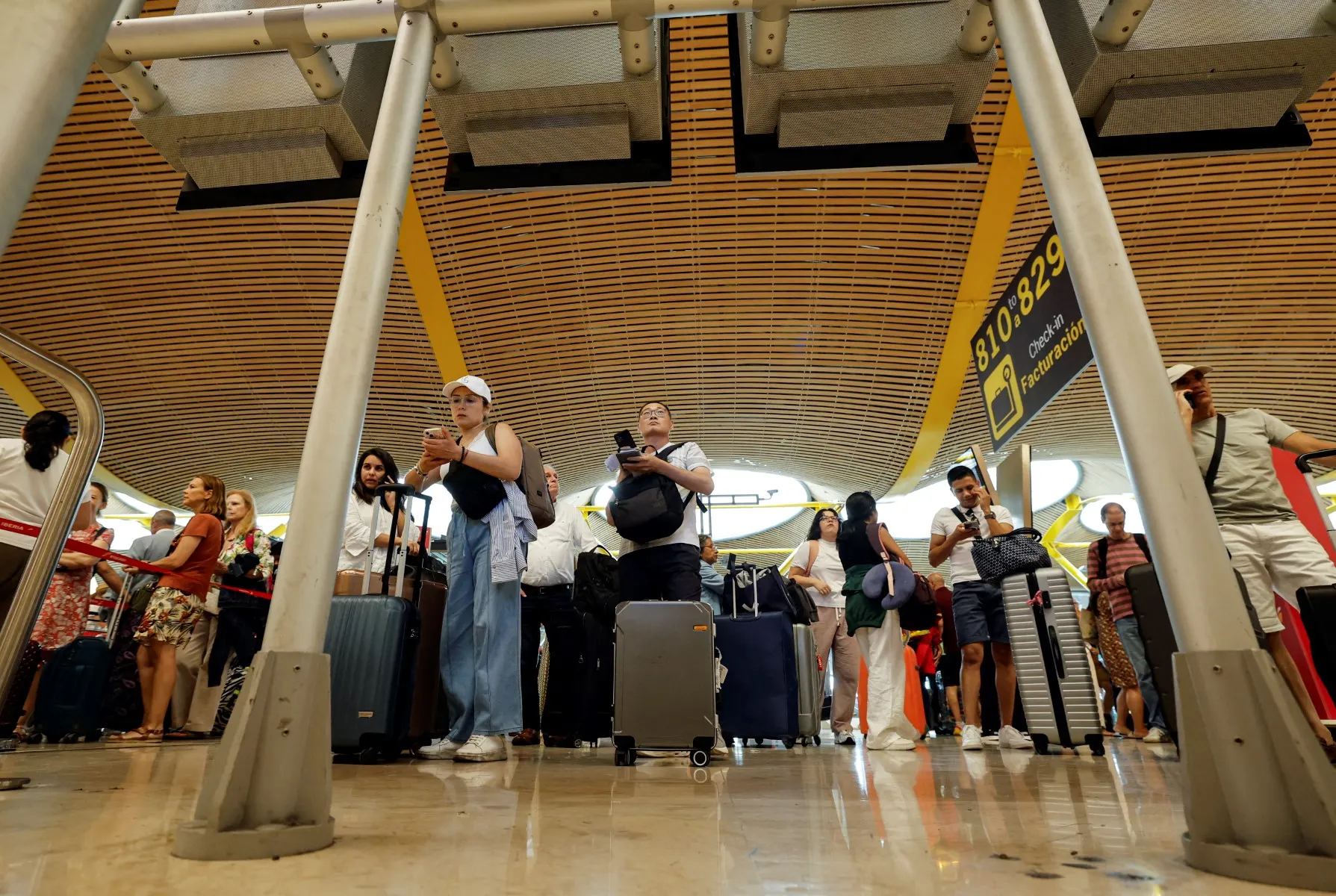
    Monday March 30th marks the start of a series of stoppages by ground handling staff at airports across Spain this Easter. Here’s what you need to know if you’re travelling to or from Spanish airports over the holiday period.

    Read More

  • Can foreign residents apply for it?

    Can foreign residents apply for it?


    After a failed referendum in 2021, the Swiss government’s push for the electronic identity card was finally approved at the ballot box on September 28th, 2025. What’s next?

    Read More

  • New Paris mayor promises urgent action over alleged sexual abuse in schools

    New Paris mayor promises urgent action over alleged sexual abuse in schools


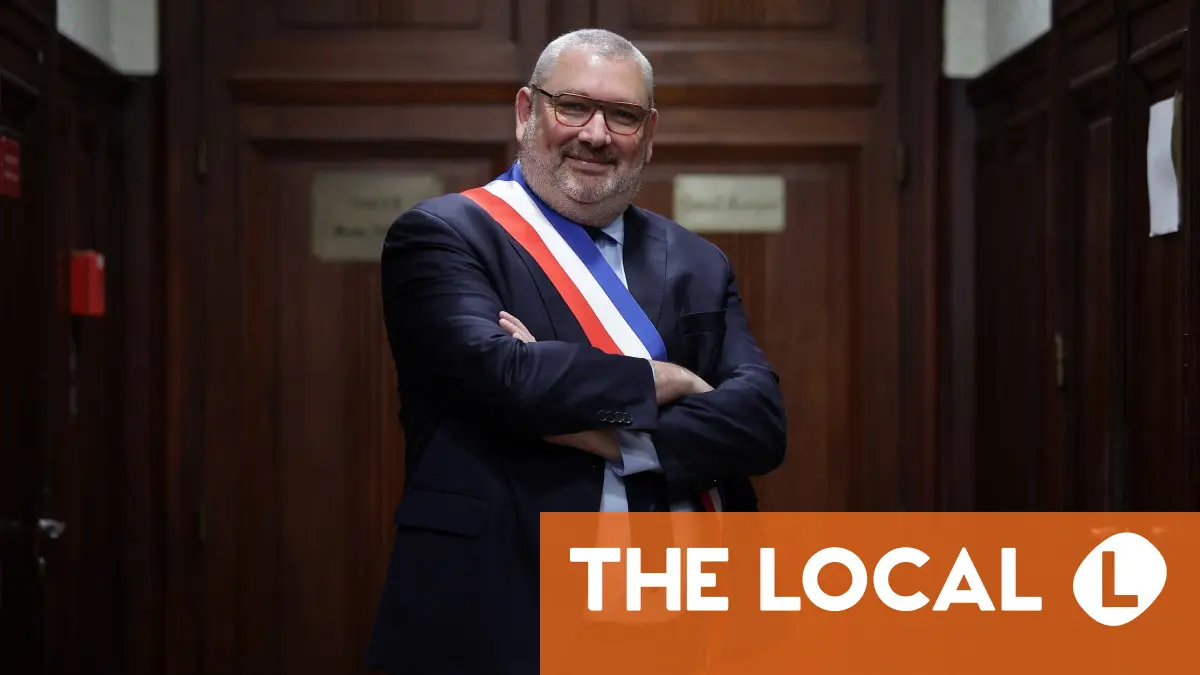
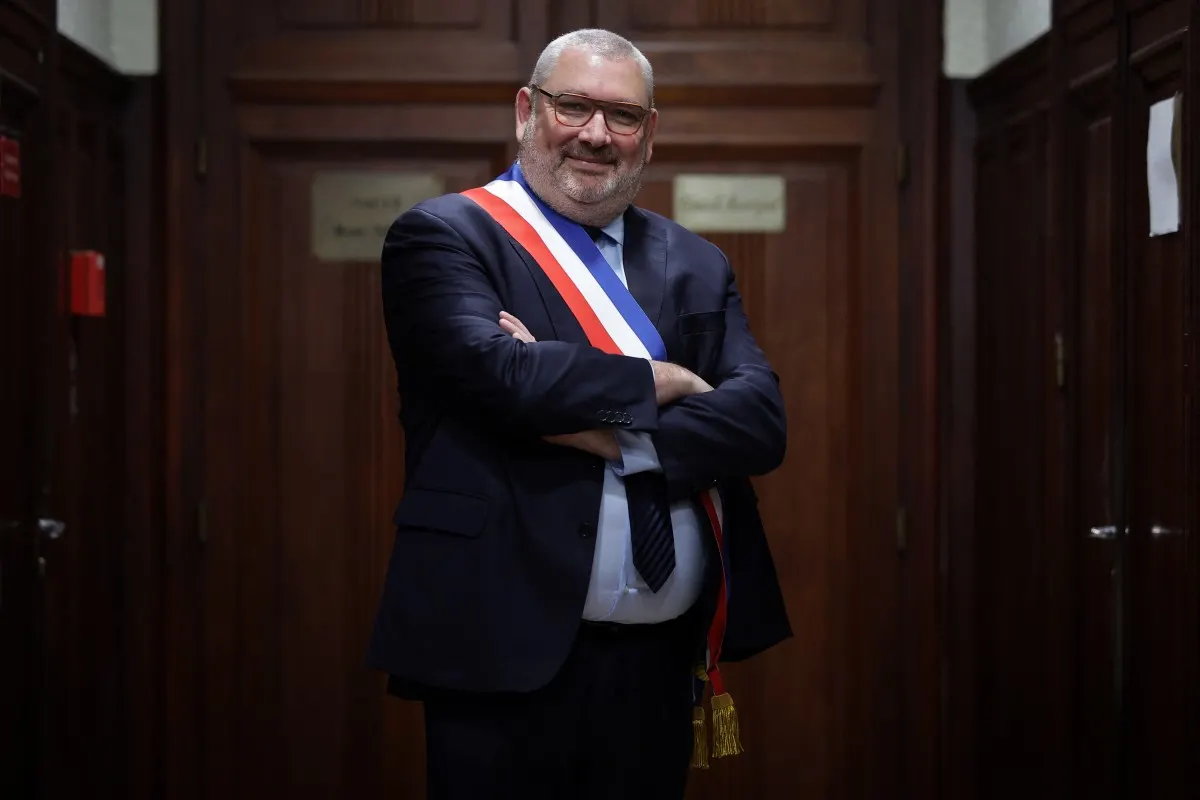
    Paris’s newly elected mayor, Emmanuel Grégoire, says tackling sexual abuse in the city’s after-school programmes is his “absolute priority”, promising changes in management and rapid decisions. 

    Issued on:


    2 min Reading time

    Officially sworn in by the Paris Council on Sunday, Grégoire said Monday that after-school services were the “absolute priority” of the start of his term.

    “There will be decisions taken in the very first hours of this day, others in the days ahead, and others over a longer timeframe,” he told franceinfo public radio, adding that management changes would be made “at every level”.

    Grégoire’s comments follow cases of alleged child abuse in after-school services in France, particularly in the capital.

    A report by France Inter radio in early March claimed that three lawsuits had been filed against a Parisian pre-school employee for alleged rapes against minors. Despite the complaints, the employee was transferred to another school rather than being suspended.

    In 2025, 19 after-school staff members working for the City of Paris were suspended following reports of sexual misconduct.

    The Paris prosecutor’s office opened 15 investigations into sexual assaults in pre-schools involving children under the age of five.

    Who is Paris’s newly sworn-in mayor, Emmanuel Grégoire?

    ‘We must overturn the table’

    Grégoire acknowledged there had been failures at multiple levels, including poor judgment by school or after-school directors, errors higher up the chain of command, and cases where the full gravity of events only became clear after the fact.

    In his inaugural address to the 163-member Paris Council on Sunday, the mayor had already called for zero tolerance and a full review of all recruitment procedures.

    “The first battle is after-school provision,” he declared. “We must start from scratch. We must overturn the table. We must identify those who are guilty. We must protect our children.”

    He said any staff member suspected of abuse must face immediate suspension.

    “At no point should a youth worker suspected of sexual violence not be immediately suspended,” he said.

    French PM Bayrou denies covering up sexual abuse at Catholic school

    Parents demand independent audit

    The new mayor faces mounting pressure. A collective of 751 parents from seven schools in the 7th and 15th arrondissements wrote to Grégoire on Sunday, demanding an independent audit, comprehensive child protection measures, clear communication with families, and full accountability of responsibility.

    In response, Grégoire said he would appoint an external adviser to evaluate what had gone wrong and monitor compliance with procedures. He also promised to publish detailed statistics on cases across Paris schools “as soon as possible”.

    The mayor is due to meet campaigning groups MeTooEcole and SOS Périscolaire later on Monday.

    Child abuse became a key topic during the Paris electoral campaign, and critics accused Grégoire of having done nothing to tackle the issue.

    In his defence, he said that he had no longer been in charge at City Hall since 2024, when he became an MP.

    Grégoire recently revealed he was a victim of sexual abuse himself while in primary school, aged around nine or 10. 

    “This is the story of a child who … was sexually abused for several months during after-school activities at a municipal swimming pool,” he told France Inter last year. “At the time, I couldn’t find the strength, the means, or the words to express that pain and suffering.”

    Read More

  • 4 Takeaways: UFL Week 1

    4 Takeaways: UFL Week 1


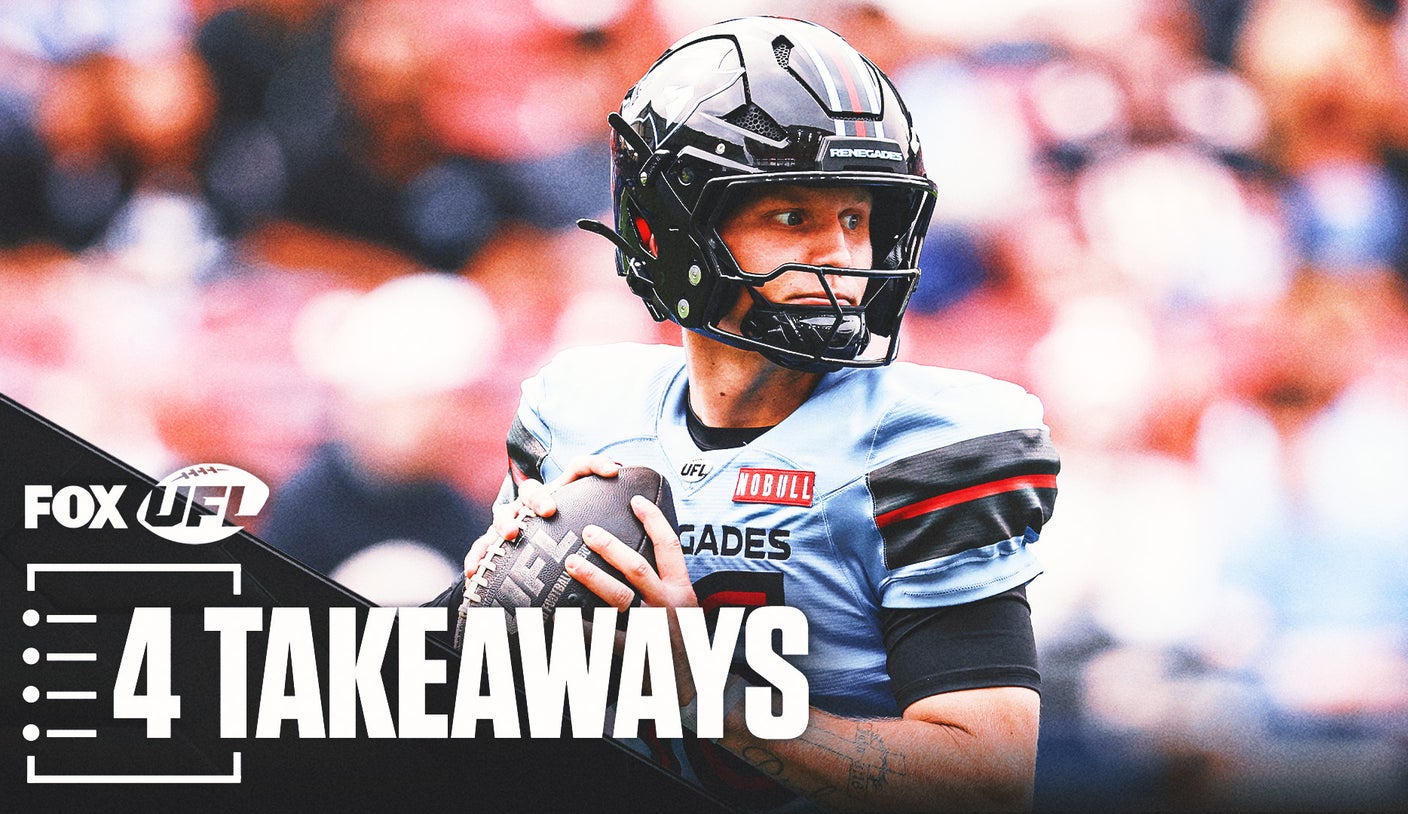
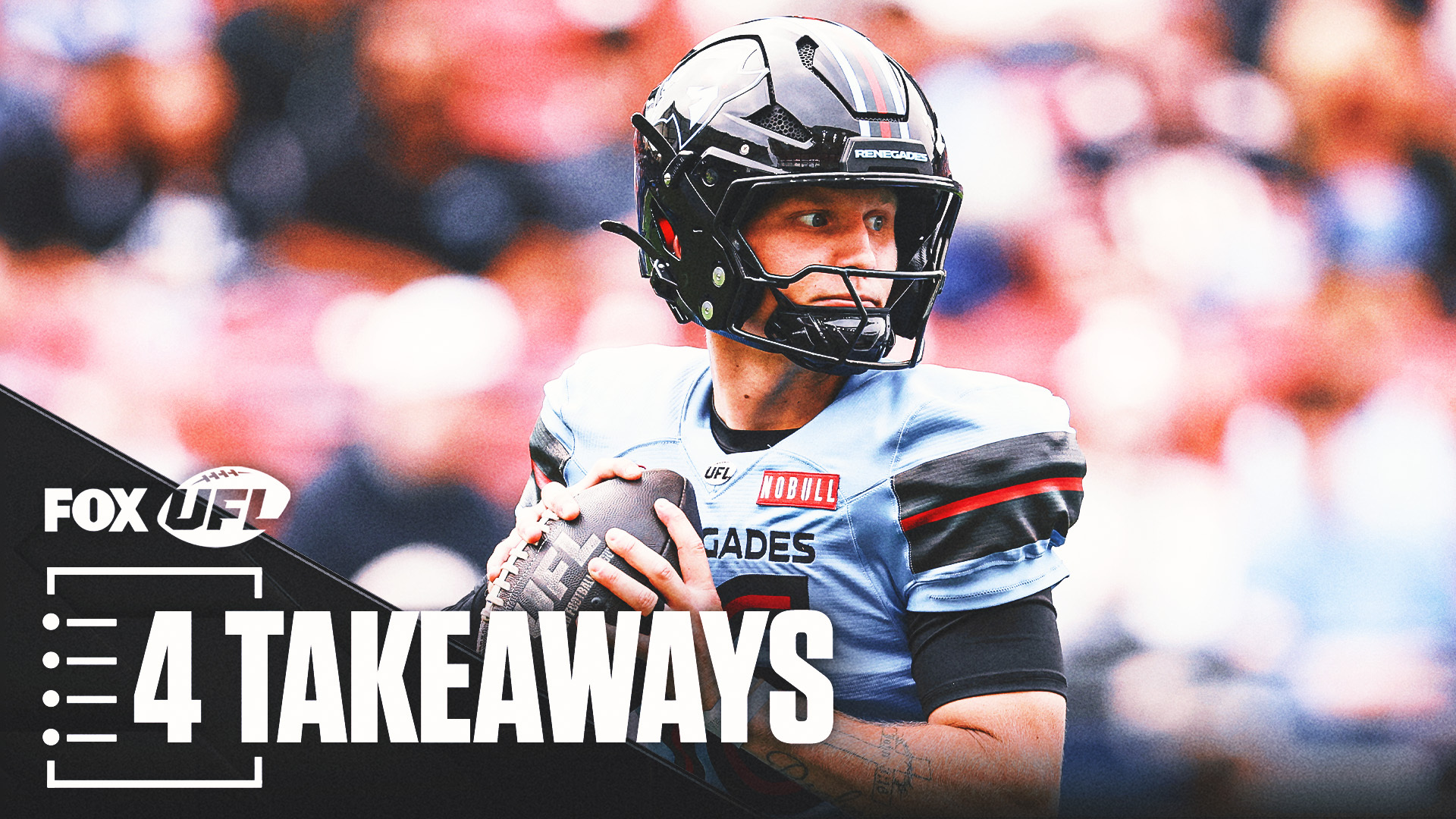
    Austin Reed’s first start at quarterback in the UFL was one to remember.

    The Western Kentucky product engineered a scintillating debut for the Dallas Renegades, completing 26 of 40 passes for 376 yards — the most in league history in a regular-season game — three touchdowns and no interceptions in his team’s 36-17 win over the Houston Gamblers in the season opener for both teams.

    Veteran UFL receiver Tyler Vaughns led Dallas (1-0) with seven receptions for 144 yards and a score, while fellow receiver Greg Ward added three catches for 93 yards and a touchdown in a runaway victory over Houston (0-1).

    “It was really a team effort more than anything,” Reed said. “[The] guys were playing well, and we had a really good game plan. We felt good about what we had going into this game, and what we were going to do. It just came down to whether we were going to execute or not.”

    Reed said despite how well the offense moved the ball, the Renegades can play even bigger, which makes for an interesting matchup next week against one of the best defenses in the league in the St. Louis Battlehawks (1-0).

    “I feel like we could have played even better, and that’s a great thing to see when your Week 1 output looks like this,” Reed added. “There’s so much more we can improve.”

    [UFL 2026: Everything To Know About the Upcoming Season]

    Speaking of St. Louis, former legendary NFL receiver Ricky Proehl earned his first victory as a head coach, leading his hometown Battlehawks to a 16-10 victory over the defending UFL champion DC Defenders (0-1) in front a league-high crowd of 31,191 at The Dome at America’s Center. 

    The Louisville Kings (0-1) couldn’t hold onto the lead late, falling to the Birmingham Stallions (1-0) by two, 15-13, in AJ McCarron’s first victory as head coach. The Kings played in front of 14,034 at Lynn Family Stadium in Kentucky. 

    Leading the Orlando Storm (1-0) for the first time, head coach Anthony Becht helped to engineer a 23-16 victory over the visiting Columbus Aviators (0-1). 

    Here are my takeaways from Week 1 of the UFL:

    1. Opportunistic defense leads Stallions to road win over Kings

    Birmingham forced 13 takeaways last season, and it continued its ball-hawking ways to start the 2026 season. 

    The Stallions thwarted an early promising drive for Louisville when Kings tight end Zach Davidson failed to corral a pass from his quarterback, Jason Bean, with Birmingham linebacker Dyontae Johnson winding up with the loose ball. The Stallions turned that into a 5-yard touchdown, courtesy of Snoop Conner, for an early lead. Later in the game, Birmingham safety Hudson Clark intercepted a Bean pass in the fourth quarter to help salt away a two-point victory — McCarron’s first as a head coach, as he replaced three-time spring football champion coach Skip Holtz this year. 

    Birmingham finished with three takeaways overall, the most for a defense in Week 1. 

    2. Matt McCrane drills first 60-yard, 4-point field goal

    It didn’t take long for a kicker to take advantage of one of the UFL’s newest rules implemented to generate more points. Defenders kicker McCrane booted a 60-yard field goal on his team’s opening drive on the road against St. Louis on Saturday, marking the first 4-point field goal in UFL history. However, McCrane did miss from 55 yards later.

    Elsewhere, Battlehawks kicker Tucker McCann made a 58-yarder in the opening quarter but missed from 45 yards. 

    “Matt was hitting the ball well on field goals and things like that,” Defenders head coach Shannon Harris said. “He had the long miss, but he’ll make that 10 out of 10 times. So, we’re going to always continue to put him in those situations because of the faith we have in him.”

    In Week 1, kickers went 15-for-20 on field goals, including four from beyond 50 yards, and 8-for-10 on extra points.

    3. Battlehawks’ defense looks legit after seven-sack performance

    Led by 2025 UFL Defensive Player of the Year Pita Taumoepenu, the Battlehawks sacked the Defenders seven times on their way to a tough win. Taumoepenu finished with 2.5 of those sacks, along with a combined six tackles in the win. St. Louis lost to DC at home in the playoffs last season, so the win was a little measure of revenge for St. Louis.

    “When one guy gets to the ball carrier, I want 11 guys getting to the football,” Proehl said. “They bought in, and they’ve done it in practice every day for the last two weeks. They showed up today. They wore them down. We were in better shape, in my opinion. We were in great shape, and we finished.”

    4. Jordan Ta’amu and DC’s offense show early struggles 

    Led by 2025 UFL Championship Game MVP Ta’amu, the Defenders struggled to move the ball on the road against the Battlehawks. One of the top offenses in 2025, DC mustered just 153 total yards offensively against St. Louis’ stingy defense. The Defenders averaged 22.4 points per game last season but were held to a league-low 10 points this week.

    Considered one of the most dynamic quarterbacks returning in the UFL this season, Ta’amu was sacked seven times and held to 123 passing yards. He also threw two interceptions. The only way is up for DC’s offense in Week 2.

    “We’ve got to clean things up,” Harris said. “We’ve got to understand that every game thus far is going to be everyone’s Super Bowl. We’ve got to understand that magnitude of it.”

    4 ½: What’s Next

    The Kings and the Battlehawks are on the road next week after hosting in Week 1, while the Renegades and the Storm have their second consecutive home matchup of the season. 

    One game will be played on Friday (Defenders at Aviators), one on Saturday (Kings at Storm), one on Sunday (Stallions at Gamblers) and the final game on Tuesday (Battlehawks at Renegades).

    Read More

  • After sex abuse claims, activists and lawmakers rethink Cesar Chavez Day

    After sex abuse claims, activists and lawmakers rethink Cesar Chavez Day


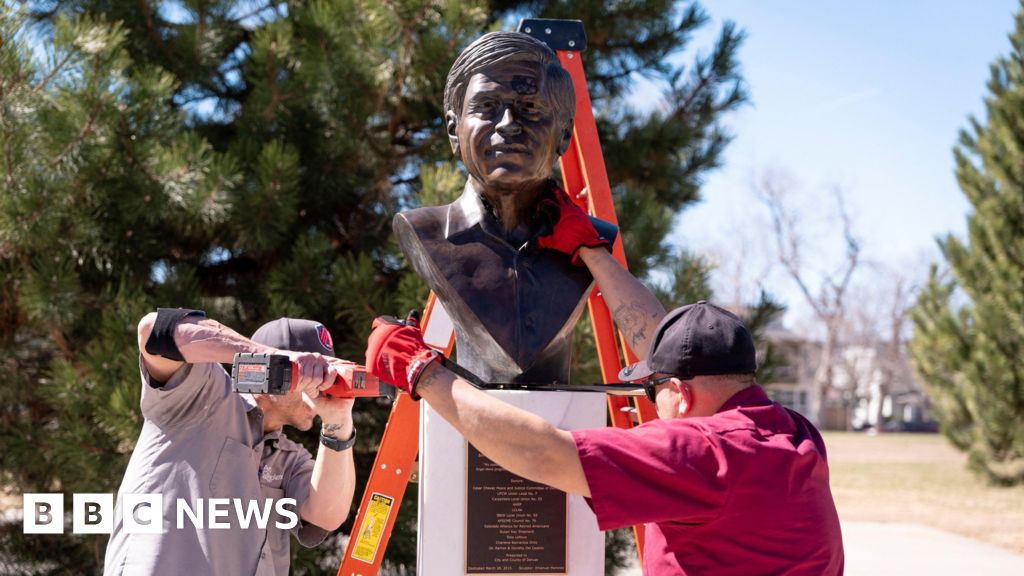
    As a prominent labour organiser, Chavez helped lead a major strike against Delano grape growers in the 1960s, which sparked boycotts across the country, in order to gain better wages and conditions for workers. His mantra, “si, se puede” – which means “yes, we can” in Spanish – has been adopted by activists and politicians who came after him, and was even used by Barack Obama’s presidential campaign during his first run for office.

    Read More

  • US trade chief sees only limited role for WTO after failed meeting in Cameroon

    US trade chief sees only limited role for WTO after failed meeting in Cameroon


    US trade chief sees only limited role for WTO after failed meeting in Cameroon
    US trade chief sees only limited role for WTO after failed meeting in Cameroon

    Read More

  • When air power fails: The slow drift toward ground war in Iran


    Wars often begin with confidence in distance—precision strikes, remote control, minimal exposure. It is a familiar American instinct, visible from the early days of the Gulf War to the opening phases of the campaign against ISIS. Air power promises disruption without entanglement. It rarely delivers resolution, writes M A Hossain.

    That pattern is reappearing in the current confrontation with Iran. Airstrikes have degraded elements of Tehran’s missile and drone infrastructure, but degradation is not defeat. It is delay. Iran’s strategic posture—decentralized, redundant, patient—was built precisely to absorb such punishment. In that sense, the campaign is succeeding tactically while stalling strategically.

    This is the moment when policymakers begin asking the question they hoped to avoid. If bombing does not compel change, what will?

    The answer, increasingly whispered in Washington and occasionally stated aloud by figures like Donald Trump, is as old as war itself: troops. Not necessarily divisions marching toward Tehran, not yet. But something closer, more tangible, harder to reverse.

    The temptation of the ‘small war’

    The first step down that path is almost always framed as restraint. Special operations. Limited objectives. Surgical missions. The language is careful; the implications are not.

    Elite units—SEALs, Delta Force, Green Berets—offer policymakers a seductive middle ground. They are politically quieter than conventional deployments and militarily more flexible. Congress hesitates to intervene. Public attention drifts. Failures, when they occur, can be contained—at least in theory.

    But theory has a habit of colliding with memory. The shadow of Operation Desert Claw still lingers in American strategic thinking. A failed mission, a desert crash, a presidency weakened. The lesson was not simply about operational risk; it was about political fragility.

    Iran presents an even more complex target set. Its nuclear program is dispersed, hardened, partially hidden. A raid to seize enriched uranium might delay the program, but only at considerable risk. Time—always the enemy of special operations—would become the decisive variable. The longer troops remain on the ground, the less “special” the operation becomes.

    There are other options: sabotage facilities, eliminate commanders, support dissident networks. Each carries a logic. None offers finality. Iran’s military doctrine is deliberately fragmented; removing individuals does not collapse the system. It adapts. It absorbs. It continues.

    So the “small war” remains what it has always been: an attempt to achieve strategic outcomes through tactical means. History suggests its limits are reached quickly.

    Geography, and Its Unforgiving Logic

    If escalation continues, the next phase will not be covert. It will be visible, measurable, and far harder to contain. Limited territorial operations—particularly along Iran’s coastline—represent the most plausible next step.

    The deployment of Marine Expeditionary Units to the Persian Gulf is not a declaration of intent. It is a declaration of capability. Roughly 4,000 troops, amphibious ships, rapid insertion forces—these are tools designed for one purpose: controlled escalation.

    The geography invites it. The Strait of Hormuz remains one of the world’s most critical energy corridors. Control over nearby islands—Qeshm, Kish, Abu Musa—offers leverage disproportionate to their size. Disrupt shipping, and you do not merely pressure Iran; you unsettle global markets.

    Yet geography cuts both ways. Iran’s coastline is not defenseless. It is layered with radar systems, mobile missile batteries, naval assets designed for asymmetry. The United States would bring superior technology; Iran would bring proximity. Supply lines favor the defender. They almost always do.

    Even a successful landing would not end the problem. Holding territory is a different exercise entirely. The United States learned this, painfully, in Iraq War. Rapid victory gave way to prolonged occupation. Tactical dominance dissolved into strategic exhaustion.

    There is little reason to believe Iran would be easier. Its terrain is harsher. Its population larger. Its political structure more cohesive under external pressure. A coastal foothold could quickly become a liability—symbolic, costly, difficult to exit.

    The illusion of decisive invasion

    Beyond limited operations lies the option few openly advocate but many quietly analyze: full-scale invasion. It is the logical endpoint of escalation. It is also the least likely—and the most consequential.

    The comparison with Iraq is unavoidable, and misleading in one critical respect. Iran is not Iraq. It is larger, more mountainous, more populous, and more ideologically mobilized. If the 2003 invasion required roughly 200,000 troops, Iran would demand far more—perhaps multiples of that number.

    Logistics alone would be daunting. Regional allies would need to provide basing and supply corridors. Political consent would be uncertain. Domestic support, fragile even in the early stages, would erode as costs mounted.

    And costs would mount. Not only in lives and resources, but in strategic focus. A prolonged war in Iran would inevitably divert American attention from other theaters—Europe, where deterrence remains fragile, and Asia, where competition with China defines the long-term horizon.

    This is the paradox of great power conflict. Engagement in one region creates opportunity in another. Rivals do not wait; they adapt.

    Even in the unlikely event of battlefield success, the aftermath would be the true test. Regime collapse does not equal stability. It rarely does. Afghanistan and Iraq offer sufficient evidence. Iran’s internal complexity—ethnic, political, religious—would complicate any attempt at reconstruction.

    Victory, in such a scenario, would not end the war. It would begin a different, longer one.

    The real question: Time

    There is a deeper asymmetry at work in this conflict, one that no amount of military planning can fully resolve. The United States seeks outcomes—clear, measurable, preferably swift. Iran seeks endurance.

    It is a familiar dynamic. Insurgent groups have relied on it for decades. States, too, can adopt it when facing a stronger adversary. Survival becomes strategy. Delay becomes victory.

    “America needs victory; Iran needs tomorrow.” The line is not rhetorical. It is operational reality.

    This is why the discussion of ground troops keeps returning, despite the risks, despite the history. Air power can punish. It cannot compel. Special operations can disrupt. They cannot decide. Territorial seizures can pressure. They cannot conclude.

    Ground forces, in theory, can do all three. In practice, they introduce a new set of uncertainties—political, logistical, strategic—that often outweigh their advantages.

    An Uncomfortable Conclusion

    The debate in Washington is not really about whether boots on the ground are desirable. It is about whether they become unavoidable.

    So far, the answer remains uncertain. The thresholds—economic shocks, direct attacks, escalation spirals—have not yet been crossed. But they exist, and they are closer than policymakers might prefer.

    History offers a warning, not a prediction. Wars have a tendency to expand beyond their initial logic. Limited objectives evolve. Red lines blur. What begins as a campaign of pressure becomes, step by step, a commitment.

    And once that commitment is made, reversal becomes difficult. Not impossible—but politically, psychologically, strategically costly.

    The conversation about ground troops, then, is less about intention than trajectory. It reflects the quiet recognition that air power has limits, that adversaries adapt, and that wars—once begun—rarely remain contained.

    Boots on the ground are not inevitable. But neither are they unthinkable. And in the calculus of modern conflict, that distinction matters less than it should.

    M A Hossain is a senior journalist and international affairs analyst, based in Bangladesh. He can be reached at: writetomahossain@gmail.com

    Read More

  • Quarter of a tonne of undeclared baklava found at Swiss border

    Quarter of a tonne of undeclared baklava found at Swiss border


    He crosses the border with 270 kg of undeclared baklava

    He crosses the border with 270 kg of undeclared baklava


    Keystone-SDA

    A Turkish national carrying 270kg of undeclared baklava and other pastries in a Swiss-registered vehicle has been intercepted at customs in Kreuzlingen, northeastern Switzerland. The man was fined.

    +Get the most important news from Switzerland in your inbox

    The total value of the undeclared Turkish pastries was €2,540 (CHF2,335), the Federal Office of Customs and Border Protection (FOCB) said in a press release on Monday.

    According to the 44-year-old driver, the delivery was destined for an event in Switzerland.

    The man had to pay several hundred francs in unpaid VAT and customs duties, in addition to a fine. However, he was able to continue with the goods.

    More

    Adapted from French by AI/ts

    We select the most relevant news for an international audience and use automatic translation tools to translate them into English. A journalist then reviews the translation for clarity and accuracy before publication.  

    Providing you with automatically translated news gives us the time to write more in-depth articles. The news stories we select have been written and carefully fact-checked by an external editorial team from news agencies such as Bloomberg or Keystone.

    If you have any questions about how we work, write to us at english@swissinfo.ch

    Read More

  • Several French far-right mayors take down EU flags

    Several French far-right mayors take down EU flags


    Several recently elected far-right mayors have taken down European Union flags from the facades of their town halls, in a move the French government denounced as ‘populism’.

    Marine Le Pen’s anti-immigration, eurosceptic Rassemblement National (RN) party notched wins in small and mid-sized towns, in the recent local elections, even though it failed to take any major urban centres.

    Far-right mayors in several towns wasted no time in taking down the EU flags.

    “Out with the European flags at the town hall! Make way for the French flags,” Christophe Barthes, the mayor of the southern town of Carcassonne, said on X on Sunday.

    He posted footage showing him personally taking down the European flag and leaving only the French tricolour and the regional flag of Occitanie.

    Bryan Masson, the new mayor of Cagnes-sur-Mer, a seaside resort near the southern city of Nice, and Anthony Garenaux-Glinkowski, the far-right mayor of the northern town of Harnes, followed suit.

    Garenaux-Glinkowski also took down the Ukrainian flag that French city halls have been flying in a gesture of solidarity after Russia invaded Ukraine in 2022.

    France’s Europe minister Benjamin Haddad denounced the move as “populism.”

    “Will they also refuse the European funds received by our farmers, our businesses for re-industrialisation, and our regions? Will they hand back their European Parliament allowances?” Haddad said in a statement to AFP.

    “This is populism that shows the RN hasn’t changed,” he added.

    No law requires the European symbol to be displayed on town hall facades, except on May 9th, Europe Day.

    Most town halls display both the French flag and the EU flag, and often add an extra flag for special events, such as LGBTQ pride month, while some town halls also fly the Ukrainian flag in order to show solidarity.

    However the EU flag remains a choice for local mayors – it is, however, compulsory to fly both the French flag and the EU flag on school buildings.

    When French government ministers give speeches, it is common for them to have both the French and EU flags in the background.

    In 2023 the French Assemblée nationale voted n favour of making the EU flag compulsory for town halls, but the bill was later defeated in the Senate.

    In 2022, French authorities took down a temporary installation of the EU flag from the Arc de Triomphe monument in Paris, after right-wing opponents of President Emmanuel Macron accused him of “erasing” French identity.

    Read More

  • Top-10 Players in the 2026 College Basketball Crown Tournament

    Top-10 Players in the 2026 College Basketball Crown Tournament


    An eight-team field. Loaded with talent. Half-a-million in NIL money on the line.

    The College Basketball Crown returns to Las Vegas this week with some must-see stars and matchups.

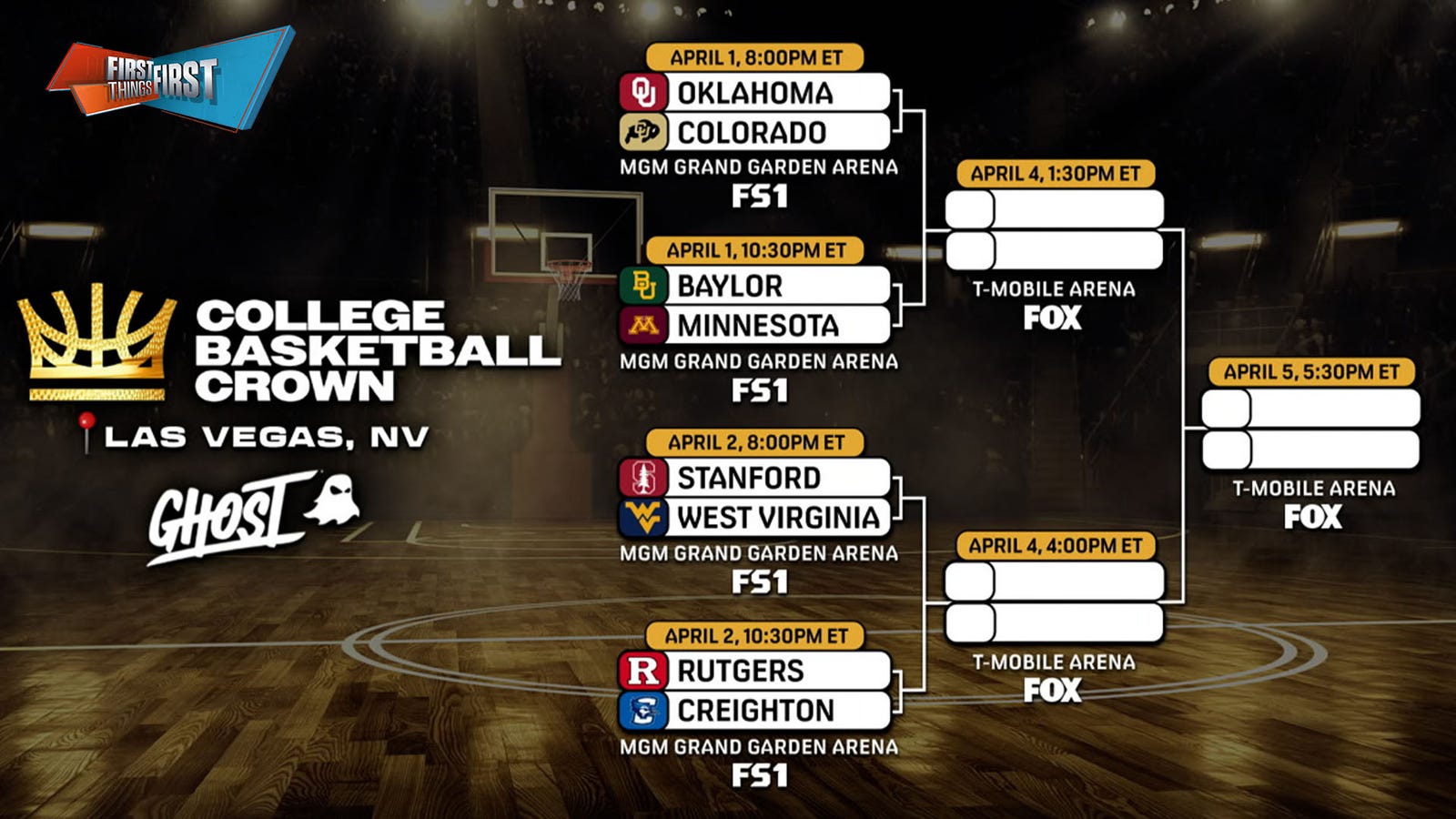
    Several all-conference performances will take the court this week in the single-elimination tournament, which tips off with first-round games scheduled for April 1-2, followed by the semifinals on April 4 and the championship game on April 5. The tournament will be played at MGM Grand Garden Arena and T-Mobile Arena with a $500,000 NIL prize pool.

    The complete bracket features Oklahoma, Colorado, Baylor, Minnesota, Stanford, West Virginia, Rutgers and Creighton.

    Baylor, Minnesota and Creighton highlight the 2026 College Basketball Crown Tournament Bracket

    Who are the top names in this year’s College Basketball Crown, and what should fans expect to see this weekend in the desert?

    Here is a breakdown of the top-10 players to watch in this year’s event.

    [COLLEGE BASKETBALL CROWN: Schedule, Bracket, Teams]

    This 6-foot-2, 182-pound guard from New Hampshire is an elite-level scorer with the potential to be the star of this tournament. He averaged 22.8 points per game, which ranked eighth among Division I players, joining BYU’s AJ Dybantsa, ArkansasDarius Acuff Jr. and Duke’s Cameron Boozer as the only first-year players to average more than 22 points per contest this season. Okorie scored at least 30 points on seven occasions this season, including a memorable 40-point outing in Stanford’s 95-72 win over ACC foe Georgia Tech back on Feb. 7. He is the best pure scorer in the field and has the ability to lead the Cardinal on a run to the College Basketball Crown title.

    (Photo by David Buono/Icon Sportswire via Getty Images)

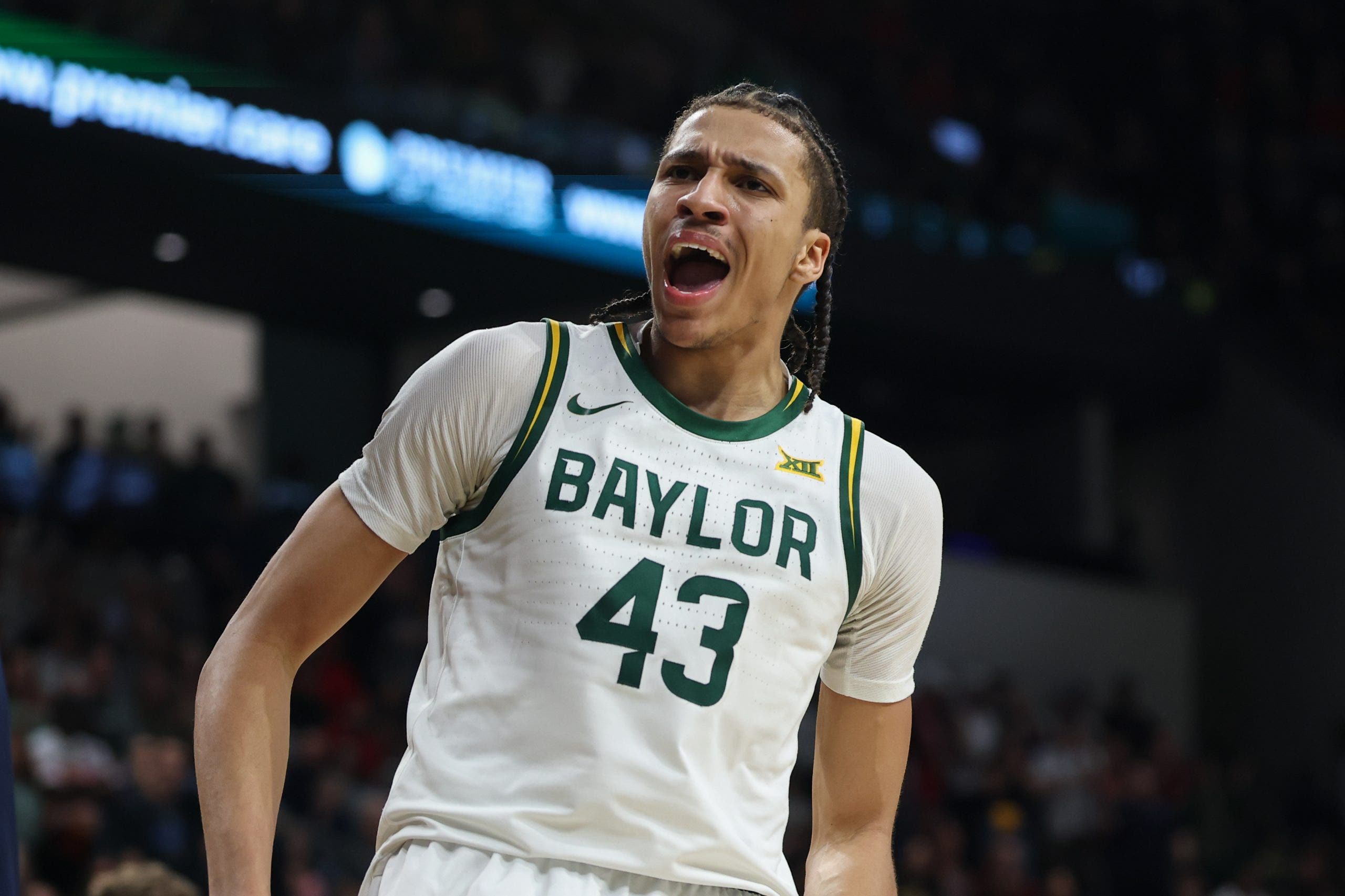
    After spending the past two seasons at Tennessee, Carr transferred to Baylor and made an immediate impact in Waco. The 6-foot-5 redshirt sophomore leads the Bears in scoring at 19.2 points per game while also contributing 5.5 rebounds, 2.7 assists and 1.3 blocks per contest. He shoots 51% from the field and sports a 39% clip from 3-point range. Carr has put up 21 or more points in four of Baylor’s last five games heading into the College Basketball Crown, including a 25-point outing against Arizona State in the opening round of the Big 12 Tournament.

    A five-star recruit out of Benin, Yessoufou has lived up to his billing during his first year on campus. The 6-foot-5 guard is averaging 17.8 points and 5.8 rebounds per game en route to being named All-Big 12 honorable mention this season. He has elite physical strength for a guard, but he has shown to be inconsistent at times on the defensive end of the court. His best game of the season came in a mid-February matchup against BYU when he put up 37 points and six rebounds on 12-of-19 shooting from the floor and 5-of-8 from 3-point range.

    [CBB CROWN: How to Bet the Crown’s First Round]

    Another standout freshman, Johnson has been the best player on a Colorado team that started the season with a 10-1 mark. A three-star recruit out of Los Angeles, Johnson exploded on the scene for the Buffaloes, averaging a team-high 16.9 points per game while shooting 48.6% from the field and 37.8% from downtown. He put up big numbers in big-time games, including a 27-point showing against AJ Dybantsa and BYU back on Feb. 14, and he had a 28-point outing in the Buffs’ regular-season finale against No. 2 Arizona.

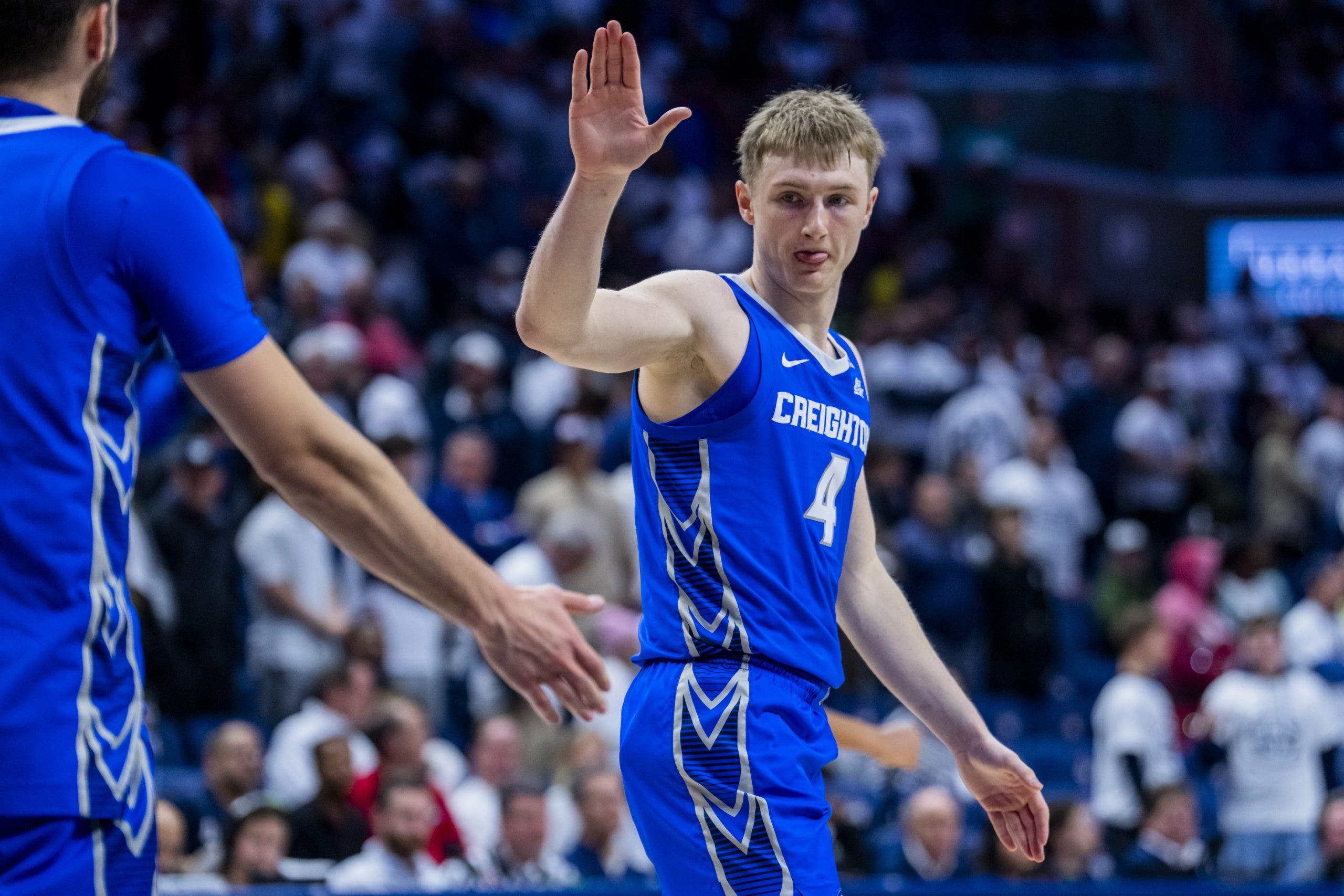
    5. Josh Dix, G, Creighton

    (Photo by Joe Buglewicz/Getty Images)

    Dix spent the first three seasons of his college career at Iowa and made the decision to transfer to Creighton last offseason. He has made an instant impact, averaging a team-high 13 points per game on the season. Dix has topped the 20-point mark in three of his last six games heading into the Crown, including a memorable 21-point, eight-rebound performance in Creighton’s 91-84 upset win over UConn back on Feb. 18. 

    Tyson is on his third stop in four years after spending the first two seasons of his collegiate career at Belmont with a year at North Carolina in between. He has developed as the Gophers’ most consistent offensive threat in his senior season, averaging a team-high 19.6 points per game, the sixth-highest average in the Big Ten. He is also an above-average 3-point shooter, hitting at a 42% clip from beyond the arc. 

    Francis, a junior guard out of Pittsburgh, is one of the top bucket-getters in this tournament. He is a crafty scorer who averaged 16.9 points per game this season, which led the Scarlet Knights. He had 30 or more points on three separate occasions this season, as well as a 29-point showing on 5-of-7 shooting from downtown in a Big Ten Tournament win over fellow Crown participant, Minnesota.

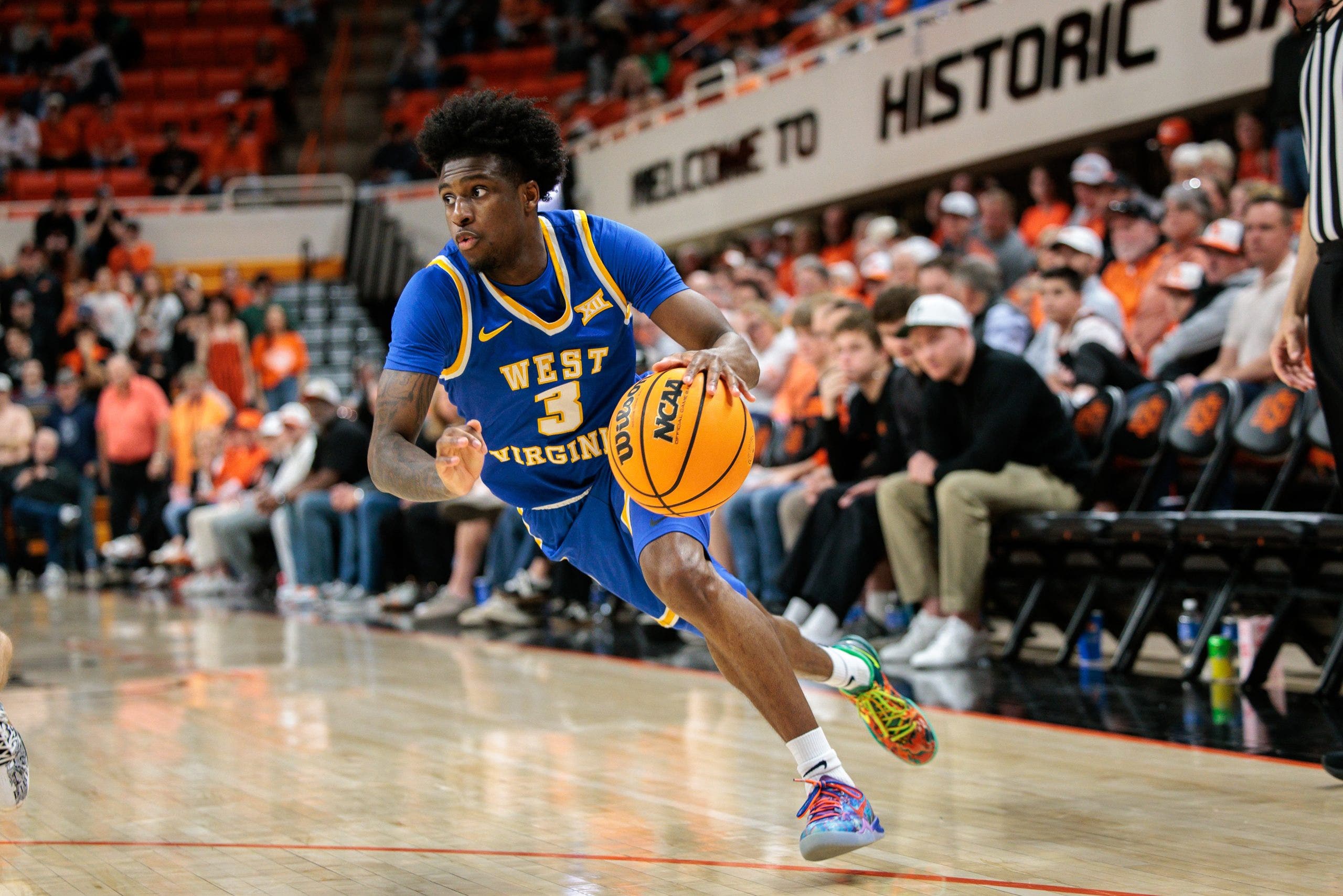
    8. Honor Huff, G, West Virginia

    (Photo by WJ/Icon Sportswire via Getty Images)

    Huff is not only one of the top 3-point shooters in this year’s College Basketball Crown, but the 5-foot-10 senior guard is also one of the most successful shooters from downtown in West Virginia program history. Huff knocked down 109 3s this season, which ranked third among Big 12 players this season. He led the Mountaineers in scoring at 15.8 points per game and has scored in double-figures in eight straight games.

    Pack is a sixth-year senior who began his career at Kansas State, where he played for two years before transferring to Miami. He spent three years at Miami and is now in his final year at Oklahoma. The 5-foot-10 senior guard has been a scoring threat throughout his collegiate career, totaling more than 2,300 points. He led the Sooners in scoring this season, averaging 16.5 points per game while shooting 47% from the field and 45% from 3-point range. 

    After playing his freshman and sophomore year at S. Joe’s, Brown transferred to Oklahoma this offseason and became a full-time starter in the Sooners’ backcourt, averaging 15.3 points per game, which ranked second on the team. He led the Sooners in both assists (3.2) and steals (1.3), while shooting 46% from the field. 

    Read More