Brent rose 1.9% to trade above $111 a barrel, as Trump renewed threats early Sunday to attack Iranian infrastructure if the key energy-shipping route through the Strait of Hormuz remains closed. He followed it later with another that said: “Tuesday, 8:00 P.M. Eastern Time!” with no further explanation.
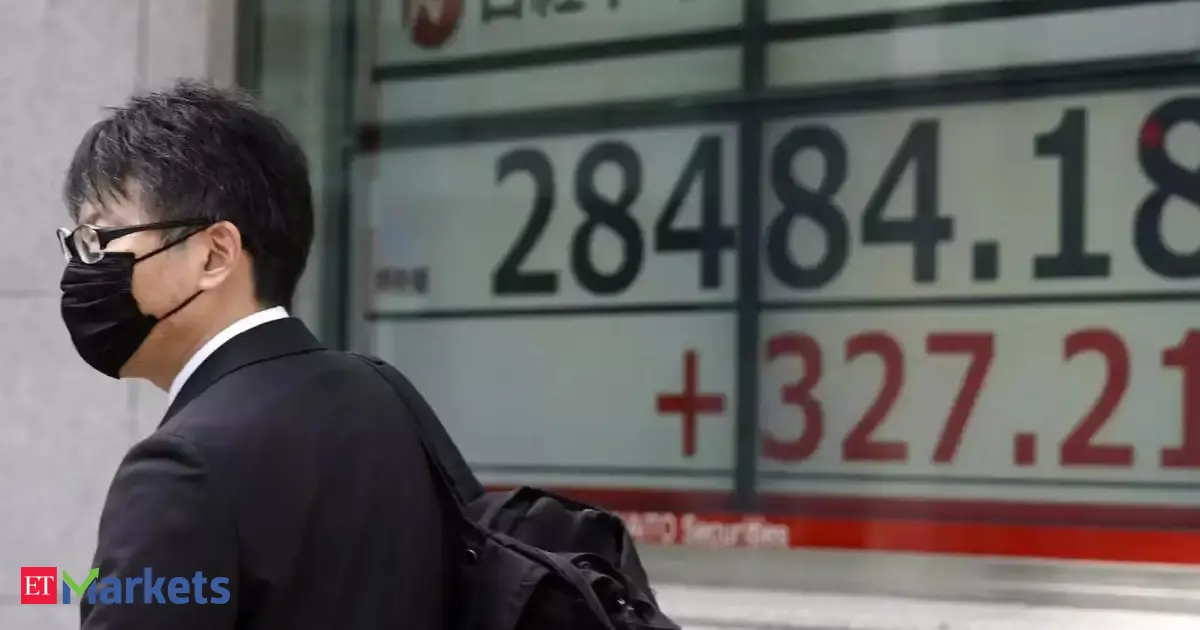
US equity-index futures erased early losses to trade little changed, while Asian stocks edged up at the open. The Nikkei index in Japan rose 0.7% while shares in South Korea advanced 2%. Markets are closed in China and Hong Kong for a public holiday.
Trump’s comments came as OPEC+ warned that damage to Mideast energy assets will have a prolonged impact on oil supply even after the conflict ends. Yet there are few signs of progress toward a ceasefire as attacks have continued to flare around the region, keeping oil prices hovering well above $100 a barrel.
“The prediction game remains quite tricky for investors,” said Homin Lee, a strategist at Lombard Odier in Singapore. “Investors’ focus will squarely be on military actions on both sides of the Persian Gulf and whether or not Hormuz vessel crossings can improve further despite these attacks.”

The fallout from the war has rapidly darkened the economic outlook by threatening to cool growth and push up already elevated inflation, roiling bets on whether the Federal Reserve will resume cutting interest rates later this year. Attention remains firmly on energy prices and the closure of the Strait of Hormuz — a waterway crucial for the flow of oil from the Middle East.
Investors will watch for the impact of the surge in crude oil when monthly US inflation data is released Friday. The roughly $1-per-gallon increase in US gasoline pump prices probably drove the March consumer price index up 1%, the most since the post-pandemic inflation surge in 2022, according to an economist survey before the report is published. Meanwhile, the Islamic Republic’s continued attacks damaged Kuwait’s oil headquarters and shut down an Emirati petrochemicals plant. Fifteen ships have passed through the Strait of Hormuz with permission from Iran, semi-official Fars news agency reports, citing the latest data on strait traffic.
Trump has previously dialed back his escalation threats, including two weeks ago before markets reopened for the week. Trump also said he plans to hold a news conference at 1 p.m. New York time on Monday.
“Trump is probably serious in his expressed desire to step away after two or three more weeks,” Lombard Odier’s Lee said. “But the obvious path-dependency inherent in the conflict suggests that his attempt to carry out a final round of aggressive strikes can backfire significantly for the markets.”