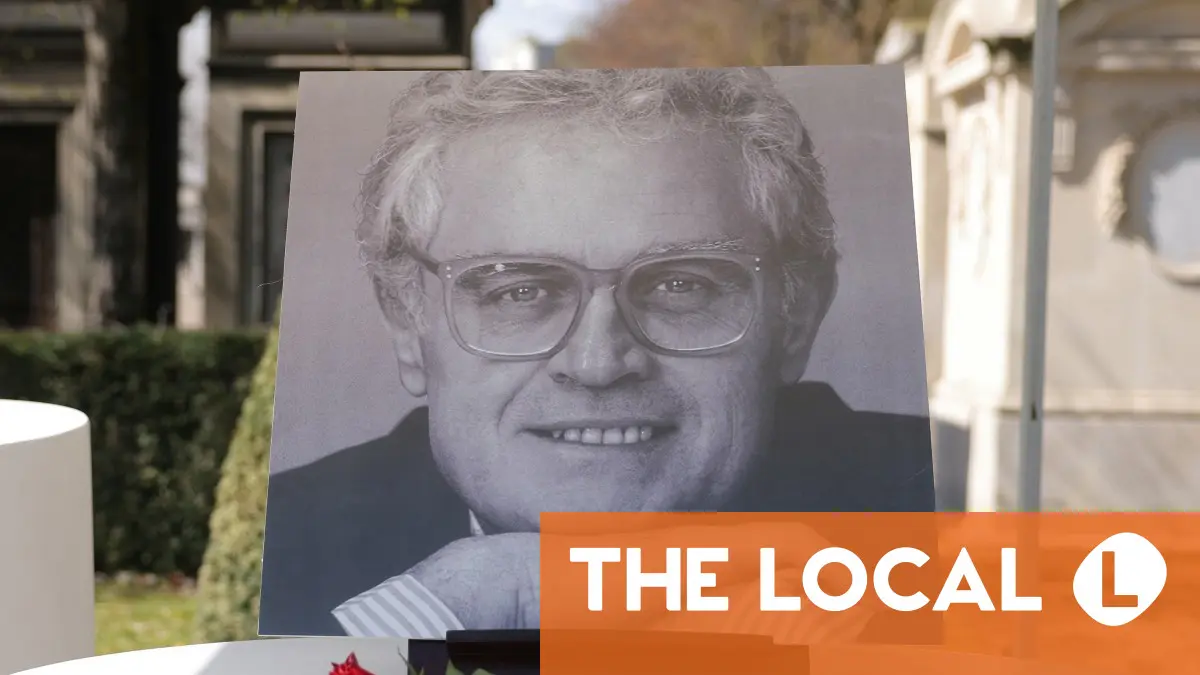

France on Thursday bid farewell to former prime minister Lionel Jospin, with President Emmanuel Macron leading a national tribute to the influential left‑wing statesman credited with major welfare reforms.
Jospin, who introduced the 35-hour work week and civil partnerships for gay couples when he was head of government from 1997 to 2002, died on Sunday aged 88.
The ceremony took place at the historic Les Invalides national monument, the resting place of Napoleon Bonaparte, in the presence of Prime Minister Sebastien Lecornu, members of the government, lawmakers and other high-profile guests.
Members of the Republican Guard carried the casket draped in a French flag into the courtyard to the beat of a drum before Macron read a eulogy, saying Jospin fought for justice and freedom.
“He helped bring France into the new century,” Macron said.
“Lionel Jospin modernised the nation’s economic, social and democratic life in an unprecedented manner.”
Afterwards the Republican Guard performed a post‑war French classic, “Les Feuilles mortes” (“The Dead Leaves”), which Jospin himself had sung on television in 1984.
Jospin was to be buried at the Montparnasse cemetery in the south of Paris later Thursday. Several thousand people were expected to attend the funeral, which is open to the public.
A unifying figure on the left, Jospin led a coalition government of Socialists, Greens and Communists in a cohabitation arrangement with centre-right President Jacques Chirac.
As prime minister, he charted a pragmatic economic course and sought to stamp out corruption. He brought down unemployment and revived growth, but it was his social reforms that defined his tenure.
Apart from chopping four hours off the working week, he extended free healthcare and introduced civil unions, laying the ground for a gay marriage bill that was adopted over a decade later, despite mass protests.
Jospin ran for president in 2002, but was eliminated in the first round after finishing behind Chirac and Jean-Marie Le Pen, the father of current far-right presidential hopeful Marine Le Pen, in one of the biggest political upsets in post-war France.