Category: UN

  • World News in Brief: Yemen appeal, Middle East war roils Somalia, needs grow in Colombia

    World News in Brief: Yemen appeal, Middle East war roils Somalia, needs grow in Colombia


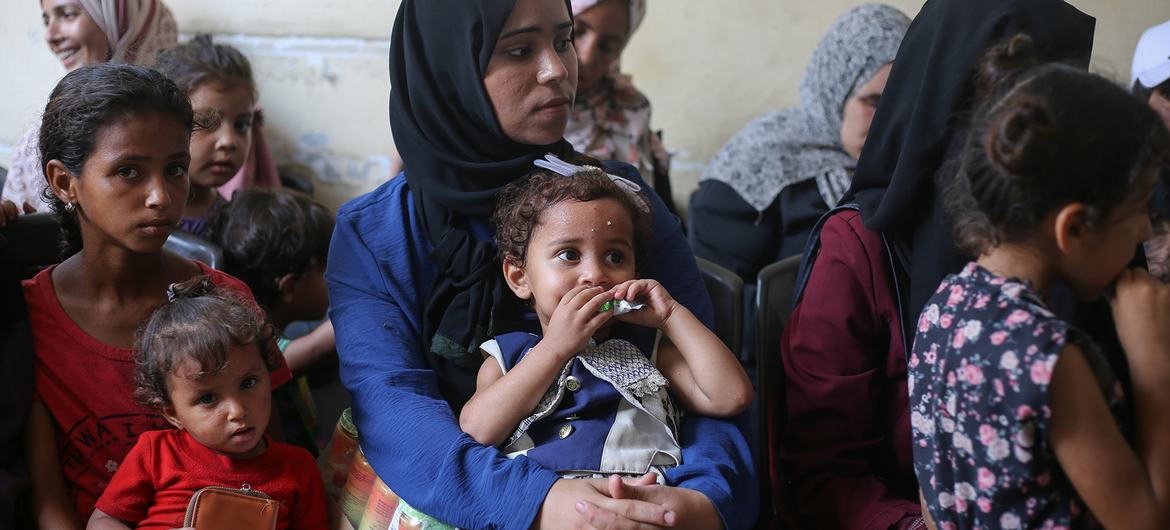
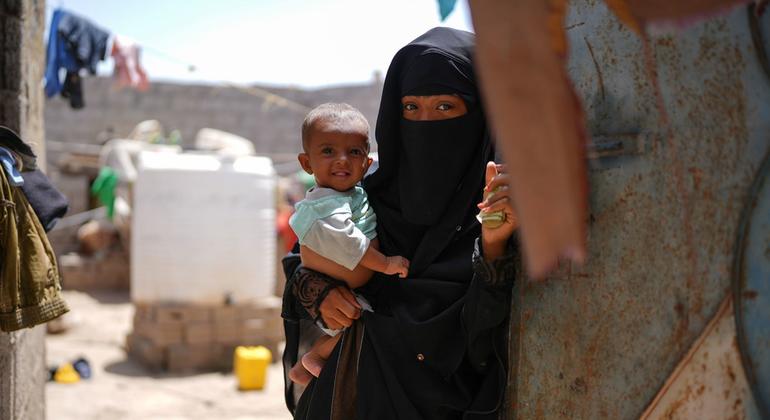
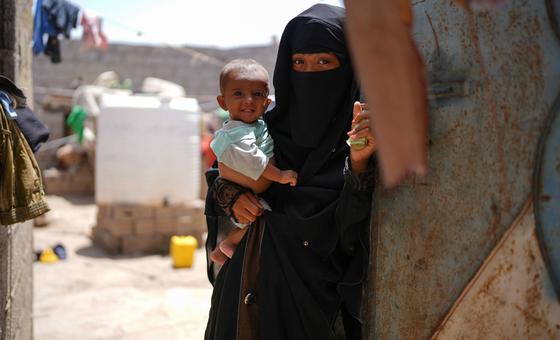
    This number includes women and children and comes after more than a decade of prolonged conflict between internationally recognised government forces and Houthi separatist fighters who control the capital, Sana’a, as well as epidemics, climate shocks and funding cuts.

    UN data shows that 22.3 million people need aid relief and protection services across Yemen, where 5.2 million are internally displaced, alongside migrants and refugees.

    Over 18 million ‘acutely’ food insecure

    In its 2026 humanitarian needs and response plan, the UN aid coordination office, OCHA, said that 18.3 million people are acutely food insecure.

    Equally concerning, more than 2.2 million children under five are acutely malnourished, including more than half a million children suffering from severe acute malnutrition.

    “Essential services remain under severe strain,” OCHA reported.

    The latest data indicates that nearly 40 per cent of health facilities are partially or not functional and 14.4 million people need water, sanitation and hygiene assistance.

    Somalia: Price surge deepens crisis, stalls aid

    A sharp rise in fuel and commodity prices spiralling out of war in the Middle East is compounding Somalia’s already dire humanitarian emergency and disrupting lifesaving operations, the UN said on Wednesday.

    Deputy Spokesperson Farhan Haq told reporters that “a recent surge in the prices of fuel and essential goods is worsening an already severe humanitarian crisis and hampering humanitarian operations.” 

    Fuel prices have more than doubled in recent days, from $0.60 to $1.50 per litre, driven largely by strikes and counterstrikes by the US, Israel and Iran, which show no sign of de-escalation. 

    Delays and drought

    The UN aid coordination office, OCHA, warns that higher costs are pushing up food and water prices while transport costs for aid deliveries have also doubled. 

    Somalia, which imports over 90 per cent of essential goods, is seeing delays in shipments of nutrition supplies, medicines and sanitation materials.

    The crisis comes amid a severe drought affecting nearly five million people. “At least 6.5 million Somalis [are] facing high levels of hunger,” Mr. Haq said, with 1.8 million children acutely malnourished. 

    Funding remains critically low, with just 11 per cent of the $852 million appeal received.

    Colombia: Violence and floods drive rising humanitarian needs

    Humanitarian needs in Colombia are intensifying as armed violence, movement restrictions and climate shocks converge, the UN warned on Wednesday.

    Farhan Haq said the situation “continues to deteriorate”, with OCHA cautioning that the risk of new emergencies is growing. 

    There is up to a 70 per cent chance of above-normal rainfall in April, raising fears of further flooding.

    Recent floods in Córdoba have already prompted a coordinated response, with “food, cash and hygiene supplies…distributed to people in the most impacted areas”, Mr. Haq noted.

    Violence impact triples

    The humanitarian toll is mounting. Last year, disasters affected one million people, while violence impacted more than 1.6 million, triple the previous year. 

    “This includes more than 150,000 people whose movements were restricted and nearly 100,000 people who were displaced,” he said, the highest levels recorded since monitoring began in 2008.

    Humanitarian access is also under strain, with over 400 incidents hindering operations. The UN and partners are seeking $287 million this year to assist 1.2 million people most in need.


    Read More

  • When justice fails: Why women can’t get protection from AI deepfake abuse

    When justice fails: Why women can’t get protection from AI deepfake abuse


    Whispers followed her offline. Online, the abuse imploded, unchecked: comments, ridicule, shares, screenshots. She had never consented to any of it. That hadn’t stopped anyone.

    Within minutes, thousands had seen the content. Within hours, millions.

    The nightmare had only begun.

    Days passed before platforms responded. By then, the images had been seen, save, and replicated. She was left asking: Who do I report this to? Will anyone believe me? Will the people who did this ever face consequences? Or will the blame land on me?

    This is the reality for thousands of women and girls every single day. AI deepfakes are destroying real lives and justice remains out of reach for most survivors.

    Her story could be yours.

    Deepfake abuse is the sharp edge of a much broader pattern of digital violence targeting women and girls. It’s gendered and it’s escalating. Right now, the systems designed to protect people are failing, while the tools to cause harm become cheaper, faster and easier to use every day.

    Here’s what you need to know:

    What is deepfake abuse and how common is it?

    Deepfakes are images, audio or videos manipulated by artificial intelligence (AI) that make it appear someone said or did something they never did.

    The technology itself isn’t new, but its weaponisation against women and girls is a newer phenomenon, and it’s accelerating fast.

    • deepfake pornography made up 98 per cent of all deepfake videos online, and 99 per cent depicted women, according to a 2023 report.
    • deepfake videos were an estimated 550 per cent more prevalent in 2023 than in 2019
    • the tools to create them are widely available, usually free, and require very little technical expertise
    • once posted, AI-generated content can be replicated endlessly, saved to private devices, and shared across platforms, making it nearly impossible to fully remove

    Why survivors don’t report and what happens when they do

    Underreporting is one of the biggest barriers to accountability. For survivors who do come forward, the justice system often becomes another source of trauma.

    • Survivors are asked repeatedly to view and describe abusive content with police, lawyers and platform moderators while often facing questions like, “are you sure it’s not real?” or “did you share intimate images before?”
    • If a case reaches court, their clothing, relationships and past behaviour go under the microscope, not the perpetrator’s
    • Harm doesn’t stay online, according to a UN Women survey, which found 41 per cent of  women in public life who experienced digital violence also reported facing offline attacks or harassment linked to it

    Why deepfake creators rarely face justice

    Despite the scale of harm, prosecutions are rare, platforms routinely fail to act and survivors are often re-traumatised when they try to seek help. Here’s why:

    The law hasn’t caught up as less than half of countries have laws that address online abuse and even fewer have legislation that specifically covers AI-generated deepfake content

    • most “revenge porn” or image-based abuse laws were written before deepfakes existed, leaving gaping loopholes
    • in many countries, deepfake porn or AI-generated nude images fall into legal grey areas
    • survivors are unsure whether the abuse is even illegal and whether perpetrators can be prosecuted

    Enforcement is lagging because even when laws exist, investigators need digital forensics expertise, cross-border coordination and platform cooperation to build a case while most justice systems don’t have adequate resources for any of these

    • evidence disappears fast as content spreads and copies multiply while perpetrators hide behind anonymity or operate across jurisdictions
    • platforms are slow or unwilling to share data with law enforcement, especially in cross-border cases
    • digital forensics backlogs mean cases stall before they even get started

    Tech platforms are failing survivors as they have long hidden behind “intermediary” status to avoid responsibility for user-generated content.

    What must happen now

    While there are a number of nations and regions taking action (see text box below), stopping deepfake abuse requires urgent, coordinated action from governments, institutions and tech platforms.

    Here are five things that need to happen:

    1. Laws that actually cover deepfake abuse

    Governments must pass legislation with clear definitions of AI-generated abuse and focusing on consent, strict liability for perpetrators, fast-track removal obligations for platforms and cross-border enforcement protocols.

    2. Justice systems that can investigate and prosecute

    Law enforcement needs training, resources and dedicated capacity to collect and preserve digital evidence while digital forensics backlogs are addressed, with international cooperation frameworks becoming fast, functional and fit for purpose.

    3. Platforms held accountable

    Tech companies must be legally required to proactively monitor for and remove abusive content within mandatory timelines, cooperate with law enforcement and face real financial consequences when they fail to act.

    4. Real support for survivors

    Trained, trauma-informed law enforcement and legal professionals and free legal aid should be available.

    5. Education that prevents abuse

    Digital literacy, including consent education, online safety, and what to do when experiencing abuse, needs to start young and reach everyone as prevention is as important as prosecution.

    UN Women warns this is not a niche internet problem: “It is a global crisis.”

    • in a recent high-profile case, UK journalist Daisy Dixon discovered AI-generated, sexualised images of herself on X in December 2025, created using the platform’s own Grok AI tool; it took days for the platform to geoblock the function, while the abuse kept spreading
    • deepfake abuse can serve as online catalyst for so-called “honour-based crimes” in certain cultural contexts, where perceived breach of honour norms on digital platforms can result in extreme physical violence against women, or even death
    • more than half of deepfake victims in the United States of America contemplated suicide, according to recent research

    Meanwhile, a handful of jurisdictions are starting to act:

    • Brazil amended its criminal code in 2025, increasing penalty for causing psychological violence against women using AI or other technology to alter their image or voice
    • the European Union artificial intelligence (AI) act imposes transparency obligations around deepfakes
    • The United Kingdom’s Online Safety Act prohibits sharing digitally manipulated explicit images, but does not address the creation of deepfakes and may not apply where intent to cause distress cannot be proven
    • the United States Take It Down Act explicitly covers AI-generated intimate imagery and requires platform removal within 48 hours

    Read More

  • Middle East war risks undermining Syria’s fragile recovery, Security Council hears

    Middle East war risks undermining Syria’s fragile recovery, Security Council hears


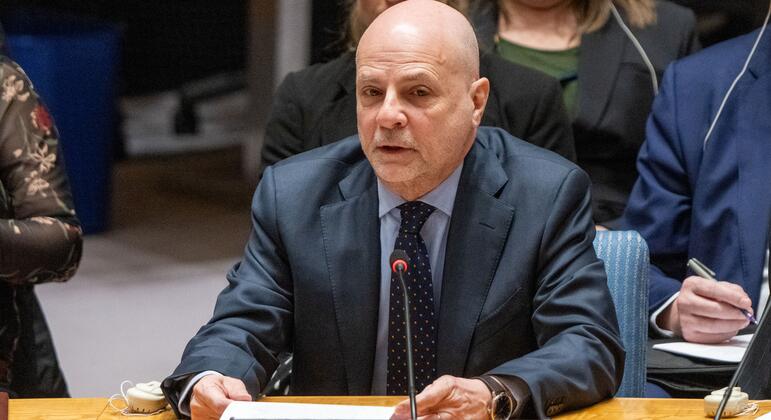
    Claudio Cordone, the Secretary-General’s Deputy Special Envoy for Syria, and Joyce Msuya of the UN humanitarian affairs office, OCHA, briefed ambassadors alongside Syrian Olympic athlete Yusra Mardini, a Goodwill Ambassador with the UN refugee agency, UNHCR

    Mr. Cordone began by addressing how “the alarming regional escalation” is impacting Syria, which continues along the path to political transition more than a year after the overthrow of the Assad regime and 14 years of civil war. 

    Incidents inside Syrian territory have mainly involved the crashing of debris following interception of Iranian missiles and drones in Syrian airspace, causing civilian casualties, and one incident of shelling from Lebanon attributed to Hezbollah,” he said. 

    Israeli helicopter and drone operations in Syrian airspace have also increased, and Israeli forces continued to carry out incursions into Syrian territory. 

    Thousands flee from Lebanon 

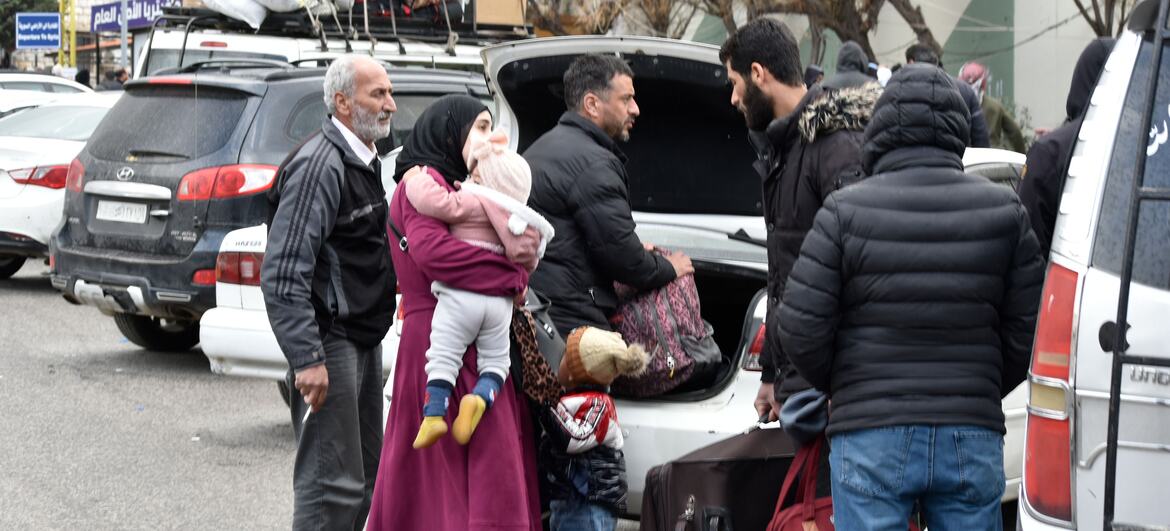
    Furthermore, Israeli airstrikes on Lebanon have killed both Lebanese and Syrian citizens and forced roughly 140,000 people, mostly Syrian nationals, to cross into Syria in search of safety.

    I reiterate our call in this context on Israel to fully respect Syria’s sovereignty and territorial integrity, adhere to the terms of the 1974 Disengagement of Forces Agreement, and refrain from any actions that could undermine Syria’s stability and political transition,” he said. 

    The envoy commended the Syrian Government for its engagement with regional and international stakeholders to insulate the country from further escalation and ensure that its territory is not used in ways that could widen the conflict. 

    “Syria’s steady but fragile recovery –political, institutional and economic – could be undermined by the impact of a prolonged regional conflict,” he warned.

    Let us redouble efforts to support Syria in shielding itself from this conflict, and let us refocus on helping Syria continue, and even accelerate, its path towards recovery, reconstruction and stability.” 

    Refugee family with luggage waits at the Masnaa border crossing in Lebanon to enter Syria, escaping Israeli bombing.

    People gather at the Masnaa border point in Lebanon as they wait to cross into Syria to escape the ongoing conflict.

    ‘New strain at a fragile moment’ 

    Ms. Msuya, the UN Deputy Emergency Relief Coordinator, reported on the humanitarian aspects of the crisis. 

    “For Syria, this escalation adds new strain at a fragile moment – one that still offers a genuine opportunity for progress,” she said.

    She noted that falling debris has killed or injured several people, in addition to damaging property, while the scores of people who fled from Lebanon join some 1.5 million refugees who have returned from neighbouring countries since December 2024. 

    A ‘fragile’ opportunity 

    Yet, humanitarian operations continue in Syria despite airspace restrictions, the closure of the airport in the capital Damascus, and heightened security risks. 

    “As we have consistently told this Council, Syria has an important opportunity to move towards economic recovery, to gradually reduce humanitarian needs, and to lessen reliance on large-scale humanitarian assistance,” she said. 

    “But this opportunity remains fragile and will require sustained international support, particularly in the face of the regional volatility.” 

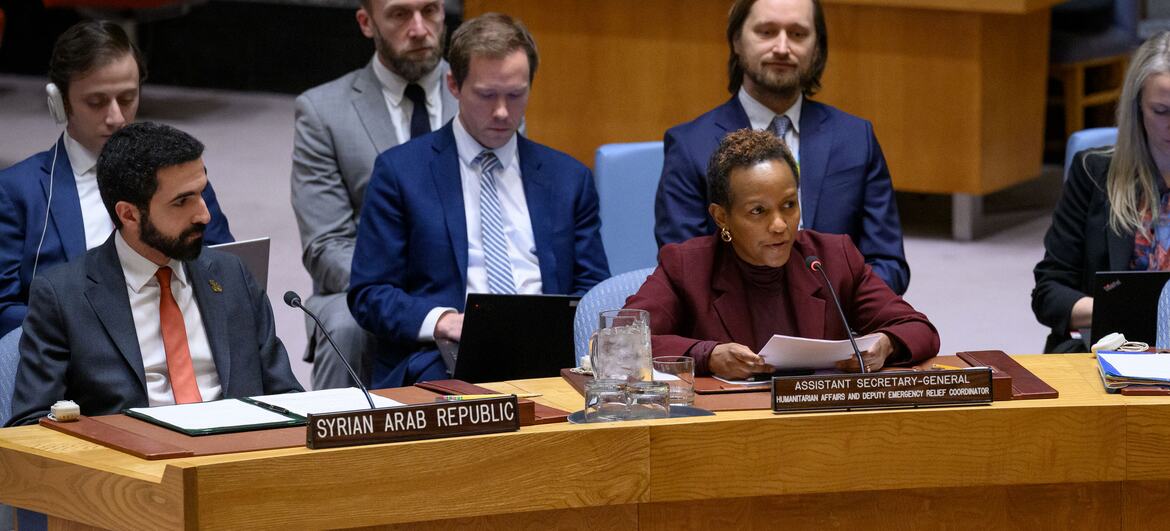
    A woman in a maroon blazer speaking at a conference table with a nameplate reading 'ASSISTANT SECRETARY-GENERAL HUMANITARIAN AFFAIRS AND DEPUTY EMERGENCY RELIEF COORDINATOR'. Behind her, a man sits at a table with a nameplate for the 'SYRIAN ARAB REPUBLIC'.

    Joyce Msuya (right) UN Deputy Emergency Relief Coordinator, briefs the Security Council meeting on the Middle East.

    Diplomacy, aid and investment 

    Ms. Msuya made three requests to ambassadors, first calling for “sustained diplomatic engagement to resolve remaining flashpoints” and ensure stability necessary for people to return home and recovery to begin.

    “This includes consolidating security improvements in areas like northeast Syria, where recent violence has added to existing needs. But it also includes addressing the current regional escalation,” she said. 

    “Beyond the danger of direct military spillover, the prolonged disruption to shipping routes, coupled with the rising prices of fuel, fertilizer and other essential goods, could deal a serious blow to Syria’s already fragile economy – just as it begins to recover and reconnect with the world after years of conflict and isolation.”

    She also stressed the need to sustain critical humanitarian assistance in the near term, as operations remain constrained by funding shortfalls, liquidity challenges and the lack of banking and other services in many parts of the country. 

    “It would be a tragic mistake if our support to the people of Syria lost momentum now,” she said.

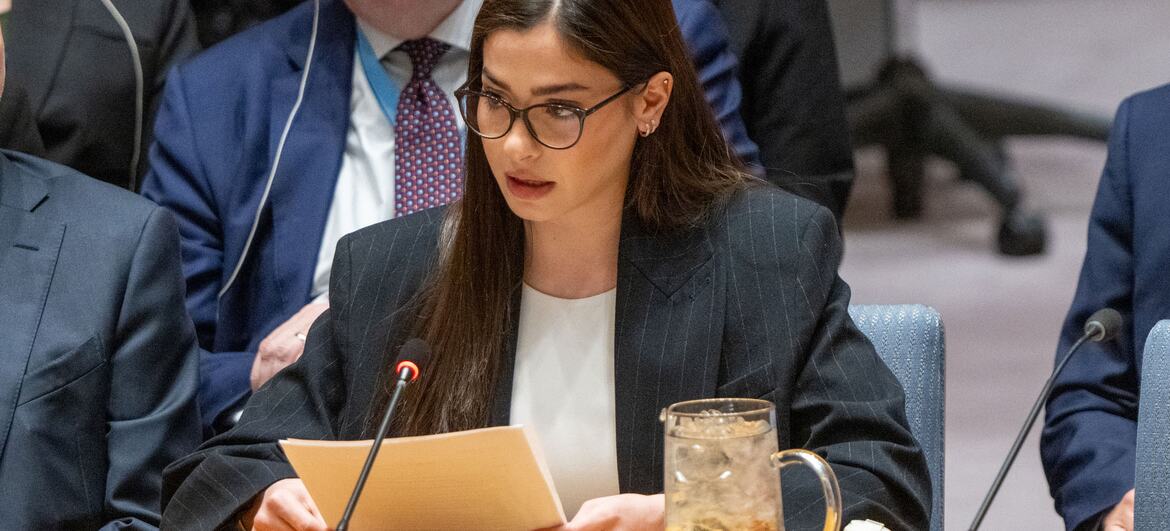
    Yusra Mardini speaking at a formal event, seated at a table with a microphone.

    UNHCR Goodwill Ambassador, Yusra Mardini, speaks at the UN Security Council meeting on the situation in the Middle East.

    Breaking down ‘walls of division’

    Ms. Mardini – a member of the first refugee team to compete at the Olympic Games – described herself as a child of war. She said half of all children in Syria today have never known a single day of peace. 

    She emphasised that her homeland requires years of recovery that is not only physical.

    “Syria also requires reconciliation and societal recovery. A future where no religious sect divides us, and where no one group is favoured over another. We must break down the walls of division, not build new ones,” she said. 

    Ms. Mardini also spoke of the challenges facing young Syrians and urged the international community to provide financial support, investment, and capacity-building so Syria can once again build a world-class education system. 

    Read More

  • World News in Brief: Rafah crossing reopens, gender inequality worsens global water crisis, rights defenders in Colombia

    World News in Brief: Rafah crossing reopens, gender inequality worsens global water crisis, rights defenders in Colombia


    The World Health Organization (WHO) and its partners supported the medical evacuation of nine adult patients, most with trauma injuries, for treatment unavailable in Gaza.

    OCHA said 18,000 patients in Gaza still urgently need treatment, while UN teams are preparing support for people returning through Egypt.

    ‘Major bottleneck’ in delivery of humanitarian supplies

    “We need to be able to have rapid, safe and sustained and unimpeded access to be able to deliver assistance at scale and be able to scale up faster than we are doing,” OCHA Spokesperson Olga Cherevko said.

    Aid officials also warned that Kerem Shalom remains the only operational crossing for incoming humanitarian and commercial supplies, creating a major bottleneck.

    On Wednesday, three planned UN convoys were cancelled after Israeli authorities said only fuel would be allowed in, forcing agencies to leave food, fodder and other items behind.

    Meanwhile, strikes reportedly hit residential areas in Gaza and the West Bank, causing casualties, according to UN humanitarian workers.

    Gender inequality deepens global water crisis

    A new UN report released on Thursday warns that the global water crisis is being made worse by deep-rooted gender inequality.

    Across the world, women are responsible for collecting water in more than 70 per cent of rural households without a reliable supply, according to the report published by UN educational and cultural agency UNESCO ahead of World Water Day on 22 March.

    “Water inequality has a strong gender dimension,” UNESCO Representative Bhanu Neupane told journalists at the United Nations in New York.

    Climate change adding to inequalities

    Across the world, women and girls spend an estimated 250 million hours every day fetching water. That is time they are prevented from going to school, paid work and other opportunities.

    The report also highlights the impact of poor sanitation. In many places, women and girls still lack access to safe toilets and menstrual hygiene facilities, exposing them to shame, health risks and missed days of school or work.

    The UN says climate change, water scarcity and disasters are making these inequalities worse. It is calling for urgent action to remove barriers to women’s equal access to water, land and services, and to ensure they are fully included in water governance and solutions.

    Human rights defenders in Colombia face persistent deadly violence

    Meanwhile in Colombia, human rights defenders have faced relentless violence over the past decade, with nearly 100 killed on average each year, according to a new report from the UN human rights office, OHCHR.

    High Commissioner Volker Türk said it was “heartbreaking” that it remains one of the world’s deadliest countries for those defending human rights.

    He acknowledged efforts by the current Government, including dialogue with civil society and work on a national protection policy, but warned that far more is needed.

    Indigenous defenders disproportionately affected

    The report says that between 2016 and 2025, the UN documented 972 killings of rights defenders. From 2022 to 2025 alone, 410 were killed, while more than 2,000 threats and attacks were recorded.

    It links the violence to the continued presence of non-State armed groups, criminal networks involved in drug trafficking, illegal mining and logging, and weak state institutions. More than 70 per cent of perpetrators were believed to be non-State armed actors.

    Indigenous defenders were disproportionately affected, accounting for 23 per cent of victims, despite making up less than five per cent of Colombia’s population.

    The UN is urging urgent reforms to strengthen prevention, protection and criminal investigations, while warning that funding cuts have reduced its own ability to monitor abuses in high-risk areas.

    Read More

  • Middle East war shockwaves ripple through Asia-Pacific fuel and supply chains

    Middle East war shockwaves ripple through Asia-Pacific fuel and supply chains


    The immediate impact is visible in sharp increases in transport costs, energy and fertilizer prices, alongside currency pressures and financial market volatility.

    “The most immediate economic impact…are considerable increases in freight costs and oil, gas and fertilizer prices,” Hamza Ali Malik, Director of Macroeconomic Policy Division at the UN’s Asia-Pacific development arm (ESCAP) told UN News.

    He warned that higher inflation, weaker exports and rising debt risks are likely to follow.

    Strait of Hormuz shockwaves

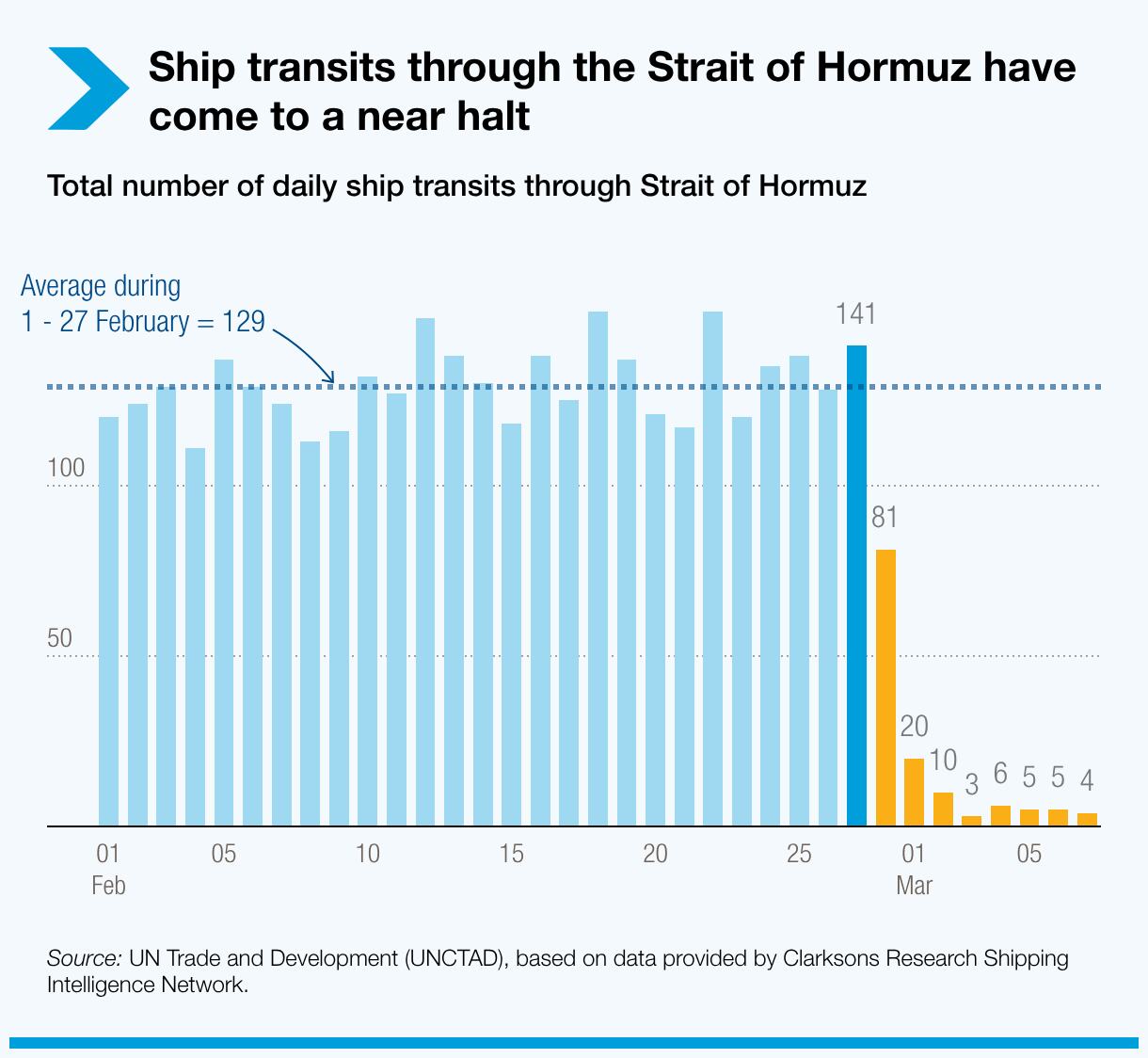
    Bar chart showing daily ship transits through the Strait of Hormuz, with a sharp decline in early March. Average daily transits from Feb 1-27 were 129, dropping to 81 on March 1st and further to single digits by March 5th.

    Total number of daily ship transits through Strait of Hormuz.

    At the centre of the disruption is the Strait of Hormuz, one of the world’s most critical maritime chokepoints.

    The narrow passage carries around a quarter of global seaborne oil trade, along with significant volumes of liquefied natural gas and fertilizers. Escalating hostilities have brought ship transits close to a halt, triggering immediate reactions in global energy markets.

    Volatile Brent Crude oil prices have surged well above $100 per barrel, while higher transport and insurance costs are adding to the strain.

    These shocks are reverberating across supply chains and raising concerns not only for trade and development, but also for the delivery of humanitarian assistance and essential goods.

    Supply chains under pressure

    The impact is being felt across all sea routes, with major shipping companies suspending services to the Middle East and containers stranded in congested ports. At least 20,000 seafarers in the region are also affected.

    “There are significant early signs of disruption to shipping routes,” said Rupa Chanda, Director of Trade Division at ESCAP, adding that the effects are already hitting key industries.

    Shortages of helium and specialised gases from the Gulf are creating a “near-immediate crisis” for semiconductor and advanced electronics production, while disruptions to petrochemical feedstocks threaten manufacturing across major Asian economies.

    Fertilizer shortages are also raising concerns about future crop yields across South Asia – home to nearly two billion people – and beyond.

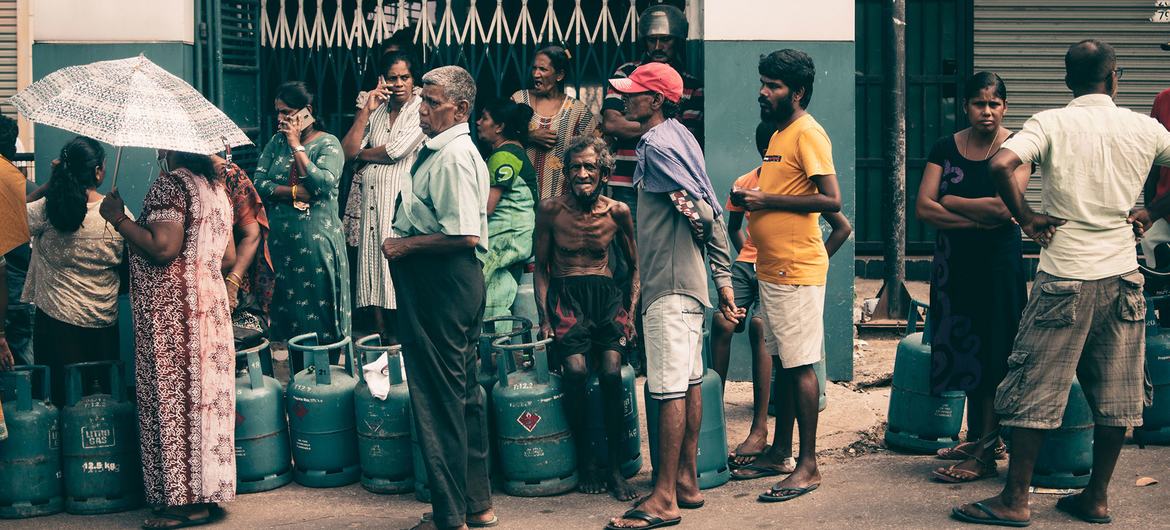
    People queue to fill their gas cylinders in Colombo, Sri Lanka. (file)

    © WFP/Arete/Riyal Riffai

    People queue to fill their gas cylinders in Colombo, Sri Lanka. (file photo)

    Rising prices hit households

    Energy price spikes are feeding directly into inflation and the cost of living.

    UN estimates indicate oil prices have risen by around 45 per cent and gas by 55 per cent since late February, with fertilizer prices up 35 per cent. Regional inflation could rise to 4.6 per cent in 2026, up from 3.5 per cent in 2025.

    In several countries, higher fuel prices are already pushing up transport, production and food costs, hitting poorer households hardest.

    Country-level impacts intensify

    In Sri Lanka, where petroleum accounts for about a quarter of total imports, authorities have introduced fuel rationing and cut back public events to conserve supplies. Schools have shifted to a four-day week, while public sector operations have been scaled down.

    In Pakistan, fuel and grocery prices surged overnight, and long queues reported at petrol stations. Authorities have introduced fuel conservation measures, including a four-day work week, school closures and work-from-home policies.

    Crisis-struck Myanmar is also facing acute pressures. Fuel shortages have led to strict rationing, disrupting transport, businesses and humanitarian operations.

    These disruptions are adding new strain to an economy in Myanmar that was already under pressure,” said Gwyn Lewis, UN Resident and Humanitarian Coordinator ad interim. “Prices are rising, essential goods are harder to find, and families’ purchasing power continues to fall.”

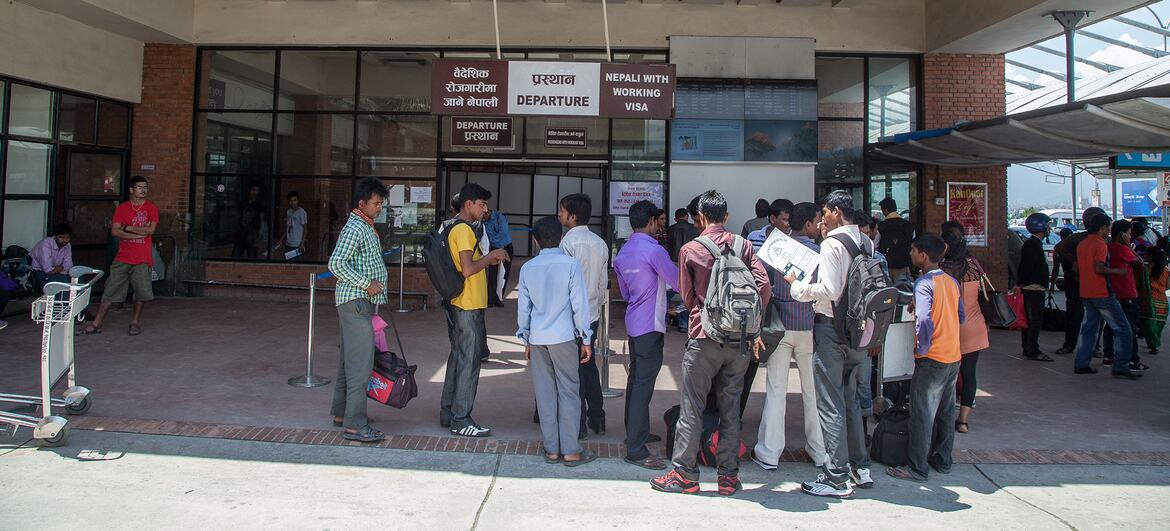
    A group of Nepali migrant workers wait outside the International Terminal at Kathmandu airport, preparing to depart for work in the Middle East.

    Migrant workers wait outside Tribhuvan International Airport in Kathmandu before departing for work in the Middle East. (file photo)

    From economic shock to household crisis

    In Nepal, the crisis is being felt not only in economic terms, but in daily life. At least one migrant worker has been killed in the Gulf, dozens injured, and tens of thousands stranded – unable to return home or travel to places of work.

    More than 1.7 million Nepali migrants work in the Gulf, accounting for over 65 per cent of overseas labour migration. Remittances – much of them from the Gulf – make up more than a quarter of Nepal’s GDP and support nearly 6 in 10 households.

    “This is not a distant crisis for Nepal. It’s very near and very personal,” said Numan Özcan of the International Labour Organization (ILO).

    A region at risk

    The scale of the impact varies, but if the crisis persists, the consequences will be severe.

    ESCAP warns growth across developing Asia-Pacific economies could slow to around 4.0 per cent in 2026, down from 4.6 per cent in 2025. Poverty, food insecurity and inequality could worsen, alongside job losses and possible displacement of migrant workers.

    To mitigate the impact, ESCAP calls for coordinated policy action, including targeted fiscal support, cash transfers and support for small businesses.

    Countries may also need to tighten monetary policy to manage inflation and financial stability risks, while longer-term efforts should focus on diversifying energy sources, trade routes and supply chains.

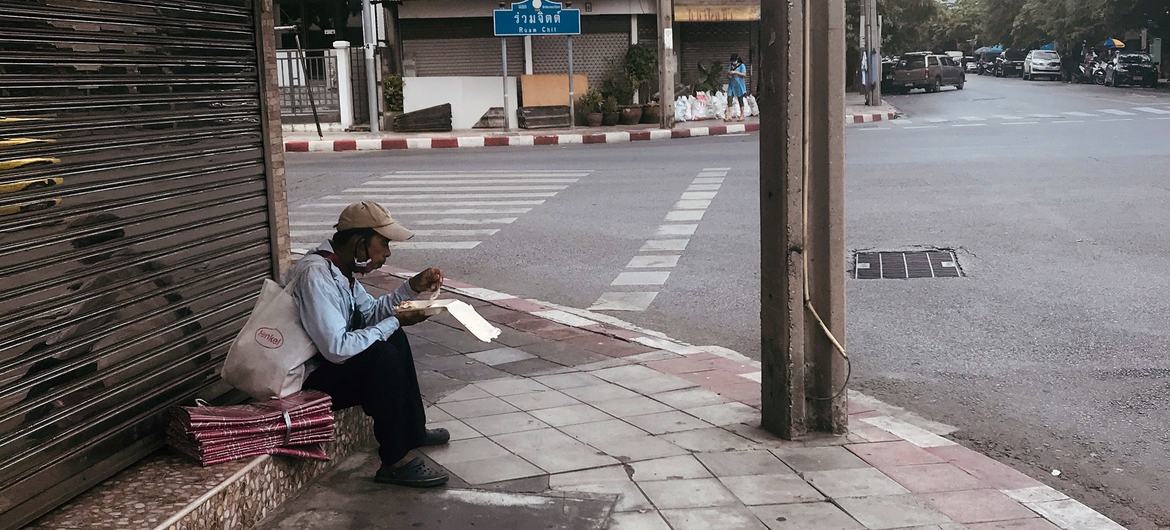
    Eating in a deserted street in Bangkok, Thailand during COVID-19 lockdown times.

    An informal sector worker eats by the roadside in Bangkok. (file photo)

    The human cost

    But beyond the economic fallout, the deeper concern is the human toll – as global shocks are increasingly felt in homes and villages.

    “As the crisis continues, the main risk is that an external economic shock becomes a household crisis,” said ILO’s Numan Özcan.

    Read More

  • Amid deepening crisis in Palestine, girls face rising risks and a mounting mental health emergency

    Amid deepening crisis in Palestine, girls face rising risks and a mounting mental health emergency


    Sima Alami, adolescent and youth programme officer at the UN agency for sexual and reproductive health, UNFPA, painted a stark picture defined by alarming statistics.

    “We have more than one million children in Gaza who need mental health and psychosocial support services,” she told UN News.

    The scale of trauma is staggering.

    96% of children in Gaza feel death is imminent

    According to UNFPA data cited by Ms. Alami, 96 per cent of children in Gaza feel that death is imminent. “This reflects the depth of fear and trauma they experience daily,” she stressed.

    Among adolescents and youth, often overlooked in humanitarian crises, the psychological toll is equally severe. Some 61 per cent suffer from post-traumatic stress disorder (PTSD), 38 per cent from depression and 41 per cent from anxiety. “Alarmingly, one in five adults contemplates suicide almost daily,” she added.

    “This is not merely psychological distress,” Ms. Alami emphasized. “It is a widespread mental health emergency.”

    Girls at heightened risk

    Within this crisis, girls are among the most vulnerable. In Gaza, child marriage, which was previously on the decline, has resurged sharply. Rates had fallen from 25.5 per cent in 2009 to 11 per cent in 2022, but are now rising again as families struggle to survive.

    A recent UNFPA study found that 71 per cent of respondents in Gaza reported increased pressure to marry girls under 18. In a short monitoring period alone, more than 400 marriage licences were issued for girls aged 14 to 16 in emergency courts, but the figures are likely underreported.

    “Some families see marriage as a survival strategy amid displacement, poverty and insecurity,” Ms. Alami explained. Others believe it offers protection in overcrowded shelters or helps ease economic hardship following the collapse of livelihoods.

    Child marriage exposes girls to violence

    The consequences are severe. In 2025, approximately 10 per cent of newly registered pregnancies in Gaza were among adolescent girls, marking a significant increase compared to pre-war levels.

    At the same time, access to healthcare has dramatically shrunk. Only 15 per cent of health facilities in Gaza are currently able to provide emergency obstetric and neonatal services, increasing the risk of complications for young mothers and their babies.

    Child marriage also exposes girls to violence.

    “Some evidence suggests that 63 per cent of girls married at a young age have experienced physical, psychological or sexual violence,” Ms. Alami said. Reports indicate rising divorce rates and widespread severe psychological distress among married minors.

    In the most extreme cases, the consequences are life-threatening. “More than 100 suicides or attempted suicides have been documented among survivors of violence,” she noted, underscoring that child marriage is a form of gender-based violence.

    Children who are not getting enough to eat attend a nutrition clinic in Deir al Balah, in Gaza.

    Children who are not getting enough to eat attend a nutrition clinic in Deir al Balah in Gaza.

    Persistent sense of insecurity in the West Bank

    While Gaza remains the epicentre of the crisis, conditions in the West Bank are also deteriorating. Escalating violence, military operations and settler attacks have driven displacement, particularly in refugee camps, while movement restrictions and checkpoint closures have disrupted daily life and forced many schools to shut.

    Children and young people are living under constant stress.

    “They face fear of raids, restrictions on movement, and uncertainty about livelihoods and access to services,” Ms. Alami said. “This creates chronic anxiety and a persistent sense of insecurity.”

    Such pressures can have long-term consequences, shaping behaviour and mental health well into adulthood. Some young people are even considering leaving Palestine altogether.

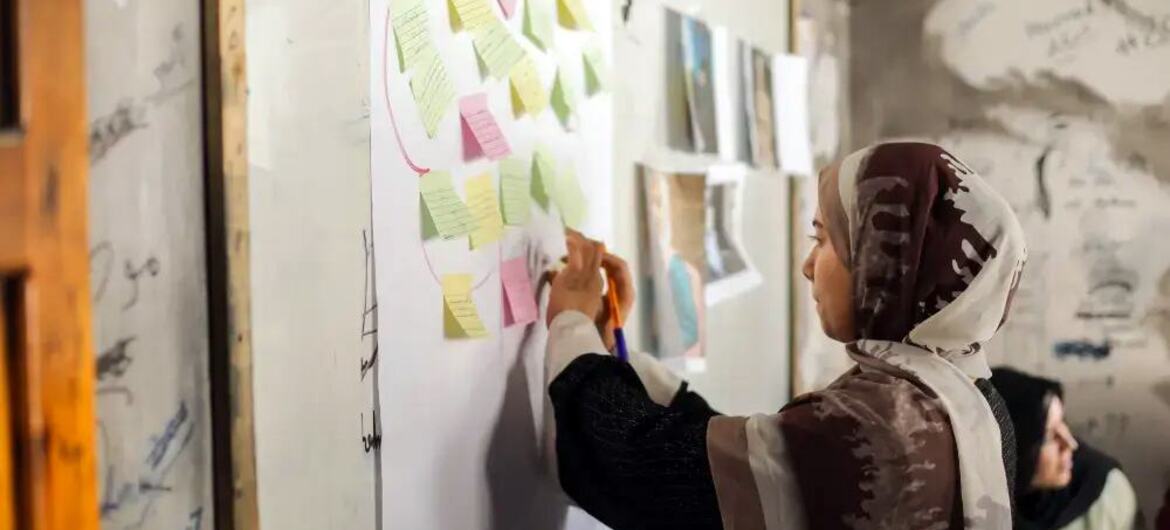
    A woman wearing a headscarf actively participates in a planning session, writing on a whiteboard covered with colourful sticky notes.

    © UNFPA/Social Development Forum

    To provide a secure environment where girls can seek immediate and longer-term help from gender-based violence, UNFPA supports safe spaces, youth hubs and girls’ tents across Gaza.

    Safe spaces offer lifelines

    Amid these challenges, UNFPA has expanded support services. Over the past three years, the agency has reopened and supported more than 35 safe spaces for women and girls, providing case management and multi-sectoral responses to gender-based violence.

    More than 120,000 dignity and hygiene kits have been distributed, and across Palestine, over 15 multi-purpose youth centres are operating, with 11 dedicated to girls.

    “These spaces provide psychosocial support, education and life skills while promoting community engagement and a sense of belonging,” Ms. Alami said. Youth are not just beneficiaries, she added, but “active partners” in designing and implementing initiatives.

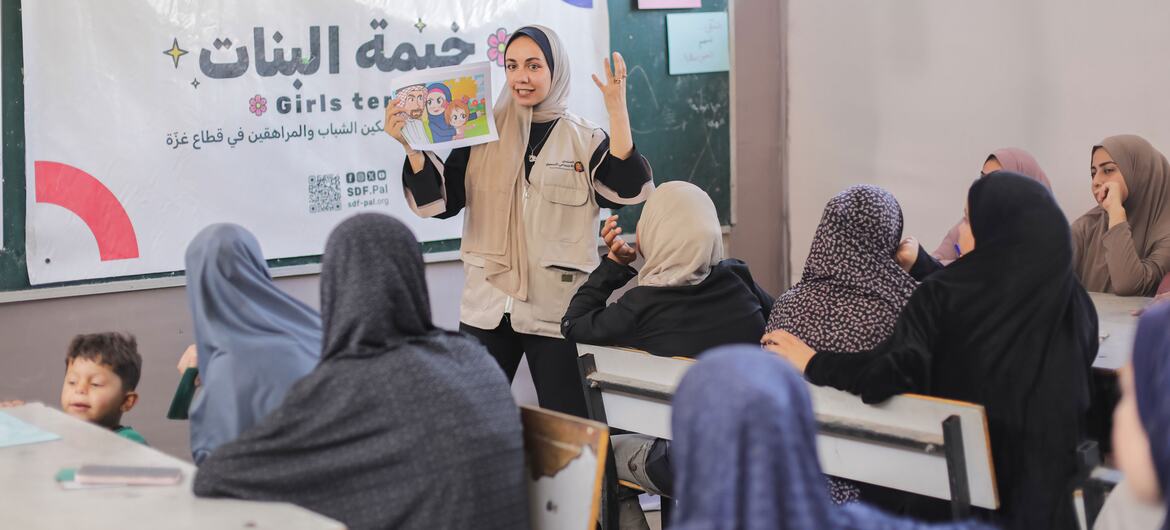
    A young female volunteer from the Social Development Forum conducts a Girls’ Tent initiative session for Comprehensive Sexual Education awareness for mothers and women in Gaza.

    © UNFPA/Social Development Forum

    A volunteer from the Social Development Forum conducts a Girls’ Tent initiative session.

    Services include group sessions, psychological first aid, individual counselling and a digital helpline known as the Youth Window, offering free remote support to marginalised young people.

    Still, challenges remain immense. Displacement, limited resources and harsh conditions, particularly in Gaza, where some safe spaces operate in tents exposed to extreme weather, continue to hinder operations.

    “Many families prioritise survival over mental health,” Ms. Alami noted, highlighting the need for integrated responses linking psychosocial support with food, health and education services.

    Read More

  • Middle East war: ‘Force of the law’ must prevail over the law of force, urges Guterres

    Middle East war: ‘Force of the law’ must prevail over the law of force, urges Guterres


    António Guterres was speaking to reporters outside the European Council in Brussels, where he briefed regional leaders on the importance of continuing multilateral cooperation between the EU and UN.

     He said the United States and Israel need to end their assault on Iran before it spirals “completely out of control”, leading to more civilian suffering, especially in least developed nations where the consequences of rising energy prices and supply chain bottlenecks could have “tragic consequences.”

    End the assault on energy

    Attacks in recent days by Israel and Iran on natural gas fields and other energy infrastructure in the Gulf have seen prices rise sharply for consumers, while multiple countries have called on Tehran to stop attacks and threats to shipping in the vital Strait of Hormuz off the Iranian coast. 

    Mr. Guterres urged Iran: “Stop attacking your neighbours; they were never parties to the conflict. The Security Council has condemned these attacks,” and has also ordered the reopening of the Strait.

    ‘Enormous pain’

    “The prolonged closure of the Strait of Hormuz causes enormous pain in so many people around the world that have nothing to do with this conflict,” the UN chief continued.

    “It’s time for the force of the law to prevail over the law of force. It’s time for diplomacy to prevail over war,” he said.

    Catch up on Thursday’s extensive live coverage from UN News here, if you missed it.

    Read More

  • MIDDLE EAST LIVE 19 March: Civilians bear the brunt as strikes and displacement rise

    MIDDLE EAST LIVE 19 March: Civilians bear the brunt as strikes and displacement rise


    The crisis in the Middle East continues, with ongoing strikes and rising humanitarian needs. The UN nuclear watchdog reported Wednesday that a projectile struck the site of Iran’s Bushehr nuclear power plant, although no casualties have been reported. In Lebanon, the humanitarian situation is worsening, with hundreds reported killed and more than one million people displaced. UN agencies are scaling up emergency assistance despite mounting challenges. Stay with us for live updates from across the UN system. App users can follow coverage here.

    Read More

  • Forests are more than a resource: How Belarus protects its vital ecosystem

    Forests are more than a resource: How Belarus protects its vital ecosystem


    Ahead of the International Day of Forests, observed on 21 March, deputy resident representative of the UN Development Programme (UNDP) in Belarus Armen Martirosyan told UN News about the threats facing this critical ecosystem and efforts to protect it.

    According to him, forests are not merely a natural resource, but a complex, self-regulating ecosystem. Its importance extends far beyond national borders.

    “Forests absorb and store carbon, playing a key role in climate change mitigation. They regulate water systems, protect soils from erosion and improve air quality,” Martirosyan said.

    Ecosystem and economy

    Today, forests cover nearly 10 million hectares of Belarus. That area has increased by one million hectares over the past 30 years, or one hectare per capita, which is twice the global average rate of growth, according to UNDP.

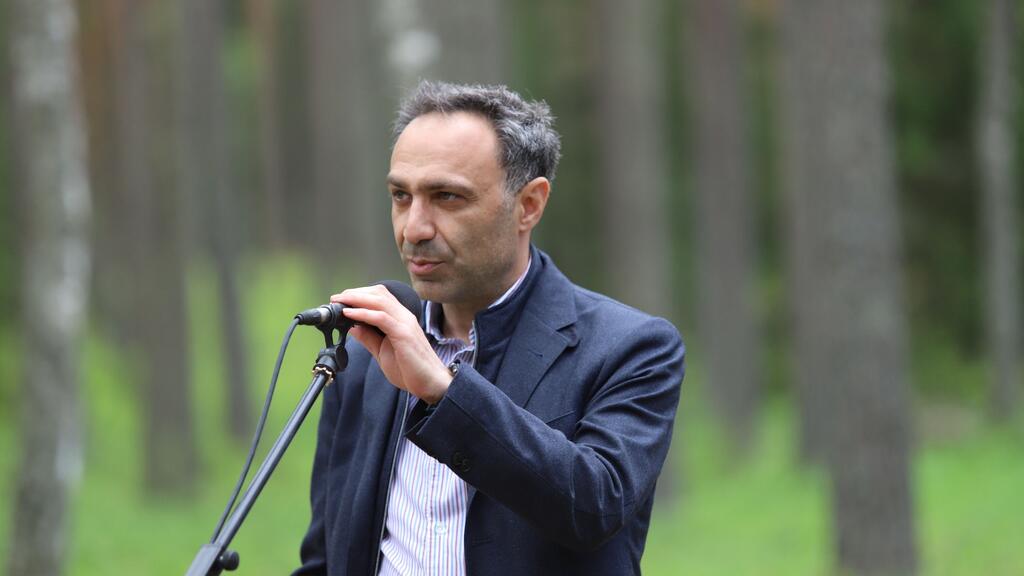
    A man in a suit speaking into a microphone in a forest setting.

    Armen Martirosyan, deputy resident representative of UNDP in Belarus.

    Forest ecosystems play a crucial role in preserving biodiversity, providing habitats for thousands of plant and animal species. Their economic contribution is equally significant, employing around 40,000 people in the forestry sector, with wood products accounting for 8.4 per cent of exports. Non-timber forest products, such as berries, mushrooms and medicinal plants, are also important.

    Forests also provide key spaces for recreation and tourism, creating new opportunities for small businesses and employment in the regions.

    “Ecotourism is becoming a priority in Belarus,” Mr. Martirosyan said. “Forests offer local communities opportunities to create jobs, develop small businesses and design educational eco-routes for residents and visitors alike.”

    Emerging threats

    However, forest ecosystems are facing growing threats, primarily linked to the impacts of climate change.

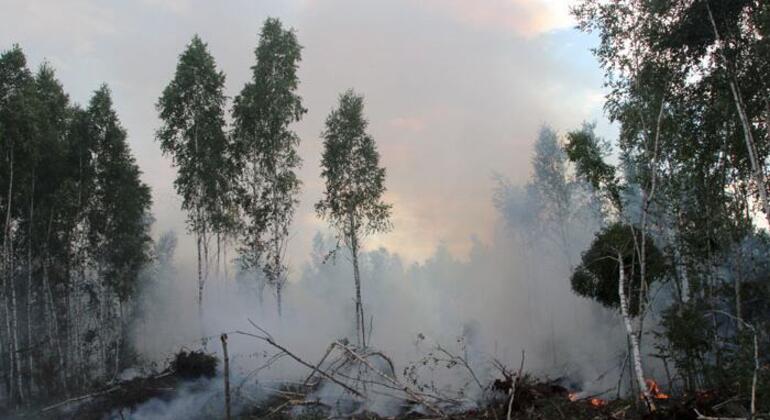
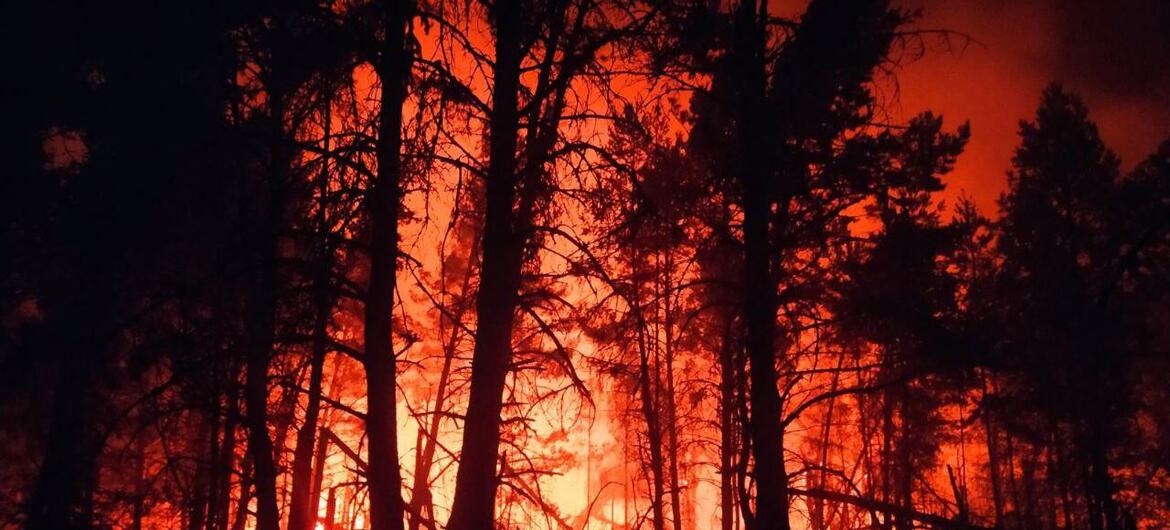
    One of the most serious challenges remains forest fires. Mr. Martirosyan stressed that this is directly connected to rising temperatures, shorter frost periods, changing precipitation patterns and intensity as well as the increasing frequency of extreme weather events. According to experts, since the start of the 2025 fire season, more than 700 fires have been recorded in Belarus, affecting over 1,200 hectares of forest, nearly twice as much as the previous year.

    Coniferous forests, which dominate in Belarus, are particularly vulnerable, as fires can cause severe damage to biodiversity and destroy entire ecosystems, he warned.

    “Forest pests are another serious challenge,” he said, pointing to an increase in recent years in insects such as bark beetles and sawflies, which is also linked to climate warming and the declining resilience of forest ecosystems.

    A dramatic night scene of a forest fire in Belarus, with bright orange flames illuminating the silhouettes of tall pine trees against a dark sky.

    Forest fire in Belarus.

    UNDP support

    Cooperating with the Ministry of Forestry of Belarus for many years, UNDP is helping to introduce modern approaches to forest management and the UN agency’s experts have developed recommendations for updating legislation in this field.

    In 2025, proposals were prepared on the use of digital technologies and innovative methods for forest inventory, protection and conservation along with more effective fire management. In February 2026, with UN support, a strategy and national action plan for the conservation and sustainable use of biodiversity were adopted in Belarus.

    A new project was launched last year to strengthen preparedness for fire prevention and response. It is the first project implemented by UNDP in Belarus with financial support from the Government of the People’s Republic of China under South-South cooperation framework. Another project focuses on developing ecotourism and is being implemented in cooperation with the Ministry of Natural Resources with support from the Russian Federation.

    “Ecotourism creates new sources of income for local communities while supporting protected areas,” the UNDP representative explained, adding that the project helps develop ecotourism infrastructure, create new routes and services, and train specialists working in Belarus’s nature reserves.

    “A forest is a living organism, he said. “It must be treated not simply as a resource, but as part of our shared reality, one on which our future depends.”

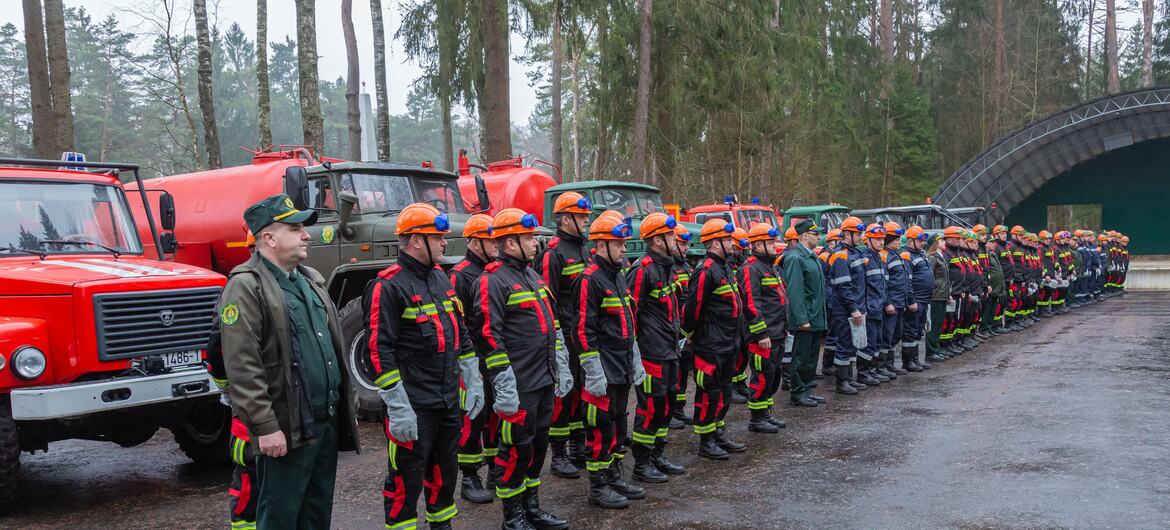
    A line of Belarusian firefighters in uniform and orange helmets standing in front of fire trucks in a forest.

    Firefighting personnel and equipment are inspected in preparation for the fire season in Belarus.

    Three steps to protect forests

    Joint efforts with partners at the international, national and local levels help build a systematic approach to forest management, ensure sustainable results and preserve forests for future generations, UNDP’s Mr. Martirosyan said, emphasising that protecting forests requires focusing on three key areas.

    • the use of innovation and digital technologies to monitor forest conditions and detect threats early
    • strengthening partnerships between the government, international organizations and local communities
    • education and raising environmental awareness, particularly among young people

    Read More