Category: UN

  • World News in Brief, Cuba blockade hits healthcare, Haiti’s ‘vortex of violence’, deadly Djibouti shipwreck

    World News in Brief, Cuba blockade hits healthcare, Haiti’s ‘vortex of violence’, deadly Djibouti shipwreck


    In an alert, the UN World Health Organization, WHO, warned that Cuban hospitals have been struggling to maintain emergency and intensive care services.

    “Thousands of surgeries have been postponed during the last month and people needing care…have been put at risk” from the lack of available power for medical equipment, said WHO Director-General, Tedros Adhanom Ghebreyesus.

    Healthcare must be protected

    He insisted that “health should be protected at all costs and never be at the mercies of geopolitics, energy blockades and power outages”.

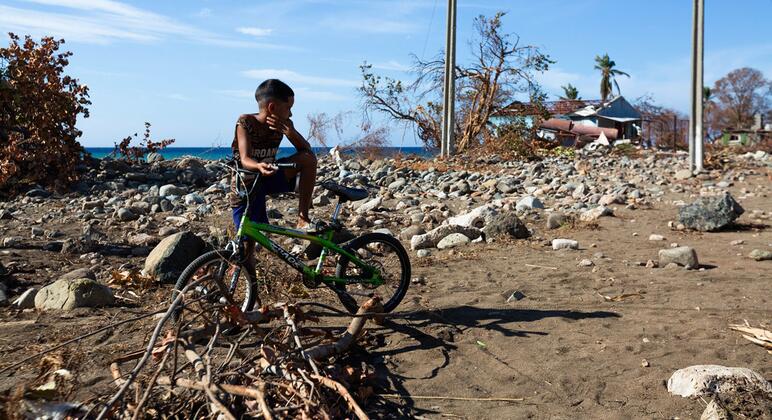
    This latest crisis for Cuba follows Hurricane Melissa last October, which affected more than 2.2 million people across the island nation.

    UN aid coordination office, OCHA, has launched a revised $94 million Plan of Action to address the worsening humanitarian impact of severe fuel shortages.

    Since January, reduced fuel imports have disrupted essential services. The updated plan aims to support two million people – around one in five Cubans – and now covers nearly half the country. So far, $26 million has been secured, leaving a funding gap of $68 million.

    The response prioritises maintaining essential services and sustaining life-saving supply chains, with a focus on health, water, food security and education, alongside alternative energy solutions. Access to fuel remains critical for implementation.

    Haiti’s ‘vortex of violence’ now at disastrous levels

    The Human Rights Council on Thursday examined the spiralling crisis in Haiti, as gangs starve and extort the Caribbean island’s people, according to the UN.

    Data from the UN human rights office, OHCHR, shows that at least 5,500 people were killed and 2,600 injured in gang-related violence between 1 March 2025 and 15 January 2026. 

    In an update, the Council heard that 65 per cent of these casualties happened during operations by security forces against gang members. More than one in five victims – including children – were struck by stray bullets in their homes or on the street.

    Latest indications are that gangs control most of the capital, Port-au-Prince, and they are expanding into its outskirts and moving north, into the Artibonite and Centre departments.
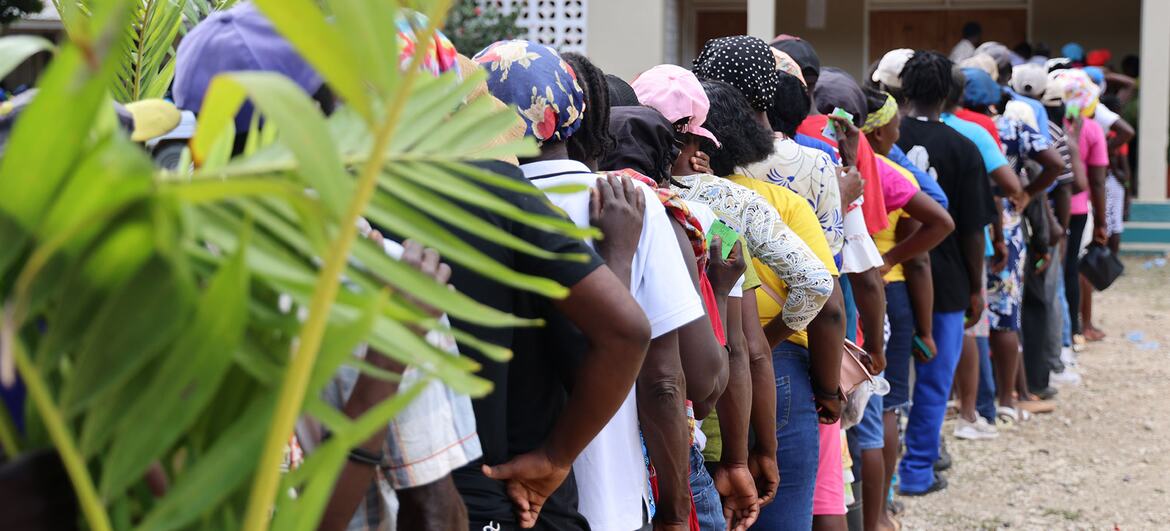
    A long line of people wait outdoors in Haiti for cash distribution as part of a World Food Programme (WFP) 'cash for work' program, with green tropical plants in the foreground.

    People displaced by violence in Haiti wait in line at an aid distribution site.

    Weapons-fuelled disaster

    The emergency is “fuelled by weapons”, said Deputy High Commissioner, Ms. Al-Nashif, who described a “vortex of violence” and urged all governments to implement the Security Council’s arms embargo in full and stop firearms and ammunition reaching Haiti.

    Gangs “kill, kidnap, beat and burn the bodies of anyone who gets in their way. This includes people who resist extortion and those they perceived as collaborating with the police,” Ms. Al-Nashif said. 

    She highlighted disturbing evidence that gangs coerce children into committing targeted killings, sexual violence and kidnapping, as well as monitoring security forces and collecting extortion payments.

    The violence has internally displaced more than one million people; thousands more have been displaced in recent weeks.

    Deadly Djibouti shipwreck leaves dozens missing

    At least nine migrants have died and 45 remain missing after a boat capsized off the coast of Djibouti, the UN migration agency, IOM, reported on Thursday.

    The vessel, believed to have been carrying more than 300 people, sank on 24 March as it attempted to cross the Bab el-Mandeb Strait towards Yemen. Survivors said many on board were Ethiopian nationals seeking better opportunities in Gulf countries.

    “Every life lost at sea is one too many,” said Tanja Pacifico, IOM Chief of Mission in Djibouti, warning that the tragedy could be “the first of many incidents this year” as harsher seasonal winds and rough seas set in.

    So far, the bodies of six men and three women have been recovered, while more than 120 survivors are receiving assistance at a migrant response centre in Obock. Support includes food, shelter, healthcare and psychosocial services.

    Search and rescue operations led by Djibouti authorities are ongoing.

    Refugees and migrants, essential contributors’

    UN health agency WHO on Thursday published a new report highlighting that refugees and migrants are more than just recipients of care, “they are essential contributors to our health systems and our societies.”

    WHO added that when their health and inclusion is supported by host societies, we can all build stronger, fairer and more resilient communities. Find out more here

    Read More

  • Ukraine: danger is only increasing, warns UN human rights office

    Ukraine: danger is only increasing, warns UN human rights office


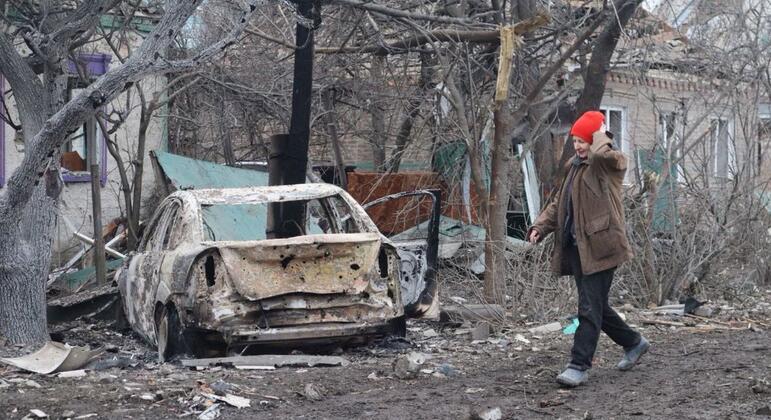
    “During the first two months of this year, 60 per cent of all civilian casualties were in frontline regions (and) almost half of those killed were older persons,” said Deputy High Commissioner for Human Rights, Nada Al-Nashif. 

    In a scheduled update on the war to the Human Rights Council in Geneva, Ms. Al-Nashif noted that the leading cause of death and injury was “attacks involving short-range drones” in both Ukrainian government-controlled areas and territory occupied by Russia. 

    UN data shows that in 2025, at least 580 civilians were killed and 3,000 injured in such attacks. But in just the first two months of this year, 107 civilians were killed and 430 injured, representing a near-doubling of the casualty rate. 

    A full 95 per cent of casualties were caused by short-range drones targeting Government-controlled territory, the Deputy High Commissioner added.

    Frontline victims

    Danger is ever-present in frontline areas occupied by Russia too, including Oleshky district in Kherson region, where residents describe “frequent drone attacks”, ambassadors heard.

    Together with landmines along roads… evacuation (is) extremely difficult and dangerous, leaving many people trapped close to the frontline,” Ms. Al-Nashif maintained, describing food shortages and other critical humanitarian needs.

    Turning to repeated attacks by Russian forces on Ukraine’s energy infrastructure, the Deputy High Commissioner noted that these have intensified this winter, “including strikes on systems that heat residential buildings, causing severe hardship for civilians”. 

    Today, Ukraine has lost more than half its capacity to generate electricity, causing power outages across the country “of up to 22 hours a day in some areas”, Ms. Al-Nashif explained. 

    “Hundreds of thousands of civilians were left without heating, some for weeks and even months, in temperatures that often fell below minus 15°C,” she continued, before citing reports that could not be confirmed of attacks on energy facilities in Russian-controlled areas, too.

    Echoing those concerns, the UN Children’s Fund, UNICEF, warned that youngsters have endured “the toughest winter” of the war so far, caused by attacks on energy and water infrastructure that have disrupted electricity, heating and water and sanitation amid freezing temperatures.

    “Children lost an estimated 79 to 88 per cent of effective learning time between mid-January and mid-February,” said the agency’s Anne Grandjean, Programme Specialist.

    Plight of captured soldiers

    The Deputy High Commissioner also highlighted longstanding concerns of Russia’s “widespread” and continuing ill-treatment of captured soldiers.

    Over 96 per cent of the Ukrainian prisoners of war that we interviewed said they were subjected to torture and ill-treatment during their captivity” since Russia’s full-scale invasion in February 2022, Ms. Al-Nashif explained.

    In a call to Russia “to stop this war”, the senior UN human rights official also urged Moscow to “halt extrajudicial executions, torture, ill-treatment and other violations against prisoners of war and civilian detainees…In short, to meet in full their obligations under international law”. 

    The Deputy High Commissioner also called on Ukraine “to safeguard prisoners of war from torture and ill-treatment” and end discrimination against people often left with no choice but to leave territory occupied by Russia. 

    Right to reply

    Responding to those comments, Ukraine’s Permanent Representative to the UN in Geneva, Yevhenii Tsymbaliuk, underscored the widespread impact of the war in uprooting thousands of civilians in Donetsk, Luhansk, Kherson, Zaporizhzhia and Crimea – “a deliberate strategy by Russia to terrorise civilians, suppress dissent and punish those who refuse to abandon their homes or comply with Russia’s illegal policies”. 

    Dismissing the UN Deputy High Commissioner’s update on the war, the Russian delegation urged her to “stop upholding the Kyiv regime” alleging a “war on dissenters, bloggers, journalists, enemies of Zelensky”. 

    Many of the UN Human Rights Council’s 47 Member States also spoke at the oral update on the Ukraine war, which has been a regular feature of its work since Russia’s illegal annexation of Crimea in 2014. 

    “We are appalled by Russia’s increased targeting of civilian life, instilling fear and trauma,” Germany’s delegation said. “Widespread and systematic missile and drone attacks have killed and injured ever more civilians in recent months.”

    Taking the floor, China’s delegation stressed its country’s commitment “to promoting talks for peace and advancing political settlement of the Ukraine crisis”. 

    Read More

  • World News in Brief: 273 million out of school, deadly attacks on Ukraine, migratory species in danger

    World News in Brief: 273 million out of school, deadly attacks on Ukraine, migratory species in danger


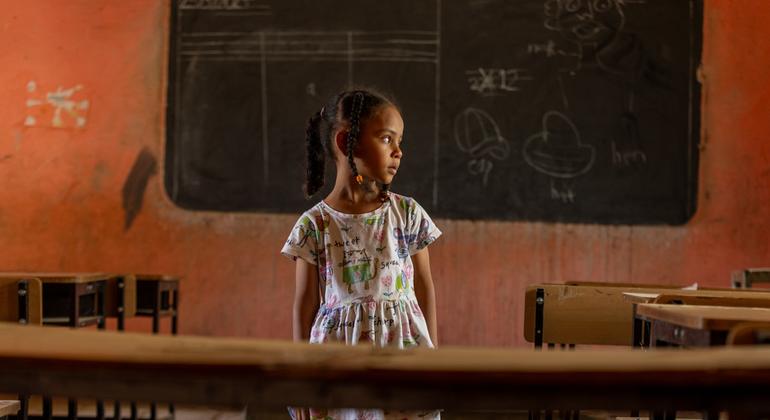
    The 2026 Global Education Monitoring (GEM) Report finds that one in six school-age children are excluded from education, while only two in three complete secondary school.  

    Progress has slowed across most regions since 2015, with conflict and population growth among the main drivers.

    “Progress in keeping children in school has slowed across almost every region,” the report notes, with sub-Saharan Africa particularly affected. 

    In conflict zones, the situation is even more acute, with millions more children out of school than official figures capture. 

    Gains registered too 

    Despite these setbacks, UNESCO highlighted significant gains over the past two decades. Global enrolment has risen sharply, with “more than 25 additional children accessing school every minute” since the year 2000. 

    Some countries have made remarkable progress, slashing out-of-school rates and expanding access to all levels of education.  

    However, the report cautions that no single policy can tackle exclusion, urging tailored approaches and sustained investment to ensure all children can learn. 

    Ukraine: Massive drone and missile attack reported 

    UN human rights monitors reported on Wednesday that Russia launched a massive and deadly new wave of attacks in Ukraine two nights ago. 

    According to the UN Human Rights Monitoring Mission in Ukraine (HRMMU), on 23 to 24 March Russia launched “nearly 1,000 drones and dozens of missiles” at Ukrainian cities, killing at least six people and injuring almost 100.  

    “The attacks damaged residential areas, medical facilities, and energy infrastructure,” the mission said. 

    Targets included a monastery in the western city of Lviv and a maternity hospital in neighbouring Ivano-Frankivsk region.  

    Deadly tactic 

    The UN mission noted that this latest barrage was a repeat of an alarming tactic used by Russia last year that involved firing “powerful, long-range weapons against densely populated areas”, contributing to increased civilian casualties. 

    It is more than four years since Russia launched its full-scale invasion of Ukraine.  

    More than 15,000 civilian killings have been confirmed, although the true number is likely much higher, according to the UN monitoring mission. 

    Additionally, 3.7 million people are now internally displaced in areas still controlled by the Kyiv government. 

    Migratory species in decline  

    Nearly half of all migratory species that require protection are declining, according to a report by the UN Environment Programme (UNEP) and the World Conservation Monitory Centre.  

    The figure is up from 44 per cent two years ago. Likewise, species threatened by extinction have also risen, to 24 per cent from 22 per cent previously. 

    “Protecting these [migratory] species cannot be achieved by any country acting alone. Their survival depends on coordinated international action,” UNEP’s Elizabeth Maruma Mrema told the global conference on the conservation of migratory species (CMS COP15), taking place in Brazil. 

    Environmental multilateralism works 

    “At a time of geopolitical tensions and uncertainty, one important truth stands out: environmental multilateralism works,” she said. 

    “Cooperation to protect biodiversity especially migratory species that cross borders and oceans is both effective and essential,” she added. 

    Read More

  • UN chief calls for immediate release of 118 detained UN staff

    UN chief calls for immediate release of 118 detained UN staff


    The figure marks a significant increase from the 52 UN staff in detention this time last year. In Yemen alone, 73 UN staff remain detained by the de facto Houthi authorities, including eight from the UN’s human rights office.

    In a statement marking the International Day of Solidarity with Detained and Missing Staff Members, the UN chief said “no colleague is forgotten” and urged Member States to uphold international law to ensure safe and unimpeded humanitarian work.

    The UN has a presence on the ground in some of the world’s most dangerous and unstable locations including Gaza, Afghanistan, Sudan, Ukraine, Yemen, Haiti and the Democratic Republic of the Congo.

    “Any detention not only violates fundamental human rights, international law and immunities, it also undermines vital humanitarian efforts, delaying lifesaving assistance to millions of people,” said the President of the General-Assembly, Ms. Annalena Baerbock.

    Majority detained in Yemen

    In Yemen, UN staff continue to face arbitrary arrests whilst “some have been deprived of their liberty for five years now,” the Human Rights chief, Volker Türk, said.

    “Every day, the injustice of their detention is compounded. Their suffering, and that of their families, is intolerable,” he added.

    The staffers are being held in areas of the country under the control of the de facto Houthi authorities. Since 2014, Yemen has been in a civil conflict between Houthi militants and the internationally-recognized Government.

    The Human Rights High Commissioner called on the de facto authorities in Yemen to release immediately and unconditionally the 73 UN staff.

    Under no circumstances can UN personnel be detained, much less charged with crimes, for undertaking their vital work on behalf of the Yemeni people,” Mr. Türk said.

    ‘UN staff should never be targeted’

    In a video address to mark the International Day, Ms Baerbock said “UN staff should never be a target…they are giving their lives, every day, to support communities in dire need and for the principles of the United Nations.”

    Echoing these calls, Mr. Türk paid tribute to the thousands of UN staff who work in the most difficult situations, in crises and conflicts, to serve communities in need of support.

    Solidarity and justice

    The International Day of Solidarity with Detained and Missing Staff Members marks the anniversary of the abduction of Alec Collett, a former journalist working for the UN Palestine refugee agency, UNRWA, who was abducted by a gunman in 1985. His body was found in Lebanon’s Bekaa Valley in 2009.

    The aim of the international day is to mobilise action, demand justice and strengthen the resolve to protect UN staff and peacekeepers, as well as workers in the non-governmental community and the press. In recent years, the day has taken on even greater importance as attacks against the United Nations intensify.

    “Today and every day, let’s stand with those who serve humanity, and ensure they are protected and supported as they carry out their essential work,” Mr. Guterres said.

    Read More

  • Gulf war ‘out of control’, Guterres warns, as UN appoints envoy to push for peace

    Gulf war ‘out of control’, Guterres warns, as UN appoints envoy to push for peace


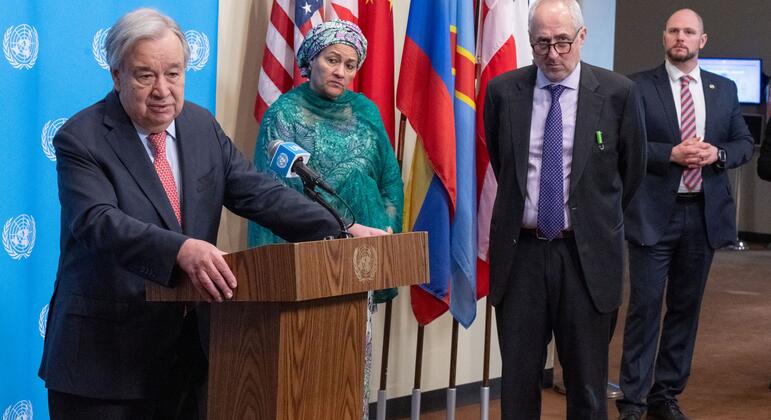
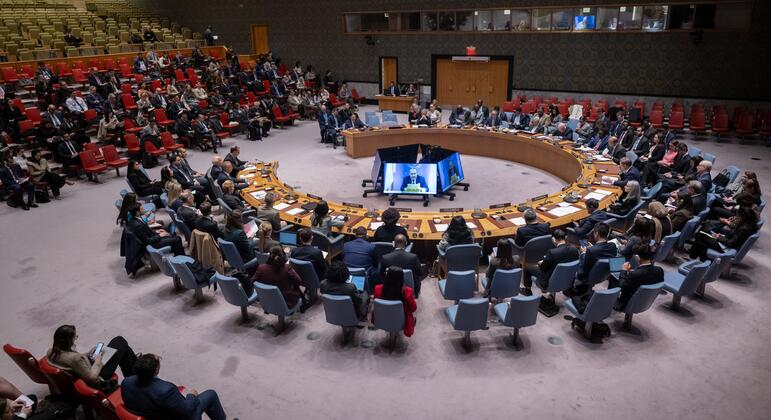
    Speaking outside the UN Security Council in New York to journalists on Wednesday, Mr. Guterres said the conflict had spiralled far beyond what leaders had anticipated.

    The world is staring down the barrel of a wider war, a rising tide of human suffering, and a deeper global economic shock,” he said, adding bluntly: “This has gone too far.”

    Envoy to work ‘directly on the ground’

    The Secretary-General confirmed he has appointed veteran diplomat Jean Arnault as his Personal Envoy to lead UN efforts to end the conflict which has upended the entire region with shockwaves spreading worldwide – especially impacting energy markets reliant on the crucial Strait of Hormuz chokepoint. 

    The envoy will work “more directly on the ground… to support all the efforts for mediation, all the efforts for peace”, engaging with all parties and assessing the conflict’s far-reaching impacts.

    Mr. Guterres delivered stark messages to key actors. He urged the United States and Israel that “it is high time to end the war”, while calling on Iran “to stop attacking their neighbours that are not parties to the conflict”. 

    He also stressed that freedom of navigation, particularly through the Strait of Hormuz, must be respected, warning that its prolonged disruption is choking vital supplies of oil, gas and fertiliser.

    Humanitarian toll will worsen

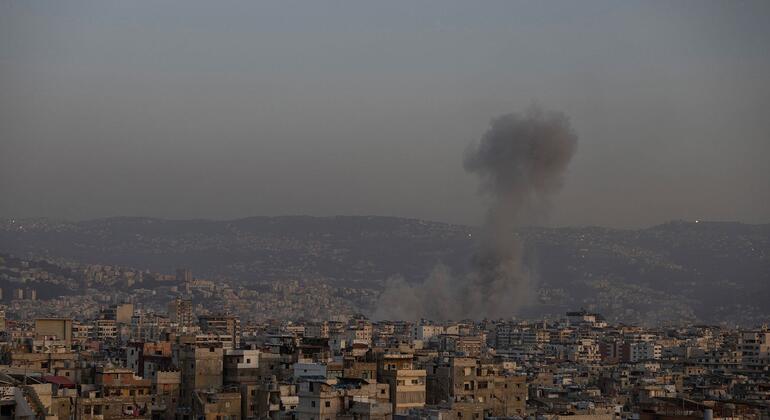
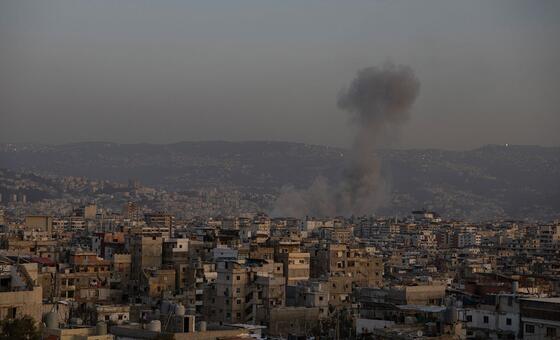
    Highlighting the humanitarian toll, he said civilians across the region were “enduring serious harm and living under profound insecurity”. Referring to Lebanon, he insisted that “the war must stop”, calling on Hezbollah to halt attacks into Israel and on Israel to cease strikes that are “hitting civilians the hardest”.

    The Secretary-General also cautioned against the broader global fallout, noting that markets are “in turmoil” and humanitarian operations constrained

    The economic shock, he said, is hitting the most vulnerable hardest, particularly in developing countries already struggling with debt and rising costs.

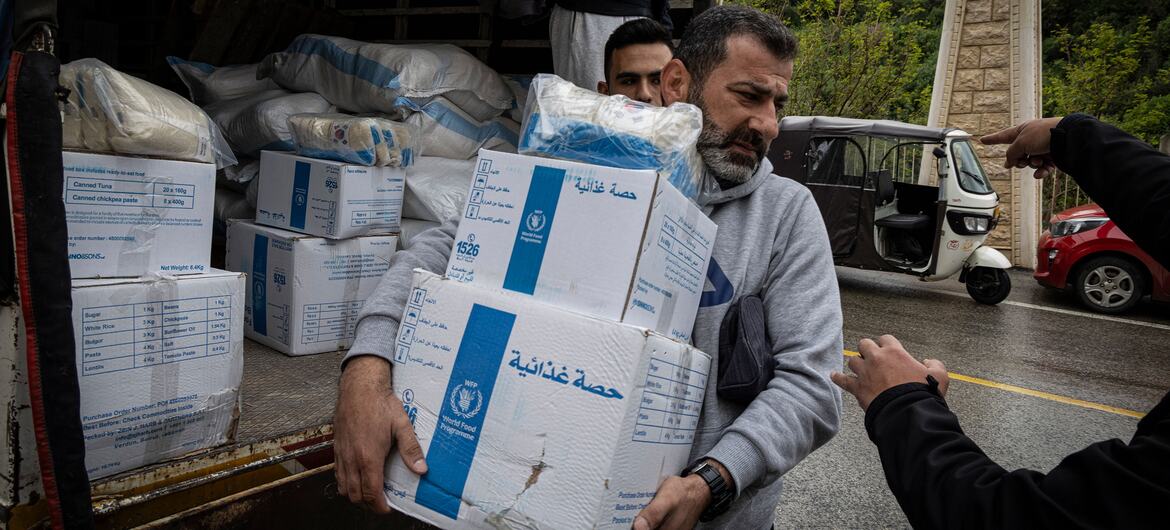
    A man carries boxes of food aid from a truck. The boxes are labeled with the World Food Programme (WFP) logo and Arabic text. The scene takes place outdoors in a rural area of Lebanon, showing a humanitarian aid distribution to displaced families.

    Aid is distributed to displaced families in northern Lebanon.

    Hunger tomorrow

    He pointed to the disruption of fertiliser supplies as a looming threat to global food security. “Without fertilisers today, we might have hunger tomorrow,” he warned, adding that soaring energy prices risk fuelling inflation and deepening poverty worldwide.

    Despite mounting tensions and continued military escalation, Mr. Guterres insisted there remains a path forward. “Diplomacy must prevail,” he said. “War is not the answer… We need a way out of this disaster.”

    “Diplomacy is the way out. Full respect of international law is the way out. Peace is the way out.”

    Read More

  • UN resolution urges reparations for slavery’s ‘historical wrongs’

    UN resolution urges reparations for slavery’s ‘historical wrongs’


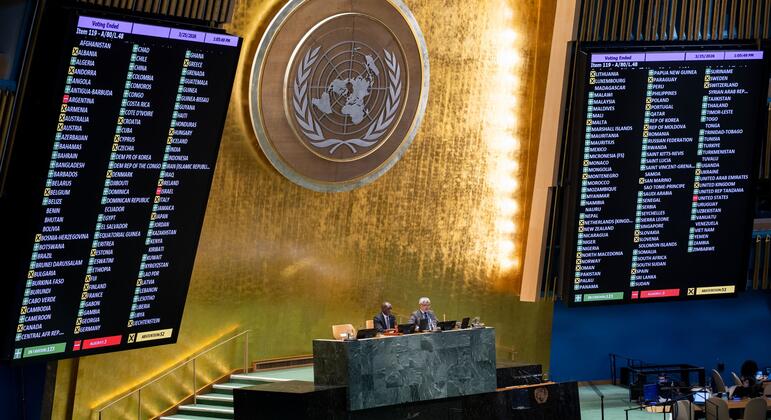
    The resolution spearheaded by Ghana received 123 votes in favour.  Three countries – Argentina, Israel and the United States – voted against and 52 abstained.  

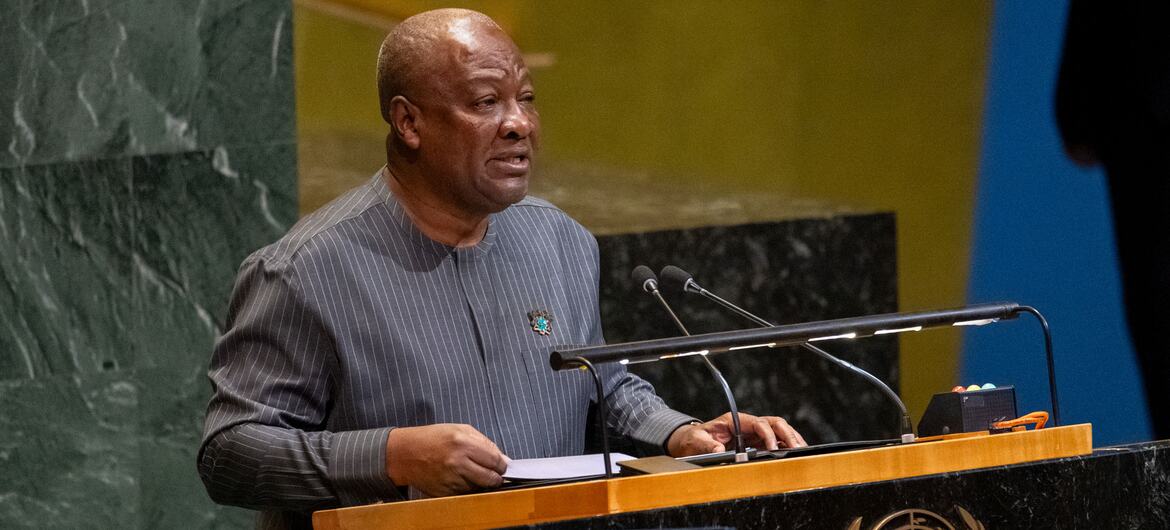
    “Today, we come together in solemn solidarity to affirm truth and pursue a route to healing and reparative justice,” said Ghana’s President John Dramani Mahama, speaking ahead of the vote on behalf of the 54-member African Group – the largest regional bloc at the UN. 

    President John Mahama of Ghana speaking at the United Nations General Assembly podium.

    President John Mahama of Ghana addresses the UN General Assembly on the International Day of Remembrance of Victims of Slavery and Transatlantic Slave Trade.

    Stolen, shackled, shipped 

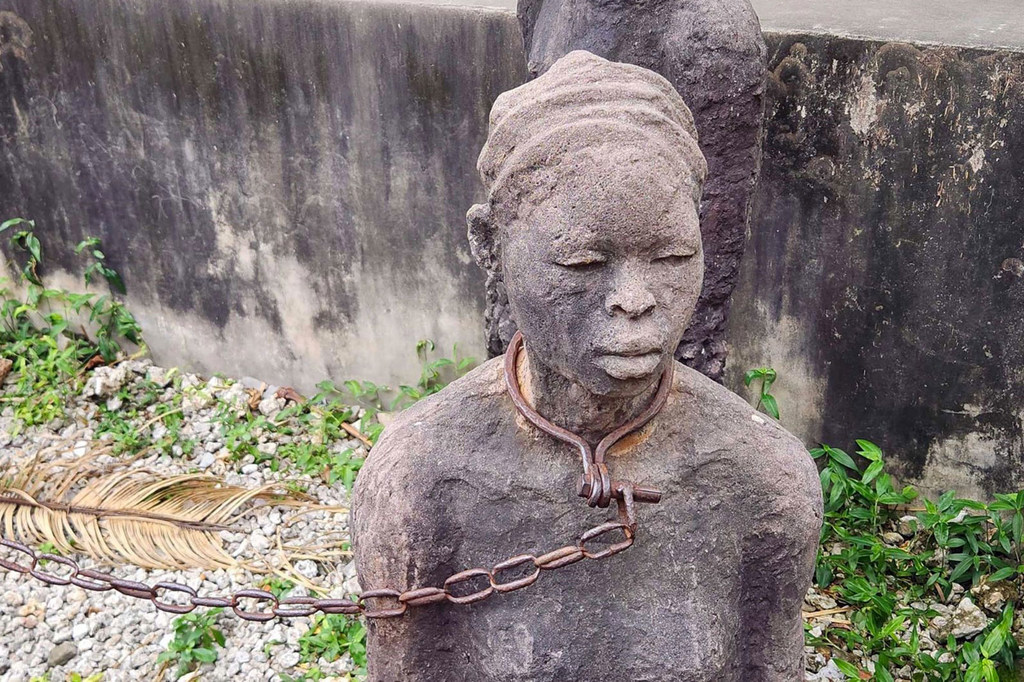
    For more than 400 years, millions of people were stolen from Africa, put in shackles and shipped to the New World to toil in cotton fields and sugar and coffee plantations under scorching heat and the crack of the whip. 

    Denied their basic humanity and even their own names, they were forced to endure generations of exploitation with repercussions that reverberate today including persistent anti-Black racism and discrimination. 

    The resolution emphasised “the trafficking of enslaved Africans and racialised chattel enslavement of Africans as the gravest crime against humanity by reason of the definitive break in world history, scale, duration, systemic nature, brutality and enduring consequences that continue to structure the lives of all people through racialized regimes of labour, property and capital.” 

    There are spirits of the victims of slavery present in this room at this moment, and they are listening for one word only: justice.

    Esther Philips, First Poet Laureate of Barbados

    A slavery memorial in Stone Town, Zanzibar, United Republic of Tanzania.

    UN News/Elizabeth Scaffidi

    A slavery memorial in Stone Town, Zanzibar, United Republic of Tanzania.

    Address wrongs, support reparations 

    It affirmed the importance of addressing historical wrongs affecting Africans and people of the diaspora in a manner that promotes justice, human rights, dignity and healing, while emphasising that claims for reparations represent a concrete step towards remedy.    

    The text was “highly problematic in countless respects,” Ambassador Dan Negrea, US representative to the UN Economic and Social Council (ECOSOC), said prior to the vote. 

    He regretted that Washington “must once again remind this body that the United Nations exists to maintain international peace and security” and “was not founded to advance narrow specific interests and agendas, to establish niche International Days, or to create new costly meeting and reporting mandates.” 

    Furthermore, the US “does not recognise a legal right to reparations for historical wrongs that were not illegal under international law at the time they occurred.” 

    A grave human rights violation 

    The horrors of slavery echoed in the General Assembly Hall as Member States commemorated the International Day to remember its victims. 

    The slave trade and slavery stand among the gravest violations of human rights in human history – an affront to the very principles enshrined in the Charter of our United Nations and the Universal Declaration of Human Rights, themselves born, in part, from these injustices of the past,” said Assembly President Annalena Baerbock. 

    The countries where enslaved Africans were taken from also suffered “a hollowing out” having lost entire generations who potentially could have helped them to prosper. 

    “It was, to put it in colder terms, mass resource extraction,” she said. 

    Remove persistent barriers 

    UN Secretary-General António Guterres called for confronting slavery’s lasting legacies of inequality and racism. 

    Now we must remove the persistent barriers that prevent so many people of African descent from exercising their rights and realising their potential,” he said. 

    “We must commit — fully and without hesitation — to human rights, equality, and the inherent worth of every person.”  

    In this regard, the Second International Decade for People of African Descent and the African Union’s Decade of Reparations are significant. 

    Respect for African countries 

    He urged countries to use them to drive action to eradicate systemic racism, ensure reparatory justice and accelerate inclusive development, marked by equal access to education, health, employment, housing, and a safe environment. 

    “But far bolder actions — by many more States — are needed,” he added. 

    “This includes commitments to respect African countries’ ownership of their own natural resources. And steps to ensure their equal participation and influence in the global financial architecture and the UN Security Council.” 

    No peace without reparatory justice 

    The Poet Laureate of Barbados, Esther Philips, read from some of her works including a piece about a young girl walking on the grounds of a former sugar plantation and not understanding its historical significance as her ancestors buried there look on.  

    There are spirits of the victims of slavery present in this room at this moment, and they are listening for one word only: justice,” Ms. Philips told delegates. 

    “Because for them and for the world, there can be no peace without justice –reparatory justice – and that call is answered only when words are turned into action. The question is, what will you do?” 

    Read More

  • MIDDLE EAST LIVE 25 March: Strait of Hormuz, Human Rights Council meets

    MIDDLE EAST LIVE 25 March: Strait of Hormuz, Human Rights Council meets


    It’s day 26 of war in the Middle East. Ongoing strikes in Israel and Iran have included intensifying Israeli attacks against Hezbollah targets in Lebanon, while some 2,000 US troops are reportedly about to mobilize to the region. Meanwhile, Iran has told the UN maritime agency that the Strait of Hormuz remains open to “non-hostile” ships not associated with the US and Israel. In Geneva, a rare urgent debate on the crisis is also getting under way at the Human Rights Council. Stay with us for live updates from across the UN system. UN News app users can follow coverage here.

    Read More

  • Gaza: Commitment to US-backed plan crucial to recovery, Security Council hears

    Gaza: Commitment to US-backed plan crucial to recovery, Security Council hears


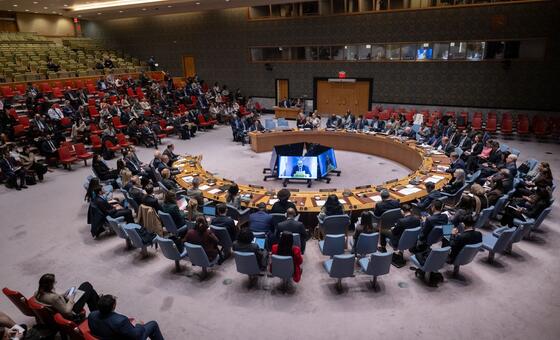
    High Representative for Gaza Nickolay Mladenov – a former top UN official in the region – was speaking during a meeting on implementation of Council resolution 2334 (2016) which demands that Israel immediately cease all settlement activity in the occupied Palestinian territory.  

    It was held some four months after ambassadors adopted resolution 2803 (2025) endorsing the US-backed Comprehensive Plan to End the Gaza Conflict, which welcomed establishment of the Board of Peace as a transitional administration to set the framework for redevelopment and authorised the mechanism to set up a temporary International Stabilisation Force (ISF). 

    Ceasefire still holding 

    The first phase of the US 20-point plan – which led to a ceasefire between Israel and Hamas last October – is largely complete, Mr. Mladenov said, and the truce is holding despite challenges.

    The National Committee for the Administration of Gaza (NCAG) has been constituted and has made progress on vetting thousands of civilian police candidates.  

    The National Committee exercises authority solely on an interim basis. The end state is a reformed Palestinian Authority capable of governing Gaza and the West Bank, and ultimately a pathway to Palestinian self-determination and statehood,” he said. 

    Discussions on decommissioning  

    Furthermore, Indonesia, Morocco, Kazakhstan, Kosovo and Albania have committed troops to the ISF, while a comprehensive framework for the decommissioning and reintegration of armed groups has been developed by his office alongside guarantors the US, Egypt, Türkiye and Qatar. 

    The framework has been formally presented to all relevant parties and serious discussions are currently underway. It rests on five principles, the first of which is reciprocity.  

    “Decommissioning proceeds in parallel with staged withdrawal. This is fundamental to the credibility of the entire process,” he said. 

    Mr. Mladenov asked for the Council’s support in reiterating that decommissioning is not only a fundamental requirement, but the only way forward towards reconstruction and Israeli military withdrawal, “and for the rights of the Palestinian people to self-determination and statehood to be pursued through meaningful negotiations.” 

    Seize the day 

    Members were also requested “to use all means at their disposal to urge Hamas and all Palestinian factions to accept the framework without delay.”  

    The High Representative added that “the full implementation of the Comprehensive Plan is also the only pathway that provides Israel with durable security.” 

    He was adamant that there can be no credible path to Palestinian self-determination and statehood if Gaza remains under the control of Hamas and other armed groups. 

    “That is why everyone – every member of this Council, every State in the region, the Palestinian National Authority and every Palestinian faction that cares about peace – has an interest in the implementation of the 20-Point Comprehensive Plan.” 

    Settlement activity accelerating 

    Ramiz Alakbarov, UN Deputy Special Coordinator for the Middle East Peace Process, delivered the Secretary-General’s latest quarterly report on implementation of resolution 2334 (2016), which showed that Israeli settlement activity continued at high levels during the period ending 13 March. 

    Israeli authorities advanced or approved more than 6,000 housing units in the occupied West Bank and East Jerusalem, among other measures.  Demolitions of Palestinian-owned structures also accelerated, while evictions and acts of violence continued, with a high number of fatal incidents. 

    Overall, 32 Palestinians were killed in the West Bank – including seven children – during large scale Israeli Security Forces operations, armed exchanges, settler attacks, and other incidents.  

    Some 833 Palestinians, including 138 children, were injured, including 178 by Israel Security Forces due to tear gas inhalation and 141 by live ammunition, and 322 by Israeli settlers and other civilians. 

    Palestinian attacks against Israelis continued in both the West Bank and Israel, which included the killing of two Israelis as well as ramming and stabbing attacks. 

    Important step  

    Meanwhile, roughly 1.4 million people in Gaza remain displaced across 1,200 sites, and many are living in overcrowded and unsafe conditions.  

    Mr. Alakbarov also shared some of the Secretary-General’s observations from the report, including regarding the launch of Phase Two of the US-led Plan, noting that the UN chief described the establishment of the National Committee for the Administration of Gaza as an important step.   

    “It is crucial that all parties fully abide by their commitments so that recovery can proceed in Gaza while advancing a credible political horizon towards a two-State solution,” he said. 

    “In coordination with the Palestinian Authority, the UN stands ready to support the Committee’s efforts to provide critical public services, facilitate humanitarian aid, and lay the groundwork for reconstruction.” 

    LATE UPDATE: For full speaker-by-speaker coverage, check out this story from our Meetings Coverage Section

    Read More

  • World News in Brief: Airstrikes continue in Ukraine, refugees return to DR Congo, emergency aid for the ‘Dry Corridor’

    World News in Brief: Airstrikes continue in Ukraine, refugees return to DR Congo, emergency aid for the ‘Dry Corridor’


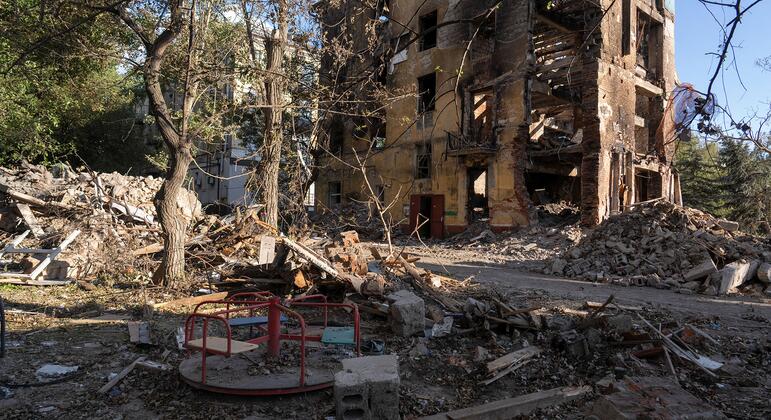
    The strikes hit residential buildings, pre-schools and shops. Humanitarians are providing first aid, psychosocial support, repair materials and other emergency assistance.

    The attacks come after the UN head of political and peacebuilding affairs, Rosemary Di Carlo, told the Security Council on Monday that the violence in Ukraine is “worse than ever” .

    Concern over nuclear power plant 

    The Zaporizhzhya Nuclear Power Plant (ZNPP) in southern Ukraine lost the connection to the 750kv Dniprovska line today, leaving it dependent on its sole back-up line for external power.

    ZNPP has been in Russian hands since 4 March 2022 and has since continued to be damaged by shelling. 

    The head of the International Atomic Energy Agency (IAEA), Rafael Grossi, said that its team is monitoring the situation and have also initiated discussions with both sides on establishing a local ceasefire to enable repairs of the damaged power line.

    Refugees return to DRC as border reopens  

    More than 33,000 Congolese refugees have returned from Burundi to eastern Democratic Republic of the Congo (DRC) since the reopening of the border on 23 February.
     
    Most returnees are crossing near Uvira in the South Kivu province of DRC after fleeing to Burundi in December 2025 when fighting between Government forces and the M23 armed group forced thousands to flee the area.

    “Many returned to find their homes destroyed and belongings looted, leaving them in deep despair and unable to resume normal life without substantial support,” the head of UN refugee agency, UNHCR, in the DRC, Ali Mahamat, said on Tuesday.

    Lack of funding as thousands remain in Burundi 

    Around 30 per cent of returnees had been living in Burundi’s Busuma refugee site, where funding shortfalls are leading to overcrowding and limited water, sanitation, medicine and shelter, which is accelerating refugee returns. 

    Nearly 4,500 people remain in transit centres awaiting relocation to Busuma. As of 23 March, Burundi continues to host about 109,000 Congolese refugees, including around 67,000 in Busuma.

    With UNHCR’s operation in the DRC only 34 per cent funded and its response for Congolese refugees in Burundi just 20 per cent funded, the agency is calling for urgent international support to ensure that returns take place in conditions of safety, dignity and sustainability.

    A group of African refugees, including women and children, queue for registration with a UNHCR worker in DR Congo.

    © UNHCR/Fabrice Mbonankira

    Thousands of Congolese refugees are making their way home from Burundi.

    Drought relief in Central America

    The UN agency responsible for coordinating humanitarian relief, OCHA, has allocated $10.5 million to help people ahead of a severe drought across the so-called ‘Dry Corridor’ along the coast of El Salvador, Guatemala and Honduras.

    Roughly 90 per cent of Central America’s population live in the ‘Dry Corridor’, and according to the UN World Food Programme (WFP) an estimated 2.7 million people there are in urgent need of food assistance as of early 2026.

    UN Emergency Relief Coordinator Tom Fletcher allocated the amount from the Central Emergency Response Fund (CERF) to support communities that include many subsistence farmers who face failing crops, rising food insecurity and growing pressure on their livelihoods.

    Thousands to receive cash relief

    This new funding will allow OCHA and its humanitarian partners to act early to reduce humanitarian needs, protect jobs and help families stay ahead of any shock.

    Some 150,000 people across the three countries will receive cash to purchase food, seeds resistant to drought and livestock feed, as well as health support and water and sanitation services.

    Read More

  • ‘Truly transformative’ new diagnostic tools can help end tuberculosis

    ‘Truly transformative’ new diagnostic tools can help end tuberculosis


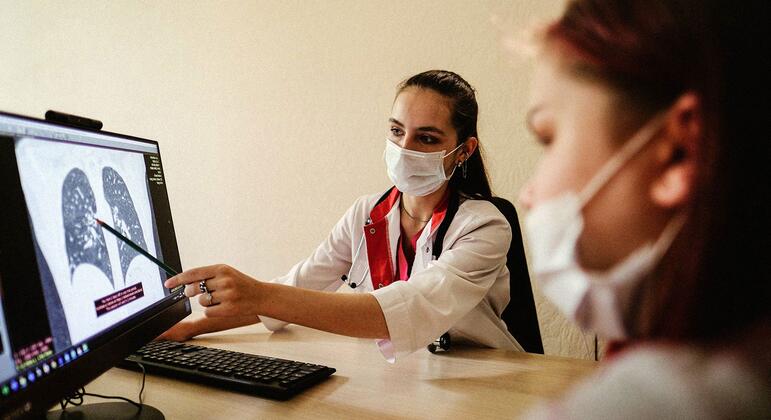
    TB is caused by bacteria that most often affects the lungs.  Every day, over 3,300 people die from the disease, with Southeast Asia accounting for nearly 40 per cent of deaths. Yet it is both preventable and treatable, including by using the antibiotic rifampicin. 

    WHO has issued new guidelines on testing, recommending that countries deploy innovations such as new near-point-of-care molecular diagnostic tests and tongue swabs, both of which can help with faster detection. 

    Fast and accurate diagnosis 

    The tests cost half the price of those currently available, operate on battery power and deliver results in less than an hour, meaning that treatment can begin sooner. 

    Tongue swabs allow adults and young people who cannot produce sputum to receive TB testing for the first time.  Specimens can therefore be easily collected, thus enabling detection among people who are at an increased risk of dying from the disease. 

    These new tools could be truly transformative for tuberculosis, by bringing fast, accurate diagnosis closer to people, saving lives, curbing transmission and reducing costs,” said WHO Director-General Tedros Adhanom Ghebreyesus. 

    Beyond TB, they also have the potential to test for other diseases such as HIV, mpox, and HPV (human papillomavirus). 

    The guidelines also recommend a sputum pooling strategy in which samples from several individuals are mixed and tested together – an approach that can improve testing efficiency and significantly reduce costs, particularly when resources are constrained. 

    Global health funding slashed 

    WHO noted that although global efforts to combat TB have saved roughly 83 million lives since the year 2000, funding cuts are putting these gains at risk.   

    Uptake of rapid diagnostic tools has been a challenge in many countries due to factors such as high costs and reliance on sample transport to support testing at centralized laboratories. 

    Although the new technologies represent a critical step forward, the UN agency said ending TB will require sustained investment in research and innovation at a time when global funding for research remains far below the estimated $5 billion needed annually. 

    We can end TB 

    The new guidelines were issued on World TB Day which is being celebrated under the theme “Yes! We can end TB.” 

    WHO urged governments to accelerate roll out of the new diagnostic tools, strengthen people-centred TB care and build resilient health systems. 

    They are also encouraged to tackle the social and economic drivers of the disease, and protect essential TB services amid global crises and funding constraints. 

    Every dollar spent combating TB generates up to $43 in health and economic returns, according to Dr. Tereza Kasaeva, Director of WHO’s Department for HIV, Tuberculosis, Hepatitis and Sexually Transmitted Infections. 

     “What is required now is decisive leadership, strategic investment and rapid implementation of WHO recommendations and innovations to save lives and protect communities,” she said. 

    Read More