Category: Switzerland

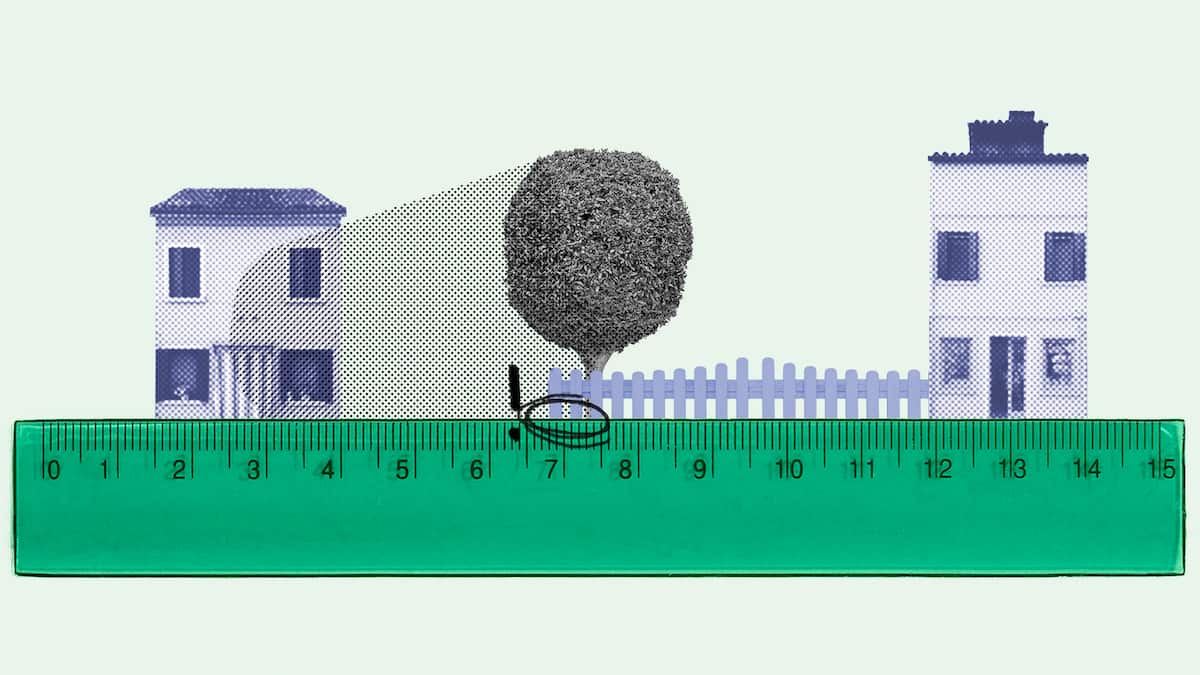
  • Nachbarschaftsstreit: Diese Abstände gelten für Pflanzen

    Nachbarschaftsstreit: Diese Abstände gelten für Pflanzen


    Nachbarschaftsstreit: Diese Abstände gelten für Pflanzen

    So gehen Sie vor, wenn ein Baum zu nah steht

    Wenn eine Pflanze zu nah an der Grundstücksgrenze wächst, sprechen Sie am besten die Nachbarin oder den Nachbarn in einem ersten Schritt darauf an. Vielleicht finden Sie ja eine einvernehmliche Lösung.

    Fassen Sie per Einschreiben nach, wenn Sie sich nicht einigen können. Machen Sie sich über die kantonalen Regeln kundig. Meist wird man im kantonalen Einführungsgesetz zum Zivilgesetzbuch fündig. Schauen Sie darin nicht nur die geltenden Abstände, sondern auch die allfällige Verjährungsfrist nach.

    Wenn die Nachbarin oder der Nachbar Ihre Forderungen ignoriert, steht Ihnen der gerichtliche Weg offen. Am besten lassen Sie sich rechtlich beraten, bevor Sie sich zu diesem Schritt entscheiden.

    Read More

  • Winter returns to Switzerland after early spring warmth

    Winter returns to Switzerland after early spring warmth


    After an unusually mild spell, winter is set to return to Switzerland this weekend. Temperatures are expected to drop sharply—by about 10°C—between Friday night and Saturday, according to MétéoSuisse. Snow is also forecast to return, although the snowline and expected amounts remain uncertain.

    scenic view of mount rigi in switzerland
    Photo by Jean-Paul Wettstein on Pexels.com

    Spring had seemed to arrive early this year, with trees budding and daffodils already in bloom. But by Saturday afternoon temperatures in the lowlands may reach only 7–8°C. That would mark a sharp contrast with recent conditions, when several local records for late February were broken. On February 27th temperatures reached 20°C in Fahy and 17.6°C in La Chaux-de-Fonds.

    Snow possible
    Snowfall is also possible. Although forecasts remain uncertain, snowflakes could fall at around 600–700 metres, with 10–15cm of fresh snow above roughly 1,000 metres.

    MétéoSuisse notes that such a cold snap is not unusual for mid-March and would simply bring temperatures closer to seasonal norms. The return of winter is also expected to be brief: sunshine and milder conditions, with temperatures of around 12°C, are forecast for next week.

    A warm February globally
    Globally, February 2026 was the fifth-warmest February on record. Average global temperatures reached 13.3°C, about 1.5°C above pre-industrial levels (1850–1900).

    Europe’s picture was more mixed. The continent experienced one of its colder Februaries of the past 14 years overall, with particularly low temperatures in Scandinavia, Finland, the Baltic states and north-western Russia. By contrast, western and southern Europe were unusually mild.

    In Switzerland, the warmth was especially noticeable at lower altitudes. In Neuchâtel and Payerne February 2026 ranked as the third-mildest February since records began, tied with 1990 and behind 2024 and 2020. The same ranking was recorded in Sion.

    Several heat records for February were broken. On February 27th temperatures reached 20°C in Fahy, 17.6°C in La Chaux-de-Fonds and 16.3°C in La Brévine—all new records for the month. Temperatures also climbed well above seasonal norms elsewhere, reaching around 18°C in Zurich, about 17°C in Basel and roughly 16°C in Bern during the late-February warm spell.

    More on this:
    Meteo Swiss forecast (in French) – Take a 5 minute French test now

    For more stories like this on Switzerland follow us on Facebook and Twitter.


    Read More

  • What we know about Switzerland’s new transit tax for foreign drivers

    What we know about Switzerland’s new transit tax for foreign drivers


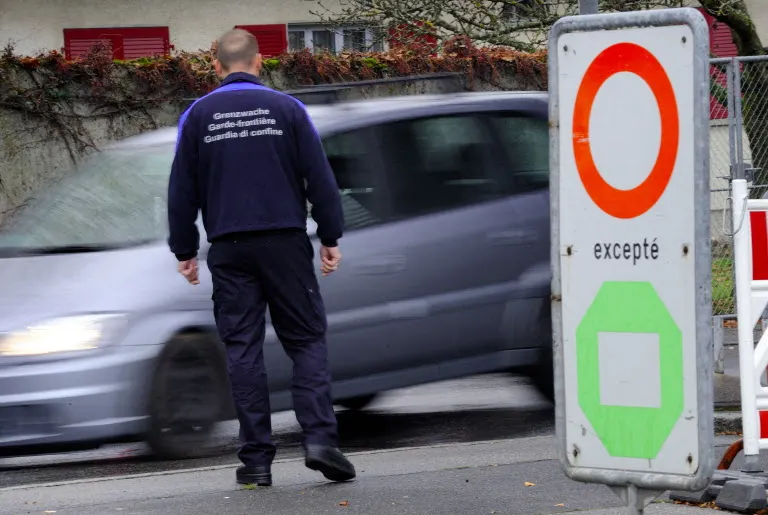
    After a long-winded debate in the Parliament, deputies have voted in favour of introducing a fee for foreign drivers who merely transit through Switzerland without spending any time here.

    Read More

  • Canton Bern ready to call feminicide by its proper name

    Canton Bern ready to call feminicide by its proper name


    Canton Berne ready to call feminicide by its proper name

    Canton Berne ready to call feminicide by its proper name


    Keystone-SDA

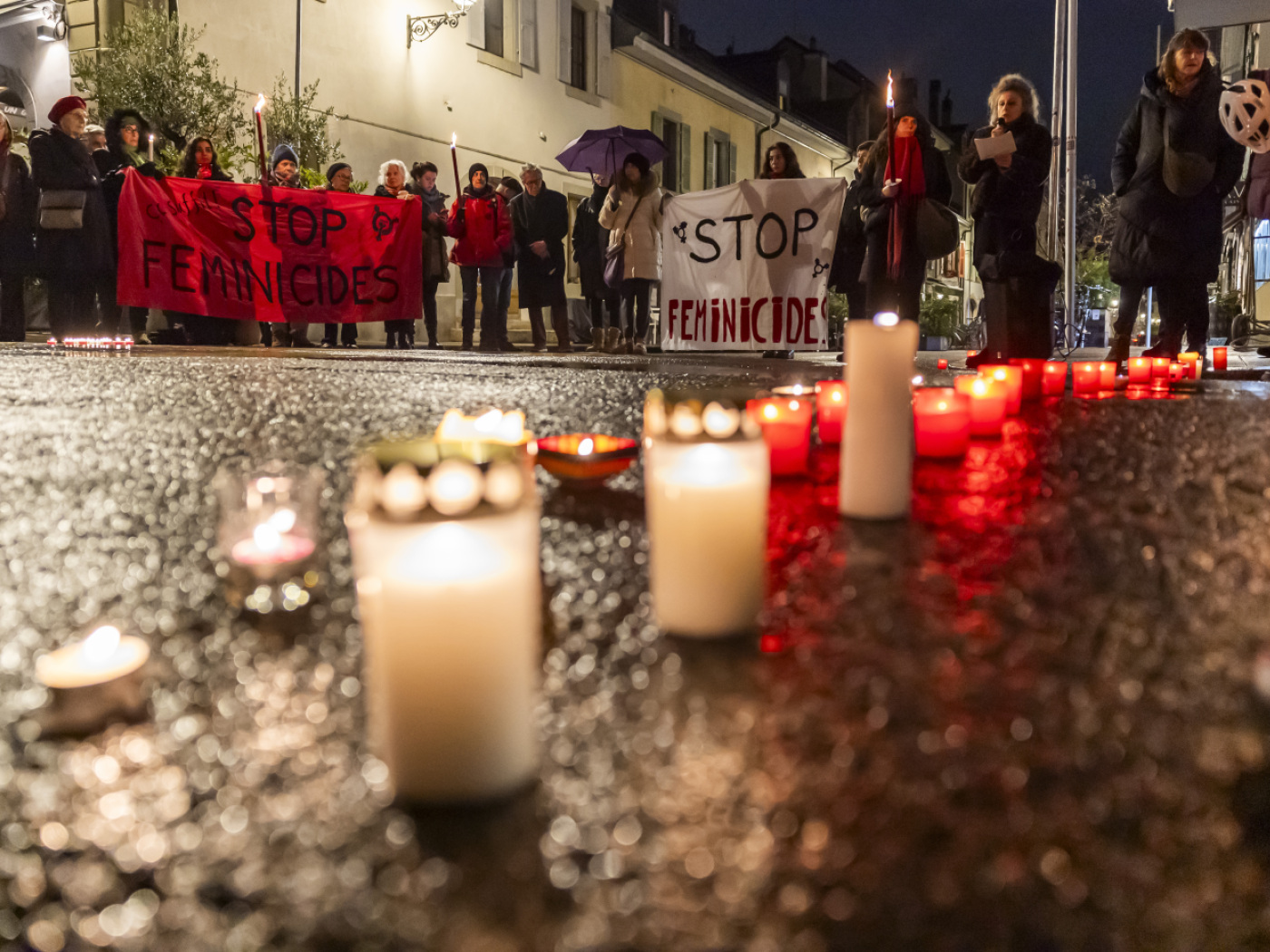
    The executive council of canton Bern is prepared to explicitly mention feminicide in its crime statistics. However, it does not wish to go it alone, preferring to wait until a national definition and criteria have been established for recording these acts of violence.

    +Get the most important news from Switzerland in your inbox

    The motion put forward by Green Party parliamentarian Manuel C. Widmer calls on the government to include feminicides in the annual crime statistics for the canton of Bern, separately and as such. At present, there is no official institution that systematically documents this type of crime in Switzerland.

    The authors of the motion point out that feminicide reflects violence rooted in patriarchal power structures in society. They believe that violence inflicted on women is often regarded as a private matter. “In Switzerland, the term ‘feminicide’ is still not firmly anchored in political discourse”.

    Uniform standards

    In its recently published response to the motion, the government supports in principle the creation of a separate category in the annual crime statistics. But it stresses that it would be inappropriate to limit the figures to the canton of Bern alone.

    Bern’s executive council considers it necessary to make a comparison at national level and to agree on a single definition and uniform factors for analysing the data. It therefore refers to the postulate “Feasibility study for keeping statistics on feminicides” submitted by parliament to the Federal Council.

    In the view of the Bernese cantonal government, feminicides could be included in the crime statistics of each canton on the basis of a uniform definition and criteria.

    Translated from French by AI/ds

    We select the most relevant news for an international audience and use automatic translation tools to translate them into English. A journalist then reviews the translation for clarity and accuracy before publication.  

    Providing you with automatically translated news gives us the time to write more in-depth articles. The news stories we select have been written and carefully fact-checked by an external editorial team from news agencies such as Bloomberg or Keystone.

    If you have any questions about how we work, write to us at english@swissinfo.ch

    Read More

  • ‘He paints phalluses the way others paint landscapes’: the disturbing genius of erotica pioneer Félicien Rops | Art and design

    ‘He paints phalluses the way others paint landscapes’: the disturbing genius of erotica pioneer Félicien Rops | Art and design


    During an oppressively hot week in Paris in 1878, the bohemian Belgian artist Félicien Rops painted a picture of a woman walking her pet pig. In it, the woman is blindfolded and naked – bar some stockings, long black gloves and a jaunty feathered hat – and the pig has a cute, pink curlicue of a tail. Pornocrates – which roughly translates as “the ruler of fornication” – is an eye worm. Once seen, it’s hard to forget.

    Rops recalled composing his most famous work “in an overheated apartment, full of different smells, where the opopanax and cyclamen gave me a slight fever conducive towards production or even towards reproduction”. As viewers of Laboratory of Lust, a new exhibition on Rops at Kunsthaus Zurich, will discover to their amazement, or perhaps indignation, mating and painting were indelibly linked in Rops’ psyche.

    Hard to forget … Pornocrates, 1896, Félicien Rops. Photograph: Royal Library of Belgium (KBR), Brussels

    In the late 19th century, Rops created a vast oeuvre of drawings, etchings, prints and paintings of such breathtaking fruitiness – often laced with satanic elements – that even Picasso responded to him in awe (in homage, the Spaniard drew a cartoon of a man in the form of a pig performing cunnilingus on a woman). Rops’ works depicted naked witches riding brooms, voyeurs in top hats and courtesans riding penis-shaped bicycles. The French art critic Félix Fénéon called him an artist “who paints phalluses the way others paint landscapes”.

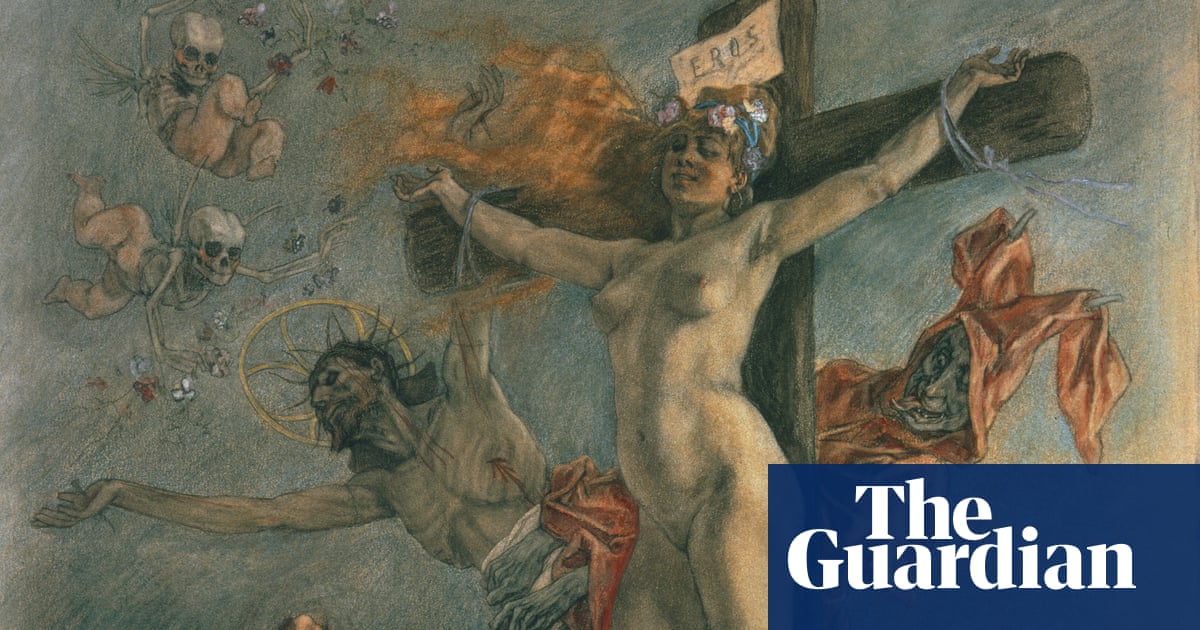
    “Even today’s viewers are sometimes left breathless – whether at the sight of a naked woman tied to a cross, a risque Parisian woman walking her pig, or an Eve being ensnared by a phallic snake,” notes Ann Demeester, director of Kunsthaus Zurich. Rops would have loved such gasping. Writing about his most shocking images, he noted: “I sometimes do things like this to bring my backside up to the level of your faces.”

    Rops was born in Namur in central Belgium in 1833. The son of a wealthy industrialist, he was an unlikely future decadent. He studied law and married the daughter of a magistrate, who owned a local castle. He might have settled into the life of a country squire but art, Paris and philandering beckoned. With a razor-sharp goatee and brooding brow, Rops had the looks of a young Ethan Hawke. He perfected a kind of shabby-garret style of dress.

    His illustrative work, for authors such as Charles Baudelaire and Paul Verlaine, shifted from realist subjects to his infamous fantastical pictures of the women of the demimonde – who he called Ropsiennes. He saw modern women as femme fatales, but it was the bourgeois men undone by temptation that were his real target.

    His own love life matched his art. Having abandoned his wife and son, he lived for three decades in a menage à trois with the sisters Léontine and Aurélie Duluc, and fathered children with both. He navigated the outrage of the more moralistic elements of belle epoque society, and his unconventional domestic situation underpinned an extraordinarily successful career: by the mid-1870s he was the most highly paid illustrator in Paris. He died, aged 65, in 1898, the same year that he received the Légion d’honneur. In his later years, he grew roses.

    L‘Heure du Sabbat, 1874, Félicien Rops. Photograph: Royal Library of Belgium (KBR), Brussels

    There is a small, dedicated group of collectors for works by Rops, says Claude Piening, specialist in 19th-century European pictures at Sotheby’s. “His watercolours and his oil paintings don’t come up often because many are spoken for by museums and collectors. What does come up is his printed work and if you’re a bibliophile you’ll see his work in frontispieces.” A rare and candid watercolour, Le Calvaire (Les Sataniques), in which a woman is strangled by her own hair while wedged under the genitals of a crucified Satan, sold at Sotheby’s in 2007 for about £160,000. The auction catalogue observed: “Satan’s testicles sitting atop the woman’s face like a beret are more comical than frightening.”

    There are no issues in offering Rops’ work at international auctions. “There’s erotica or pornography, but that shouldn’t be conflated with art. It’s two different things,” says Piening. “His subjects are quite risque, yes, or, for want of a better word, original. Now, as they were then. And, yes, he might have been out to shock, but at the same time he’s doing this as a self-respecting artist.”

    The Zurich exhibition has been orchestrated by Jonas Beyer from the Kunsthaus Zurich and Daan van Heesch, curator for prints and drawings at the Royal Library of Belgium (which has loaned pictures from its 2,000-strong collection of works by the artist). On view will be secret albums that were destined to be viewed in a “male collector’s cabinet”, including frontispieces to pornographic novels and standalone drawings of sex workers.

    How difficult is it to stage Laboratory of Lust in an age of conflicting conversations about sex, of #MeToo and OnlyFans? “That’s a central question,” acknowledges Beyer. “I think in Zurich it will be a task to show such explicit works. It’s very traditional.” Phalluses perhaps don’t sit easily with high-end chocolate and luxury watches. “It’s worth the risk because we’re in times when you have to discuss sexuality. If you look at the Epstein files, I think you have to talk about how male culture perceives women.”

    Félicien Rops, 1860s-70s. Photograph: Heritage Images/Getty Images

    The curators aim to present Rops in the round. “He was one of the most accomplished and successful symbolist artists of his time, working together with all the famous authors,” says Van Heesch. “But at the same time his art is so disturbing, violent and shocking, and fascinating as well. I think we want to look him in the eye and read him a bit against the grain, without cancelling him.”

    Read More

  • Switzerland to Vote on Capping Population at 10 Million


    After a campaign by a right-wing opposition party, the government will hold a referendum in June that would require measures to limit immigration.

    Read More

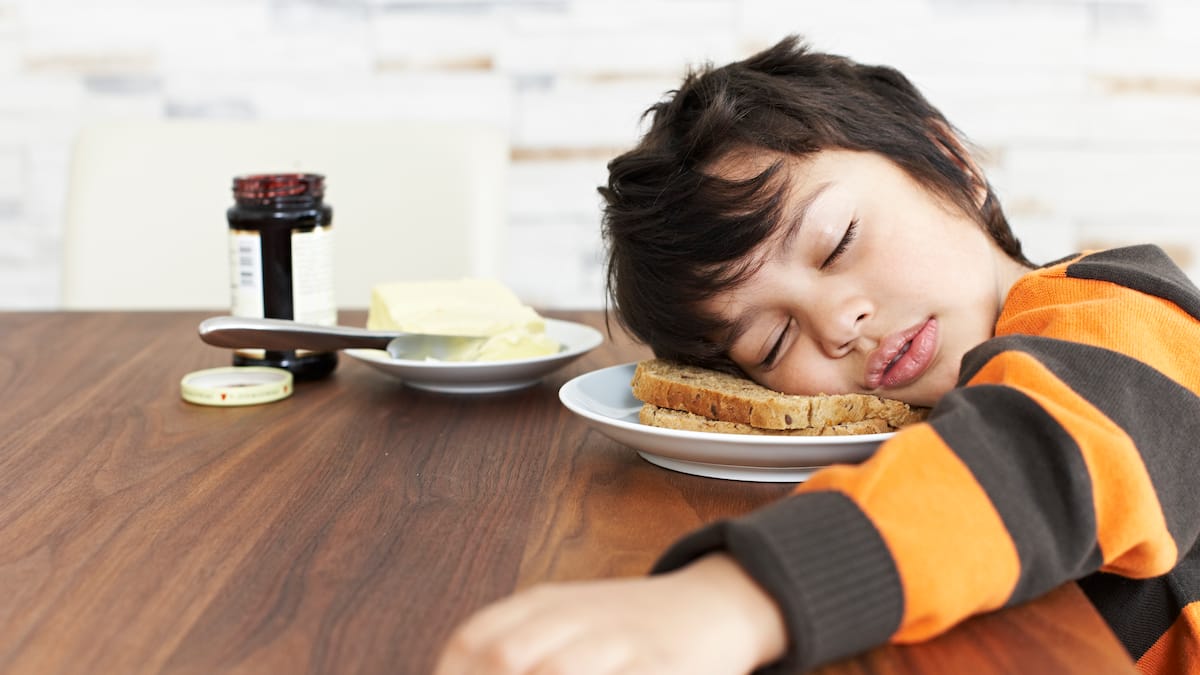
  • Zeitumstellung Kinder: 5 Tipps gegen den Mini-Jetlag

    Zeitumstellung Kinder: 5 Tipps gegen den Mini-Jetlag


    Zeitumstellung Kinder: 5 Tipps gegen den Mini-Jetlag

    5. Geduld haben

    Ganz egal, wie sehr wir uns bemühen und wie sehr wir alle Tipps und Tricks befolgen, es kann immer sein, dass Kinder in den Tagen vor und nach einer Zeitumstellung quengeliger sind als sonst. Hier helfen wir ihnen – und uns – am besten, wenn wir ruhig und geduldig bleiben. Wohlwissend, dass es vorbei geht und dass es jedes Kind früher oder später bestens schafft, sich im neuen Rhythmus zurecht zu finden.

    Read More

  • Swiss government submits EU agreements package to parliament

    Swiss government submits EU agreements package to parliament


    The Federal Council has sent a package of agreements with the European Union to parliament, allowing lawmakers to begin debating a plan aimed at stabilising and developing Switzerland’s relations with the bloc.

    Presenting the proposal in Bern, Guy Parmelin, the president of the confederation, said the package was in Switzerland’s interest. Strengthening the bilateral approach, he argued, was the only way to preserve a balanced degree of political autonomy while maintaining close ties with the EU in economic, scientific and social fields.

    The government says a stable legal framework is essential. Without updating existing agreements, it argues, the bilateral relationship would gradually lose substance. The package is intended to safeguard Swiss interests in areas including the free movement of people, land transport, electricity and food safety.

    Economic benefits
    A more reliable framework would support Switzerland’s export-oriented economy, Mr Parmelin said. For instance, about 73% of Swiss exports to the EU would fall under the agreement on the mutual recognition of conformity assessments, which reduces technical barriers to trade.
    Immigration under the free-movement regime would remain linked to labour-market needs. Switzerland has also negotiated a new safeguard clause that it could activate independently if inflows become excessive.

    Beat Jans, the justice minister, sought to address concerns about social immigration. People entering Switzerland without a job contract, he said, would have to demonstrate that they have sufficient financial means.

    Research and wage protection
    The package also updates rules on wage protection, one of the last contentious issues in negotiations. An agreement associating Switzerland with EU programmes is already being applied provisionally, allowing Swiss researchers to participate in initiatives such as Horizon Europe. Mr Parmelin described the arrangement as essential for Switzerland’s position as an innovation hub.

    The government stressed that the agreements would not limit Switzerland’s system of direct democracy. Citizens would still be able to launch initiatives or referendums against new developments in EU-related law.

    Two-part package
    The proposal is divided into two parts. The first aims to stabilise and update existing agreements covering air and land transport, trade in food products, the mutual recognition of conformity assessments and the free movement of people.

    The second focuses on expanding cooperation, including new agreements on electricity and food safety as well as a health-cooperation accord. Switzerland and the EU also plan to establish a high-level political dialogue and stronger parliamentary cooperation.

    Legal changes
    Implementing the package would require three new federal laws—covering state-aid supervision, administrative cooperation on professional qualifications and Switzerland’s contributions to European cohesion—as well as 36 amendments to existing legislation.

    The agreements also set out a mechanism for dynamically updating relevant EU law in areas covered by the treaties. But, said Ignazio Cassis, the foreign minister, dynamic does not mean automatic: Switzerland would assess each new EU act before deciding whether to adopt it.

    A dispute-settlement procedure is also envisaged. If disagreements cannot be resolved within a joint committee, they would be referred to an arbitration tribunal whose rulings would be legally binding. On questions involving the interpretation of EU law, the tribunal would consult the Court of Justice of the European Union.

    Parliament is free to amend the legislative changes linked to the package. Six of the seven members of the Federal Council are expected to take part in the parliamentary debates.

    The upcoming parliamentary discussion will bring Switzerland one step closer to a refreshed deal with the EU.

    More on this:
    Federal Council press conference (in German and French) – Take a 5 minute French test now

    For more stories like this on Switzerland follow us on Facebook and Twitter.


    Read More

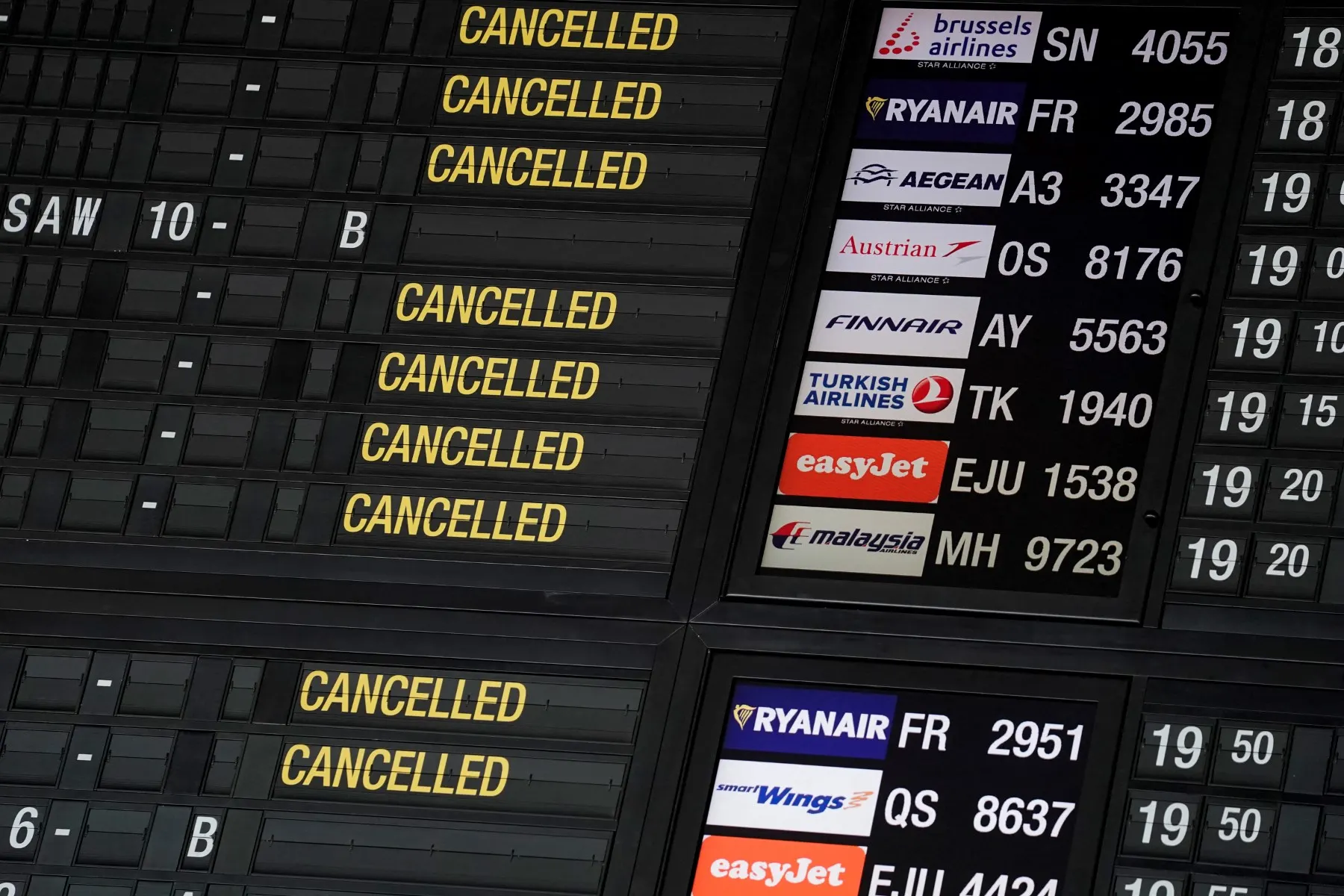
  • What you need to know as European airlines cancel hundreds of flights

    What you need to know as European airlines cancel hundreds of flights


    Amid ongoing geopolitical uncertainty in the Middle East and soaring jet fuel prices, European airlines have cancelled hundreds of flights this spring. The impact on flight services could last for months.

    Read More

  • Revisiting a Swiss Arctic expedition at UNIGE

    Revisiting a Swiss Arctic expedition at UNIGE


    A look back at a Swiss Arctic expedition at UNIGE

    A look back at a Swiss Arctic expedition at UNIGE


    Keystone-SDA

    On Tuesday March 31, the University of Geneva (UNIGE) and the Fondation Pacifique are organising an evening dedicated to the Arctic 2020-2024 expedition. The aim of this circumnavigation of the Arctic Ocean by sailboat was to collect scientific data to gain a better understanding of the role of this region, which is particularly sensitive to climate change.

    +Get the most important news from Switzerland in your inbox

    The documentary “Arctic Horizons. The story of an unprecedented Swiss expedition” will be shown for the first time. The screening will be followed by a discussion on the scientific, environmental and geopolitical challenges of the Arctic, in the presence of Daniel McGinnis, associate professor at the UNIGE and a specialist in environmental and water sciences.

    Launched in 2020, the main scientific objective of the expedition was to continuously monitor greenhouse gas concentrations in the Arctic. The project was part of the United Nations Decade of Ocean Sciences for Sustainable Development (2021-2030).

    Fondation Pacifique, a non-profit organisation based in Geneva, welcomes young people from disadvantaged backgrounds aboard its sailing boats. For the 2020-2024 Arctic expedition, two sailing boats were used by the various crews: the Mauritius and the Que Sera.

    Adapted from French by AI/ds

    We select the most relevant news for an international audience and use automatic translation tools to translate them into English. A journalist then reviews the translation for clarity and accuracy before publication.  

    Providing you with automatically translated news gives us the time to write more in-depth articles. The news stories we select have been written and carefully fact-checked by an external editorial team from news agencies such as Bloomberg or Keystone.

    If you have any questions about how we work, write to us at english@swissinfo.ch

    Read More