Category: Switzerland

  • Prosecutor reaffirms Swiss jurisdiction in trial of ex-Gambian minister

    Prosecutor reaffirms Swiss jurisdiction in trial of ex-Gambian minister


    Sonko trial: Prosecutor reaffirms Swiss criminal jurisdiction

    Sonko trial: Prosecutor reaffirms Swiss criminal jurisdiction


    Keystone-SDA

    For the Office of the Attorney General of Switzerland (OAG) and the lawyers for the private plaintiffs, one thing is clear in the trial against the former Gambian interior minister Ousman Sonko: Switzerland has criminal jurisdiction in all cases.

    +Get the most important news from Switzerland in your inbox

    On the second day of the appeal trial on Tuesday, the federal prosecutor and the representatives of the private plaintiffs were given the opportunity to comment on the several hours of statements made by Sonko’s lawyer the previous day. Once again, a central point was the question of Switzerland’s jurisdiction to prosecute the crimes against humanity allegedly committed by Sonko in The Gambia between 2006 and 2016.

    On Monday, as part of preliminary proceedings, the defense spoke at length, challenging Switzerland’s jurisdiction to prosecute certain charges.

    Both the OAG and the representatives of the plaintiffs referred to customary international law as well as to the first-instance judgment, in which the judges had declared themselves competent. Reference was also made to a previous case in which the Federal Criminal Court had dealt with the charge of crimes against humanity, namely the trial of the Liberian Alieu Kosiah.

    Behind bars in Bern

    Sonko was sentenced in 2024 to 20 years’ imprisonment for crimes against humanity committed while interior minister under Gambian President Yahya Jammeh, who ruled Gambia with an iron fist between 1994 and 2016.

    In 2016, Sonko reportedly fled to Sweden, where his asylum application was rejected. Because he still had a visa for Switzerland due to his professional activity, he travelled to the Alpine country and applied for asylum. 

    More

    The Geneva-based non-governmental organisation Trial International filed a legal complaint, and the Gambian was arrested. Several Gambian plaintiffs joined the case in Switzerland. 

    Since the verdict, Sonko has remained in prison awaiting the appeal process.

    Sonko’s conviction for crimes against humanity including homicide, torture and false imprisonment in May 2024 was historic since he was the highest-ranking former official ever to be tried in Europe using universal jurisdiction. This allows for the prosecution of the most serious crimes anywhere.

    Translated from German by AI/jdp

    We select the most relevant news for an international audience and use automatic translation tools to translate them into English. A journalist then reviews the translation for clarity and accuracy before publication.  

    Providing you with automatically translated news gives us the time to write more in-depth articles. The news stories we select have been written and carefully fact-checked by an external editorial team from news agencies such as Bloomberg or Keystone.

    If you have any questions about how we work, write to us at english@swissinfo.ch
    Read More

  • Fünf Prozent Steuer erzwingen Hausverkäufe

    Fünf Prozent Steuer erzwingen Hausverkäufe


    Fünf Prozent Steuer erzwingen Hausverkäufe
    Wer ein Haus im Wert von acht Millionen erbt, muss plötzlich 150’000 Franken bar auf den Tisch legen. Steuerexpertinnen warnen vor dem Plan, der Hausbesitzer in die Enge treibt.

    Read More

  • Why don’t more tenants in Switzerland ask for a rent reduction?

    Why don’t more tenants in Switzerland ask for a rent reduction?


    A number of tenants in Switzerland are entitled to pay less for their rented accommodation than the amount their landlord charges. But many don’t seek to have their rents lowered.

    Read More

  • Nick Cave, Sting, Moby and more headline 60th Montreux Jazz Festival

    Nick Cave, Sting, Moby and more headline 60th Montreux Jazz Festival


    Nick Cave, Sting, Moby, RAYE, Tyla and Deep Purple at Montreux Jazz

    Nick Cave, Sting, Moby, RAYE, Tyla and Deep Purple at Montreux Jazz


    Keystone-SDA

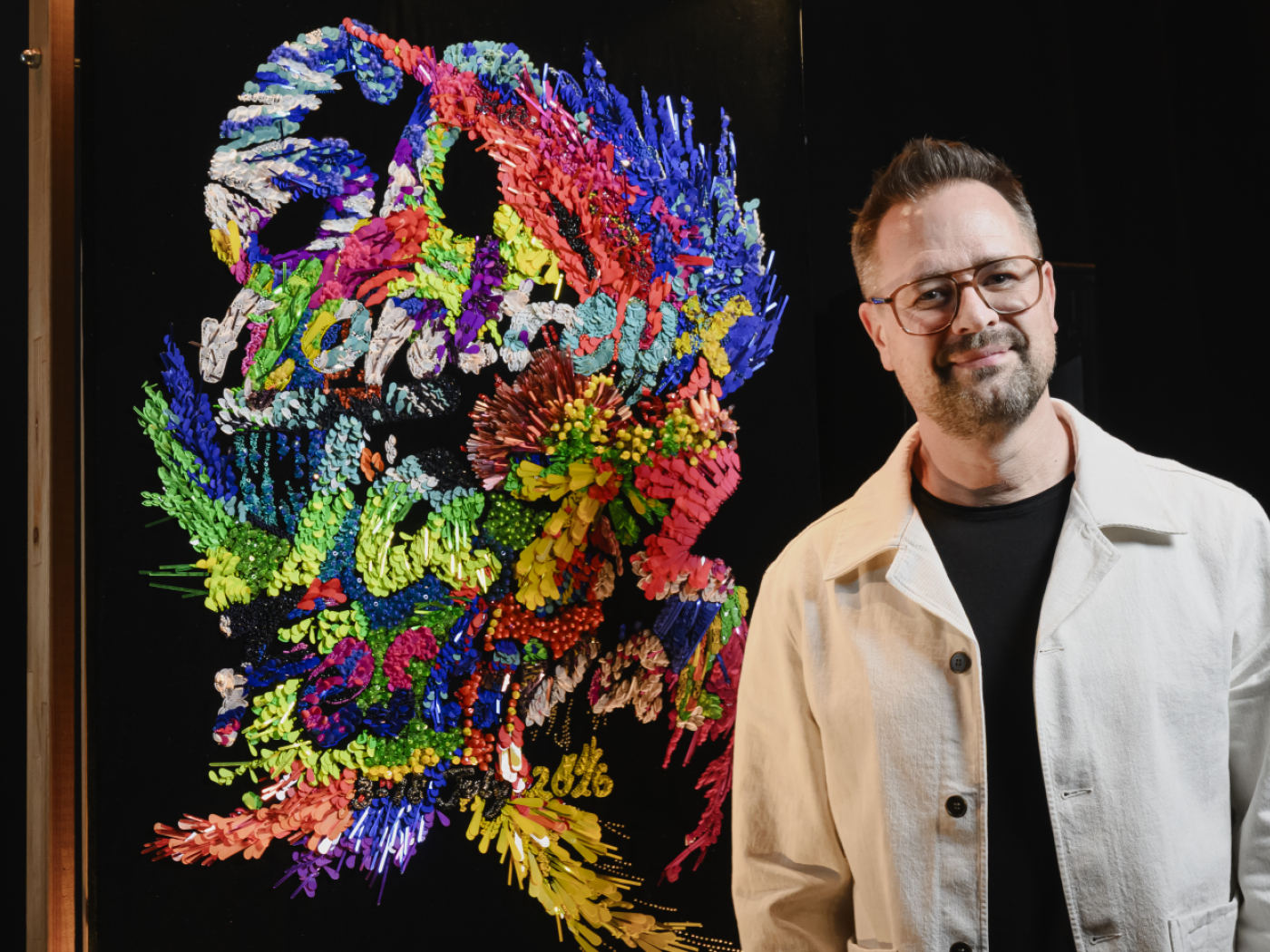
    On Tuesday, the Montreux Jazz Festival unveiled the programme for its 60th edition and return to its iconic venues. Headlining the line-up from July 3 to 18: Nick Cave, Sting, RAYE, Moby, Deep Purple, The Roots, James Taylor, Van Morrison and Tyla and Conan Gray.

    +Get the most important news from Switzerland in your inbox

    “This is a special year for two reasons: we’re celebrating our 60th anniversary and our return to the Convention Centre,” festival director Mathieu Jaton told the media. After a two-year absence, audiences will be returning to the Festival’s two iconic venues at the brand-new Montreux Music & Convention Center (2M2C): the Auditorium Stravinski and the Montreux Jazz Lab. The 2M2C will also house a 1,000-seat Electro Club.

    + The house where jazz means more than music

    For this 2026 edition, the 250,000 or so festival-goers expected to attend will have a choice of 67 concerts, including 39 Swiss exclusives. “The programme will be a crossroads of generations, styles and continents, bringing together emerging voices, icons of current pop culture and monuments of jazz, rock and hip-hop,” says the festival’s director.

    Translated from German by AI/jdp

    We select the most relevant news for an international audience and use automatic translation tools to translate them into English. A journalist then reviews the translation for clarity and accuracy before publication.  

    Providing you with automatically translated news gives us the time to write more in-depth articles. The news stories we select have been written and carefully fact-checked by an external editorial team from news agencies such as Bloomberg or Keystone.

    If you have any questions about how we work, write to us at english@swissinfo.ch

    Read More

  • Jaguar-Garage nutzt einfach das Kundenauto: Im Podcast «Der Fall»

    Jaguar-Garage nutzt einfach das Kundenauto: Im Podcast «Der Fall»


    Über den Podcast «Der Fall»

    Beobachter-Podcast «Der Fall»Der Podcast «Der Fall» lehnt sich an die gleichnamige Beobachter-Rubrik an. Gastgeber Eric Facon und Gastgeberin Jasmine Helbling unterhalten sich darin mit den Autorinnen und Autoren über die bewegenden Geschichten: über einen Konflikt in der Nachbarschaft etwa, der wegen einer vermuteten Überwachungskamera eskaliert. Oder über einen Flüchtling, der gebüsst wurde, weil er keinen Ausweis hatte. 

    Der Podcast ist nicht einfach eine vorgelesene Version des Heftformats. Er beleuchtet die Hintergründe und Fragen, mit denen die Schreibenden konfrontiert waren. Im Gespräch mit Eric Facon oder Jasmine Helbling erzählen sie auch, wie sie zu den Geschichten kamen, über Schwierigkeiten bei der Recherche oder wie die Geschichte weiterging, nachdem sie im Beobachter erschienen war. In jeder Folge erklärt zudem eine unserer Rechtsberaterinnen juristische Fragen rund um die Fälle und ordnet sie rechtlich ein.

    Verantwortlich für den Podcast ist der Journalist Eric Facon, eine bekannte Stimme von Radio SRF. Er war mehrfach auf der Shortlist für den «Kulturjournalisten des Jahres». Nun hat er sich als Podcaster einen Namen gemacht – unter anderem mit dem «Kulturstammtisch», einer Diskussionsrunde, für die er seit 2008 verantwortlich zeichnet, oder dem Hörstück «D Rosmarie und mir» über den bekannten Song von Polo Hofers Band Rumpelstilz.

    Den Beobachter-Podcast «Der Fall» finden Sie auf allen gängigen Podcast-Plattformen. 

    Read More

  • A roundup of the latest news on Tuesday

    A roundup of the latest news on Tuesday


    Increasing numbers of people in Switzerland are buying firearms; government warns about the new ‘supermarket scam’ ; and more news in our roundup on Tuesday.

    Read More

  • Switzerland’s first Alpine solar plant exceeds power expectations

    Switzerland’s first Alpine solar plant exceeds power expectations


    First Alpine solar power plant produces more electricity than expected

    First Alpine solar power plant produces more electricity than expected


    Keystone-SDA

    The Madrisa Solar photovoltaic system produced more electricity than forecast in its first winter. According to the energy company Repower, the Graubünden plant is the first Alpine solar power plant in Switzerland.

    +Get the most important news from Switzerland in your inbox

    The plant generated around 1.5 gigawatt hours of electricity in the winter period from October to March, the energy company Repower announced on Tuesday. Around 3,600 solar modules were in operation during this period, which corresponds to around 20% of the planned total plant.

    The aim is to connect around 70% of the plant to the grid by November. The largest construction phase of the project will begin at the start of May with full commissioning expected by the end of 2027.

    Plant designed for winter electricity

    The plant is located at around 2,000 metres above sea level and is designed for high winter power generation. After the first snowfall, the output increased by around 15% thanks to the reflected light. This was made possible by so-called bifacial solar modules, which produce electricity on both sides.

    More

    The electricity produced is used by Elektrizitätswerke des Kantons Zürich (EKZ) and Bergbahnen Klosters-Madrisa. Together with their own systems, the mountain railways have generated more energy than they need to operate during the winter season, Repower added.

    The plant was built by Madrisa Solar AG. Repower, EKZ and the municipality of Klosters each hold a one-third stake in the company. The total investment amounts to CHF70 million ($87 million).

    Two other large Alpine solar plants are currently being built in Graubünden as part of the federal government’s Solar Express programme: NalpSolar by Axpo and SedrunSolar by Energia Alpina. Both are located in the municipality of Tujetsch in the Surselva region. Madrisa Solar was the first of these plants to be connected to the grid last September as part of the Solarexpress programme.

    Translated from German by AI/jdp

    We select the most relevant news for an international audience and use automatic translation tools to translate them into English. A journalist then reviews the translation for clarity and accuracy before publication.  

    Providing you with automatically translated news gives us the time to write more in-depth articles. The news stories we select have been written and carefully fact-checked by an external editorial team from news agencies such as Bloomberg or Keystone.

    If you have any questions about how we work, write to us at english@swissinfo.ch

    Read More

  • Intrum: Inkassofirma treibt Geld für falsche Forderungen ein

    Intrum: Inkassofirma treibt Geld für falsche Forderungen ein


    Intrum: Inkassofirma treibt Geld für falsche Forderungen ein

    Die Einschätzung fusst auf einem Ärgernis, das Reutler, die eigentlich anders heisst, schon fast vergessen hatte. 2015 forderte das Inkassounternehmen Intrum von ihr Fr. 52.65 für angebliche Roamingkosten beim Handyanbieter Tele 4U, einem Tochterunternehmen von Sunrise.

    Read More

  • Which Swiss cantons have the most public holidays over Easter?

    Which Swiss cantons have the most public holidays over Easter?


    Good Friday and Easter Monday are two holidays that are celebrated in some Swiss cantons over the Easter weekend, but not in others. And one canton has no public holidays at all.

    Read More

  • Euthanasia set to become possible in Lucerne hospitals

    Euthanasia set to become possible in Lucerne hospitals


    Assisted euthanasia to become possible in Lucerne hospitals

    Assisted euthanasia to become possible in Lucerne hospitals


    Keystone-SDA

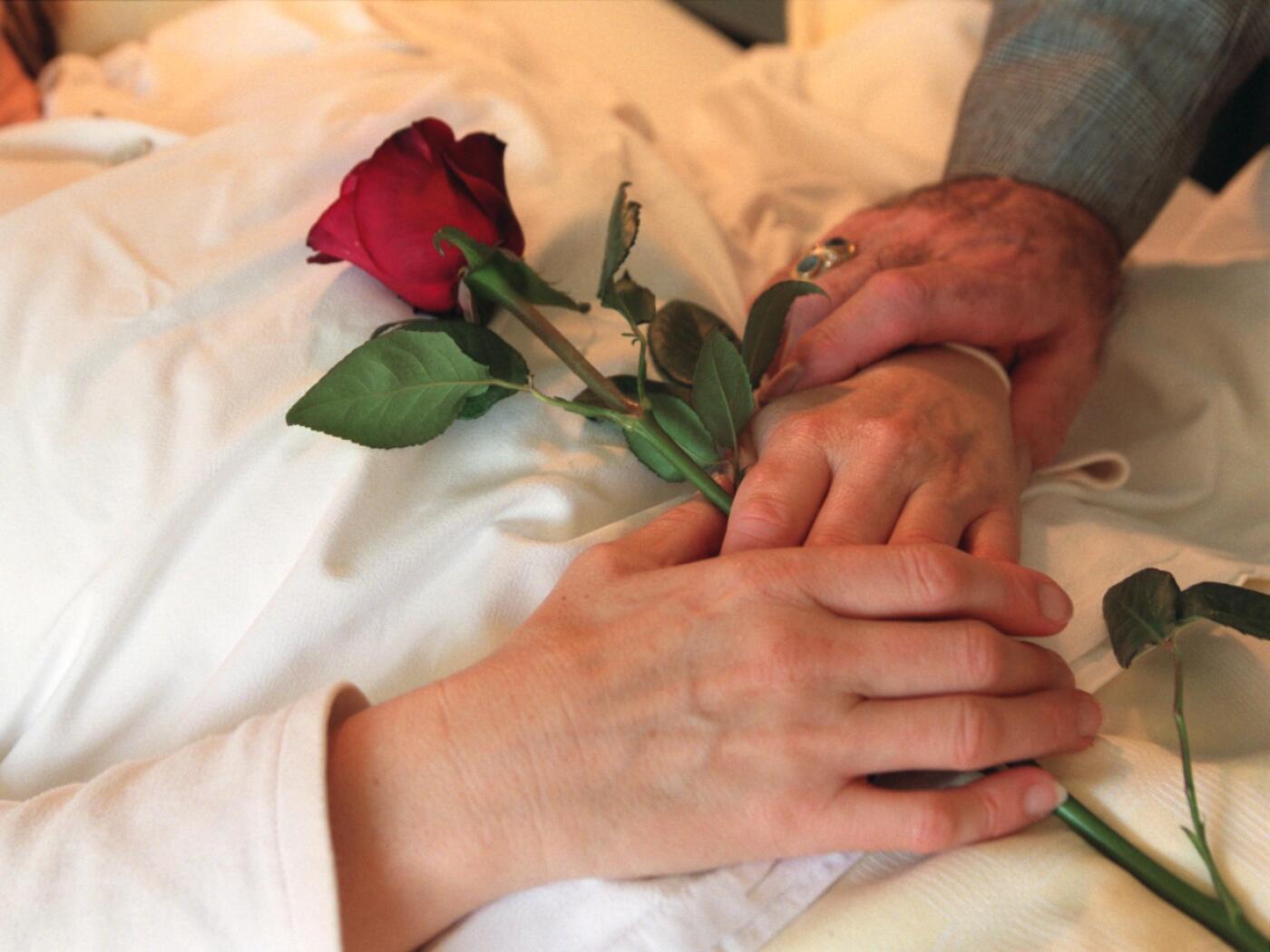
    Terminally ill residents in Swiss canton Lucerne should no longer have to leave hospital for assisted euthanasia. On Monday the cantonal parliament voted in favour of assisted dying being regulated by law in both retirement homes and hospitals.

    +Get the most important news from Switzerland in your inbox

    On Monday, parliament passed a motion by Sara Muff from the centre-left Social Democratic Party by 81 votes to 27. The question of whether – as proposed by the cantonal government – hospitals should be exempted from assisted dying was particularly contentious among the centre-right and conservative groups.

    In her motion, Muff called for a legal framework for external assisted suicide in all public health and social care institutions. Self-determination over one’s own life should apply until the end of life and for everyone, regardless of where they are, she said.

    Today, many care homes have their own guidelines on assisted dying. Residents of nursing homes or social care facilities do not have the same access to this everywhere as people living at home, said Health Director Michaela Tschuor (Centre Party) in the cantonal parliament.

    Tschuor therefore advocated for equal access to external assisted dying support in care and support facilities to be regulated by law. She wanted to exclude hospitals from this. Their remit lies in healing, care and the alleviation of suffering, she said.

    + Why Switzerland will not monitor assisted suicide tourism

    Muff did not agree with this. Hospitals are also places where people die, said Muff. That is why self-determination at the end of life should apply there too. It should not be the case that someone who is at the end of their life has to leave hospital to die.

    Thomas Gfeller from the right-wing Swiss People’s Party agreed with Muff. The path outlined by the government was not a compromise, but rather cemented the problem, he said.

    Mario Cozzio from the centrist Liberal Green Party also spoke in favour of referring the entire motion. However, freedom should apply to both sides, he said. People at the end of life should be able to decide for themselves, but the same should also apply to staff in the institutions.

    + Suicide ‘pod’ controversy adds pressure on Swiss euthanasia rules

    For Karin Andrea Stadelmann (Centre Party), assisted dying in hospital also has its place. In palliative care, she said, the focus is no longer on healing but on care.

    Lisa Zanolla (People’s Party) and Hannes Koch from the left-wing Green Party also stated that there are situations in hospitals where assisted dying should be possible on site. Priska Fleischlin (Social Democratic Party) said that for people who are suffering, dying is a relief and a beautiful thing.

    Fleischlin explained that “wishing to die” is already possible in hospitals today, for example by forgoing life-prolonging measures. In hospitals, however, unlike in assisted dying, the focus is on alleviating suffering, not on shortening life.

    Stephan Schärli (Centre Party) and Sibylle Boos-Braun (centre-right Radical Liberal Party) supported the government’s stance. Schärli said hospitals should not be forced to offer something that contradicts their fundamental mission. Boos feared that assisted dying could also create difficult situations for hospital staff.

    Gerda Jung (Centre Party) and Jasmin Ursprung (People’s Party) argued in favour of rejecting the motion entirely. Care homes should be able to decide for themselves on the issue of assisted dying, said Ursprung. A uniform cantonal regulation would add no value.

    Adapted from German by AI/ts

    We select the most relevant news for an international audience and use automatic translation tools to translate them into English. A journalist then reviews the translation for clarity and accuracy before publication.  

    Providing you with automatically translated news gives us the time to write more in-depth articles. The news stories we select have been written and carefully fact-checked by an external editorial team from news agencies such as Bloomberg or Keystone.

    If you have any questions about how we work, write to us at english@swissinfo.ch
    Read More