Depuis plusieurs mois, la mystérieuse structure finance plusieurs associations et médias identitaires en veillant à rester anonyme. Plusieurs éléments la relient au projet Périclès du milliardaire ultraconservateur, qui vise à favoriser l’arrivée de l’extrême droite au pouvoir.
Read More
Category: France
-

L’ombre de Pierre-Édouard Stérin plane sur l’Institut Paralos, nouveau mécène de l’extrême droite
-

‘Green wave’ ebbs in local elections, as French Greens become key allies on left
The Greens were key partners for the Socialists and the left in France’s 2026 local elections, but the results were a far cry from the “green wave” of the 2020 elections. What has happened to the French Green party, and what is the state of political ecology today?
Issued on:
3 min Reading timeIn the 2020 local elections several major cities, including Bordeaux, Strasbourg and Lyon, elected green mayors for the first time.
The “green wave” felt like a turning point for the environmental movement and political ecology. The Covid pandemic, an increasing amount of climate-related natural disasters, including a heatwave in the summer of 2019, and youth climate protests supported by the likes of Greta Thunberg had all pushed environmental issues to the forefront.
Interview: French climate activist on impact of global youth movement
Since then, economic concerns have put climate change on the back burner, and the shift was reflected in the 2026 election results.
The Green mayors of Bordeaux and Strasbourg were defeated, and in Lyon, Grégory Doucet only narrowly held on against a centre-right challenger.
“Even if voters in these cities feel that green mayors put good environmental policies into place, on the forefront of their mind were socio-economic issues and questions related to security and employment, which made things difficult for these mayors,” Matthieu Gallard, research director at the Ipsos-BVA poling agency told RFI.
No longer feels like a crisis
“For a large part of the French population, there’s the growing feeling, as we see in our surveys, that these extreme climate events have become normal. It’s not as alarming as it was just a few years ago,” Gallard said.
Environmental concerns have also been absorbed into the mainstream, on the left and right. In Paris, even the conservative mayoral candidate, Rachida Dati, promised more green spaces in the city, which was a hallmark of the outgoing Socialist mayor Anne Hidalgo’s urban planning.
Her successor, Emmanuel Grégoire, won comfortably in an alliance with the Greens.
“The left needs alliances, just to succeed but to survive,” Sylvie Ollitrault, a CNRS researcher who studies green movements, told RFI.
And French Greens have historically leaned left.
“Their agenda on climate, and their interest in transforming the system, places them more on the left than on the right,” said Ollitrault, adding that the hardening of the right has made alliances with the Greens increasingly unthinkable.
Listen to an interview with Sylvie Ollitrault in the Spotlight on France podcast:

Spotlight on France, episode 142 © RFI The left, however, is divided, with the hard-left France Unbowed, led by Jean-Luc Melenchon, making inroads, but also causing rifts by taking stances that many see as too radical.
“The difficulty for the Greens now is that they are between two big challenges: the Socialist Party and France Unbowed, which are both fighting to represent the left. And the Greens are in between,” said Ollitrault.
During the 2026 local elections, the Socialist party left it up to individual candidates to decide whether to ally with France Unbowed candidates in the second round, and many of those who did lost, raising questions about the strategy ahead of future elections, notably the 2027 presidential polls.
Urban-rural divide
Another challenge for the greens it the urban-rural divide on environmental issues. The 2020 “green wave” was concentrated on big cities.
“We now have two fronts: Big cities like Paris, Lyon, etc., have one set of values, and the other part of France contests those values,” said Ollitrault, pointing to Grégoire’s victory-night bicycle ride to Paris city hall as a way of displaying his urban green credentials.
In rural and agricultural areas, farmers struggling with economic hardship have pushed back against environmental regulations.
“The majority of farmer organisations are opposed to green positions and ecological norms”, said Ollitrault.
The far right National Rally has moved to capitalise on that discontent, strengthening its grip in rural areas.
EU agrees to relax green regulations in Europe’s agricultural policy
Meanwhile, the environmental movement itself appears to be stepping back from formal politics, according to Ollitrault, who says that those active in NGOs and citizen networks are increasingly critical of political parties.
“Political parties are very weak in France, because many people don’t vote – it’s a real problem,” she said.
“Maybe social transformation and ecology will find more support from associations, NGOs or citizen networks than through political parties.”
Listen to an interview with Sylvie Ollitrault in the Spotlight on France podcast, episode 142, listen here.
-
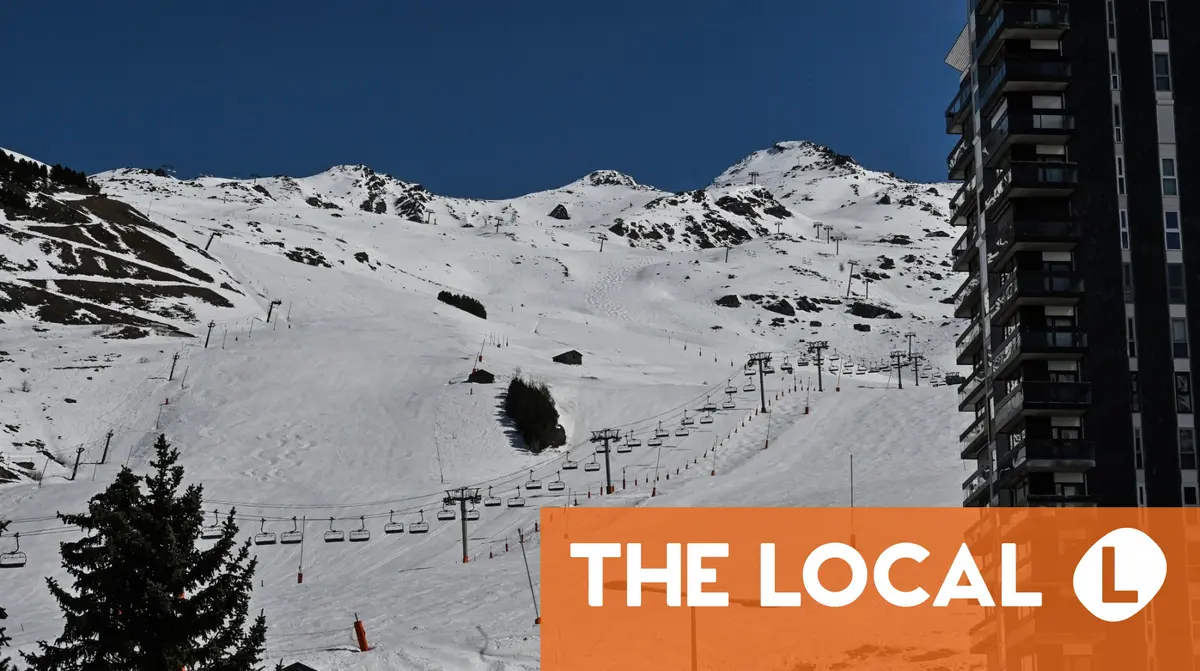
British skier dies in French Alps
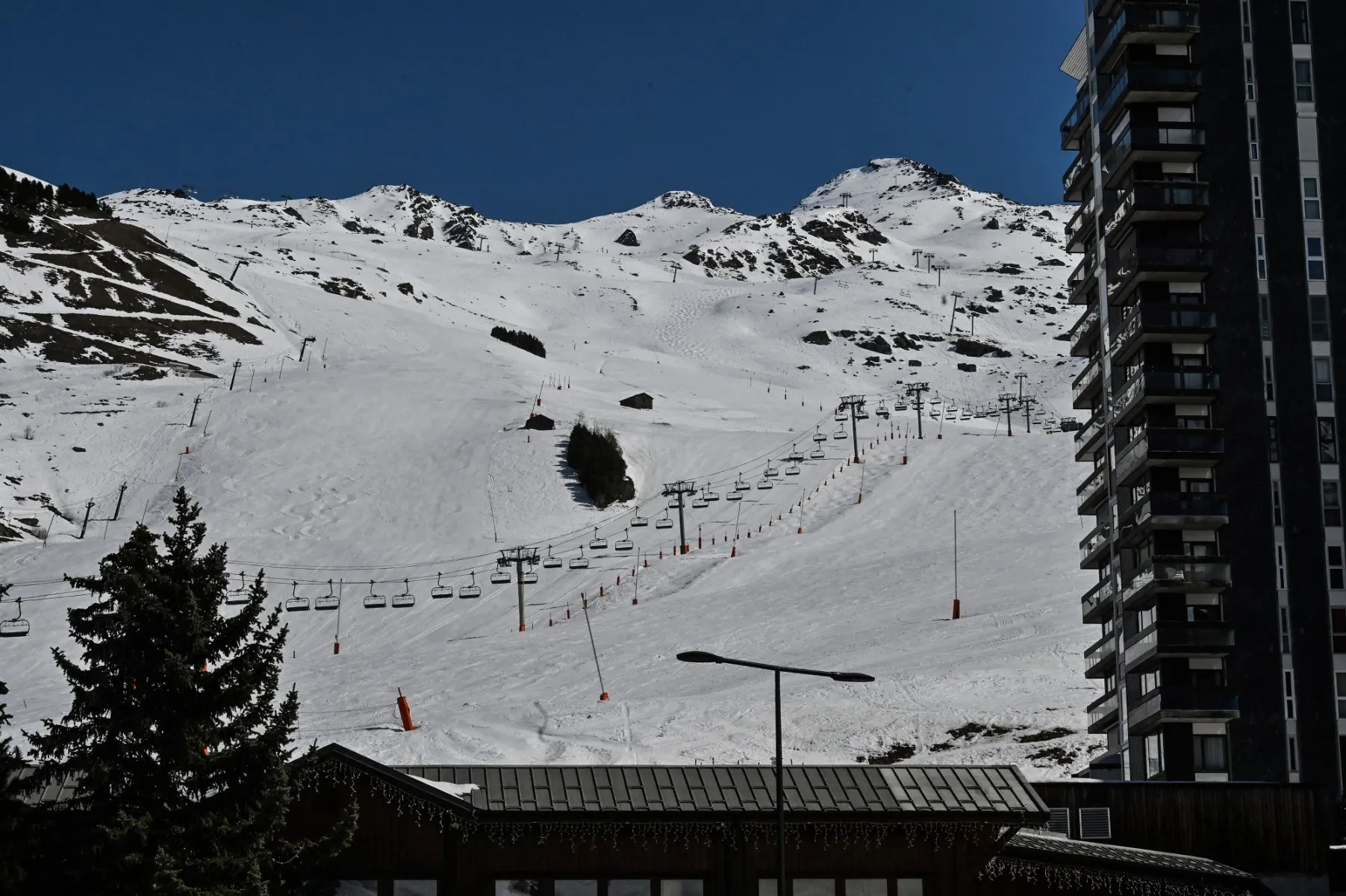
A British man who died while skiing in the French Alps was the victim of a heart attack, according to local authorities.
The 45-year-old man was skiing in the Menuires resort in Savoie when he collapsed on Monday while on the slopes.
He received first aid on the slopes and an ambulance was called, but he could not be resuscitated.
Local authorities in Savoie said it seemed that the man had suffered a heart attack.
The 2025/26 ski season has been an unusually deadly one with more 20 people killed, including three Brits, in a series of avalanches that have hit French ski resorts since the start of the season.
-

Crude prices whipsaw on mixed signals from Iran war – Business
One of your browser extensions seems to be blocking the video player from loading. To watch this content, you may need to disable it on this site.

BUSINESS © FRANCE 24 From the show

Reading time
1 minOil prices searched for direction on Tuesday amid conflicting events related to the Iran war. While US President Donald Trump’s threats that the US would obliterate Iranian energy infrastructure if the Strait of Hormuz remained closed led to an increase in prices, a later report saying Trump is seeking an end to the war brought them down. Also in this edition: inflation in France ticks up because of higher energy prices and Australia threatens legal action against social media giants.

-

The Best French Podcasts for Every Level
Podcasts are one of the most enjoyable ways to improve your French listening skills. They let you hear natural speech, learn new vocabulary in context, and explore French culture at the same time. The trick is choosing podcasts that match your level.
Personally, I’ve found podcasts to be one of the most enriching ways to learn French. Unlike grammar exercises or textbook listening activities, they never really feel like a chore. Many of these podcasts are genuinely interesting in their own right – you’re learning the language while also listening to engaging stories, cultural insights, or thought-provoking conversations.
In general, A2–B1 learners tend to benefit most from podcasts specifically designed for language learners, where hosts speak clearly and sometimes explain vocabulary. At B1–B2 level, you can start listening to semi-authentic conversations where the French is more natural but still relatively accessible. Once you reach C1, you can comfortably dive into podcasts made for native speakers about politics, culture, relationships, science, and everyday life.
Below you’ll find a mix of podcasts organised by level, starting with learner-friendly shows and gradually moving toward fully native content.
A2 Level – Beginner French
At A2 level you already know some basic vocabulary and grammar. Podcasts can still feel challenging, but slower speech and simple topics make them a great way to build listening confidence.
News in Slow French
This long-running podcast breaks down weekly news stories in slow, clearly spoken French, making current events much easier to follow for learners. When I was learning French, I used to listen to it each morning over breakfast, and it was one of the best ways to steadily build vocabulary while keeping up with what was happening in the world.
Little Talk in Slow French
Host Catherine speaks slowly about everyday topics like culture, daily life and social issues. Episodes usually last around 20–30 minutes, and she occasionally switches to English to clarify tricky points for beginners.
LanguaTalk Slow French: Learn French with Gaelle
Hosted by Gaëlle Joly, this podcast explores cultural topics and current events in carefully paced French. It’s designed to help learners transition from classroom French to real spoken language.
A2–B1 Level – Beginner to Intermediate
At this stage you can usually follow simple explanations and clear monologues, especially when the speaker slows things down slightly.
InnerFrench
Created by Hugo Cotton, this hugely popular podcast helps learners bridge the gap between textbook French and natural conversation. Hugo discusses culture, psychology and society in clear, thoughtful French that gradually becomes more advanced as the episodes progress.
French Mornings with Elisa
Host Elisa explores French culture, language learning strategies and life in France in a relaxed and friendly style. This was one of the podcasts I swore by – the pace was perfect, and it helped me feel more connected to French culture while my listening skills were still catching up.
B1 Level – Intermediate
Once you reach B1, you can start listening to more natural conversations, even if they’re still a bit slower or more structured than everyday French.
One Thing in a French Day
In this charming podcast, Laetitia Perraut shares small stories from her daily life in Paris three times a week. The storytelling style makes it engaging and easy to follow.
Learn Quebec French
Hosted by Frédéric Bibard, this podcast is perfect for anyone curious about Québécois French. Episodes explore differences between French spoken in Quebec and standard French while offering language learning tips.
Impolyglot
Polyglot Lionel discusses language learning, culture, and sometimes programming. His speech is fairly natural but still clear enough for intermediate listeners.
Easy French Podcast
Hosted by Judith and Hélène, this podcast expands on the popular Easy French YouTube series. Episodes include cultural discussions and conversations with vocabulary support.
French with Panache
Hosts Violaine and Nathan chat about everyday topics, travel and French culture in a friendly, conversational way. It feels like listening to two friends discussing life over coffee.
B2 Level – Upper Intermediate
At B2 level you can comfortably handle authentic discussions and richer vocabulary, even if you occasionally need to rewind!
French Baratin
Hosted by Cécile, Rafael and Sibylle, this lively conversation podcast explores French culture and society through informal discussions. It’s entertaining, insightful and packed with real-life vocabulary.
Vivons heureux avant la fin du monde
Produced by Arte Radio and hosted by Delphine Saltel, this podcast reflects on how we live today — from work and love to social norms and identity — through thoughtful reports and interviews.
Le Cosy Corner
Hosted by Mélanie Wanga and Marie Misset, this relaxed podcast mixes internet culture, feminism, politics and everyday observations. The tone is witty, informal and very conversational.
Change ma vie
Life coach Clotilde Dusoulier shares practical advice on mindset, productivity and personal growth. As someone who loves self-help and personal development podcasts, this one quickly became a favourite – it’s thoughtful, practical, and great listening practice at the same time.
C1 Level – Advanced (Native French Podcasts)
At this level you can start enjoying podcasts created for native speakers, where speech is faster and the topics are more complex.
📰 News & Politics
L’Heure du Monde
Produced by the newspaper Le Monde, journalist Jean-Guillaume Santi interviews reporters to unpack the context behind one major news story each day.
HugoDécrypte – Actus et interviews
Journalist Hugo Travers breaks down current events in an energetic and accessible way, often featuring interviews with politicians, experts and public figures.
Grand Reportage
A documentary podcast from Radio France Internationale (RFI) featuring long-form reports on global issues, politics and social change.
Affaires Sensibles
Hosted by Fabrice Drouelle on France Inter, each episode tells the gripping story of a political scandal, crime, or major historical event that shaped French society.
🎙 Society & Real-Life Stories
Les Pieds sur Terre
A classic documentary podcast from France Culture, where ordinary people tell powerful, sometimes surprising stories from their lives.
Transfert
Produced by Slate.fr, this podcast features deeply personal stories told by the people who experienced them — often intimate, unusual or life-changing moments.
Profils – Arte Radio
Short documentary portraits exploring the lives of fascinating individuals from all walks of life. This is one of the podcasts I love most now – you end up discovering incredibly fascinating people and perspectives you’d probably never come across otherwise.
❤️ Relationships, Gender & Society
Le Cœur sur la Table
Hosted by journalist Victoire Tuaillon, this thoughtful podcast explores modern relationships, intimacy and love through sociology, psychology and personal stories. It’s one of those podcasts that makes you think differently about relationships and society – and it’s become one of my favourites to listen to now that my French is stronger.
Les Couilles sur la Table
Also created by Victoire Tuaillon, this influential podcast examines masculinity and gender through conversations with researchers, writers and activists.
Un podcast à soi
Hosted by Charlotte Bienaimé on Arte Radio, this show explores feminism and social justice through storytelling and interviews.
🎧 My Top Tips for Learning French with Podcasts
Podcasts can be incredibly helpful for language learning – but only if you use them in a way that works for you. Over time I’ve found a few habits that make listening much easier (and much more enjoyable).
I usually start with shorter episodes when trying a new podcast. Around twenty minutes is perfect – long enough to get into the topic but not so long that you lose focus halfway through.
One trick that really helps is listening to the same episode twice. The first time I just focus on understanding the overall idea. The second time, I suddenly start catching details, phrases, and vocabulary I completely missed before.
If the podcast offers transcripts, they’re incredibly useful too. Sometimes I’ll quickly check a section I didn’t quite understand, or read through the transcript after listening to confirm what I heard.
And probably the most important thing: don’t stress about understanding everything. Even native speakers don’t catch every word in every conversation. If you’re understanding around 60–70% of what you hear, that’s already great practice.
The real key is simply listening regularly and choosing podcasts you genuinely enjoy – because if you enjoy them, you’ll actually keep coming back to them.
Your email address will not be published. Required fields are marked *
-

Prairiland ISD calls for bond election

Prairiland ISD has called for a $6.230 Million bond election for facility construction and renovation projects as well as additional student transportation.
Read More -
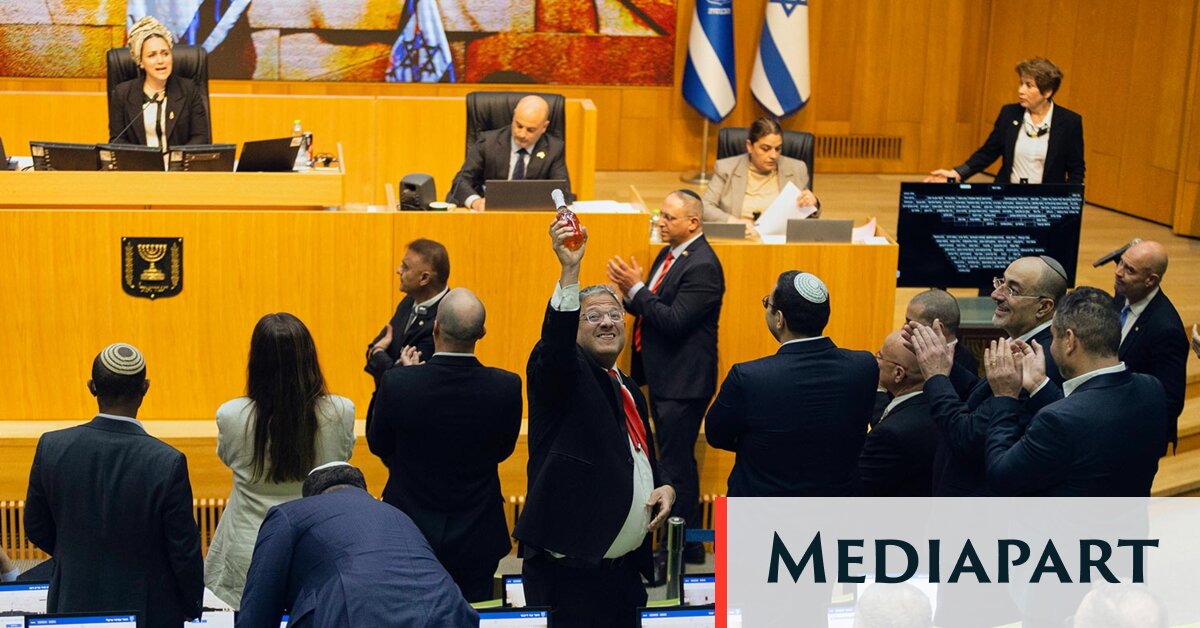
Le Parlement israélien instaure «un régime de peine capitale raciste»
Par 62 députés contre 48 et malgré les vives indignations que suscite le texte, la Knesset a voté lundi 30 mars une loi qui instaure la peine de mort pour les coupables – uniquement palestiniens – de meurtre «terroriste».
Read More -

France rolls out targeted fuel aid as truckers stage Paris protest

The French government has pledged targeted support for industries hit by surging fuel prices linked to tensions in the Middle East, while warning that broad, across-the-board financial relief is no longer sustainable. This comes as truck and bus drivers drivers staged a “go slow” protest in Paris.
Issued on:
2 min Reading timeSpeaking on Monday, Transport Minister Philippe Tabarot stressed that while the French state would “do everything” to support struggling sectors, public finances limit how far it can go. “The cheque book can no longer be used for all our fellow citizens,” he said, adding that aid must now be carefully directed.
The remarks come as road hauliers ramp up pressure on the government, staging a so-called “snail operation” protest in Paris.
Police said between 150 and 200 coaches and lorries were expected to crawl along the capital’s ring road between 10:00am and 12:00pm, causing significant disruption but remaining under police supervision.
France launches nationwide petrol station inspections as fuel prices jump
Targeted support under scrutiny
The government last week unveiled a €70 million support package for April aimed at cushioning the blow from rising fuel costs. Of this, €50 million is earmarked for the road transport sector, equating to a subsidy of 20 cents per litre.
Tabarot defended the measures, underlining the strategic importance of transport to the French economy. “We need them,” he said, noting that the movement of goods and passengers accounts for 90 percent of transport activity in the country.
However, many in the sector argue the aid falls short of what is needed to offset rapidly rising costs. Hauliers have been particularly vocal, warning that smaller operators risk going under if prices remain elevated.
The minister also pointed to shared responsibility across the supply chain, suggesting that clients and upstream shippers should contribute more to easing the pressure.
G7 ministers urge end to attacks against civilians in Mideast war
No price cap – but flexibility promised
Meanwhile, France’s Finance Minister Roland Lescure signalled that while direct price controls are off the table, other interventions remain possible. In an interview with La Tribune Dimanche newswpaper, he described the €70 million package as significant, but ruled out introducing a cap on fuel prices.
Instead, he indicated that regulating profit margins could still be considered if necessary.
A broader international response is also under discussion. The minister is set to chair a videoconference on Monday with counterparts from the G7, alongside energy ministers and central bankers, reflecting growing concern among major economies over the impact of the crisis.
French officials have repeatedly emphasised the uncertainty surrounding the situation. “We have no clear timeline for this crisis,” Tabarot said, adding that support measures would be adjusted depending on how events in the Middle East unfold.
For now, the government is walking a careful line – offering targeted relief while urging restraint, even as pressure mounts from sectors feeling the immediate strain of rising fuel costs.
(with newswires)
-
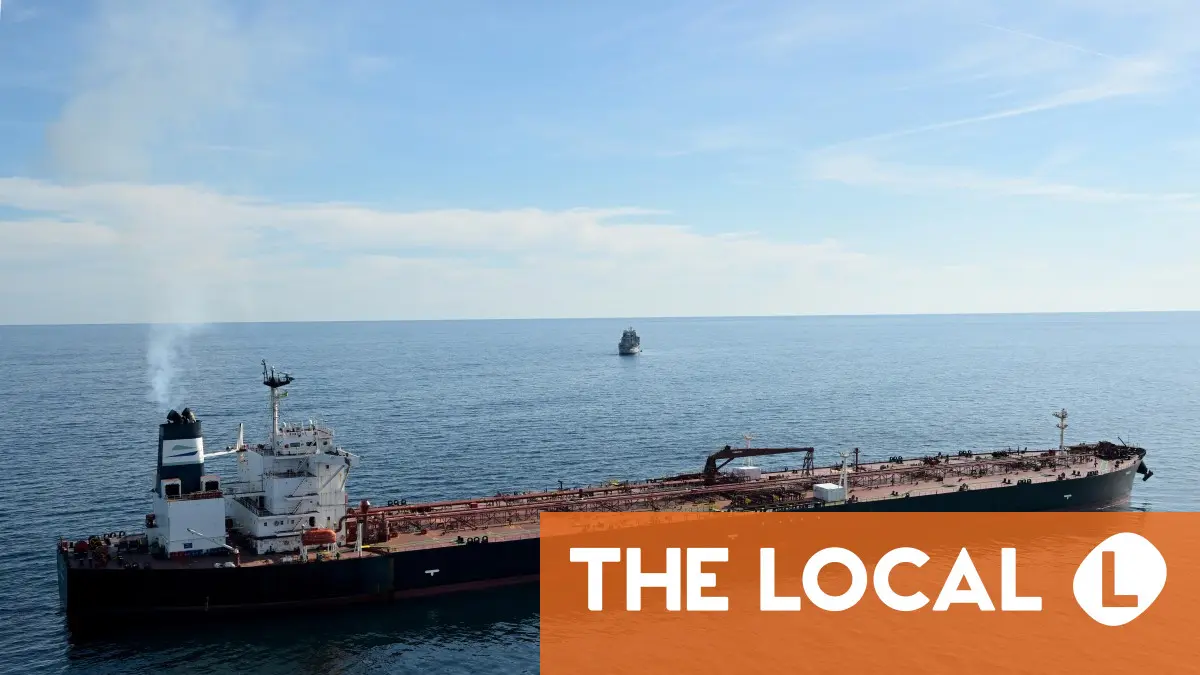
France court sentences Russia-linked tanker captain to one year in jail

A French court on Monday issued an arrest warrant and a one-year jail sentence against the Chinese captain of a suspected Russian “shadow fleet” tanker over failing to comply with orders to stop his ship.
Chen Zhangjie, 39, was sentenced in absentia after the French navy boarded the Boracay tanker in September before releasing the vessel and its crew days later, in what Russian President Vladimir Putin condemned as “piracy”.
The court in the western city of Brest also ordered Zhangjie to pay a €150,000 fine.
The vessel, claiming to be flagged in Benin, was thought to be part of a fleet transporting Russian oil in violation of Western sanctions imposed over Moscow’s invasion of Ukraine.
Two employees of a Russian private security company were on board the Boracay when the French navy stopped it, an informed French source and the captain’s lawyer have told AFP.
They were in charge of representing Russian interests and gathering intelligence, they said.
The Boracay has been linked to mysterious drone flights over Denmark last year, part of a spate of drone sightings and airspace violations in European countries blamed on Russia.
No formal link has however been established and Moscow denies responsibility.
The European Union lists 598 vessels, suspected of being part of the “shadow fleet”, as banned from European ports and maritime services.


