Category: Europe

  • MSF denied access to Gilead HIV-prevention drug

    MSF denied access to Gilead HIV-prevention drug


    A dispute between Médecins Sans Frontières (MSF) and Gilead Sciences has entered the public domain after the pharma company refused to sell its game-changing HIV-prevention medicine despite multiple requests. Lenacapavir, a twice-yearly injectable form of PrEP, could be a game changer, especially for people who struggle to access daily medication.

    In an open letter Chief Executive Officer, MSF USA, Tirana Hassan and Director, Southern Africa Medical Unit, MSF Southern Africa, Dr Tom Ellman, call on Gilead to review their decision.

    “That this drug’s development was supported by public funding – and through the trust of communities who participated in clinical trials, many of them in countries now excluded from affordable access – makes the current restrictions even more unconscionable,” write the MSF officials…

    MSF denied access to Gilead HIV-prevention drug

    Read More

  • Azerbaijan discusses economic cooperation with Turkish company

    Azerbaijan discusses economic cooperation with Turkish company


    Azerbaijan discusses economic cooperation with Turkish company

    BAKU, Azerbaijan, March 31. Azerbaijan has
    discussed economic cooperation with a Turkish company, Minister of
    Economy of Azerbaijan Mikayil Jabbarov wrote on his X page,
    Trend reports.

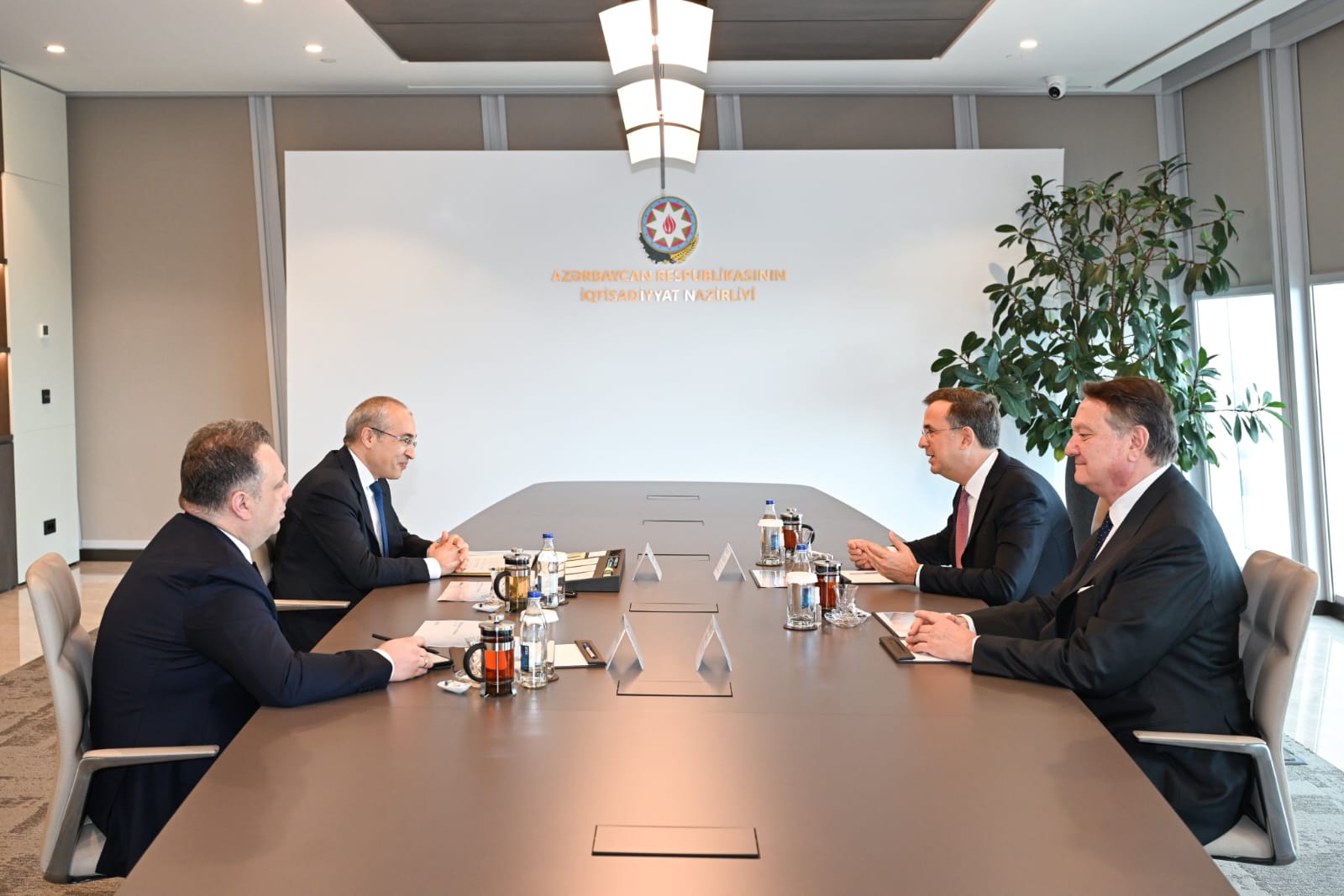
    “During the meeting with representatives of Türkiye’s Fiba
    Holding, we discussed the development of our business partnership
    and potential avenues for cooperation.

    We assessed opportunities for joint activities in renewable
    energy and infrastructure projects, as well as in the fields of
    energy supply, tourism, and construction,” he noted.

    The Central Bank of Azerbaijan reports that in 2025, Türkiye’s
    direct investment in Azerbaijan totaled $1.2 billion, an increase
    of $12.8 million, or 1%, compared to 2024.

    During the reporting year, the share of investments from Türkiye
    in the total volume of foreign direct investment in Azerbaijan
    amounted to 18.7%. Thus, Türkiye ranked second among the countries
    making the largest investments in Azerbaijan, following the UK and
    Northern Ireland.


    Azerbaijan, in turn, invested $345 million in Türkiye’s economy
    in 2025, which is $96.032 million, or 38.6%, more than in the
    previous year.

    Azerbaijan’s share of total foreign direct investment in Türkiye
    amounted to 13.6%. Thus, Türkiye ranked second among the countries
    to which Azerbaijan directed the largest foreign investments, next
    to Israel.

    In 2024, the volume of Türkiye’s direct investments in
    Azerbaijan amounted to $1.2 billion, while investments in the
    opposite direction totaled $248.9 million.

    Read More

  • Poland won’t divert Patriot air defense systems to Gulf – POLITICO

    Poland won’t divert Patriot air defense systems to Gulf – POLITICO


    The remarks follow a report from Polish daily Rzeczpospolita earlier Tuesday alleging U.S. officials had asked Warsaw to shift one of its Patriot batteries to the Middle East as Iran’s retaliatory drone strikes on U.S. Gulf allies put a growing strain on air defense stockpiles.

    However, a senior defense official from a NATO country who spoke on condition of anonymity said that Poland had not been singled out by Washington. The U.S. has approached all its NATO allies with two questions on air defense: It is looking for batteries for Ukraine and also for the Middle East, but not the Gulf, to protect NATO installations, the official said.

    “There was no special pressure on Poland,” they said. “This was a question that was sent to all allies.”

    Even the pro-Donald Trump opposition Law and Justice party is balking at the idea of transferring a Patriot battery.

    Mariusz Błaszczak, a former defense minister, on Tuesday told reporters: “Poland should not grant approval for such matters.”

    The U.S. military and Gulf states used 1,285 PAC-3 Patriot missiles in the first 16 days of the war Trump launched against Iran. Poland currently has two Patriot batteries, each with 16 launchers, and has received most of the 200 specialized missiles it ordered from the U.S. in 2019.

    This article has been updated.


    Read More

  • What to expect from the next days of airport strikes in Spain this Easter

    What to expect from the next days of airport strikes in Spain this Easter


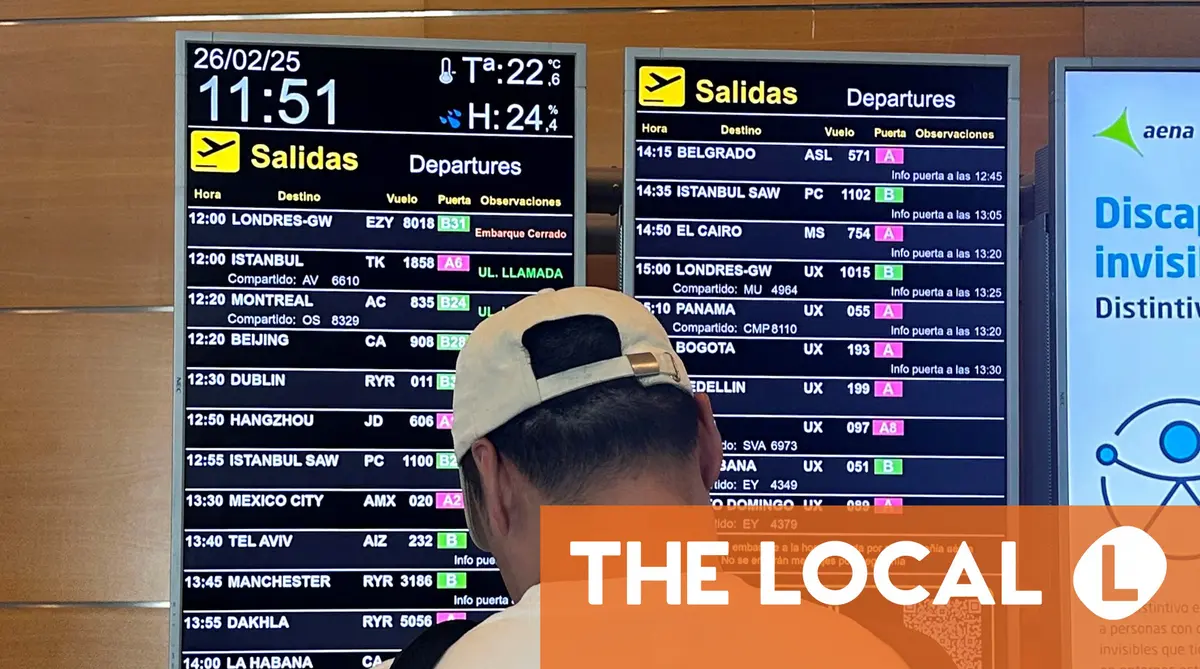
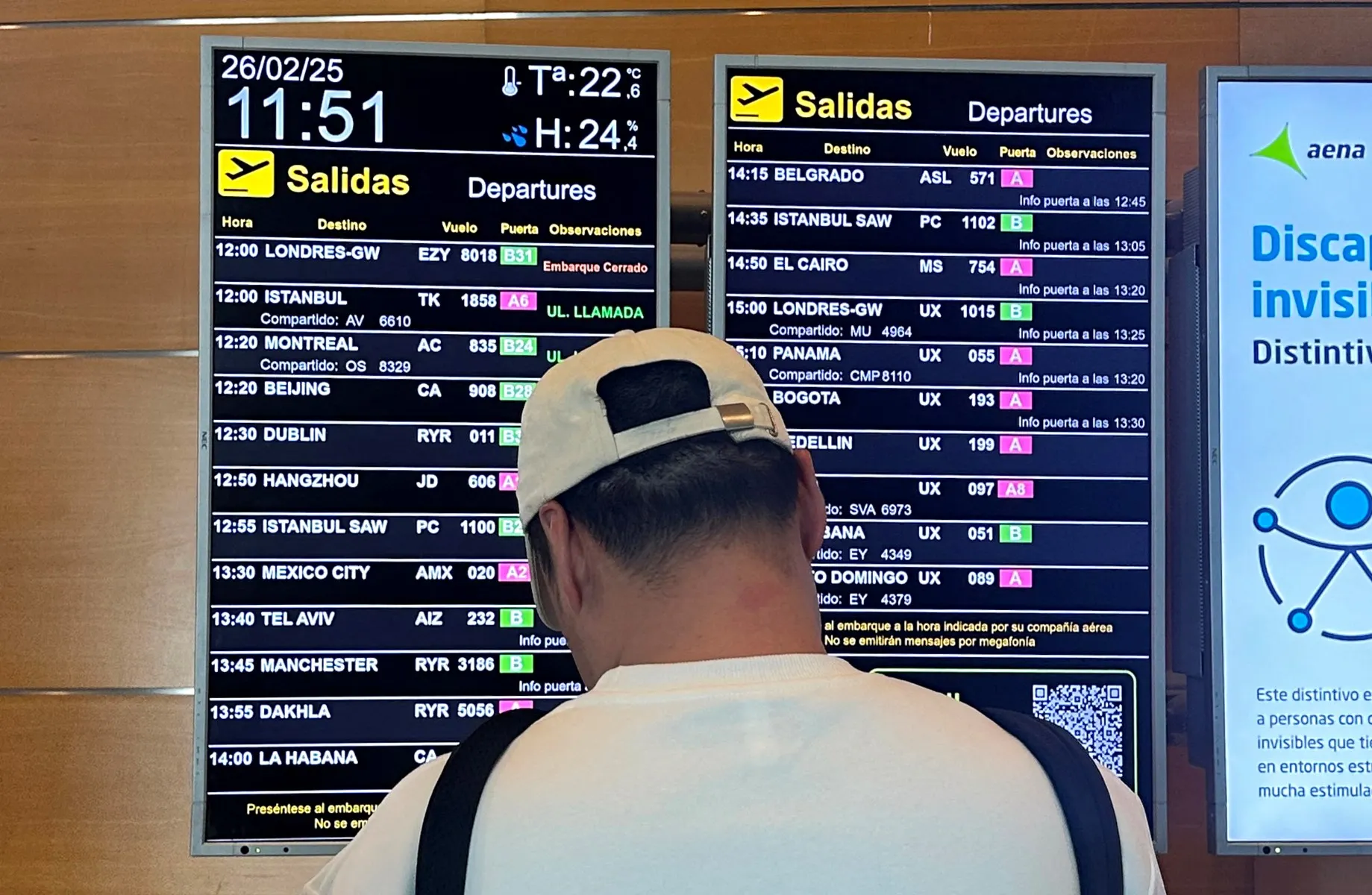
    The first day of ground staff strikes at 12 Spanish airports caused “mountains of luggage” on the tarmac and flight delays. Here’s what you can expect from the two different airport strikes taking place across Spain this week.

    Read More

  • Promoting student involvement at VET system level in the Netherlands


    The EQAVET Dutch National Reference Point held a peer review on promoting student involvement in VET quality assurance at system level, recognizing students as key stakeholders and participation a priority.

    CINOP, the EQAVET Dutch National Reference Point, hosted its online peer review on 12 and 13 March 2026 focusing on promoting student involvement at VET system level. 10 EQAVET Network members from Belgium-fr, Latvia, Lithuania, Portugal and Slovenia acted as peer reviewers.

    The main objective of the peer review was to support the hosts in ensuring that student participation at system level goes beyond informal representation structures and contributes substantively to quality enhancement.

    In the Netherlands, students are considered a key stakeholder for education quality. The involvement of VET students in society, notably politics, is a policy priority, as 40% of the Dutch workforce has a VET diploma.

    VET students are represented by JOBmbo, the national VET student association and main stakeholder. JOBmbo is well recognised by the VET ecosystem; included in national processes and the development of policy documents such as the Work Agenda for VET and the VET Work Placement Act; and collaborates with VET stakeholders including the Ministry of Education, the Inspectorate and MBO Raad, the national council for VET providers. At VET provider level, student involvement is integrated in the entire policy and quality cycle.

    However, students have a limited understanding of and interest in QA. Despite some incentives, their participation in QA at system level is based on informal representation structures and the involvement of students from minorities is currently minimal.

    Read the flash report summarizing the main outcomes of the discussion.

    Additionally, a separate report containing detailed feedback from the peer reviewers will be shared with the host country.

    Read More

  • Azerbaijan to grant presidential pensions to family members of mine action victims

    Azerbaijan to grant presidential pensions to family members of mine action victims


    Azerbaijan to grant presidential pensions to family members of mine action victims

    BAKU, Azerbaijan, March 31. The families of
    deminers who were killed or died from injuries sustained during
    demining operations will be granted a pension by the President of
    the Republic of Azerbaijan, Trend reports.

    President of the Republic of Azerbaijan Ilham Aliyev signed the
    relevant decree.

    According to the decree, a pension from the President of
    Azerbaijan has been established for the family members of deminers
    who died or lost their lives due to injuries sustained during mine
    clearance activities caused by the detonation of explosives, and
    the monthly amount of this pension has been set at 700 manat
    ($411).

    The pension will be paid to the following family members of the
    deminer who died or lost their life in an accident caused by the
    detonation of explosives during mine clearance activities (the
    pension amount will be divided equally according to the number of
    beneficiaries):

    – the widow (to her late husband), parents;

    – children under the age of 18 (or until the completion of
    vocational, secondary, or higher education, but no later than the
    age of 23), or children over the age of 18 with disabilities, or
    siblings raised in orphanages;

    – The grandparents (if there are no other close relatives);

    – The pension is paid by the Ministry of Labor and Social
    Protection of the Population from the state budget, as allocated
    for the ministry.

    The pension will also apply to the family members of deminers
    who died or lost their lives due to the detonation of explosives
    during mine clearance activities before the decree came into
    effect, and will be paid from the date this decree becomes
    effective.

    Read More

  • Are fuel cuts back on the table? – POLITICO

    Are fuel cuts back on the table? – POLITICO


    Europe is facing another potential energy shock — and this time, Brussels is starting to float something politically tricky: using less fuel.

    Host Zoya Sheftalovich is joined by POLITICO’s senior EU politics editor Ian Wishart to break down a warning from Brussels that points to a possible need to cut fuel use, as fears grow of a prolonged disruption linked to the war in Iran.

    They also zoom in on Kyiv, where EU foreign ministers are marking the anniversary of the Bucha massacre of March 2022 while pushing forward plans for a special tribunal to prosecute Russia’s war of aggression.

    And back in Brussels, a €3.6 million plan from the Committee of the Regions is raising eyebrows — and prompting questions about priorities.

    If you have questions or comments, you can reach us on our WhatsApp at +32 491 05 06 29.


    Read More

  • UK to hike price of Electronic Travel Authorisation for foreign travellers

    UK to hike price of Electronic Travel Authorisation for foreign travellers


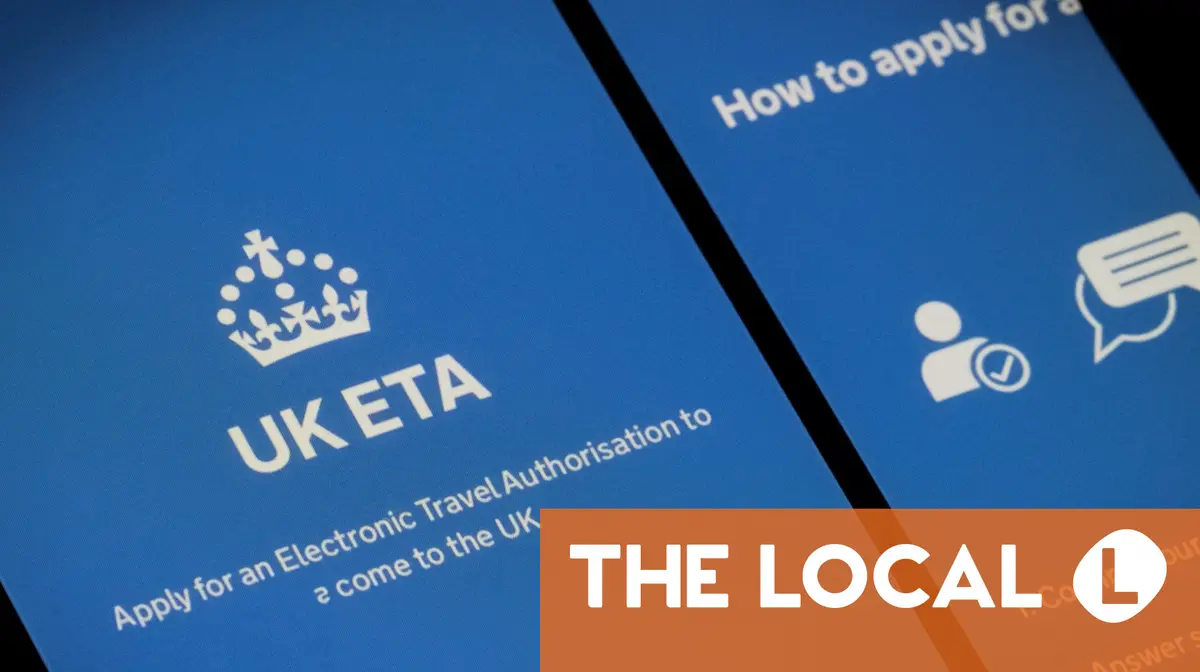
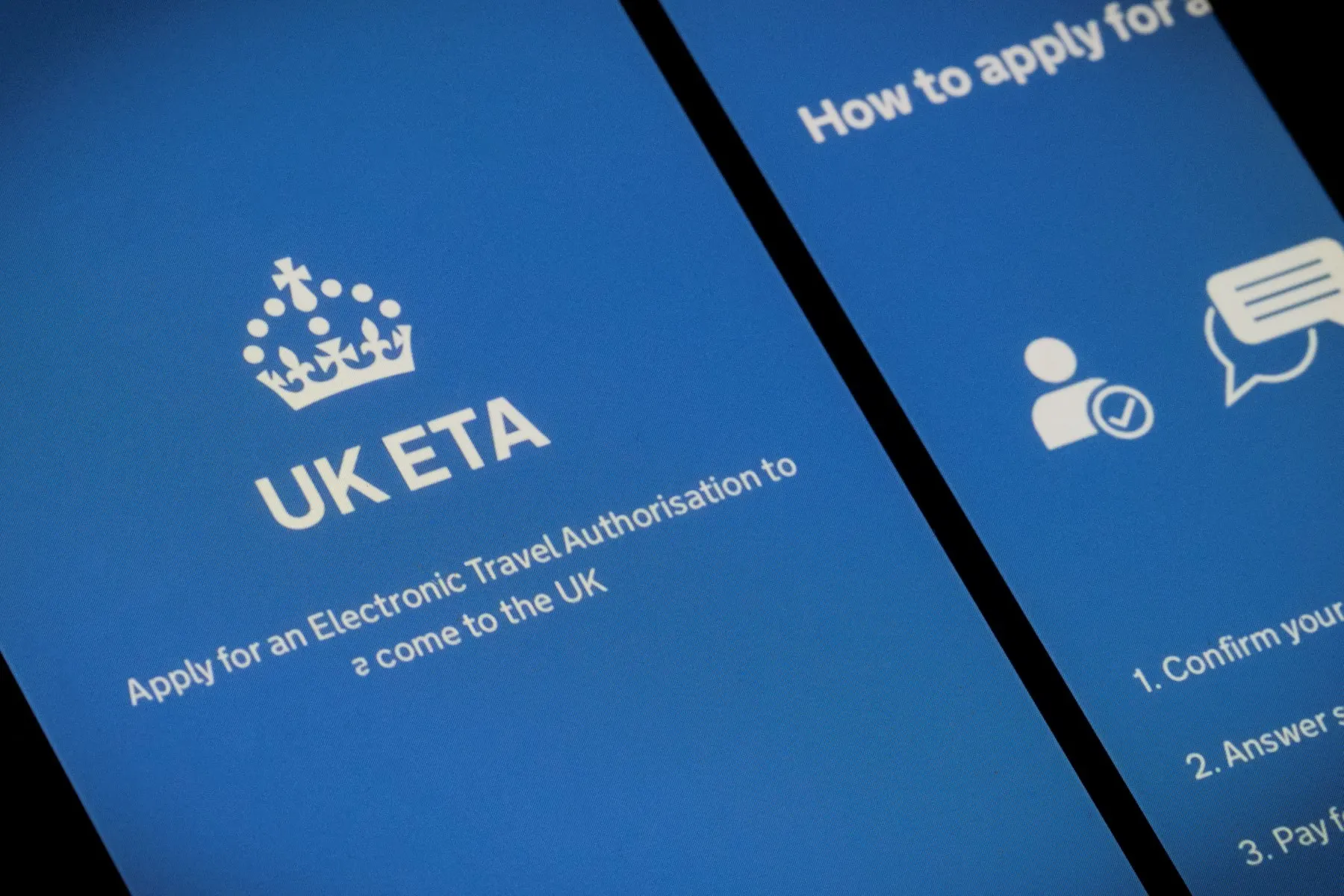
    The UK government is set to further increase the cost of the Electronic Travel Authorisation (ETA) for travellers from Europe, coinciding with the implementation of tougher entry rules.

    The UK government is set to hike the cost of its new Electronic Travel Authorisation (ETA) by a further 25 percent.

    From April 8th the fee will rise from £16 to £20 (€18 to €23), a 25 percent increase. This follows a previous increase from £10 to £16 that was implemented in 2025. 

    “As with all our fees, the cost of an ETA is kept under review, and we intend to increase the cost of an ETA to £20 in the future. We will provide more information in due course,” a previous statement from the Home Office said.

    The rise would roughly bring the ETA price in line with the EU’s ETIAS travel authorisation coming in at end of 2026, which will be €20.

    READ ALSO: When will Europe roll out its ETIAS visa waiver for non-EU travellers?

    The UK first introduced its Electronic Travel Authorisation (ETA) in 2023, gradually rolling it out so that by April 2025 it was compulsory for anyone entering the UK – with the exception of those travelling on a UK or Irish passport.

    This implementation phase ended in February 2026, with the UK now imposing the rules more strictly.

    The UK government has said foreign travellers who don’t have the ETA will be denied entry, or denied boarding if travelling by plane.

    The Local has reported how the rules have led to young dual national Britons being stranded abroad because the Home Office now insists they need a valid British passport to enter the UK.

    READ ALSO: Young British dual nationals barred from flights home over new passport rules

    Advertisement

    What is ETA?

    The Electronic Travel Authorisation is essentially a visa waiver.

    Its introduction ends paperwork-free travel to the UK for people from countries where a visa is not required for a short stay – including Americans, Canadian, Australians and citizens of all EU/EEA countries.

    Only people who are travelling on a valid UK or Irish passport are exempt from the new requirement. People who have a British long-stay visa or residency status should show that at the border instead.

    There is no exemption for EU nationals who are married to a British citizen.

    Travellers must apply for the ETA in advance of travel, and it can only be obtained online – find full instructions on how to get one HERE.

    Advertisement

    An ETA must be obtained for each traveller, including children.

    It is advised to apply for it at least three days in advance of travel, although the UK government says that “most applications are processed in minutes”. Once obtained, it is valid for two years – unless you get a new passport during that period.

    Be careful that you are on the correct Gov.uk website or app, there are a lot of scam websites, as well as companies that will charge you far in excess of the official fee to get the ETA for you. 

    Read More

  • Japan’s election win is a warning for Europe’s comfort zone


    Prime Minister Sanae Takaichi’s mandate shows Tokyo is betting on economic security, defence “normalisation” and alliance diversification. Europe should draw the lesson: strategic autonomy is less about distancing ourselves from allies than about building options, and the EU–Japan toolbox is one of the few places where those options already exist, writes Thierry Bechet.

    Takaichi’s victory signals political consolidation in Japan around a harder‑edged foreign‑policy calculus: stop waiting for stability and plan for uncertainty. Europe should read it carefully, that low‑trust world is already the reality.

    Europeans have spent years debating “strategic autonomy.” We have argued about defence spending, industrial policy, and how far Europe should distance itself from – or remain anchored to – the United States. Yet recent events suggest that the real question is less philosophical and more practical: how does Europe retain room for manoeuvre in a world that is becoming more transactional and less predictable? Autonomy is ultimately judged in crises: whether Europe can absorb pressure without scrambling.

    In 2025, the European Union and the United States concluded a framework agreement on trade that some in Europe regarded as structurally unbalanced, including 15% US tariffs on most EU exports alongside zero EU tariffs on most US industrial goods. Whatever one’s view of the deal, it served as a reminder that even between close allies, economic relations can become explicitly transactional. Leverage is used more readily. Trust, once assumed, must now be managed.

    None of this calls the transatlantic alliance into question. But it does confirm what many in Europe have been slow to accept: that geopolitics now colours every significant decision on trade, technology, and security. Strategic autonomy, in that light, is not a slogan for self-sufficiency. It is shorthand for having enough weight of your own, and enough reliable partners, to avoid being cornered.

    Japan stands out as one of Europe’s most structurally aligned, yet still under‑operationalised, partners in that effort. Europe’s own Indo-Pacific strategy acknowledges the region’s centrality to trade, technology, and security. The Indo-Pacificis are also where the rules that underpin global stability are increasingly tested.

    Japan and the EU share a foundational interest: both are open societies that built their postwar prosperity on a rules-based international order. But Japan has been forced to adapt earlier and more visibly to the pressures of multipolarity: caught between US-China rivalry, a rearming neighbourhood, and the constant background noise of economic coercion. Tokyo’s answer has quietly combined trade diplomacy, multilateral coalition-building, and a more capable defence posture into something that might be called principled pragmatism.

    Europe should recognise that Japan has already confronted dilemmas we are only now fully acknowledging: how to stay open without becoming exposed; and how to deepen security ties without trading away a rules-based identity.

    What makes this different from most strategic partnerships is that the groundwork is already laid. The EPA has been in force since 2019. The Digital Partnership was launched in 2022. The Security and Defence Partnership followed in 2024. And the Strategic Partnership Agreement entered into force in 2025.

    This “policy stack” is rare. It means Europe does not need to invent a new strategic framework. The deficit is not frameworks – it is the will to use them.

    Consider economic security. Europe is right to invest in resilience. But regulation written in Brussels does not, by itself, reduce a chokepoint in East Asia. That requires partners with the industrial weight and the shared interest to make resilience a collective project rather than a competitive one.

    Technology has become the sharpest edge of this debate. Semiconductors, AI standards, and data flows are, beyond commercial questions, instruments of strategic leverage. The EU–Japan Digital Partnership is one of the few existing channels through which Europe and a like-minded partner can work toward common standards before others set them.

    Japan anchors some of Asia’s most significant trade architecture, covering close to a third of global GDP. That integration is advancing regardless of whether Europe chooses to engage with it seriously. The EPA is a potential platform for coordinating supply-chain resilience and shaping the standards that will govern trade in critical technologies. The July 2025 summit signalled political appetite on both sides to move in that direction. The question is whether it translates into practice.

    If Europe wants to reduce vulnerability to chokepoints, it should move from declarations to working arrangements; starting with structured supply-chain mapping alongside coordinated export control approaches and ensuring that resilience efforts reinforce – rather than fragment – open markets among trusted partners.

    The same logic applies in the security domain. Japan is expanding its capabilities, deepening partnerships beyond the United States, and increasing defence spending under Prime Minister Takaichi. Tokyo has concluded reciprocal access agreements with the United Kingdom and the Philippines and has embedded itself in a web of multilateral arrangements that reflect a more assertive regional posture.

    Europe has no business aspiring to be a Pacific military power, nor should it. The more important recognition is that European security and Indo-Pacific stability are increasingly interconnected. The EU–Japan Security and Defence Partnership offers a structured way to cooperate in precisely these areas.

    Strategic autonomy is not achieved by pulling away from partners, and it is not conjured by political speeches about sovereignty. It is earned, quietly, by accumulating choices so that no single actor can dictate terms.

    Japan can serve as a practical Indo-Pacific anchor; economically weighty, technologically capable, and increasingly explicit about navigating multipolar pressures without abandoning rules. Treating that partnership as peripheral would be a mistake.

    Europe does not need a dramatic pivot. It needs steady, operational habits of cooperation that turn alignment into leverage. In a world where trust is lower and power more openly transactional, that is what strategic maturity looks like.

    Read More

  • Uzbekistan reports more than 20-fold increase in trade with Portugal

    Uzbekistan reports more than 20-fold increase in trade with Portugal


    Economy
    Materials
    31 March 2026 07:22 (UTC +04:00)

    Uzbekistan reports more than 20-fold increase in trade with Portugal


    Uzbekistan’s trade with Portugal has surged sharply, reflecting a rapid expansion in bilateral economic ties and shifting trade dynamics.


    Subscription to paid content

    Gain access to all that Trend has to offer, as well as to premium, licensed content via subscription or direct purchase through a credit card.


    Read More