Furthermore, the company said it has also begun deliveries of its flagship motorcycle, Roadster X+ 9.1kWh powered by the 4680 Bharat Cell, offering a range of up to 500 km on single charge.
Read More
Category: Business
-
Ola Electric Announces Expansion Of 4680 Bharat Cell Platform
-
India backs Russian weapons as part of $25 bn purchase

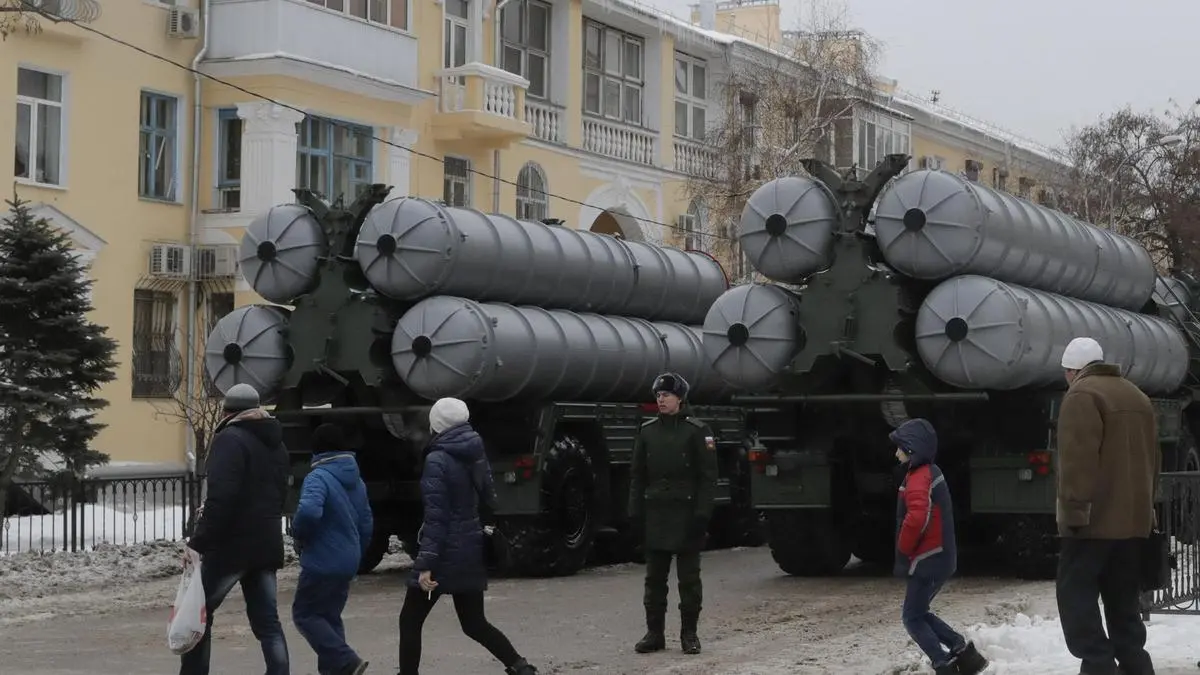
FILE PHOTO: Russian S-400 missile air defence systems
| Photo Credit:
TATYANA MAKEYEVAIndia cleared the purchase of ₹2.38 trillion ($25 billion) of weapons including more Russian-made missile systems, according to the Ministry of Defence, a move that could potentially annoy the US.
The Defence Acquisition Council, headed by Minister Rajnath Singh, cleared the purchase of five more Russian-made surface-to-air missile systems at an estimated cost of $6.1 billion, an official aware of the matter said, asking not to be named as the issue is sensitive.
“The S-400 system will counter enemy long-range air vectors targeting vital areas,” the ministry said in a statement, without giving more details.
India has three of these systems, which were used in the four-day conflict with Pakistan in May last year. Two more are likely to be delivered in the next few months.
Despite a drop, Russia continues to be India’s biggest supplier of military hardware accounting for over a third of weapons purchases, according to a 2025 report by the Stockholm International Peace Research Institute, which tracks global arms sales.
The South Asian country is diversifying sourcing of military equipment and is the biggest buyer of French hardware, the report said.
President Donald Trump’s administration has criticized India for buying Russian hardware. The move to buy more Russian equipment could be a potential irritant in the relationship, which deteriorated last year as talks over a trade deal dragged.
The acquisition of the additional missile defense system also shows the South Asian country continues to trust old allies such as Moscow when it comes to cutting-edge military hardware.
The ministry also cleared the overhaul of Russian-made fighter jets and the purchase of indigenous, unmanned, remotely-piloted, strike aircraft, the ministry said, without giving numbers.
These vehicles can carry out “offensive counter and coordinated air operations,” besides “surveillance and reconnaissance activities,” the Ministry of Defence said.
More stories like this are available on bloomberg.com
©2026 Bloomberg L.P.
Published on March 29, 2026
-
‘We had won, but decision was changed’: Vedanta’s Anil Agarwal opens up on Jaypee bid reversal
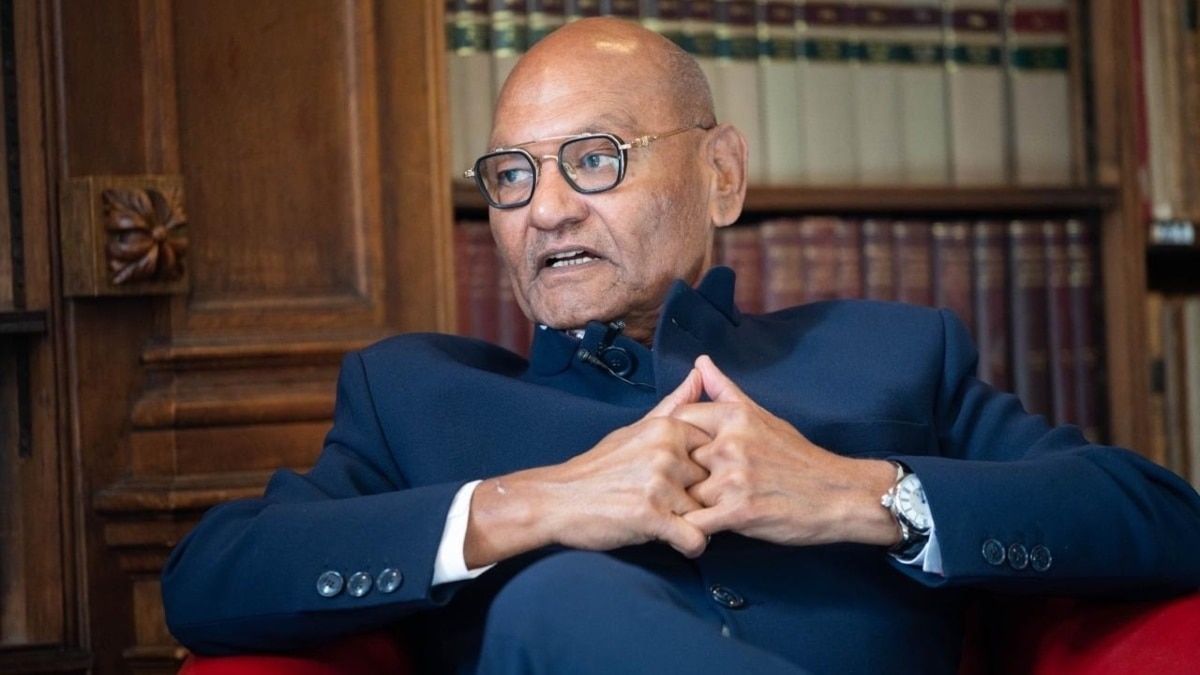
Vedanta Group chairman Anil Agarwal on Sunday said the company had been declared the highest bidder for Jaiprakash Associates but that the outcome was later reversed, adding that the group would present its case through the appropriate channels.
Must Read: ‘Replicate US playbook’: Vedanta chief pitches energy independency for India amid West Asia war
In a post, Agarwal said the experience reflected both business realities and personal conviction, linking it to lessons from the Bhagavad Gita.
“Some years ago, Shri Jaiprakash Gaur, who built Jaypee Group, came to meet me in London. He had built an empire over his lifetime with hard work and vision. He reached out more than once. He wrote to me. His only wish was simple: that what he had built should go into safe hands and be taken forward with the right intent,” he wrote in a social media post on X.
He said Vedanta could not proceed at the time, but the opportunity resurfaced when the company entered the insolvency resolution process. “Recently, the asset went into a public auction by CoC in the IBC process. Many strong bidders participated. Suddenly, the sentiment and wishes of Jaiprakash Gaur ji came rushing back to me.”
Must Read: ‘85% of auctioned mining blocks still idle in India’: Vedanta’s Anil Agarwal lists big challenges
According to Agarwal, the bidding process concluded in Vedanta’s favour before being altered. “One by one, everyone dropped out of the bidding. Finally, we were declared the highest bidder publicly. It was a transparent process. We were informed in writing that we had won. But life is never so simple. After some days, the decision was changed. Don’t want to go into the details. That is for the right forum.”
He said the group would pursue the matter without attachment. “We have no attachment to this asset. If it comes, it is God’s grace. If it goes, that is also his wish. At that time, we could not proceed… But one thing we believe strongly. When something is promised in dharma, it should not be taken back.”
“So, what should one do? Gita gives a simple answer – do your duty, with courage, but without anger or attachment. That is what we will do. We will place the facts in the right way. We will follow the right path,” the Vedanta boss said.
The statement comes after Vedanta challenged the approval of a rival bid by Adani Enterprises for Jaiprakash Associates under the Insolvency and Bankruptcy Code.
Earlier this month, Vedanta moved the National Company Law Appellate Tribunal (NCLAT) against an order of the National Company Law Tribunal (NCLT), which approved Adani Enterprises’ resolution plan.
The Allahabad bench of the NCLT had approved the plan on March 17, backing Adani Enterprises as the successful resolution applicant. The company had secured approval from the committee of creditors for its ₹14,535 crore bid in November 2025.
The bidding process drew interest from multiple players, including Vedanta, Adani Enterprises, Dalmia Cement, Jindal Power and PNC Infratech.
The Indian Express reported that Vedanta had submitted a higher overall bid of around ₹16,000 crore, compared with Adani’s ₹14,535 crore offer. However, lenders are understood to have preferred Adani’s proposal due to a higher upfront payment of over ₹6,000 crore and a shorter payout timeline, which reduced execution risk and accelerated recovery.
-

War is profitable, time to get richer: ‘Rich Dad Poor Dad’ author Robert Kiyosaki
The war between Iran and US-Israel has wiped out massive sums of investors’ wealth as the skyrocketing rally in oil prices rattled markets. Rich Dad Poor Dad author Robert Kiyosaki feels that war is not good for anything, but it is tragically profitable.Taking to X, the popular author quoted a Vietnam-era protest song: “War: What is it good for? Absolutely nothing.” He, however, noted that if wars were not profitable, there wouldn’t have been any wars.
Kiyosaki said that he served Vietnam’s military twice, once in 1966 and then in 1971-72. During this time, he lost many friends. “I returned to Vietnam three weeks ago to find my own answers, say goodbye to lost friends, and make peace with myself. My concern about this war in the “Holy Lands” is for those killed and wounded in this war,” he said.
The author added that his concern also includes those of us at home who are far from this war but will suffer financially due to inflation. “Our national debt, poverty, and homelessness are how we all pay for this war,” he further said, adding that this is why financial education is essential in times of peace and especially in times of war.
“Your greatest asset is you, and your choices as to what financial education you choose to put into your brain. War may be a time for you to get smarter and richer….if you choose your teachers and your financial education with care,” he wrote.
https://x.com/theRealKiyosaki/status/2038050835574472771In another post earlier, Kiyosaki reiterated his view that investors can get richer in case of a crash in 2026, as predicted by the renowned French astrologer Nostradamus in the 1500s and Edgar Cayce in the early 1900s.“I started with nothing while still flying for the US Marines and rarely sell. Like many of you, I had no money to start with… but I just bought small assets, held them for years, and rarely sold. Most of you know I bought my first six Bitcoins for $600 — all the money I had — and did not eat for days. It took plain and simple US Marine Corps discipline and close friends, not with money but with spiritual support,” he wrote in his post on X.
Kiyosaki claimed that even billionaire investor Warren Buffett has sold billions of dollars worth of stocks and is sitting on large cash reserves, waiting for markets to fall so he can buy assets at lower prices.
“Rich lesson on investing: Investors who can see the future are the investors who get richer. The ‘buy, hold, and pray’ crowd will be the biggest losers,” he added.
The rising hostilities in the oil-rich Middle East have led to the prolonged closure of the Strait of Hormuz, resulting in a mind-boggling rally in oil prices. Brent crude is currently hovering above the $110-level. The sharp surge has triggered inflation worries back in India as well, leading to a massive selloff on Dalal Street.
(Disclaimer: Recommendations, suggestions, views and opinions given by the experts are their own. These do not represent the views of The Economic Times)
-
Record labels and Spotify seek $322M default judgment from pirate group Anna’s Archive
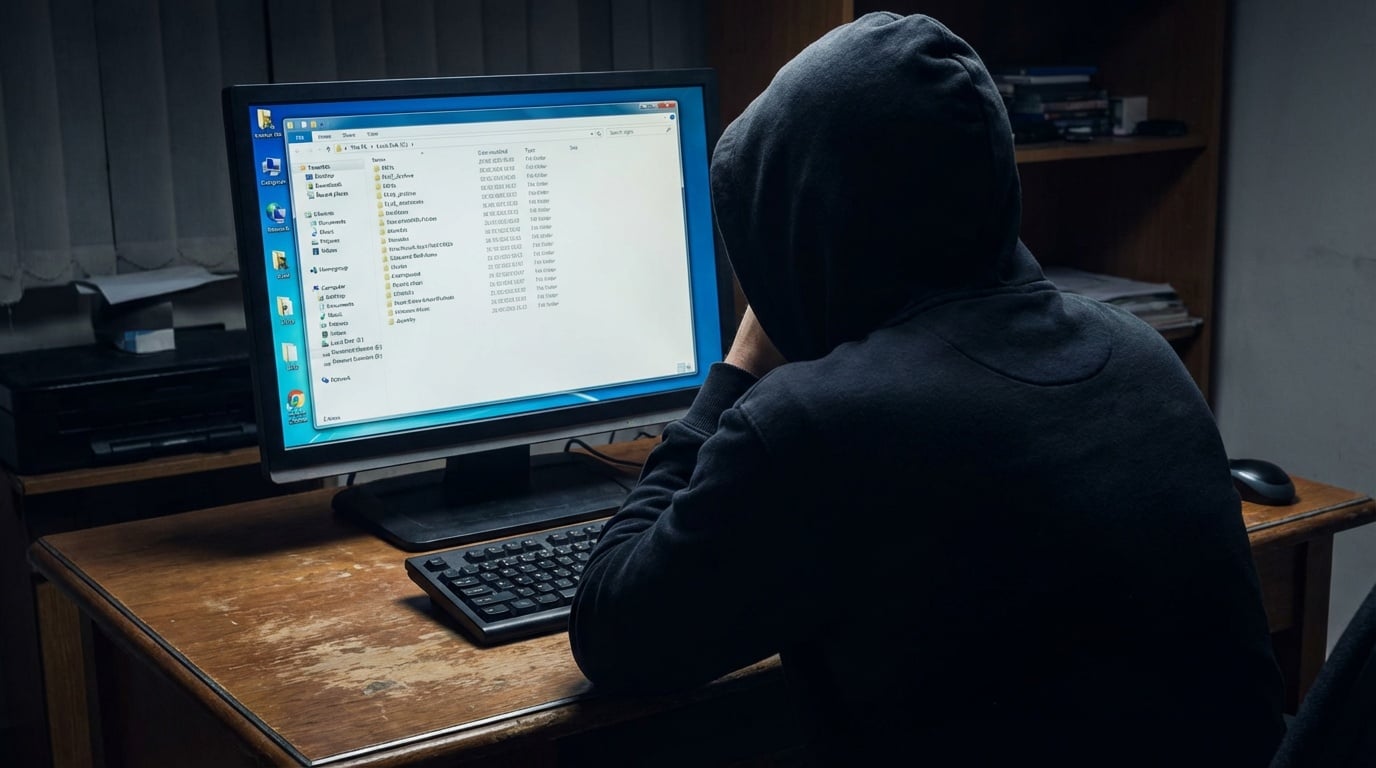
The three major music companies and Spotify are seeking $322.2 million in damages from shadow library Anna’s Archive, after the pirate group allegedly released millions of music files in defiance of a court order.
As previously reported by MBW, the lawsuit was filed on January 2, 2026, after Anna’s Archive announced in December 2025 that it had scraped approximately 86 million music files from Spotify and planned to distribute them via BitTorrent.
The plaintiffs describe the scraping as “brazen theft of millions of files containing nearly all of the world’s commercial sound recordings.”
A motion for default judgment and an accompanying memorandum of law in support of the motion were filed on March 25 in the US District Court for the Southern District of New York — asking the court to rule in the plaintiffs’ favour without trial, given the defendant’s “failure to answer or otherwise defend against the claims in the Complaint.” You can read the statement of damages here and the memorandum here.
Anna’s Archive was placed in default on February 2 after failing to respond to the lawsuit.
Despite a court order issued by Judge Jed S. Rakoff on January 20 prohibiting Anna’s Archive from distributing copyrighted works, the filings reveal that the pirate group released a portion of the scraped files on or around February 9 via 47 separate torrents — in what the plaintiffs describe as “blatant disregard of the Preliminary Injunction.”
“Defendant’s contempt of the Court’s preliminary injunction order is flagrant and indisputable,” the memorandum states.
The plaintiffs include labels of Universal Music Group (UMG Recordings, Capitol Records), Sony Music Entertainment (Arista Music, Arista Records, Zomba Recording), and Warner Music Group (Atlantic Recording Corporation, Atlantic Music Group, Bad Boy Records, Elektra Entertainment, Fueled by Ramen, Warner Music International Services, Warner Records). Spotify is also a co-plaintiff.
The memorandum states that the torrents collectively made 2,806,041 individual music files available for download, including sound recordings owned by one or more of the record company plaintiffs. The links were removed from Anna’s Archive’s websites around February 11, but the plaintiffs note that due to the nature of BitTorrent, the files remain publicly available through the peer-to-peer network.
The $322.2 million total breaks down as follows: the record company plaintiffs are seeking $22.2 million in maximum statutory damages for willful copyright infringement — calculated at $150,000 for each of 148 sound recordings identified in the complaint.
Spotify is separately seeking $300 million in DMCA damages for circumvention of its digital rights management technology — calculated at $2,500 for each of the 120,000 files that the plaintiffs actually downloaded from the torrents during their investigation.
The plaintiffs describe the damages request — the first time a specific figure has been sought in the case — as “extremely conservative.” If Spotify sought DMCA damages on all 2.8 million released files, the total would exceed $7 billion. The record companies describe the 148 works cited as merely “an illustrative sample.”
The memorandum also cites Anna’s Archive’s own admissions. The filing states that Anna’s Archive has publicly acknowledged that it “deliberately violate[s] the copyright law in most countries,” and that its operators remain anonymous because those who run pirate libraries are “at high risk of being arrested” and “could face decades of prison time.”
The plaintiffs characterize Anna’s Archive as “an organization notorious for its admittedly illegal conduct.”
The court must now rule on the motion.Music Business Worldwide
-
U.S. and India remain split on WTO e-commerce moratorium extension
U.S. and India remain split on WTO e-commerce moratorium extension
Read More -
Access Error
The page you are trying to access is unavailable because we detected potential misuse. Please wait a moment and try again.
For help please visit help.ft.com. We
apologise for any inconvenience.The following information can help our support team to resolve this issue.
- Reason
- Access Blocked
- Request ID
- 9e3bfefc2b9246c0
- Status Code
- 403
-

Springsteen headlines Minnesota ‘No Kings’ rally as protesters march across U.S. and Europe
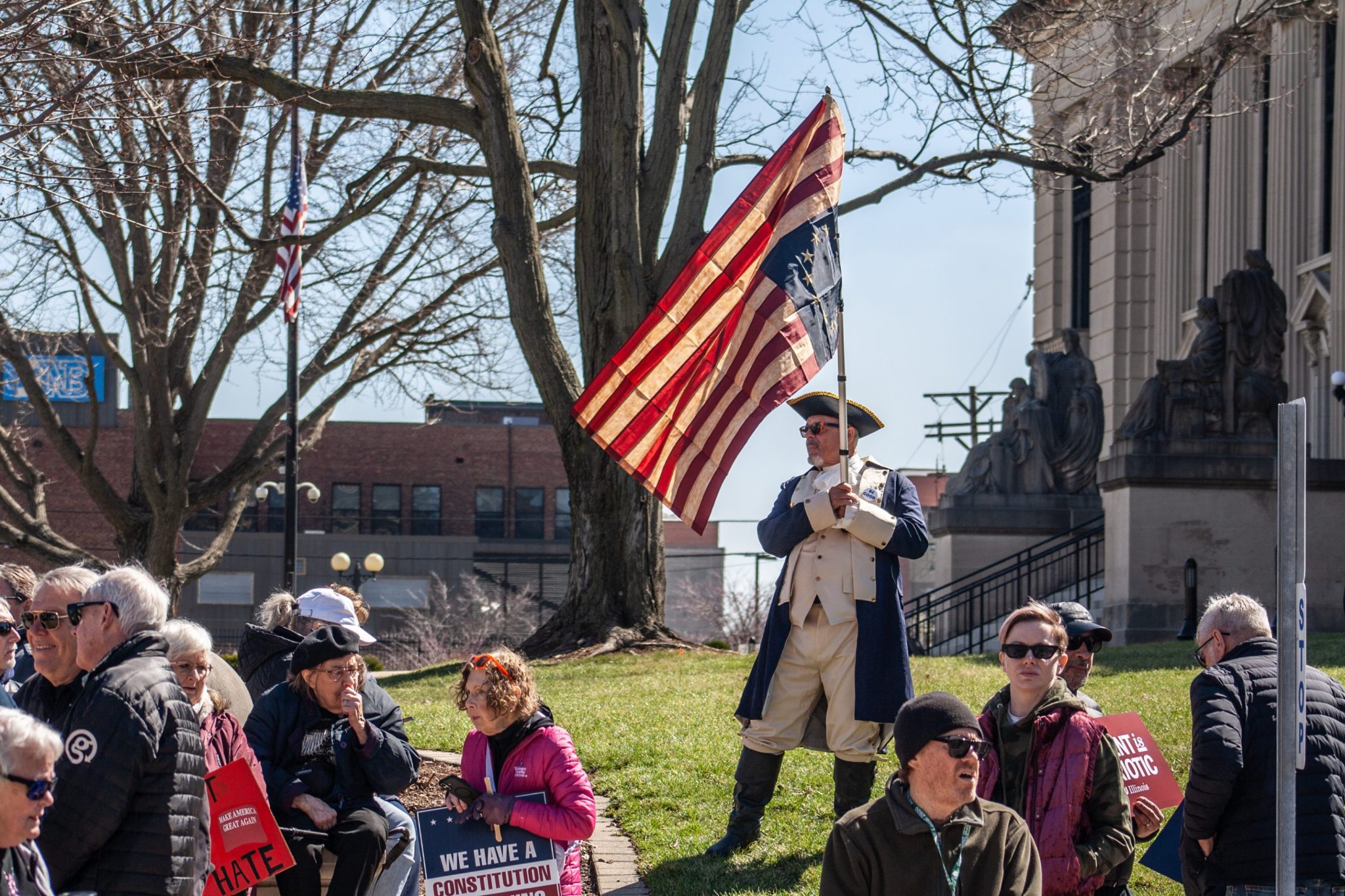
Large crowds protested Saturday against the war in Iran and President Donald Trump’s actions in “No Kings” rallies across the U.S. and in Europe. Minnesota took center stage, with thousands of people standing shoulder-to-shoulder to celebrate resistance to Trump’s aggressive immigration enforcement.
Minnesota’s flagship event on the Capitol lawn in St. Paul drew Bruce Springsteen as its headliner. He and other speakers praised the state’s people for taking to the streets over the winter in opposition to a surge of U.S. Customs and Immigration Enforcement agents.
Springsteen performed “Streets of Minneapolis,” the song he wrote in response to the fatal shootings of Renee Good and Alex Pretti by federal agents. Springsteen lamented Good and Pretti’s deaths but said the state’s pushback against ICE has given the rest of the country hope.
“Your strength and your commitment told us that this was still America,” he said. “And this reactionary nightmare, and these invasions of American cities, will not stand.”
People rallied from New York City, with almost 8.5 million residents in a solidly blue state, to Driggs, a town of fewer than 2,000 people in eastern Idaho, a state Trump carried with 66% of the vote in 2024.
Biggest crowds yet expected
U.S. organizers have estimated that the first two rounds of No Kings rallies drew more than 5 million people in June and 7 million in October.This week they told reporters they expected 9 million participants Saturday, though it was too early to tell whether those expectations were met.
Organizers said more than 3,100 events — 500 more than in October — were registered, in all 50 states.
In Topeka, Kansas, a rally outside the Statehouse had people impersonating a frog king and Trump as a baby. Wendy Wyatt drove with “Cats Against Trump” sign from Lawrence, 20 miles (32 kilometers) to the east, and planned to drive back to her hometown for a later rally there.
Wyatt said “there are so many things” about the Trump administration that upset her, but “this is very hopeful to me.”
GOP officials dismissive of protests
White House spokesperson Abigail Jackson characterized them as the product of “leftist funding networks” with little real public support.
The “only people who care about these Trump Derangement Therapy Sessions are the reporters who are paid to cover them,” Jackson said in a statement.
The National Republican Congressional Committee was also sharply critical.
“These Hate America Rallies are where the far-left’s most violent, deranged fantasies get a microphone,” NRCC spokesperson Maureen O’Toole said.
Protesters have a long list of causes
Trump’s immigration enforcement push, particularly in Minnesota, was just one item on a long list of protester grievances that also included the war in Iran and the rollback of transgender rights. Speakers at the Minnesota rally decried billionaires’ economic power.
In Washington, hundreds marched past the Lincoln Memorial and into the National Mall, holding signs that read “Put down the crown, clown” and “Regime change begins at home.” Demonstrators rang bells, played drums and chanted “No kings.”
Bill Jarcho was there from Seattle, joined by six people dressed as insects wearing tactical vests that said, “LICE” — spoofing ICE, as part of what he called a “mock and awe” tour.
“What we provide is mockery to the king,” Jarcho said. “It’s about taking authoritarianism and making fun of it, which they hate.”
About 40,000 people marched in San Diego, police there said.
In New York, Donna Lieberman, executive director of the New York Civil Liberties Union, said during a news conference that Trump and his supporters want people to be afraid to protest.
“They want us to be afraid that there’s nothing we can do to stop them,” she said. “But you know what? They are wrong — dead wrong.”
Organizers said two-thirds of RSVPs for the rallies came from outside of major urban centers. That included communities in conservative-leaning states like Idaho, Wyoming, Montana, Utah, South Dakota and Louisiana, as well in electorally competitive suburbs in Pennsylvania, Georgia and Arizona.
Main event at the Minnesota Capitol
Organizers designated the rally there as the national flagship event.
Before Springsteen took the stage, organizers played a video in which actor Robert DeNiro said he wakes up every morning depressed because of Trump but was happier Saturday because millions of people were protesting. He also congratulated Minnesotans for running ICE out of town.
The bill also included singer Joan Baez, actor Jane Fonda, Vermont U.S. Sen. Bernie Sanders and a long list of activists, labor leaders and elected officials.
Protesters held up a massive sign on the Capitol steps that read, “We had whistles, they had guns. The revolution starts in Minneapolis.”
“Donald Trump may pretend that he’s not listening, but he can’t ignore the millions in the streets today,” said Randi Weingarten, president of the American Federation of Teachers.
Rallies outside the US
Demonstrations were also planned in more than a dozen other countries, from Europe to Latin America to Australia, Ezra Levin, a co-executive director of Indivisible, a group spearheading the events, said in an interview. In countries with constitutional monarchies, people call the protests “No Tyrants,” he said.
In Rome, thousands marched with defiant chants aimed at Premier Giorgia Meloni, whose conservative government saw its referendum for streamlining Italy’s judiciary fail badly this week amid criticism that it was a threat to the courts’ independence. Protesters also waved banners protesting Israeli and US attacks on Iran, calling for “A world free from wars.”
In London, people protesting the war held banners with slogans such as “Stop the far right” and “Stand up to Racism.”
And in Paris, several hundred people, mostly Americans living in France, along with labor unions and human rights organizations, gathered at the Bastille.
“I protest all of Trump’s illegal, immoral, reckless, and feckless, endless wars,” rally organizer Ada Shen said.
-
Access Error
The page you are trying to access is unavailable because we detected potential misuse. Please wait a moment and try again.
For help please visit help.ft.com. We
apologise for any inconvenience.The following information can help our support team to resolve this issue.
- Reason
- Access Blocked
- Request ID
- 9e3b4604eb8d3f68
- Status Code
- 403
-
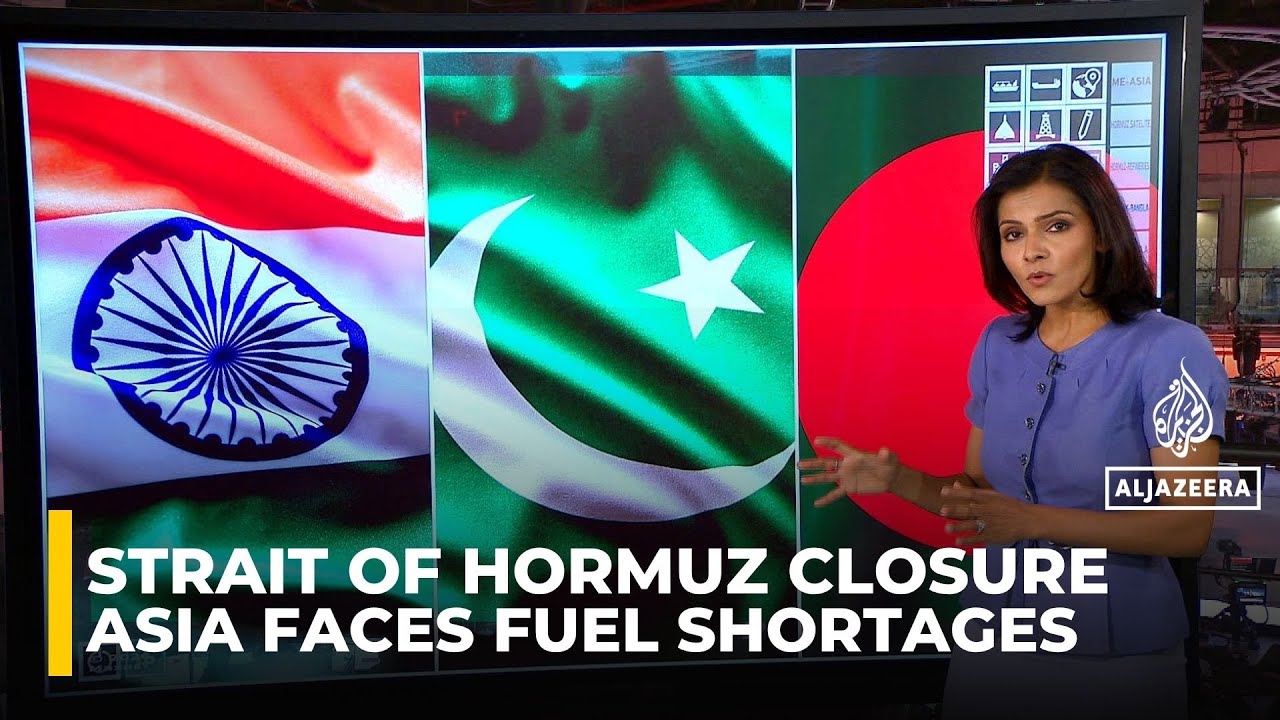
Asia hit by oil shock as Strait of Hormuz disruptions deepen
The US-Israel conflict with Iran has disrupted global energy, especially in Asia, as Iran blocks the Strait of Hormuz, limiting 20% of oil shipments. Countries like India, China, Japan, and South Korea are adopting strategies such as stockpiling, subsidies, or seeking alternative sources. Vietnam and the Philippines face severe shortages amid rising fuel prices and supply disruptions
Impact of Middle East War on Asian Energy Security
The ongoing conflict in the Middle East has severely affected Asia, the world’s largest consumer of Middle Eastern oil. The Strait of Almos, a critical energy corridor where about 20% of global oil and gas supplies pass, has seen disruptions since Iran effectively shut it down, blocking shipments primarily destined for Asian nations. Attacks on energy infrastructure across the region have further reduced production, heightening concerns over energy shortages across Asian countries.
Diverse Responses Among Asian Countries
Asian nations are responding differently to the crisis. India, Pakistan, and Bangladesh face significant challenges due to their heavy dependence on Gulf energy supplies; India has invoked emergency measures and turned to unsanctioned Russian supplies. In contrast, China has managed better, thanks to pre-war stockpiles and its ongoing trade with Iran and Russia. Japan, South Korea, and Taiwan have implemented energy voucher programs and reserve strategies, while Thailand and Indonesia have introduced fuel caps and subsidies to stabilize prices.
Struggling Nations and Strategic Measures
In Thailand, an oil shock caused by disruptions in the Strait of Hormuz could have several noticeable effects:
1. Higher Fuel Prices
- At the pump: Gasoline and diesel prices would likely rise quickly, making it more expensive to drive cars, motorbikes, and trucks.
- Transportation costs: Taxis, buses, and delivery services would charge more, affecting daily commutes and the cost of goods.
2. Increased Cost of Living
- Food prices: Since food is transported by trucks and ships, higher fuel costs can make groceries more expensive.
- Electricity bills: Thailand uses oil for some electricity generation, so bills could go up.
3. Impact on Tourism
- Air travel: Higher jet fuel prices could make flights more expensive, potentially reducing the number of tourists visiting Thailand.
- Local travel: Tourists and locals might cut back on trips if fuel and transport costs rise.
Vietnam and the Philippines are among the most vulnerable, with limited reserves and declared energy emergencies to control distribution. Vietnam’s reserves last about 20 days, while the Philippines’ president has empowered authorities to prioritize fuel distribution amid shortages. These measures reflect the varying degrees of energy security challenges faced by Asian nations amid the Middle Eastern conflict.
Other People are Reading
