Category: Business

  • What’s happening with Iran-US ‘talks’?

    What’s happening with Iran-US ‘talks’?


    Paris: Diplomatic efforts to end the war in Iran are gathering pace, even though Tehran continues to insist talks with the United States are not happening.

    Here is what we know about the behind-the-scenes mediation efforts:

    What is on the table?

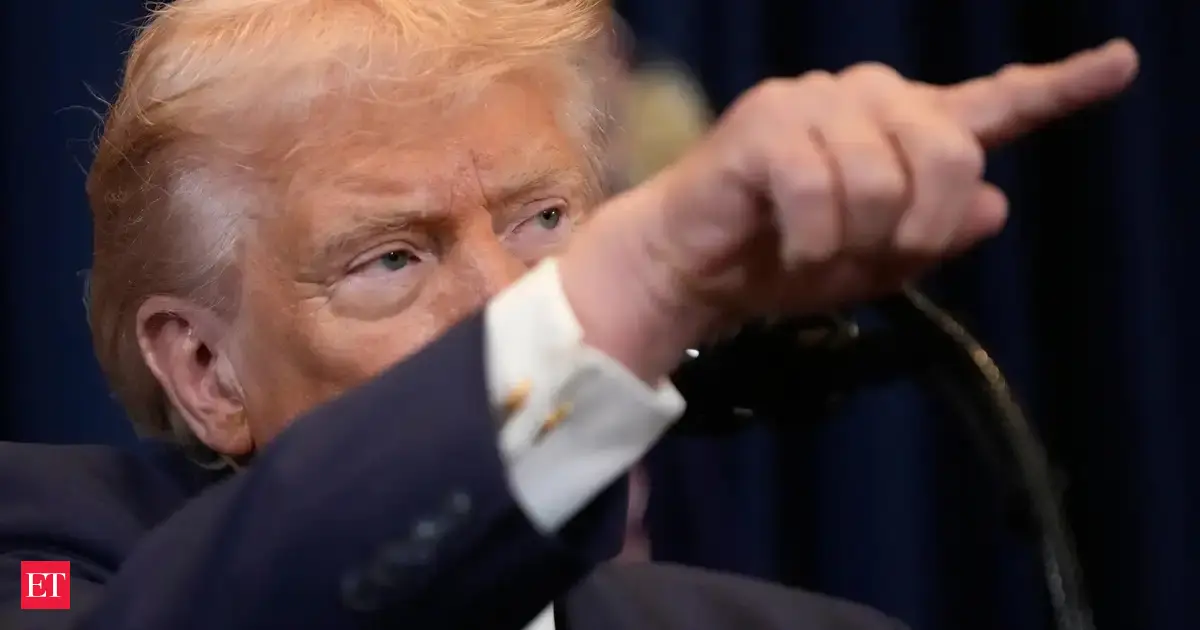
    After announcing “very good” talks with an unnamed “top person” in Iran on Monday, Trump said Tuesday that he had sent a plan and that it “all starts with, they cannot have a nuclear weapon.”

    A 15-point proposal to stop the fighting has been conveyed to Iran via Pakistan, Pakistani officials have confirmed.

    But the exact contents remain unknown and the identity of Trump’s “top person” is a mystery, if he exists at all.

    The New York Times and Al Jazeera have reported that Trump is proposing a one-month ceasefire during which the two sides would restart talks about the same issues they were discussing before the war.

    These include a US demand that Iran hand over its enriched uranium stockpile, stop any further enrichment, and agree to limits on its missile programme, as well as cease support for militant groups in the region.

    If Iran met US conditions and opened up the strategic Strait of Hormuz for shipping, which it has effectively closed, Trump is offering relief from all sanctions, the reports suggest.

    After saying that Iran wanted to make a deal “so badly”, the US president warned Thursday that they “better get serious soon”.

    The head of the UN nuclear watchdog Rafael Grossi has said a meeting in Islamabad at the weekend is under discussion.

    What does Iran say?
    Publicly, no Iranian official has confirmed any negotiations, but the language used is ambiguous.

    Iranian Foreign Minister Abbas Araghchi said messages were “being exchanged through friendly countries or through certain different individuals” but insisted that “this is neither called dialogue nor negotiation”.

    But he added that “if it is necessary for a position to be taken, it will certainly be decided”.

    Pakistani and Egyptian officials have confirmed they are serving as diplomatic backchannels.

    What are Iran’s demands?
    According to an unidentified Iranian official cited by Iran’s Press TV on Wednesday, Tehran has sent five conditions for an end to hostilities.

    These include ending “aggression and assassinations”, setting up a mechanism guaranteeing that neither Israel nor the United States would resume the war, as well as financial compensation.

    They also include a cessation of hostilities on all fronts, meaning Israel would stop bombarding Tehran-backed Hezbollah in Lebanon and possibly Hamas in Gaza.

    The official also said Tehran wanted international recognition of its sovereignty over the Strait of Hormuz.

    On March 11, Iranian President Masoud Pezeshkian laid out Iranian terms as “recognising Iran’s legitimate rights, payment of reparations, and firm international guarantees against future aggression”.

    The Wall Street Journal reported that Tehran was also demanding the closure of US military bases in the Gulf.

    Can compromises be found?
    Analysts say the conflict has strengthened hardliners in Tehran where the rhetoric is defiant and increasingly confident.

    Trump has bombed the country twice amid negotiations, first in June last year and again on February 28.

    As for US demands, Tehran has insisted since 2003 it is not seeking a nuclear weapon but has a right to enrich for civilian nuclear energy purposes.

    It has also refused curbs on its ballistic missile programme or discussions about its support for militant groups such as Hezbollah or the Houthis in Yemen.

    Tehran’s demand for reparations is likely a non-starter, as is any suggestion of the US closing Gulf military bases.

    It is not clear how its sovereignty over the Strait of Hormuz would work, or how meaningful security guarantees could be formulated, unless they involved outside powers such as Russia or China.

    So is there no hope?
    The outcome may come down to how badly Trump wants to end the war, and whether Iran’s leaders view their interests as being best served by a ceasefire.

    Trump would walk away claiming victory, saying he has destroyed Iran’s military and nuclear capabilities.

    The Islamic republic could also claim victory, pointing to how its forces resisted four weeks of US and Israeli onslaught while also landing blows on US interests in the region and in Israel.

    “Both sides need to be able to claim victory and save face, whatever deal they agree on,” a diplomat based in the Middle East told AFP on condition of anonymity. “The process will take some time.”

    But even with a ceasefire, the question of Iran’s nuclear programme and its 440-kilogram stockpile of highly enriched uranium remains unresolved.

    Some analysts believe the talks are a smokescreen as Trump prepares a ground offensive to re-open the Strait of Hormuz by force or seize Iranian oil assets.

    Iran has signalled it would use its Houthi allies in Yemen to attack shipping in the Red Sea, which would open up a new front in a war of spiralling economic, political and military repercussions.

    Read More

  • Primary Wave makes strategic investment in Vietnam’s POPS Music – with plans to ramp up catalog deals in Southeast Asia

    Primary Wave makes strategic investment in Vietnam’s POPS Music – with plans to ramp up catalog deals in Southeast Asia


    Primary Wave Music says it has made a “strategic investment” in POPS Music, a prominent music company based in Vietnam.

    POPS claims to be “home to the largest catalog of Vietnamese and Indonesian music”.

    Under the terms of the deal, Primary Wave said it will “invest capital in the company and provide additional resources for further Southeast Asian catalog investments to accelerate its IP growth in the region”.

    A press release announcing the deal on Thursday (March 26) noted that POPS is “home to a vast catalog of Vietnamese and regional repertoire” and has built “one of the region’s most influential music landscapes” over the past two decades.

    Vietnam-headquartered POPS Music was formed as a division of digital media and entertainment network POPS K.K.

    The company, which has additional offices and operations in Japan, Singapore, Thailand, and Indonesia, says that it manages a portfolio of more than 45,000 recordings.

    POPS says it has more than 15 million monthly active users across its music channels. It also says it has “850 million subscribers across all digital platforms, and nearly 67 million monthly active users across owned channels”.

    “we are building a two-way bridge for global stardom.”

    Esther Nguyen, POPS MUSIC

    Esther Nguyen, POPS CEO, describes the partnership with Primary Wave as “a transformative milestone in the evolution of the Southeast Asian music economy.”

    “By aligning POPS Music’s unrivaled digital footprint and regional expertise with Primary Wave’s world-class catalog and legendary creative resources, we are building a two-way bridge for global stardom,” said Nguyen.

    “We’re thrilled to partner with POPS Music and Esther Nguyen.”

    Agnes Kacicki, PRIMARY WAVE

    Agnes Kacicki, Primary Wave’s Head of Corporate Development, added: “We’re thrilled to partner with POPS Music and Esther Nguyen.

    “Their deep understanding of the Southeast Asian market and strong local relationships make them an ideal partner as we continue to grow our catalog investments globally.”

    Larry Mestel’s Primary Wave has built a formidable portfolio of iconic catalog stakes over the past decade, spanning rights in the music of Prince, Whitney Houston, Bob Marley, Stevie Nicks, James Brown, Notorious B.I.G. and, most recently, Britney Spears.

    The company, founded by Mestel in 2006, saw its buying power supercharged in 2022 by a $2 billion partnership with Brookfield Asset Management to fund music rights acquisitions.

    Just days ago (on Monday, March 23), the company confirmed a definitive agreement to acquire Kobalt, which it described as “one of the world’s premier independent music publishing and technology platforms.” The transaction includes an investment from Brookfield, a strategic partner to Primary Wave.

    Elsewhere in Vietnam, other recent investors in the market include Sony Music, which bought a 49% stake in 1Label JSC, the music production and artist management unit of domestic media giant YeaH1 Group.

    Following the deal, Sony Music and YeaH1 Group launched a joint venture called SYE Holdings, which debuted a new boy group called UPRIZE.Music Business Worldwide

    Read More

  • Trump says officials who opened probe into Powell showed ‘courage’


    President’s remarks come after judge called the investigation an attempt to coerce Fed chair to lower interest rates

    Read More

  • Megapot raises  million to create a crypto-powered global lottery

    Megapot raises $5 million to create a crypto-powered global lottery


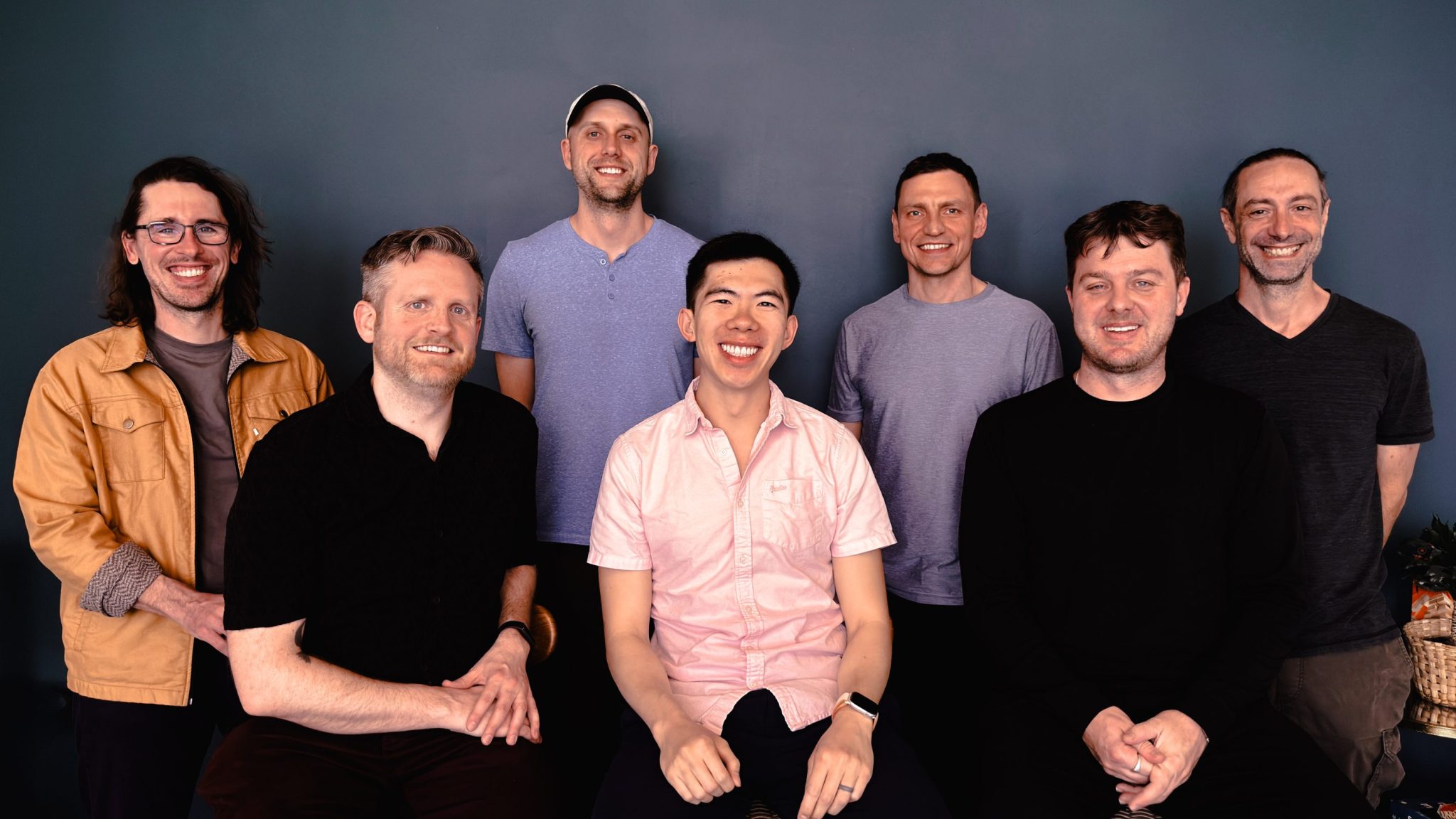
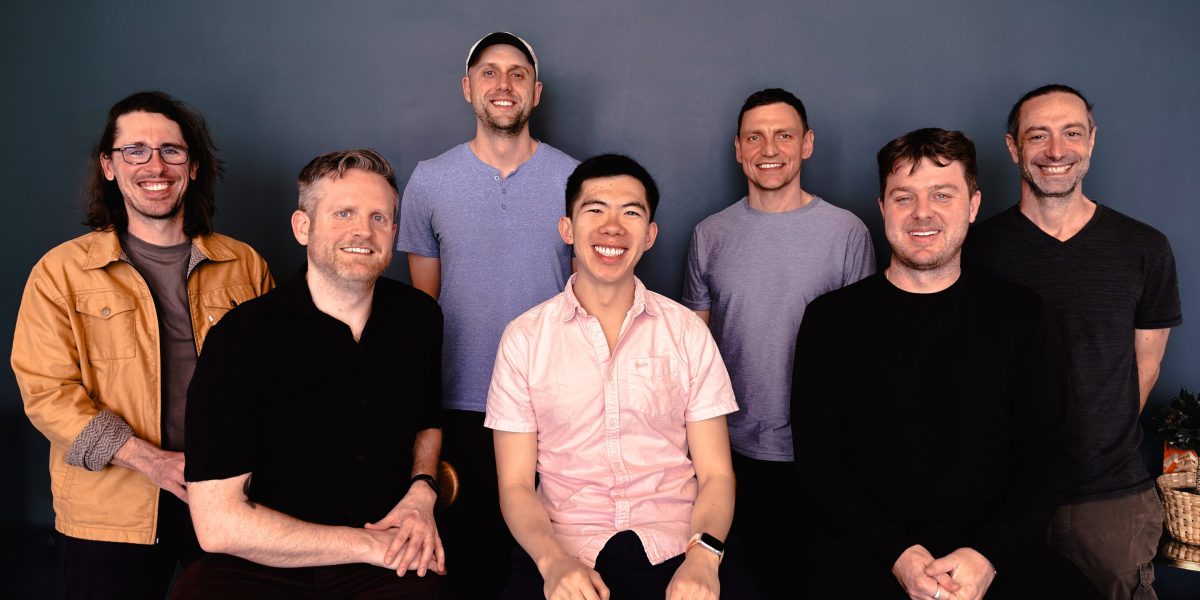
    Most lotteries are contained within a country or a state, and much of the time, people have to go to a physical location to buy a ticket. Patrick Lung founded Megapot in order to create a global lottery where people around the world can buy tickets from their phone. 

    On Thursday, the startup announced that it raised $5 million in a funding round led by Dragonfly, with participation from Coinbase Ventures, Bankless Ventures, and the founders behind FanDuel, Betfair, and MyPrize. Lung declined to share the startup’s valuation, in an interview with Fortune. 

    Lung said he founded Megapot also because he viewed it as a way to bring the masses to blockchain. “I wanted to go build something that can actually bring a billion people on chain, so they can get all the benefits of crypto,” he said. 

    People can buy Megapot tickets from more than 150 countries, and it costs one dollar to buy a ticket for the daily lottery. Megapot has had 19 jackpot winners, with one person taking home about $200,000, according to Lung. The platform is not available in about 30 countries, including the United States, the United Kingdom, and France. 

    Crypto is the engine behind his startup, Lung said. Its permissionless protocols run on Base, a network built on Ethereum, meaning that anyone can access it, interact with it, and developers can build on top of it. Megapot also uses stablecoins, a type of cryptocurrency often pegged to the U.S. dollar, to pay out users around the world. 

    Lung founded Megapot in January 2024 after working for about eight years at tech and crypto companies like Microsoft, Lyft, and Uniswap. His company currently has seven employees. 

    Megapot launched the latest version of its lottery on Tuesday, and it earns revenue by charging fees on tickets sold through its site. With the new capital from the raise, the startup plans to expand to more countries. Lung said that traditional lotteries are his company’s main competition, and that Megapot can offer larger jackpots and better odds than this incumbent system. 

    Lung cited his mom as the inspiration behind Megapot, “I want to build a product that’s actually built for my mom. [She] has actually bought a lottery ticket for two decades now every weekend,” he said. “That’s what we’re trying to build …something that I can share with any person and they instantly understand why it should exist.” 

    Read More

  • Access Error


    The page you are trying to access is unavailable because we detected potential misuse. Please wait a moment and try again.

    For help please visit help.ft.com. We
    apologise for any inconvenience.

    The following information can help our support team to resolve this issue.

    Reason
    Access Blocked
    Request ID
    9e27fc127fbca3b7
    Status Code
    403

    Read More

  • Three Strategies for Financing Clean Energy Goals in Southeast Asia

    Three Strategies for Financing Clean Energy Goals in Southeast Asia


    With rapid economic growth on one side and its net-zero commitments on the other, the ASEAN region must innovate in order to close the clean energy investment gap.

    South-East Asia faces a critical $150 billion annual shortfall in clean energy investment required to meet its 2050 climate commitments amid rising economic growth and energy demand. To bridge this gap and reduce reliance on costly fossil fuel imports, the region must implement strategic reforms to enhance financial transparency, leverage blended finance through development institutions, and mitigate currency risks for private investors. Ultimately, a successful energy transition depends on coordinated public-private collaboration to dismantle barriers to foreign capital and capitalize on the region’s sustainable economic potential.

    Key Points

    • South-East Asia requires $180 billion in annual clean energy investment by 2030, yet only $30 billion was invested annually between 2016 and 2020.
    • Rapid urbanization and industrialization are driving energy demand, and failing to transition could result in oil and gas import bills exceeding 5% of the region’s GDP by 2030.
    • Major ASEAN economies, including Indonesia, Vietnam, Thailand, and Malaysia, have committed to net-zero emissions or carbon neutrality by 2050.
    • A significant barrier to global investment is the lack of transparent data regarding the cost of capital and financial performance of renewable projects in emerging markets.

    1. Greater transparency and the wider availability of data around the financial performance and cost of capital for clean energy projects

    The scarcity of data on clean energy in Southeast Asia poses a significant challenge for global investors considering investments in ASEAN renewables. Enhanced transparency regarding the cost of capital, both in emerging markets broadly and the ASEAN region specifically, is essential.

    The Cost of Capital Observatory, launched by the International Energy Agency in partnership with the World Economic Forum, Imperial College London and ETH Zürich, aims to address this need. By providing reliable data and improving transparency around clean energy investment in emerging economies, the Observatory will help address data obstacles experienced by investors.

    2. An enhanced role for development finance institutions (DFIs) and blended finance

    Renewable energy investments in South-East Asia encounter significant challenges, including financing constraints and bankability issues, which hinder the mobilization of capital from commercial and financial providers. Blended finance, by utilizing catalytic capital from public sources, can play a pivotal role in addressing these barriers and boosting private sector investments. Notably, an increased deployment of blended finance by Development Finance Institutions (DFIs) could help ensure that projects adhere to stringent climate and compliance standards while facilitating the establishment of robust contractual and financing frameworks for renewable energy initiatives.

    The World Bank has been working with governments in the ASEAN region to develop carbon pricing mechanisms that could help put renewable energy on a level playing field with other fossil fuel-based generation technologies. Initiatives such as the Climate Action Data Trust illustrate the type of solutions that can provide technical assistance in building a regional voluntary carbon market.

    3. Greater access to risk-hedging tools to address credit and currency risks for private investors

    Private investors often encounter heightened credit and currency risks in South-East Asia. Safeguarding against foreign currency fluctuations proves particularly difficult, especially given the long timeframes commonly associated with clean energy infrastructure projects.

    A proposal to address this risk was made by the Center on Global Energy Policy of Columbia University, the World Economic Forum and the World Bank Climate Change Group’s Invest4Climate programme. A clean energy Exchange Rate Coverage Facility (ERCF) would increase clean energy finance in emerging economies by protecting foreign currency lenders and domestic sponsors against the depreciation of local currency payments by leveraging credits generated by clean energy projects, blended finance mechanisms and private international capital.

    ASEAN faces a critical challenge: balancing rapid economic growth with ambitious net-zero emissions targets. To achieve this, the region must bridge a significant clean energy investment gap. This requires innovation in financial mechanisms, policy frameworks, and technological solutions. By fostering an environment conducive to investment in renewables, energy efficiency, and sustainable infrastructure, ASEAN can drive economic development while simultaneously decarbonizing its energy sector. Innovative approaches are crucial for unlocking the necessary capital to transition to a clean energy future and meet its climate commitments.

    Source link

    Read More

  • (VIDEO) Galaxy Z Fold 7 Hinge Rated for 500,000 Folds, Samsung Claims Major Durability Leap

    (VIDEO) Galaxy Z Fold 7 Hinge Rated for 500,000 Folds, Samsung Claims Major Durability Leap


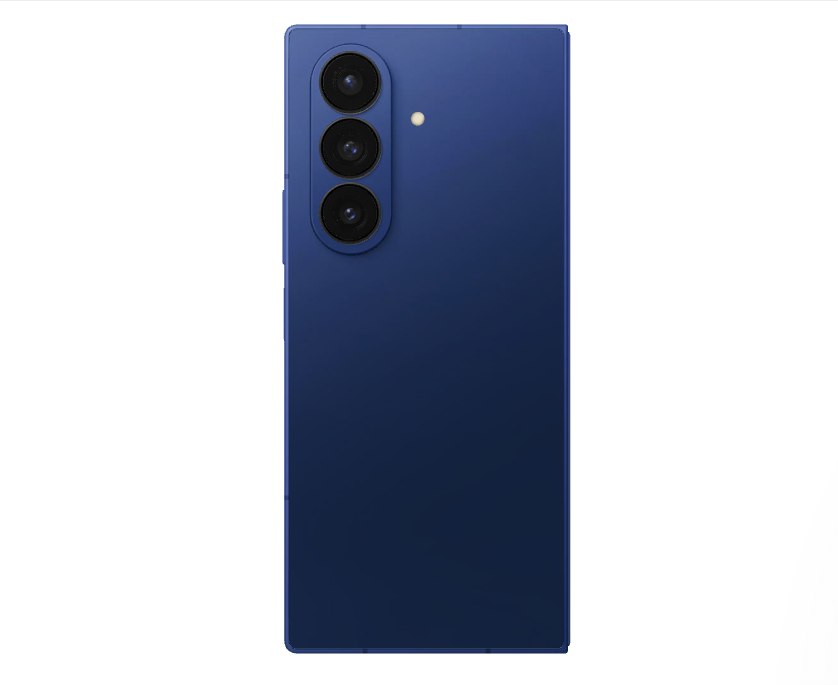
    Samsung’s Galaxy Z Fold 7, the company’s thinnest and lightest book-style foldable yet, features a folding display certified to withstand 500,000 folds — more than double the rating of its predecessor and enough to theoretically last over a decade for typical users, according to the company and independent certification.

    Samsung Galaxy Z Fold 7
    Samsung Galaxy Z Fold 7

    The enhanced durability comes as Samsung continues to push foldable technology into the mainstream, addressing long-standing consumer concerns about hinge wear, screen creases and overall longevity in devices that bend repeatedly. Released in July 2025 following its unveiling at Galaxy Unpacked in Brooklyn, the Z Fold 7 has drawn attention not just for its slimmed-down design but for engineering advances aimed at making foldables feel more like traditional slab smartphones in daily use.

    Samsung Display, which supplies the flexible OLED panel, said the inner screen remained fully functional after 500,000 folds in testing conducted over 13 days at 25 degrees Celsius (77 degrees Fahrenheit) by Bureau Veritas, a respected certification firm. The company attributes the improvement to a 50% thicker shock-resistant Ultra Thin Glass (UTG) layer and new high-elastic adhesive materials that better absorb stress.

    For context, the Galaxy Z Fold 6 was rated for 200,000 folds, a figure Samsung promoted as sufficient for about five years of average use or 10 years with lighter handling. The jump to 500,000 folds on the Z Fold 7 represents a 150% increase, with Samsung claiming the device could endure more than 10 years for average users folding it roughly 100 times daily or about six years for heavy users exceeding 200 folds per day.

    That math is straightforward but optimistic: 500,000 folds divided by 100 daily cycles equals roughly 13.7 years. Real-world variables — temperature, dust exposure, drop impacts and user habits — can affect outcomes. Samsung notes the panel is rated for 300,000 folds at 60 degrees Celsius (140 degrees Fahrenheit) and just 60,000 folds at -20 degrees Celsius (-4 degrees Fahrenheit), highlighting sensitivity to extreme conditions.

    The hinge itself received a significant redesign dubbed Armor Flex. It is reportedly 27% thinner and 43% lighter than the mechanism in the Z Fold 6, incorporating advanced alloys and a multi-rail structure for smoother operation and reduced gap when closed. The phone measures just 8.9 millimeters thick when folded — down from 12.1 mm on the prior model — and 4.2 mm when unfolded, weighing 215 grams. Many reviewers describe it as feeling closer to a conventional flagship like the Galaxy S25 Ultra in hand.

    Early hands-on durability tests have been largely positive on structural integrity. YouTuber JerryRigEverything subjected the Z Fold 7 to bending, scratching and dusting stresses, finding the hinge held up without seizing even after significant debris exposure. The device survived repeated reverse bending without creaking or loosening in controlled torture tests, though the inner screen still scratches at Mohs hardness level 2, typical for foldable OLEDs.

    Not all tests painted a flawless picture. A Korean YouTube channel, Tech-it, manually folded and unfolded a Z Fold 7 unit 200,000 times in a livestreamed stress test. The device continued functioning, but issues emerged: reboot errors starting around 6,000-10,000 cycles, creaking noises by 46,000 folds, an unidentified black liquid leaking from the hinge at 75,000 cycles, and eventual speaker failures by 175,000 folds. The folding action reportedly became smoother over time, and the hinge retained its ability to hold positions at various angles.

    Samsung has not directly addressed that specific test but emphasizes that lab ratings reflect controlled, repetitive folding rather than combined real-world stressors like dust ingress, impacts or temperature swings. The Z Fold 7 retains an IP48 rating for dust and water resistance, an incremental improvement but still short of full IP68 protection found on many non-foldable flagships.

    User reports in online communities, including Reddit’s r/GalaxyFold, have been mostly encouraging in the months since launch. Owners describe the hinge as feeling more solid, with minimal visible crease progression and reliable daily operation after several months of use. Some note it feels “like a normal phone” when closed, though long-term reliability beyond the first year remains an open question as the device is still relatively new in early 2026.

    The Z Fold 7’s other specifications support its premium positioning. It features an 8-inch inner Dynamic AMOLED display and a 6.5-inch cover screen, both with adaptive 120Hz refresh rates. Power comes from a Snapdragon 8 Elite for Galaxy chipset, paired with up to 16GB RAM and storage options reaching 1TB. The camera system includes a new 200-megapixel main sensor — a major upgrade from the 50MP unit on the Z Fold 6 — alongside 12MP ultrawide and 10MP telephoto lenses with 3x optical zoom. Battery capacity sits at 4,400mAh with support for fast charging.

    Pricing starts around $2,000, positioning it as a luxury productivity tool rather than an everyday carry for most consumers. Samsung markets the device for multitasking, with features like enhanced Galaxy AI for note-taking, translation and app continuity across the large inner screen.

    Industry analysts view the durability claims as a critical step for foldable adoption. While sales of foldables have grown, many potential buyers have hesitated due to past reports of screen failures, hinge issues or creases developing within one to two years. The Z Fold 7’s improvements, combined with a slimmer profile, aim to reduce that friction.

    Still, experts caution that foldables inherently involve trade-offs. The flexible screen technology, while advancing rapidly, remains more vulnerable to scratches and impacts than rigid glass. Samsung recommends using the included case or a screen protector and avoiding extreme temperatures or forcing the hinge.

    Third-party repair costs for foldables can exceed $1,000 for screen or hinge replacement, making warranty coverage and careful handling important considerations. Samsung offers extended protection plans, but coverage details vary by region.

    As of March 2026, the Galaxy Z Fold 7 remains Samsung’s flagship foldable, with no immediate successor announced. Rumors of a Z Fold 8 have surfaced, potentially bringing further refinements such as improved dust resistance or even higher fold ratings, but the Z Fold 7 continues to represent the state of the art in book-style foldables.

    Competitors like Google with its Pixel Fold series and Chinese manufacturers including Huawei and Honor have introduced their own durable designs, some claiming IP68 ratings or alternative hinge technologies. Samsung maintains leadership in global market share for foldables, bolstered by its vertical integration in display manufacturing.

    For consumers debating a foldable purchase, the 500,000-fold rating provides reassurance on paper. Translating lab results to daily life depends heavily on usage patterns. Light users who open the device primarily for media consumption or productivity may see the hinge last well beyond the warranty period. Heavy users treating it like a pocket notebook could test the limits sooner.

    Samsung’s own guidance suggests the Z Fold 7 is built for years of service, but as with any smartphone, factors like software updates — expected through at least 2032 — battery degradation and evolving user needs will influence replacement cycles more than pure mechanical endurance.

    The evolution from the original Galaxy Fold in 2019, which faced early screen reliability issues, to the Z Fold 7 illustrates rapid progress in materials science and mechanical engineering. Crease visibility has diminished, hinges operate more smoothly, and overall build quality has improved to rival traditional phones in many respects.

    Yet durability remains a narrative Samsung must continue proving in the hands of millions of users. Independent long-term studies and repair data over the next 12-24 months will offer clearer insight into whether the 500,000-fold promise holds up under varied global conditions.

    In the meantime, the Galaxy Z Fold 7 stands as a bold statement that foldables can be both innovative and robust enough for everyday carry. Prospective buyers are advised to weigh the unique multitasking benefits against the premium price and the reality that, while vastly improved, these devices still require mindful handling compared to conventional smartphones.

    Technical support and software optimizations continue to refine the experience post-launch, with updates addressing minor hinge behaviors or display calibration. As the foldable ecosystem matures, accessories like specialized cases and screen films further enhance protection.

    Ultimately, the Z Fold 7’s fold endurance rating marks a significant milestone, potentially accelerating mainstream acceptance of bendable phones. Whether it truly delivers a decade of reliable service will be determined one fold at a time.

    Read More

  • Import-less ROS battles full-force Meralco in Commissioner’s Cup

    Import-less ROS battles full-force Meralco in Commissioner’s Cup


    Import-less ROS battles full-force Meralco in Commissioner’s Cup

    Games on Friday
    (Smart Araneta Coliseum)
    5:15 p.m. – Meralco vs Rain or Shine
    7:30 p.m. – Barangay Ginebra vs NLEX

    IMPORT-LESS Rain or Shine (ROS) braves on as the full-force Meralco boasts a huge edge following the suspension of Jaylen Johnson when they dispute the solo lead in the PBA Season 50 Commissioner’s Cup on Friday at the Smart Araneta Coliseum.

    Mr. Johnson, the impressive 6-foot-9 reinforcement of the Elasto Painters will serve his one-game ban after a one-on-one fistfight last week against TNT Tropang 5G forward Glenn Khobuntin, who was slapped with a two-game suspension plus a P70,000 fine.

    The American ace, who also had a P50,000 fine, was ejected last match and missed the last six minutes of the game but the all-Filipino ROS persevered to escape with a 112-109 win against the Tropang 5G led by the 7-foot-3 Bol Bol for a 2-0 slate.

    Whether ROS has enough local firepower once more to get the job done against the complete Meralco squad led by another tower in 7-foot-0 Marvin Jones will be tested at 5:15 p.m. before the main match between Ginebra (1-0) and NLEX (2-1) at 7:30 p.m.

    The Elasto Painters and the Bolts, along with the Gin Kings, remain as the only unbeaten team in the 13-team league so far and the path to the top has been vacated after Phoenix handed the surprise leader Terrafirma its first defeat, 133-105, for a momentary tie at No. 1 with 3-1 slates.

    ROS will miss Mr. Johnson’s averages of 33 points and 16.5 rebounds but it is what it is for head coach Yeng Guiao, whose appeal to rescind his import’s suspension was denied by the PBA this week.

    “We just have to play without him,” Mr. Guiao’s curt answer to a tall order in their way in a bid to stay unbeaten and snatch pole position. Before TNT headlined by former NBA player Mr. Bol, his wards also pulled the rug from under the fancied guest team Macau Black Knights, 116-109.

    Mr. Guiao will be banking on Adrian Nocum, who was named the PBA Press Corps Player of the Week after his heroics against TNT, to lead the way alongside Caelan Tiongson, Jhonard Clarito, Luis Villegas, Santi Santillan and Felix Pangilinan-Lemetti.

    Like ROS, Meralco is off to a strong start after trouncing Converge, 109-88, and Phoenix, 93-86.

    CJ Cansino, Chris Banchero, Cliff Hodge and skipper Chris Newsome have been steady under the wings of Mr. Jones in the first two games but Meralco’s X-factor will be its top rookie in Jason Brickman, who’s slowly but surely gaining his fine form after limited action in his conference debut due to groin injury.

    Mr. Brickman, the 7th overall selection who had to finish his MPBL duties with Abra during the Philippine Cup, bled for just three points in his debut but the 34-year-old floor general finally stamped his class with 16 points, seven rebounds and five assists against the Fuel Masters.

    But doing it again opposite a spirited ROS without its import would still not be a walk in the park for the Bolts, warned head coach Luigi Trillo.

    “Sometimes they say that’s an advantage, but sometimes that can be a disadvantage. Rain or Shine is a team that’s very capable even without an import,” he said.

    “They’ve had times when they didn’t play with an import and they won games so we know their chemistry is there. Without it being said, we need to capitalize on these opportunities. Injuries happen to players, suspensions happen. We need to take advantage and be locked in.” — John Bryan Ulanday

    Read More

  • Meta, Google risk Big Tobacco-like fallout after addiction trial


    A landmark jury verdict holding Meta Platforms Inc. and Alphabet Inc.’s Google liable for harming a young user with products designed to be addictive threatens to put the social networking companies in the same category as Big Tobacco and opioid makers — a potential crack in their shield from legal responsibility for what happens on their platforms. Read More

    Read More

  • US Stock Market Today: Wall Street Extends Losses, Nasdaq Down 1%; Nvidia, Microsoft Top Drags


    Nasdaq traded 1.01% or 247.94 points lower at 23,471.77, S&P 500 traded 0.61% or 42.20 points lower at 6,916.62, and Dow Jones traded 0.29% or 140.59 points lower at 49,051.40.

    Read More