Akshay Bhatia, the rising American star of Indian heritage who recently captured the Arnold Palmer Invitational on the PGA Tour, stands as the clear favorite to claim the Hero Indian Open 2026 title this week at the demanding DLF Golf & Country Club in Gurugram, where a strong international field including defending champion Eugenio Chacarra and several top-100 players will compete for the $2.55 million purse.
Akshay Bhatia
The tournament, running March 26-29 as part of the DP World Tour’s Asian Swing, marks one of the strongest editions in recent years. Bhatia, ranked inside the world’s top 25 and making his Indian Open debut, headlines a lineup that also features 2018 Open Championship winner Francesco Molinari, in-form South African Casey Jarvis, LIV Golf’s David Puig and a deep contingent of homegrown talent led by Shubhankar Sharma, Veer Ahlawat and Yuvraj Sandhu.
Bhatia’s recent form makes him the man to beat. Fresh off his victory at Bay Hill and a solid 13th-place finish at The Players Championship, the 24-year-old brings elite ball-striking and putting prowess to a course known for testing accuracy and course management. Betting markets have installed him as the outright favorite at around 8/1 to 10/1 odds, with many analysts viewing him as the player the rest of the field must overtake.
DLF Golf & Country Club, designed by Gary Player, measures 7,416 yards as a par-72 layout that rewards precision off the tee and strong iron play. The course has hosted the event since 2015 and is considered one of the toughest on the DP World Tour schedule, with narrow fairways, strategic bunkering and challenging par-3s — including the monstrous 256-yard 16th hole. Past winning scores have often hovered around even par or slightly under, highlighting the venue’s difficulty.
Defending Champion and Key Contenders
Spain’s Eugenio Chacarra returns as defending champion after securing his maiden DP World Tour title here in 2025 with a final-round birdie burst that saw him pull away for a two-shot victory. Chacarra has shown flashes of strong play this season but arrives with mixed recent results, including missed cuts. He remains a dangerous contender at longer odds, with some tipsters backing him to repeat given his course knowledge.
South African Casey Jarvis, who has already secured multiple wins on the DP World Tour this season and sits comfortably inside the world’s top 70, is another prominent name. Jarvis will use the event as final preparation before his Masters debut and brings consistent form that could translate well on the firm, fast conditions expected in New Delhi.
Other notable contenders include:
David Puig (LIV Golf) — A powerful ball-striker making his debut at DLF but showing strong recent scoring.
Angel Ayora and Dan Bradbury — Both in solid form and frequently mentioned in expert previews.
Francesco Molinari — Bringing Major pedigree and experience, though recent consistency has been a question mark.
Alex Fitzpatrick — Brother of recent PGA Tour winner Matt Fitzpatrick; some betting experts like his all-around game for a breakthrough.
Home favorites such as Shubhankar Sharma, Veer Ahlawat and Yuvraj Sandhu, who will carry local support and familiarity with the conditions.
The field also includes recent DP World Tour winners like Jordan Gumberg, Nacho Elvira, Freddy Schott and Thriston Lawrence, adding depth to what many describe as one of the most competitive Asian Swing stops.
Betting Insights and Expert Predictions
Pre-tournament betting analysis highlights Bhatia’s edge in strokes gained off the tee and approach play, key metrics at a layout where driving accuracy and greens in regulation matter greatly. Tipsters have also highlighted value in mid-tier names such as Jorge Campillo, who has shown course affinity, and Nathan Kimsey for his strong ball-striking statistics.
Some experts caution that debutants like Bhatia and Puig could face an adjustment period on the quirky Gary Player design, which has produced a mix of first-time winners and experienced campaigners in recent years. Past champions include Anirban Lahiri, SSP Chawrasia (twice), Matt Wallace, Stephen Gallacher, Marcel Siem and Keita Nakajima.
The event offers 3,000 Race to Dubai points, with 500 going to the winner, providing significant ranking and qualification implications as the season progresses toward the Masters and beyond.
Course and Conditions Outlook
Players and caddies expect warm temperatures and potentially firm, fast fairways typical of Indian conditions in late March. Wind could play a factor, particularly on the back nine, where accurate iron play into guarded greens will separate contenders from the pack. The course’s length and strategic demands favor players who can control trajectory and shape shots.
Local galleries are expected to be enthusiastic, especially for the Indian contingent. Hero MotoCorp, the title sponsor, has helped elevate the event’s profile, drawing global attention and boosting prize money to record levels for the tournament.
Historical Context and Significance
The Hero Indian Open has grown steadily since its integration into the DP World Tour schedule. Indian players have enjoyed success here, with multiple home wins in the past, but international stars have increasingly dominated as the purse and prestige have risen.
For Bhatia, a victory would carry special meaning given his Indian roots and family ties. It would also mark another milestone in his rapid rise, following his PGA Tour breakthrough. For Chacarra, a successful defense would cement his status as a rising force on the European circuit.
As the final DP World Tour event before the Masters for some players, the week serves as important preparation for those heading to Augusta National. Others will use it to build momentum in the Race to Dubai standings.
What to Watch This Week
Round 1 action began Thursday with early tee times featuring a mix of international and local talent. Weather permitting, the field will navigate the challenging layout over four days, with moving day on Saturday likely to shake up the leaderboard.
Golf fans in India can follow live coverage on regional broadcasters, while international viewers have access through DP World Tour digital platforms and select linear channels. The tournament’s timing aligns with growing interest in golf across Asia, particularly in India where the sport continues to expand.
Analysts remain divided on the exact winner but largely agree the podium will likely feature a mix of proven performers and in-form dark horses. While Bhatia enters with the highest expectations, the punishing nature of DLF means no lead is safe and course management will prove decisive.
Whether a familiar name like Chacarra repeats, a hot South African like Jarvis prevails, or Bhatia delivers a statement win on near-home soil, the 2026 Hero Indian Open promises compelling drama at one of Asia’s premier golf venues.
As play unfolds this weekend, all eyes will be on how the favorites handle the pressure and whether an under-the-radar contender can emerge to lift the trophy on Sunday at DLF Golf & Country Club.
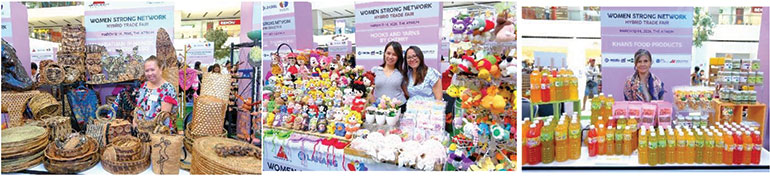
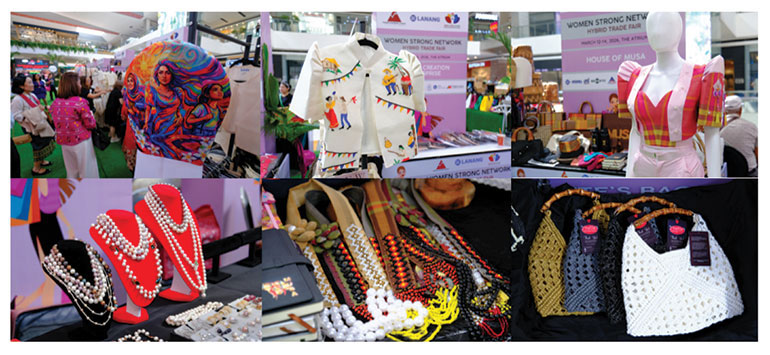
Women-led businesses took center stage as the WomenBizPH Trade Fair successfully opened at SM Lanang Premier from March 12–14, celebrating the creativity, resilience, and growing impact of Filipina micro, small, and medium enterprises (MSMEs). Organized by WomenBizPH in partnership with SM Supermalls, the three-day trade fair brought together inspiring women entrepreneurs showcasing a vibrant mix of proudly local products — from artisanal pastries and handcrafted accessories to healthy snacks, woven apparel, delicacies, and wellness products.
More than just a marketplace, the event highlighted the powerful stories behind the brands, demonstrating how women entrepreneurs continue to transform passion into purpose and innovation into livelihood opportunities.
Filipina entrepreneurs proudly present their brands at the WomenBizPH Trade Fair, highlighting the creativity, resilience, and innovation of women-led MSMEs.
Inspiring Stories Behind Women-Led MSMEs
Behind every product on display is a powerful story of determination, innovation, and purpose. Across the country, women entrepreneurs continue to transform challenges into opportunities, building businesses that uplift communities and preserve Filipino craftsmanship.
From handcrafted fashion pieces to artisanal food products, women-led MSMEs showcased a diverse array of Filipino creations at the WomenBizPH Trade Fair.
Empowering Artisans Through Creativity
For the founder of Sassy’s Creation, entrepreneurship is not only about building a brand—it is also about uplifting communities. “Our goal is not only to create meaningful products but also to support local artisans and weaving communities across the country,” she shared.
Sustainable and timeless — these two words define the aesthetic of Sassy’s Creation Enterprise, a brand where traditional Philippine craftsmanship meets modern innovation. By blending heritage weaving techniques with contemporary design, Sassy’s Creation produces ethically curated fashion staples designed for EveryBODY, using upcycled fabrics and locally sourced weaves that reflect both sustainability and style.
Behind every Sassy piece are the skilled hands of women artisans, including home-based mothers and women from the Bureau of Jail Management and Penology (BJMP) in Antipolo, Rizal, who carefully craft each item with dedication and pride. Through these collaborations, the brand provides meaningful livelihood opportunities while celebrating Filipino craftsmanship.
By working closely with weaving communities and showcasing their handcrafted pieces through trade fairs and retail platforms, Sassy’s Creation continues to help preserve traditional Filipino crafts while bringing them into today’s lifestyle and fashion landscape. Discover their products on Instagram: @sassyscreationph
Carrying Forward a Legacy
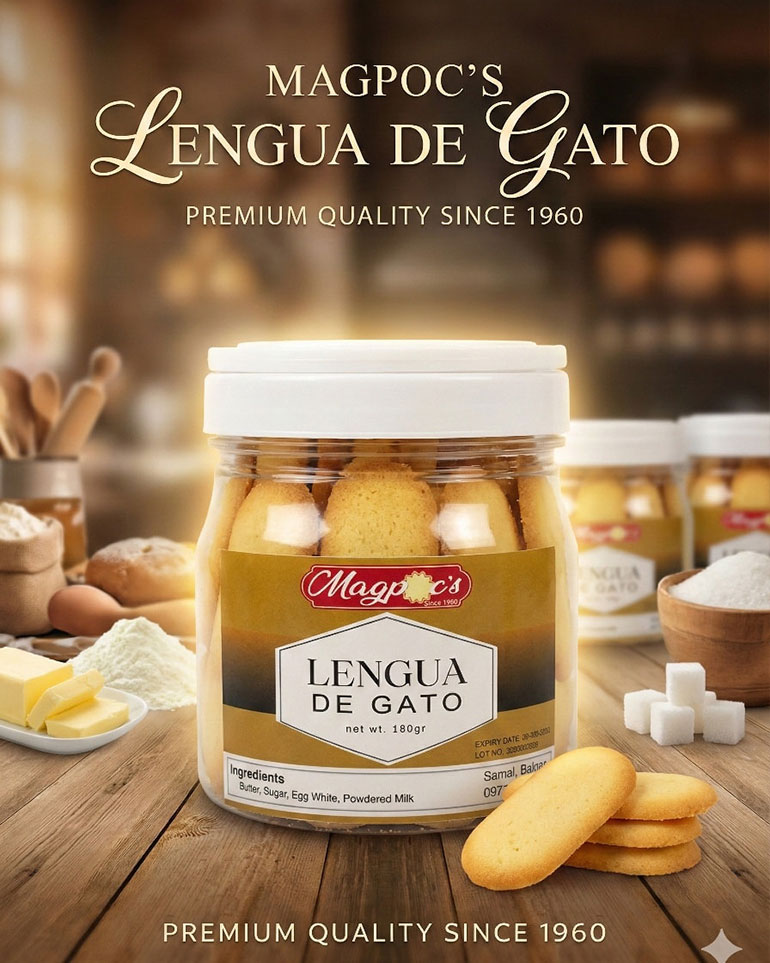
“Magpoc’s isn’t just a label — it’s a legacy of providing for our community. I stepped into this role to honor the women who came before me while evolving the brand for the next generation,” she shared.
For Cynthia M. Eusebio, owner of Magpoc’s Pastry Products Manufacturing in Bataan, entrepreneurship is deeply rooted in family heritage.
Now a third-generation leader of the brand, Eusebio continues to innovate by expanding Magpoc’s reach through digital platforms and new product offerings while preserving the traditional recipes that built the business. Discover their products on Facebook: MagpocsAraroCookies.
From Survival to Strength
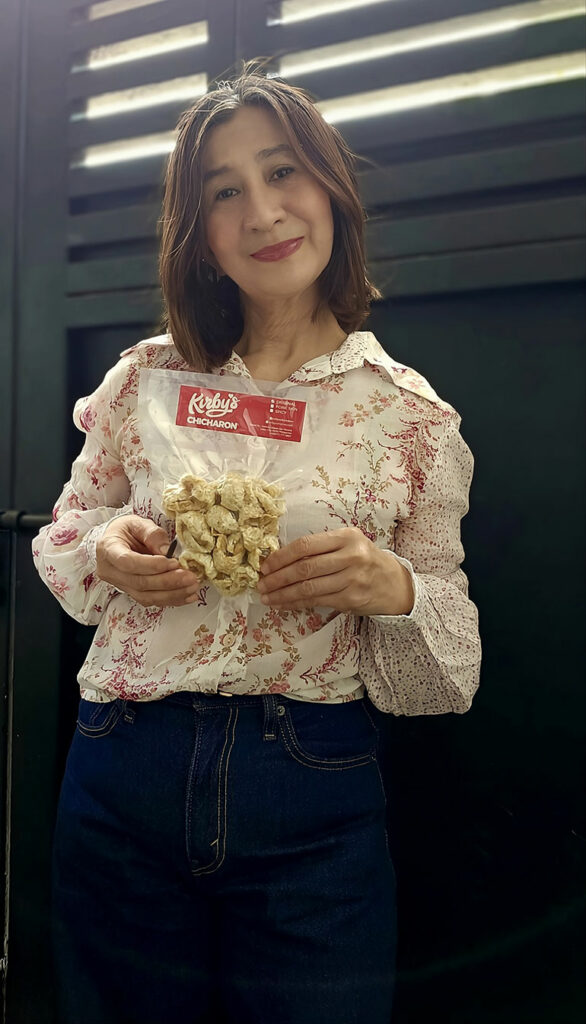
“I started small, making chicharon and quietly selling to stores and offices. That small income became my hope and my courage — it helped me rebuild my life and prove that even from nothing, you can rise again,” she shared.
For Cebu-based entrepreneur Cuevas Planas, founder of Kirby’s Chicharon, her business journey represents resilience and the courage to start over.
Through perseverance and faith, Planas built her brand from humble beginnings, eventually gaining the confidence to showcase her products in larger markets and trade fairs. Discover their products on Facebook: kirbyschicharonph.
Turning Passion into Healthy Innovation
“Every challenge teaches us something. Even during difficult times like the pandemic, we continued innovating and moving forward — because every step we take brings us closer to success,” the entrepreneur shared.
Meanwhile, Flaviano’s Health Food Products, based in Laguna, was born from a shared passion for creating innovative food products.
Today, the brand continues to develop healthier food options while exploring new opportunities to reach more customers through platforms like SM Supermalls. Discover their products on Facebook: FlavianosFood SM Supermalls: A Launchpad for Future Filipino Brands Through initiatives like the WomenBizPH Trade Fairs, SM Supermalls continues to serve as a marketplace where MSMEs can grow, gain visibility, and reach new markets.
“At SM Supermalls, we see MSMEs not just as exhibitors but as future brands in the making. By providing accessible platforms where entrepreneurs can showcase their products and connect with customers, we help nurture the next generation of Filipino brands,” said Joaquin San Agustin, Executive Vice President for Marketing at SM Supermalls.
For many entrepreneurs, showcasing their products in SM malls represents a major milestone — opening doors to new opportunities, partnerships, and customers.
This commitment reflects SM Supermalls’ long-standing advocacy of supporting MSMEs as drivers of inclusive economic growth and community development.
Celebrating Women Entrepreneurs
This Women’s Month, SM Supermalls invites shoppers to discover the inspiring women behind these brands and support their journeys toward growth and success.
Because when women entrepreneurs rise, they do more than grow businesses—they uplift families, empower communities, and inspire the next generation of leaders.
Spotlight is BusinessWorld’s sponsored section that allows advertisers to amplify their brand and connect with BusinessWorld’s audience by publishing their stories on the BusinessWorld Web site. For more information, send an email to online@bworldonline.com.
Join us on Viber at https://bit.ly/3hv6bLA to get more updates and subscribe to BusinessWorld’s titles and get exclusive content through www.bworld-x.com.
More than 4,500 people have been killed in the conflict so far, according to governments and non-governmental agencies. Around three-quarters of fatalities have been in Iran, while almost 1,100 people have died in Lebanon, where more than a million people have been displaced. Dozens of people have been killed in Israel and Arab Gulf states.
New York-listed shares of Infosys Ltd. surged over 8% on Wednesday after India’s second largest IT firm announced its third quarter results and lifted its fiscal 2026 revenue guidance.
The American Depository Receipt (ADR) of Infosys gained as much as 8.6% to $19.03 as of 8:18 p.m. India time.
The ADR is a tool for multinationals/foreign companies (primarily based outside the US) or organisations to trade on US stock markets, just like regular shares of US companies.
In theory, an ADR is similar to a special certificate issued by a US bank. It is a negotiable certificate representing shares in a foreign company traded on US stock exchanges.
Infosys revised its guidance for FY26 revenue growth to 3.0%–3.5% in constant currency terms from 2%–3% earlier and operating margin to 20%-22%.
Executives said the company has scaled its artificial intelligence offerings to clients in foreign markets. “Infosys delivered a strong Q3 performance demonstrating how our differentiated value propositions in enterprise AI, through Infosys Topaz, are consistently driving higher market share,” said CEO and MD Salil Parekh.
“Clients increasingly view Infosys as their AI partner with demonstrated expertise, innovation capabilities and strong delivery credentials. This has helped them unlock business potential and enhanced value realization,” he added.
Consolidated net profit fell nearly 10% to Rs 6,654 crore in the October-December quarter, compared to the preceding quarter, according to a stock exchange filing on Wednesday. Infosys had to provision Rs 1,289 crore as a one-time cost to comply with new labour codes notified by the government late last year.
Infosys Q3 Result Highlights (Consolidated, QoQ)
Revenue up 2.2% at Rs 45,479 crore versus Rs 44,490 crore (Bloomberg estimate: Rs 45,204 crore)
EBIT up 1.3% at Rs 9,479 crore versus Rs 9,353 crore (Bloomberg estimate: Rs 9,558 crore)
EBIT margin at 20.8 % versus 21.02% (Bloomberg estimate: 21.14%)
Profit down 9.6% at Rs 6,654 crore versus Rs 7,364 crore (Bloomberg estimate: Rs 7,397 crore)
The total contract value (TCV) of large deal wins was $4.8 billion, with net new of 57%, a statement said.
“Our performance was broad-based in Q3 with 0.6% sequential revenue growth, 0.2% adjusted operating margin expansion, stellar large deal wins at $4.8 billion and robust adjusted free cash generation at $965 million in a seasonally weak quarter” said CFO Jayesh Sanghrajka.
Shares of Infosys closed 0.75% higher at Rs 1,609.9 on the BSE, ahead of the results, compared to a 0.3% decline in the benchmark Sensex. The stock has fallen 17% in the last 12 months.
The ED’s prosecution complaint or chargesheet has been marked to Special Judge Ajay Gupta and will come up for hearing on Saturday, said sources.
| Photo Credit:
–
The Enforcement Directorate (ED) has filed a prosecution complaint in a Rouse Avenue court against Punit Garg, the former Director of Reliance Communications (RCom) Ltd , in an alleged money laundering case linked to overall ₹40,000 crore-worth bank fraud.
The ED’s prosecution complaint or chargesheet has been marked to Special Judge Ajay Gupta and will come up for hearing on Saturday, said sources. Interim bail of Garg, arrested on January 29, will also be heard by Special Judge Ajay Gupta on the same day.
Punit Garg, arrested by the ED in January, this year, during his stint at senior managerial and directorial positions in RCOM from 2001 to 2025, was allegedly actively involved in the acquisition, possession, concealment, layering, and dissipation of proceeds of crime generated from the said bank fraud, the ED had said earlier.
Laundered funds
The agency had also alleged that the laundered funds were “diverted” through multiple foreign subsidiaries and offshore entities of RCOM.
ED in its probe allegedly found out that proceeds of financial crime were diverted to purchase a luxury condominium apartment in Manhattan, New York, United States of America (USA). Interestingly, as per the agency, this property was off loaded during the RCOM’s Corporate Insolvency Resolution Process (CIRP) fraudulently by Garg.
The money trail revealed that the sale proceeds of $ 8.3 million were remitted from the USA under the guise of a sham investment arrangement with a Dubai-based entity controlled by a Pakistan-linked individual, without the knowledge or consent of the Resolution Professional.
Not just that, the investigators also charged that a part of public money taken as bank loans by RCOM was routed for Garg’s personal expenses, including overseas education-related payments of his children.
This a fresh chargesheet filed by the ED. It had in December 2025 filed a prosecution complaint against Ambani’s group company, Reliance Power Ltd, and 10 others mainly under the PMLA to probe siphoning of funds in the issuance of an alleged fake bank guarantee of ₹68 crore for securing a tender.
A fresh round of polymer price hikes is set to raise costs for a range of everyday products, from packaged food and bottled items to household plastics, even as manufacturers are still adjusting to earlier increases this month.
Indian Oil Corporation has increased prices of key plastics effective March 25, raising polypropylene (PP) by about ₹4,000 per tonne for homopolymer and ₹7,000 per tonne for copolymer, while polyethylene (PE) prices have also gone up by around ₹7,000 per tonne.
Business Today has reviewed the IOC price notification confirming these revisions. The price increases are linked to rising feedstock costs and supply disruptions tied to tensions in West Asia, which have affected petrochemical supply chains and logistics. Industry executives say the impact is now flowing through to domestic polymer prices.
These materials are widely used in packaging, containers, buckets, bottles and a range of daily-use products. Industry players say that while companies may not immediately increase retail prices, the higher input costs are typically passed on over time, either through price hikes or smaller pack sizes. This is especially relevant in India, where plastics are widely used in low-cost packaging for everyday consumer goods.
The latest increase comes after a series of sharp revisions earlier this month. Polymer prices were raised multiple times through March, with polypropylene increased by ₹2 per kg on March 1, followed by ₹6 per kg on March 3 and ₹15 per kg on March 6. By March 11, polypropylene prices had risen by as much as ₹23 per kg, while polyethylene grades such as LLDPE and HDPE saw cumulative increases of ₹20,000 to ₹24,000 per tonne over the same period. PVC prices were also raised by about ₹13,000 per tonne during the month. Taken together, plastic input costs have risen sharply in recent weeks, putting pressure on manufacturers even before the latest round of hikes.
The impact is not limited to consumer goods. The healthcare sector is also exposed, as polymers are used in syringes, IV bottles, diagnostic kits and pharmaceutical packaging.
“Amid the Strait of Hormuz blockade, medical device input costs have surged 50–60% for plastics and over 20% for packaging and self-generated power, eroding margins on essentials like syringes and gloves. There are no shortages yet, and prices have been raised by 10–20%, but continued weekly hikes may demand further revisions in April,” said Rajiv Nath, Forum Coordinator, Association of Indian Medical Device Industry (AiMeD).
He added that the industry has sought government support, including reduction in inland freight costs, faster GST refunds and temporary relief on duties and taxes on plastic inputs to ease pressure on manufacturers.
At the manufacturing level, the pressure is already affecting output and supplies. “The medical devices manufacturing industry, nitrile gloves manufacturing in particular, is facing a very challenging situation due to acute shortage and high costs for essential raw materials like nitrile butadiene rubber latex (NBR), driven by the ongoing West Asia conflict. This is directly impacting the availability and pricing of essential medical disposables like nitrile gloves that hospitals rely on every day,” said K. Anindith Reddy, Co-Founder and Managing Director, Wadi Surgicals Pvt Ltd.
He added that supply disruptions are worsening the situation. “Our plant at AMTZ, Visakhapatnam, relies on a continuous LPG supply for production. We are facing constant shortages and supply interruptions, which has forced us to slow down production and reduce output. This is leading to higher glove prices for hospitals and real-time shortages.”
For consumers, the effect may show up gradually. Companies tend to absorb part of the cost initially, but repeated increases make that difficult to sustain. Over time, this can translate into higher prices for packaged goods, plastic items and possibly even healthcare consumables. With another round of hikes coming in after an already sharp rise this month, industry players expect cost pressures to continue in the near term.
As several Indian pharma giants race to launch cheaper generics for Semaglutide, the active ingredient in popular weight-loss drugs Ozempic and Wegovy, international brokerage Jefferies said that Sun Pharma, Lupin and Torrent Pharma can emerge as the eventual winners.
Novo Nordisk’s patent for GLP-1 (glucagon-like peptide-1) therapy expired last week. Jefferies in its latest report said that after the patent expiry, more than 10 brands have launched their versions online, and over 40 brands are expected to join the race across injectables and oral forms.
The international brokerage noted that price points for the monthly dose of the injectable version are in the range of Rs 1,290-4500, with Natco and Glenmark offering products at the lower end of the range, and Dr Reddy’s and Torrent at the higher. “Most companies have launched their own brands, while others have formed partnerships (Torrent/Lupin are sourcing from Zydus). Torrent Pharma, the sole generics firm to supply the oral version, has priced it at a lower discount (30-50%) vs. injectables. Zydus offers a reusable multi-dose pen device; this differentiated offering allows patients to progressively titrate their dosage over the course of the treatment,” it added.
Products already sold out online
Despite the strong inventory build-up by companies, Jefferies claimed that there is a shortage in online channels. Out of the 10 brands that have already launched their generic versions only, the products by only 3-4 brands are still available while the rest are sold out, it said. Multiple reasons including inaccurate demand forecasts, limited supply quantities sent to online channels and supply chain hurdles due to regulatory crackdowns were cited as the possible reasons by the brokerage.
Additionally, the launches face intensified regulatory surveillance against unauthorized sale and promotion by the regulator in order to ensure ethical practices in the supply chain of GLP-1 drugs. “Our interactions with companies suggest the product is still in the initial days of launch. Companies are testing the waters with demand and supply, and they expect the market to settle down in the next few months. Impact of Semaglutide launch on existing diabetes drugs should also become clear in coming months,” Jefferies wrote.
Live Events
Why Sun Pharma, Lupin and Torrent Pharma can emerge as winners
Notably, these are strictly prescription-drugs. Endocrinologists and internal medicine specialists can mainly prescribe the drugs, along with cardiologists only for some indications. “Thus, companies with strong connect with specialist doctors and a large-scale cardio franchise such as Sun, Lupin and Torrent could emerge as eventual winners,” the international brokerage said.
The Nifty Pharma is among the only two sectoral indices which were in the green on NSE on Friday. Piramal Pharma, Mankind Pharma and other stocks gained up to 2%, as seen in the afternoon.Jefferies has a ‘Buy’ call on Alkem Laboratories, Emcure Pharmaceuticals, Lupin, Mankind Pharma, Sun Pharma, Torrent Pharma and Zydus Lifesciences. It however has an ‘Underperform’ rating for Cipla and Dr. Reddy’s Laboratories.
As per industry data, the penetration of GLP-1 drugs is still very low in India, reaching only about 5% of people with diabetes and 4% of those with obesity. This leaves a vast untapped pool in the country, which has over 100 million diabetics and 250 million individuals with obesity.
Ozempic was priced at Rs 8,800–11,175, while Wegovy cost Rs 10,850–16,400 a month. In comparison, Mounjaro (tirzepatide) from Eli Lilly cost between Rs 13,000 and Rs 26,000 per injection, depending on the dosage. Each injection consists of four monthly shots.
The high prices of existing drugs have led investors to expect that cheaper generics will see strong demand in India, although regulatory oversight remains critical.
(Disclaimer: Recommendations, suggestions, views and opinions given by the experts are their own. These do not represent the views of The Economic Times)
MBW’s Key Songs In The Life Of… is a series in which we ask influential music industry figures about the tracks that have defined their life and career so far. This time, Colleen Theis, President and COO of The Orchard, sits down with MBW to discuss the songs – but more importantly, the experiences – that have defined her life to date. The Key Songs… series is supported by Sony Music Publishing.
It’s pronounced tice. It’s important that we establish this about Colleen Theis’ surname now, otherwise one of her anecdotes won’t scan. Not that it really matters. Colleen lives a colorful life; if you miss one fizzing tale from her story so far, another is sure to arrive at any moment.
Theis is meeting MBW in New York to discuss the seven songs that have most meaningfully soundtracked her existence. (A born rule-breaker, she blasts way past seven.)
On the way, we go roller-skating in Dallas and salsa dancing in Spain; we go jelly-legged at Duran Duran, and make Robert Smith blush; we risk it all on a library in Queens, toast to departed parents, and stroll inside one of the 1980s’ most hedonistic nightclubs. (Please, keep your hands out of the fishbowl.)
Today, as President and COO at The Orchard, Theis – with CEO Brad Navin – oversees a catalog spanning tens of millions of tracks. MBW estimates it generates approximately $2 billion annually.
Previously, after Rykodisc’s acquisition by Warner in 2006, Theis built ADA’s international arm as SVP of ADA Global, before making what she calls a “leap of faith” to join The Orchard in 2011.
At the time, friends in the industry questioned the move. “I had people saying, ‘Are you going to be okay? Can I take you to lunch? I’ll pay, don’t worry!’” she recalls. Theis’ bet, of course, was a wise one: four years after she joined, The Orchard was fully acquired by Sony Music – and has rapidly grown ever since.
Yet long before any of this, and way before the corner office, there was a Texan teenager with big hair working at the mall, spending every spare dollar at Bill’s Records – her original portal to a more vibrant world.
Theis’ journey from Dallas to New York – plus a transformative 12-year pitstop in London – reads like a love letter to the power of taking risks, while blasting great tunes…
1) Wichita Lineman, Glen Campbell (1968) / I Don’t Want To Know, Fleetwood Mac (1977)
Wichita Lineman reminds me of childhood – of family road trips and Sunday afternoons in Texas. I remember listening to it in my dad’s Cadillac, driving to San Antonio to drop me off at camp, staring out the window at endless flat land rolling by. My mom liked to make a weekend of it. We used to stop at one of those little roadside motels – it was a Howard Johnson’s, orange and blue with a little fun swimming pool.
My dad grew up in Indiana but really embraced the whole Texan spirit. He bought farmland in the country [outside Dallas] in the ‘70s and we spent a lot of time there when I was growing up. His dream was to have a horse farm where all the generations would live together. He was the life of the party, an entrepreneur, and very charismatic. He had a tough persona; he considered himself a western cowboy. He died suddenly when I was 22. Up until then, he had always bailed me out of everything. When he was gone, I was like, ‘I have to take care of myself now, I better focus.’ It worked out.
“I listened to it in my dad’s Cadillac, staring out the window at endless flat land rolling by.”
Alongside my dad, my mom passed 12 years ago. One of my sisters is gone, too. It’s a lot.
Rumours was one of many records I got from my two sisters when I was very young. It came out in ‘77; I was born in ‘69.I love the harmonies in I Don’t Want To Know. My sisters introduced me to a ton of stuff – Ted Nugent, Jim Croce, Fleetwood Mac, Rod Stewart, and more.
My sister Jody is ten years older than me and lives on the farm outside Dallas. I took her to Madison Square Garden to see ‘An Evening With Fleetwood Mac’, including Christine McVie, in 2019. We had great seats. It was awesome to share that together.
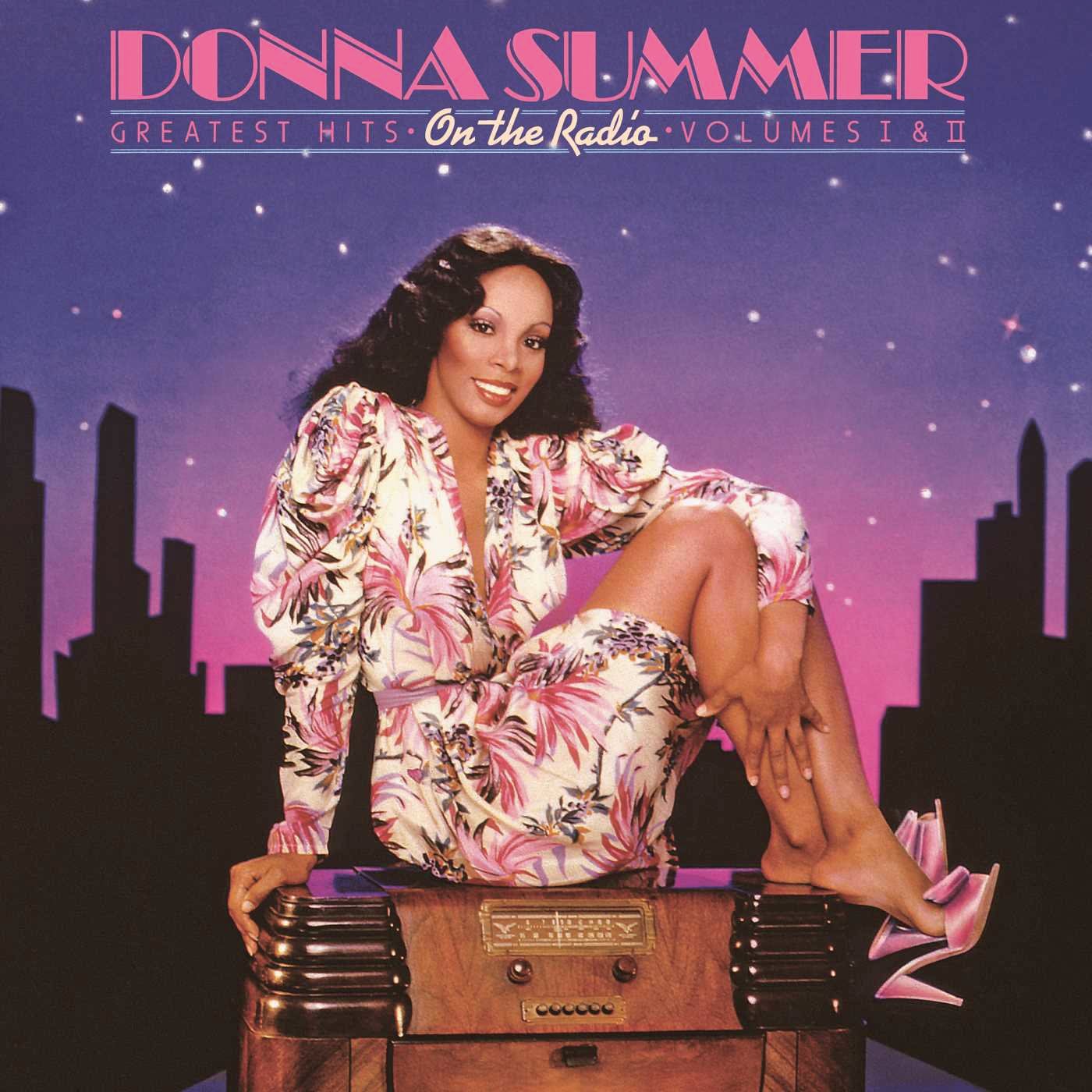
2) On The Radio, Donna Summer (1979) / Our Lips Are Sealed, The Go-Go’s (1981)
This takes me back to my pre-teen days in Dallas. We used to go to Josey Skateland on the weekend, roller-skating round and round to R&B, disco, and metal – from Cameo to Judas Priest and Ozzy. There was no public transport in Dallas, so if you didn’t have a driver’s license, there was no escape. You had to make your own fun.
I like music that tells a story, and I’ve always loved Donna Summer. The whole thing in On The Radio where she’s talking about finding this letter and realizing, oh shoot, it wasn’t me that you were writing to. She had a wild and varied life – living in Germany, working with Giorgio Moroder. She’s a hugely underappreciated artist.
As teenagers looking for female performers, my friends and I also worshipped the Go-Go’s. Hearing Charlotte [Caffey] play guitar and Belinda [Carlisle]’s punk vocals – it was so cool. Their badass attitude, their whole take-no-prisoners approach – we’re not doing this to impress anybody but ourselves. Richard [Gottehrer, co-founder of The Orchard] actually produced their early records, so that’s a full-circle moment.
At one point in my career, I had the privilege of working with Belinda Carlisle. She did a record with Rykodisc when I was there and living in London. We got to know each other; she’s pretty inspirational. We hung out in the south of France, she rode in my car, she gave me relationship advice. Hers has been a very unconventional life, and I respect that. Mine has too.
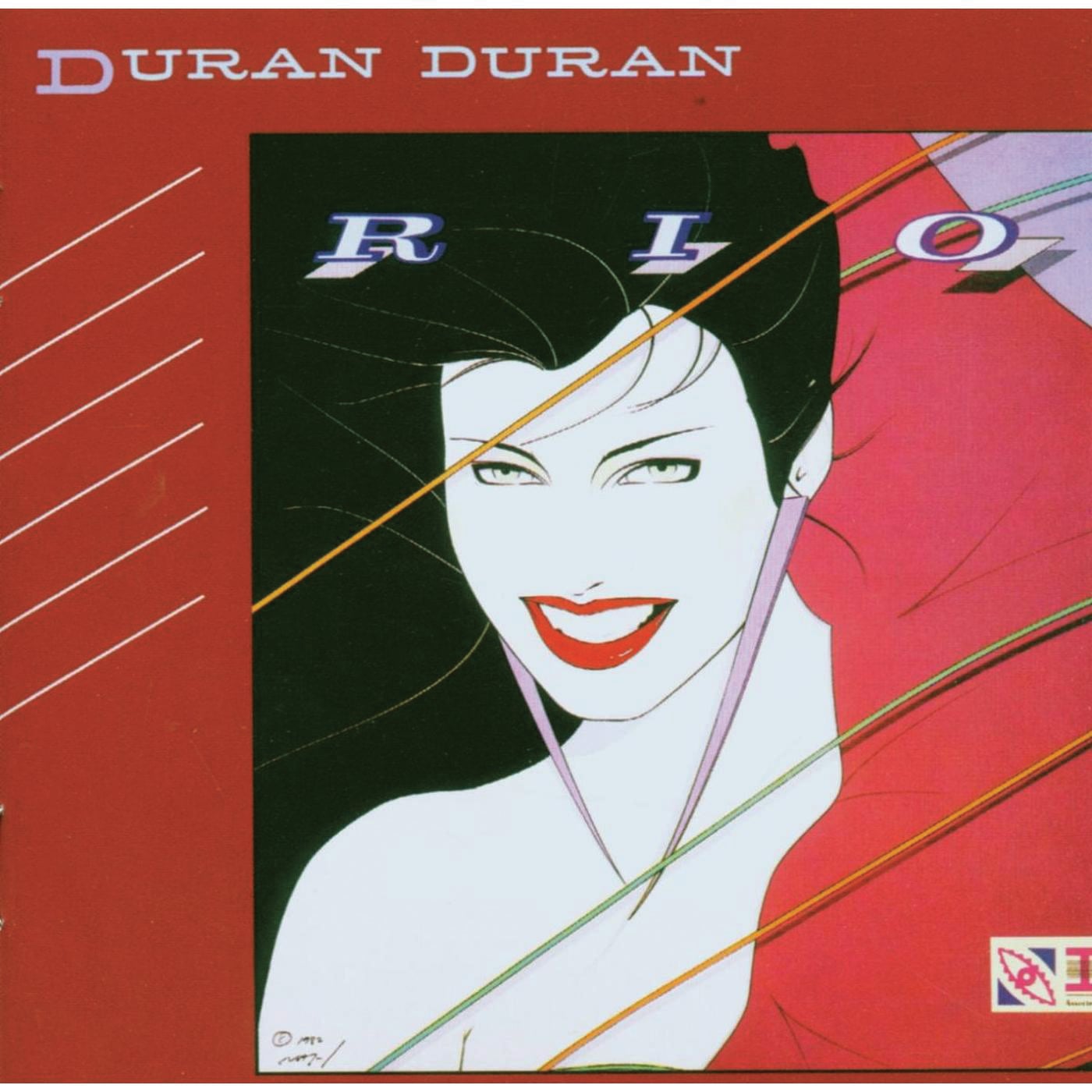
3) Hungry Like The Wolf, Duran Duran (1982)
Growing up, Bill’s Records in Dallas was an island of cool and culture. The owner, Bill Wisener, was a big influence on me. I spent a lot of money and time there; I also dated a couple of his employees! Bill’s was a whole world of buy-sell-trade – taking old records I wasn’t into anymore, swapping them for merch or records.
Then, when I discovered Duran Duran on MTV, it took me into a different universe. I started a Duran Duran fan club; we had maybe five members. One from Japan, one from England, writing about our grand experiences at different concerts all over the world.
I first saw Duran live on the Sing Blue Silver tour in ‘84. My friends and I camped out for three days to get the tickets; I was in the second or third row. John Taylor threw out his sweat towel. I’m ashamed to admit I got into a tug-of-war with a girl and got a piece of it. I still have it today.
The music scene in Dallas became very Euro, very glam, very out there. I had the wildest hair because the hairdressers were like big local stars. I started going to this club called the Starck Club when I was 15, which was very New Wave and a bit edgy. Grace Jones performed there. I think it closed by the time I was 19. It had a cigarette bar and, infamously, a fishbowl full of ecstasy pills, before ecstasy was made illegal in ‘85 or ‘86. A guy who got busted moving pills through that club lived in my neighborhood. He taught me to drive stick shift. His parents got divorced; one moved to Hawaii and one moved elsewhere, and they just left this teenager in their house until he finished high school. It became our hangout. The ‘80s were a time.
“I had the wildest hair because in Dallas the hairdressers were like big local stars.”
When that drug bust hit the Starck, it made the papers, and this guy’s name was in there. My mother was apoplectic. She cut out the newspaper clipping and left it on my pillow, along with my Starck Club T-shirt, washed and folded. That was her way of saying, ‘Are you on drugs?’ And I was like, ‘No mom. It’s just a cool T-shirt.’
I also went to high school with Vanilla Ice. He was a year ahead of me, but dropped out senior year because he wanted to be a rapper. He used to ride motocross and started a male cheerleader group called The Pep Busters. He was a real character.
I lived in Spain for a year in 1990 during university. By ‘91, that song [Ice Ice Baby] was huge. I remember hearing it on the radio and then finding out that it was Robbie Van Winkle from RL Turner High. One of my nicknames to this day is Theis Theis Baby.
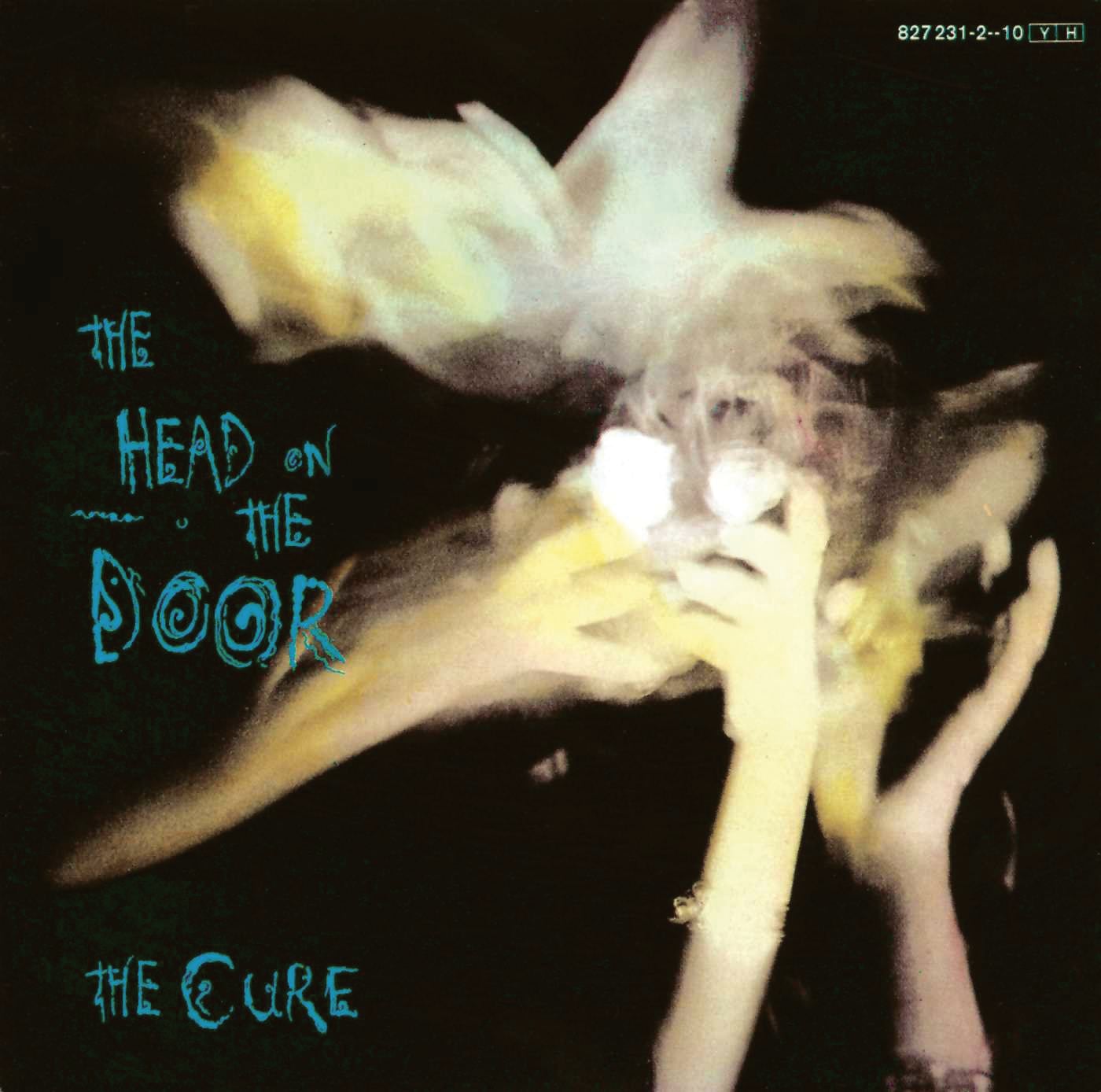
4) A Night Like This, The Cure (1985)
I love The Cure. I love the darker, moodier stuff. I love [Robert Smith’s] voice. He creates such a cinematic mood, even in their fun, poppy songs. I love those songs too; memories of singalongs and nights out on the town drinking wine coolers with my gal pals.
I met Robert Smith at a venue called On The Air in Dallas in the ‘80s. He was incredibly shy, very sweet, very self-effacing – he seemed genuinely amazed that people wanted to talk to him.
I love how he married his teenage girlfriend and they’re still together. Imagine, 50 years on:‘My husband still fronts an iconic band, wears crazy crimson red lipstick and has his hair sticking out like he’s stuck his finger in a light socket. I love it.’
Anytime The Cure play New York, I’m going to go; I’m going to buy the T-shirt. I’m going to get there early and stay late.
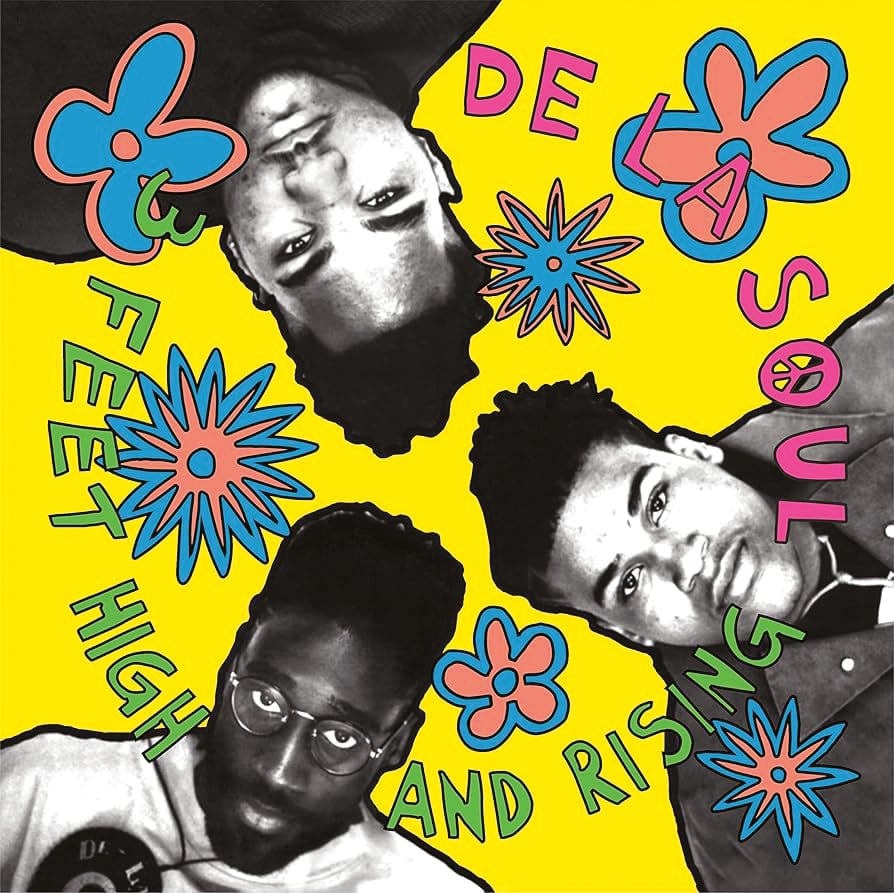
5) Me, Myself And I, De La Soul (1989)
I left Dallas for New York suddenly. My dad had died, I was in a corporate job [at Bank One Texas] while also waiting tables, living with this man who… was just not my kind of weirdo, frankly. I couldn’t picture the rest of my life rolling along this way. It felt stifling.
I came to New York City for a weekend to visit some college friends. We went to see a band called The Niagaras, did all this fun stuff. I was like, ‘What am I doing in Dallas? I’ve got to leave.’
“I couldn’t picture the rest of my life rolling along this way. It felt stifling.”
Within three weeks, I’d found a job at the library in Jamaica, Queens. It paid less than I was making in Dallas, but my friends were like, ‘You can come sleep in our loft.’ I gave my two weeks’ notice at the bank, told my boyfriend ‘I’m moving,’ and packed up. I shipped two boxes and brought two suitcases.
I also brought my CD bag with me – a Case Logic, remember those? It held maybe 30 discs. De La Soul was definitely in there – 3 Feet High and Rising. Anything in that Case Logic carrier got played over and over again in my CD Walkman during my hour reverse commute on the F train to Queens from the Upper West Side, and then back again.
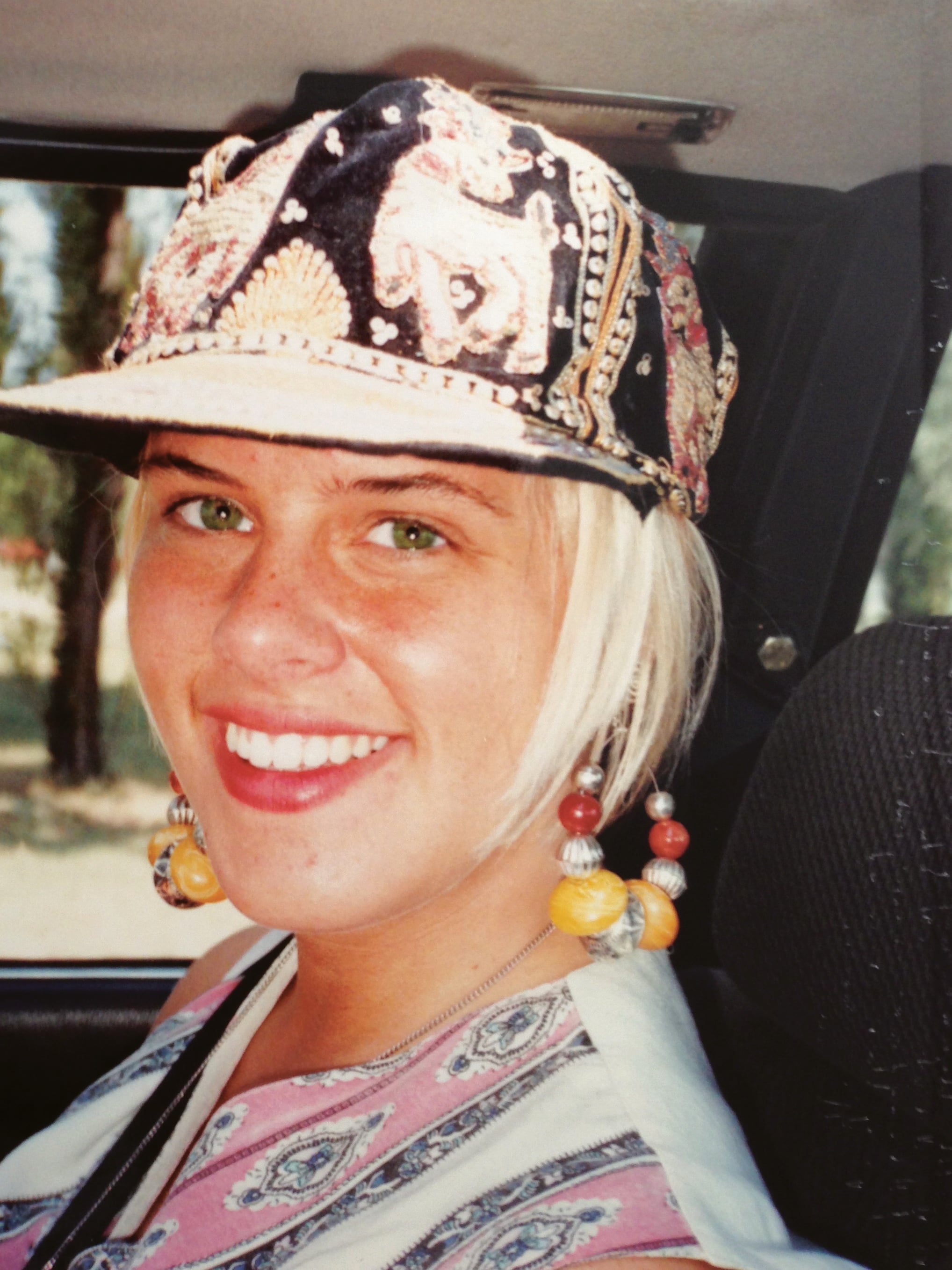
Early ‘90s Colleen, very possibly listening to De La Soul
I lived with Cecily, who worked in fashion for brands like Tommy Hilfiger and Calvin Klein, and for a time worked at Estée Lauder and got free makeup. My other roommate was Paula, who worked at Valentino; she got handbags and sample clothing. And I worked in music, so I had access to shows and CDs. We were like a little bartering market. We didn’t make any money, but we had a great time.
I got into the music business through that job at the library. I met a woman named Eileen who worked at DAS Communications, which managed The Fugees. I said to Eileen, ‘I’m looking for a way to get into the music business, let me know if you hear of any jobs.’ She told me about a guy, Joe, who worked on The Fugees when he was International Marketing Director at Columbia Records. He’d just gotten a job offer from Sylvia Rhone at Elektra, and he was hiring for his assistant.
My interview with him was at Columbia Records, as he was packing up his office. He was hungover because it was his leaving do the night before. He pulled a beer out and gave it to me, along with a Cypress Hill fleece and some promo CDs. I was like, ‘Oh God. Is this an interview?’
I got the job, and started in music at 28. All the other assistants were 21, 22. But Joe let me shadow him on pretty much everything: Mötley Crüe, Third Eye Blind, Busta Rhymes, Missy Elliott, Björk, and Metallica. And Nada Surf, who I’m still friends with today. I was in!
6) Another Chance, Roger Sanchez (2001)
I moved to England in 2001 to work for Chris Blackwell. He’d launched Palm Pictures and acquired Rykodisc, and was trying to combine them; I worked on international releases for both. House music was hitting the mainstream, and I’d started going to Ibiza. Another Chance is a very simple song – basically the same line over and over – but it’s great for driving, great for getting ready for a night out.
Roger Sanchez is a musical genius, like all those amazing DJs. It took a long time for electronic music to get the credit it deserved for the intricacies that go into creating a track, for controlling the energy and direction of a live set.
When we met, my husband Julian and I connected over our love of this song and its video; it spoke to where we were at that time in our lives.
We recently went to see Toto and Steve Lukather [from the band] jumped in and started singing the lyrics – “If I had another chance tonight…” Julian and I were like – what?! We were today years old when we realized that [I Won’t Hold You Back by Toto] was the sample.
7) It’s The Nighttime, Josh Rouse (2005)
Josh was a banner artist for us on Rykodisc. I worked all of his albums until he went out of contract, and I left the label.
He had some highs – he had a song in a film [Vanilla Sky] that made him very popular. He focused on building his career internationally, so he was in Europe a lot and we spent a lot of time together.
Lyrically, he’s the greatest songwriter you’ve probably never heard of. He’s the epitome of somebody that’s able to make a living doing what they love. Good for him. We love his music.
8) BAILE INoLVIDABLE, Bad Bunny (2025)
My bonus track! It’s impossible to pick a favorite Bad Bunny song, but having lived in Spain and grown up adjacent to Mexico, I’ve always loved classic salsa.
Los Sobrinos is a band of young Puerto Rican musicians from public schools, many playing traditional instruments. The way Bunny weaves that into his own interpretation of modern salsa – he’s just amazing. And the lyrics are very romantic.
Benito closed with it at his residency [in Puerto Rico, 2025]. There was a full salsa band and all kinds of things going on. He built a mountain inside the venue with a cave and mist rising from it. People were coming out of the cave and appearing in little grottos – salsa dancers, guys waving Puerto Rican flags, guitar players. There were fireworks, there were lasers, there were live chickens. It was so good.
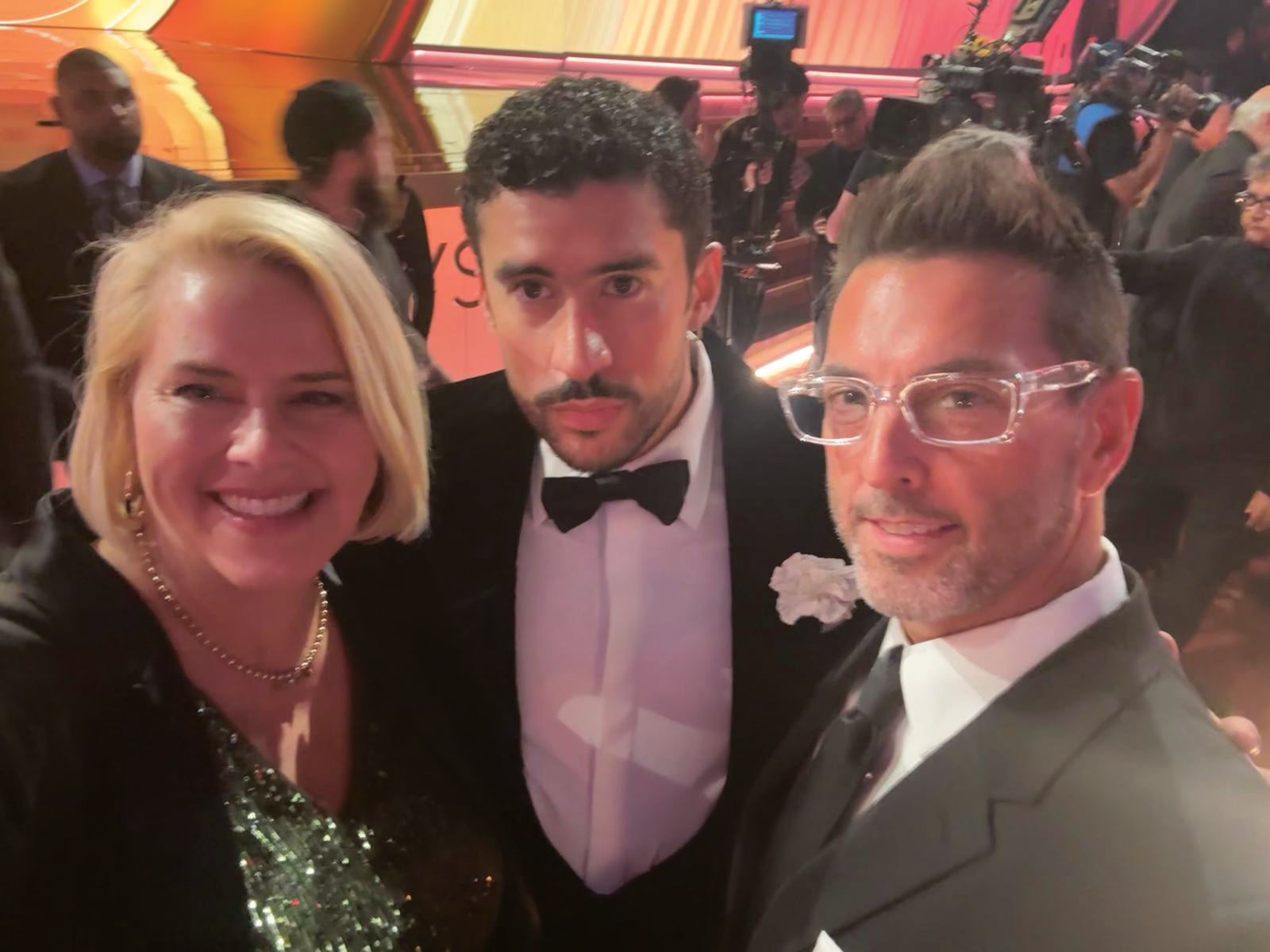
With Bad Bunny and Brad Navin at the 2026 Grammys
For me, this song sums up Benito because it talks about the modern and the traditional and blending the two. It’s also a great party song. It’s genius the way he threads it all together.
He’s always remained true to his vision and what he wants to do. People have come at him – not from The Orchard, but across the business – saying you should sing in English, you should focus on getting your tracks on radio, you should change your style. You should, you should, you should, you should. But he’s done it all in his own time and in his own way.
Frankly, all of the most enduring artists that The Orchard works with – RAYE is another one – it’s like: ‘We’re doing it my way. We’re partners in this, but I’m in control.’ And that’s great.
Partner message: At Sony Music Publishing (SMP), we believe every voice matters. We are the #1 global music publisher, advancing the artistry of the world’s greatest songwriters and composers for over 25 years. We keep songwriters at the forefront of everything we do, and design our suite of services to amplify opportunities, build connections, and defend their rights. Our roster benefits from an international team committed to providing support at every career stage. From classic catalogues to contemporary hitmakers, history is always being written. We are a part of the Sony family of global companies. Learn more about SMP here.




 “At SM Supermalls, we see MSMEs not just as exhibitors but as future brands in the making. By providing accessible platforms where entrepreneurs can