


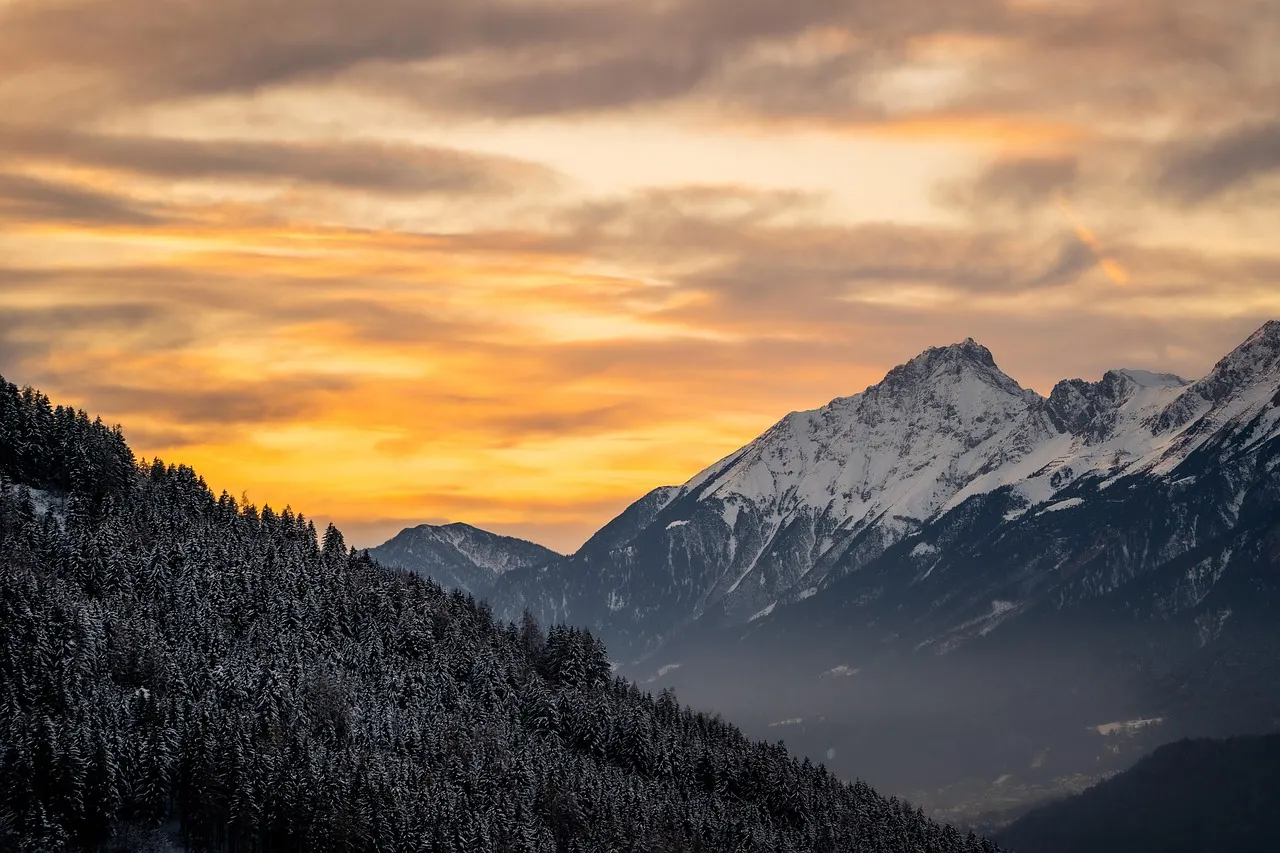
The climate crisis is hitting Switzerland particularly hard, not least through its rapidly melting glaciers. Why is the country warming faster than most others on earth?
A report by the Swiss Academy of Science published in March 2026 confirms what has been known for a while – that Switzerland is warming faster than many other parts of the world.
The report, authored by 60 climate experts, noted that from the start of record-keeping in 1864, the average temperature in Switzerland rose by 1.8C – more than double the global average.
And the bad news, the report pointed out, is that the warming process has not yet reached its peak, continuing to accelerate instead,
The Federal Office of Meteorology and Climatology (MeteoSchweiz), already watned in 2025 that climate warming in Switzerland is proceeding at unusually fast pace..
United Nations data also shows that Switzerland is among the world’s fastest-warming nations.
The reason is that Switzerland is landlocked so it doesn’t benefit from the buffering effect of the oceans, which are able to absorb large amounts of heat.
Additionally, the altitude and morphology of the Alps also play and important role in accelerating global warming.
Snow and ice are melting faster and faster, reducing the land’s ability to reflect sunlight back to space (called the “albedo effect”).
“The large proportion of mountain regions is among the main factors that explain why Switzerland is warming faster [than other countries],” Aude Untersee, a meteorologist at MeteoSwiss, told Swissinfo.
Advertisement
Where are temperatures rising the fastest?
The north side of the Swiss Alps has warmed more than southern areas.
These regions, which initially had a colder climate, eventually “caught up” with the south, leading to higher temperatures there (+3C) than in the south (+2.7C) over the past 150 years.
READ ALSO: Permafrost in Swiss Alps reaches warmest ever temperature
