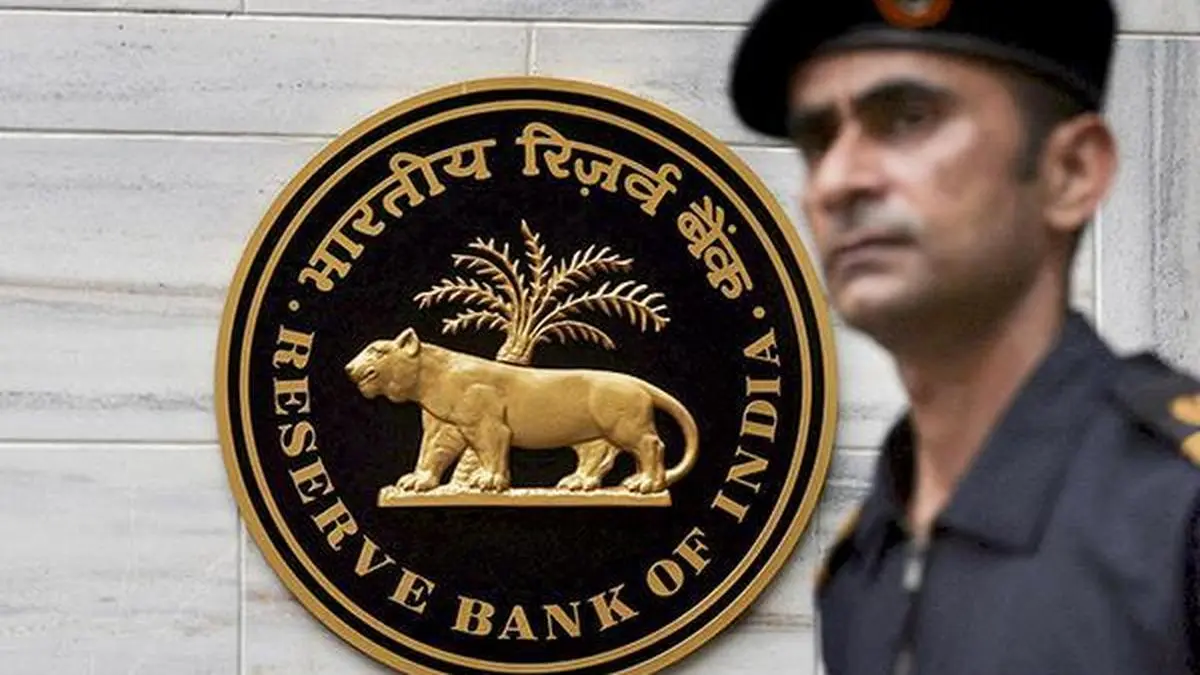
India plans to move ahead
with a proposal mandating that banks report offshore rupee
derivative trades despite objections from lenders, two sources
familiar with the matter said, in an attempt to bring
transparency to a market that has amplified pressure on the
currency.
In February, the Reserve Bank of India proposed that banks
report rupee foreign exchange derivative transactions undertaken
globally by their related parties, arguing it would support more
efficient price discovery.
The RBI wants lenders to start sharing data on at least 70 per cent
of such derivative transactions, starting February 2027.
Domestic banks are already required to report all derivative
transactions, including by their overseas offices. Foreign
lenders currently only report derivatives traded by their India
units and not those executed by offshore ones.
The RBI proposal is aimed at levelling the playing field
between Indian and foreign banks, the first source familiar with
the central bank’s thinking said.
“There was no clarity on what these NDF trades were, making
the RBI’s task (of managing the rupee) complicated,” the person
said.
Both the sources requested anonymity since they are not
authorised to speak to the media.
The RBI did not immediately respond to an email seeking
comment.
OFFSHORE MARKET
The large offshore forward market has a significant sway
over the rupee’s exchange rate, an influence that has
heightened since the RBI opened the market to Indian banks and
companies.
Data from the Bank for International Settlements showed that
cross-border trades involving the rupee amounted to about $60
billion, or roughly two-thirds of total turnover in the outright
forward market, in April 2025.
India’s central bank recently clamped down on trades that
sought to benefit from the pricing difference between the NDF
and local forwards market. The size of these positions was
estimated to be around $40 billion.
Such trades by banks were adding to FX market volatility,
RBI Governor Sanjay Malhotra said on Wednesday. The unwinding of
the trades has helped lift the rupee to near 92.50 per dollar
from an all-time low of near 95.
PUSH-BACK FROM BANKS
Foreign banks have pushed back against the RBI’s proposal,
citing concerns that sharing of the data could breach rules in
jurisdictions where the trades take place, according to two
senior treasury officials directly aware of the matter.
The claim that reporting requirements are
“extra-territorial” does not stand, the second source said,
adding that banks licensed to operate in India cannot treat
reporting requirements on rupee transactions as outside the
central bank’s jurisdiction.
If the RBI presses ahead with the proposal, its
implementation could prove challenging, the treasury officials
said.
Reporting transactions carried out in other countries would
need coordination with other central banks, which could be
difficult, one of them said.
The treasury officials declined to be identified since they
are not authorised to speak to the media.
Published on April 10, 2026