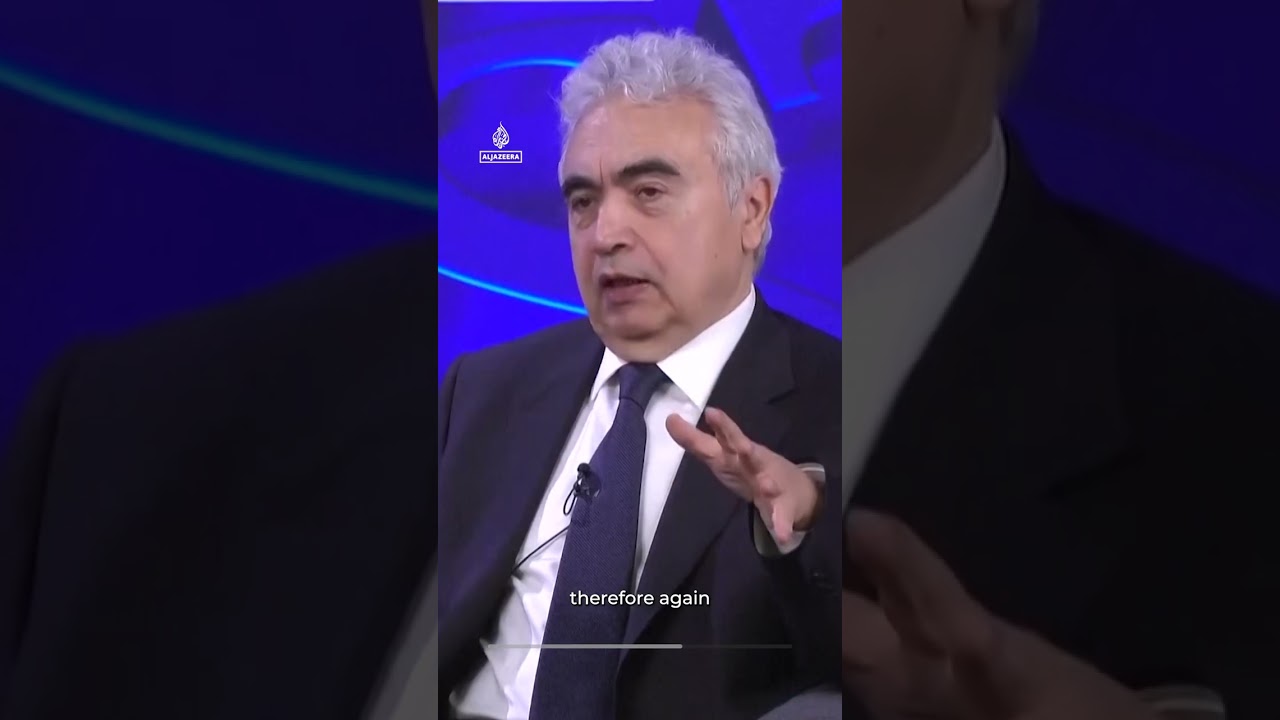
The International Energy Agency (IEA) may release more oil from emergency reserves due to disruptions caused by the Iran war, which threatens global supply. Executive Director Fatih Birol described the crisis as “very severe,” potentially worse than past oil shocks, emphasizing the importance of reopening the Strait of Hormuz to stabilize the market.
Severe Situation and Initial Silence
The speaker emphasizes the gravity of the current crisis, noting that it has been ongoing for approximately three weeks. During this period, they chose not to communicate with the press, believing the severity of the issue was not fully understood by global decision-makers. The message indicates a sense of urgency and concern about the impact of the crisis on the economy and energy markets.
Call for Market Intervention
Last Friday, the speaker decided to address the situation publicly, highlighting a key solution: the potential release of strategic oil reserves, including hydrocarbons and refined products if necessary. This action is intended to help stabilize the markets temporarily but is not viewed as a comprehensive solution. The focus remains on alleviating economic pain and preventing further turmoil.
Ongoing Monitoring and Collaboration
The speaker reassures that they will continue to monitor market conditions closely, assessing whether additional interventions are needed. Decisions will be made in consultation with member countries, emphasizing a collaborative approach. The crisis, characterized by two oil crises and one gas crash, underscores the complex and multifaceted nature of the current energy challenges.