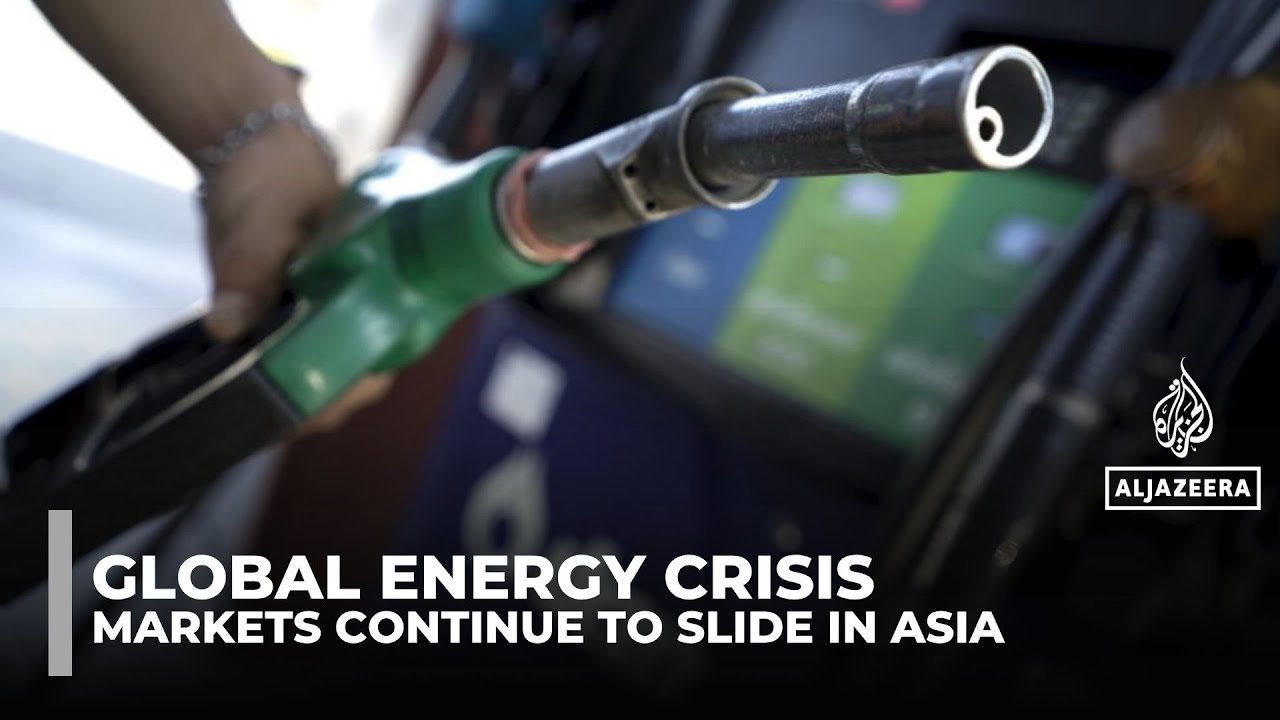
Geopolitical tensions and rising energy costs are impacting Asian financial markets amid Iran war and Strait of Hormuz closures. Countries like Thailand, South Korea, Japan, and Indonesia focus on energy security and cost mitigation, with major indices declining. Policymakers aim to manage disruptions, protect populations, and mitigate economic fallout from ongoing regional conflicts and supply disruptions.
Geopolitical Turmoil Impacting Thai and Regional Markets
Thailand’s financial markets are being affected by ongoing geopolitical tensions and rising energy prices. Prime Minister Nutton Janna Viracle showcased a move towards sustainability by arriving at government meetings in an electric vehicle, as the cabinet considers fuel tax cuts to alleviate inflationary pressures. This reflects a broader regional trend, where governments are balancing supply concerns with economic stability.
Regional Policy Responses to Rising Energy Costs
South Korea is implementing emergency measures at Korean Air to manage soaring fuel expenses, alongside contemplating fiscal initiatives to protect its economy. President Lee Jay Mong emphasized the urgency of responding to energy disruptions, especially amid the recent Middle East conflict, which underscores that energy transition is now a critical, immediate issue rather than a distant goal. This has negatively impacted South Korea’s Cosby index, which closed over 4% lower.
Japan and Indonesia Collaborate on Energy Security
Meanwhile, Japan and Indonesia are strengthening cooperation on energy security amid disruptions to oil and gas shipments through the Strait of Hummus. Prime Minister Sani Takahuchi hosted President PO Subanto for talks, aiming to foster regional stability. With no clear peace outcome yet, policymakers are focused on mitigating the economic impact of rising energy costs on their populations.
Other People are Reading
Continue Reading