


“The fuel restrictions imposed since early 2026 and recent tightening of extraterritorial sanctions, taken together, are directly harming Cubans, especially the most vulnerable,” Mr. Türk said.
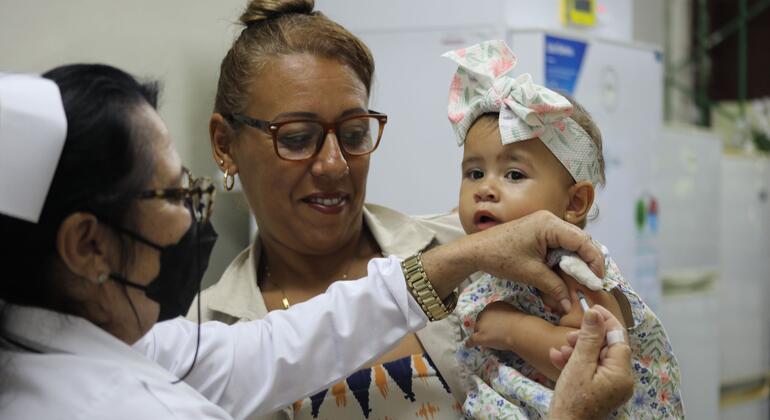
“Children are dying because doctors lack access to essential medical supplies and medicines. This is unacceptable.”
Rapid deterioration
Conditions on the island have deteriorated sharply since Washington declared a national emergency in January, disrupting fuel shipments and sending Cuba’s oil reserves into freefall. By mid-May, daily blackouts were regularly exceeding 20 hours.
Additional sanctions imposed in May – some with extraterritorial reach, targeting traders, insurers, shipping companies and financial institutions – have compounded the crisis, undermining access to water, food and basic healthcare.
The human rights office, OHCHR, cited alarming figures: infant mortality has doubled to 9.9 per 1,000 births; childhood cancer survival rates have fallen from 85 to 65 per cent; and essential medicines are available at only around 30 per cent of normal supply levels.
Fuel shortages have hit food production, with output reportedly down 60 per cent and basic food costs rising sharply.
‘Indiscriminate and harsh’
Mr. Türk was unsparing in his legal assessment. “Such severe sanctions packages that target entire sectors of an economy and produce broad, indiscriminate and harsh effects on populations are incompatible with basic principles of international human rights law,” he said.
Humanitarian operations are also under strain. Risk-averse private companies are imposing restrictions beyond legal requirements, disrupting supply chains and delaying procurement.
The suspension of services by major shipping firms has already affected more than 2,900 metric tonnes of humanitarian food cargo.
“Cuba faces increasing isolation. Companies are leaving. Fewer airlines fly to the country. It is almost disconnected from international payment systems. Rising summer temperatures risk increasing the spread of vector-borne and waterborne diseases.
‘Respect civil liberties’
“The hurricane season further increases exposure. This creates a perfect storm for social and economic deterioration and suffering for the Cuban people,” Mr. Türk said.
He also called on businesses to avoid blanket disengagement, invoking the UN Guiding Principles on Business and Human Rights, and urged Cuban authorities to exercise restraint, respect civil liberties and release all arbitrarily detained persons.