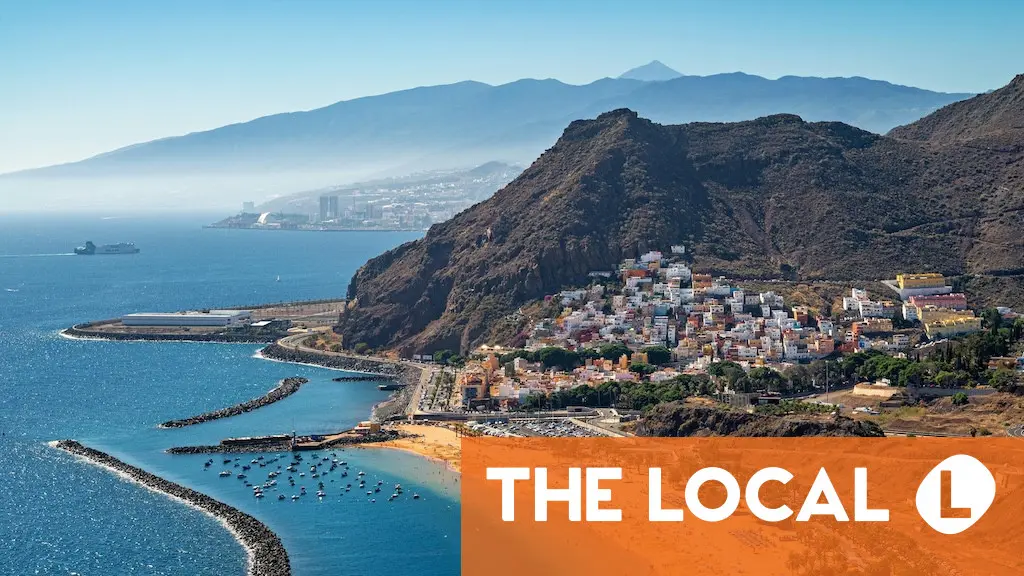
The terraced Lavaux vineyards on Lake Geneva stretch over 800 hectares and form Switzerland’s largest contiguous vineyard area.
Keystone-SDA
A study has hailed the richness of Lavaux’s biodiversity, while highlighting the extreme fragility of the ecosystem in Switzerland’s largest single vineyard.
+Get the most important news from Switzerland in your inbox
“We’re disappointed in a good way,” biologist Raymond Delarze, who conducted the study with a team from the BEB biological research consultancy in Aigle, canton Vaud, told the Keystone-ATS news agency.
The independent study, entitled “Lavaux Nature Vivante”, was commissioned by the Fondation d’utilité publique Bovard in Cully. The foundation was set up in 2016 with the aim of safeguarding and enhancing the Lavaux region, near Lake Geneva.
More

More
Measures set out to preserve Lavaux terraced vineyards
Observation work and surveys were carried out between 2021 and 2022, and completed in 2025. In all, 21 sectors covering around 15 hectares were surveyed. In each sector, a reference route of 1,000 to 1,100 metres was set. “Our work has covered half of the entire Lavaux area, giving us a representative sample,” says Delarze.
Emblematic species
The Lavaux vineyards, an UNESCO World Heritage Site, are home to numerous plant and animal species, some of which are protected nationally. The area is home to 648 species of flowering plants and ferns, fifteen breeding birds, five reptiles, 25 locusts and grasshoppers and 56 molluscs.
More

More
UNESCO status boosts wine trade in Lavaux
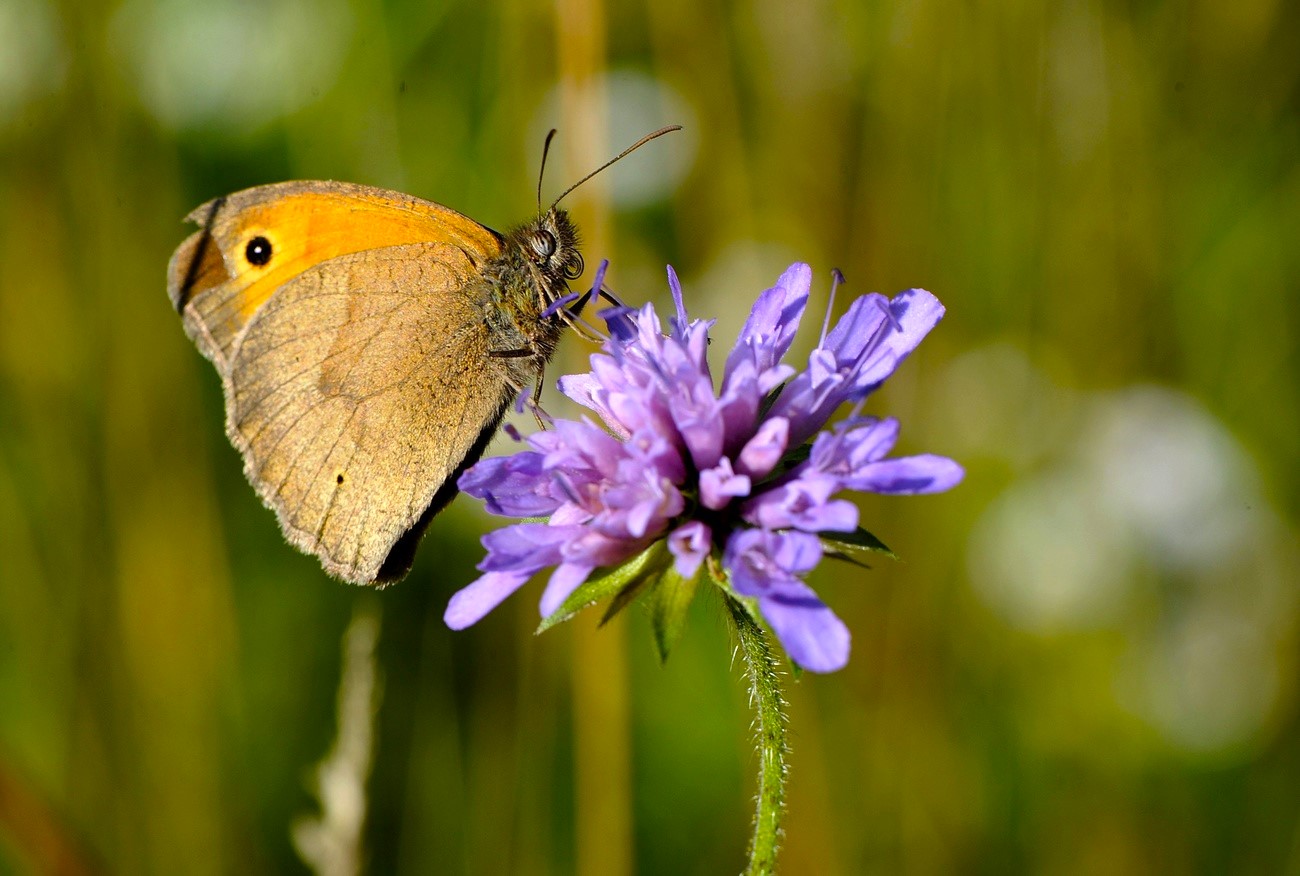
Emblematic species include the green lizard, the northern wryneck and the cirl bunting, the rustyback fern, the blue pimpernel, the wild snapdragon, the yellow bugle and the field marigold.
Plants benefit from perfect exposure, the beneficial influence of the lake and the sheltered microclimate.
Unsatisfactory in the long term
“On the one hand, the conclusions are positive and encouraging. Biodiversity is relatively rich within the Lavaux perimeter. It is not in decline. We haven’t discovered any species extinction, but some rarefaction,” said Delarze. “Biodiversity is concentrated outside the cultivated vineyards.”
“So while the situation is anything but dramatic, on the other hand it is not satisfactory. The downside is that the population of certain species is very low and therefore very fragile. This is not ideal for guaranteeing the reproduction cycle and survival in the very long term,” said the specialist.
While Lavaux’s biodiversity has not suffered massive losses in terms of flora and fauna in recent times, it is nonetheless vital that it is protected, in particular through “specific conservation measures” for flora and fauna.
“We are at an important moment in terms of making the right decisions for the future. The priority is to strengthen and consolidate biodiversity,” said Delarze.
More
More
Biodiversity loss in Switzerland in six graphs
Adapted from French by AI/sb
We select the most relevant news for an international audience and use automatic translation tools to translate them into English. A journalist then reviews the translation for clarity and accuracy before publication.
Providing you with automatically translated news gives us the time to write more in-depth articles. The news stories we select have been written and carefully fact-checked by an external editorial team from news agencies such as Bloomberg or Keystone.
If you have any questions about how we work, write to us at english@swissinfo.ch