
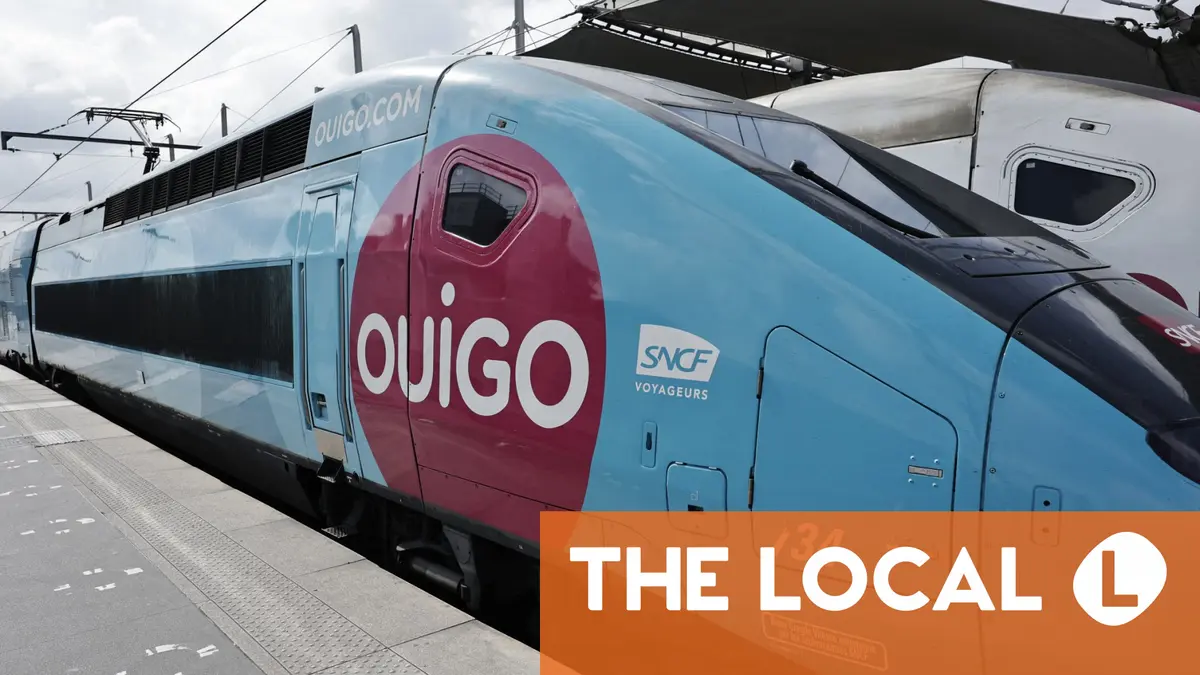
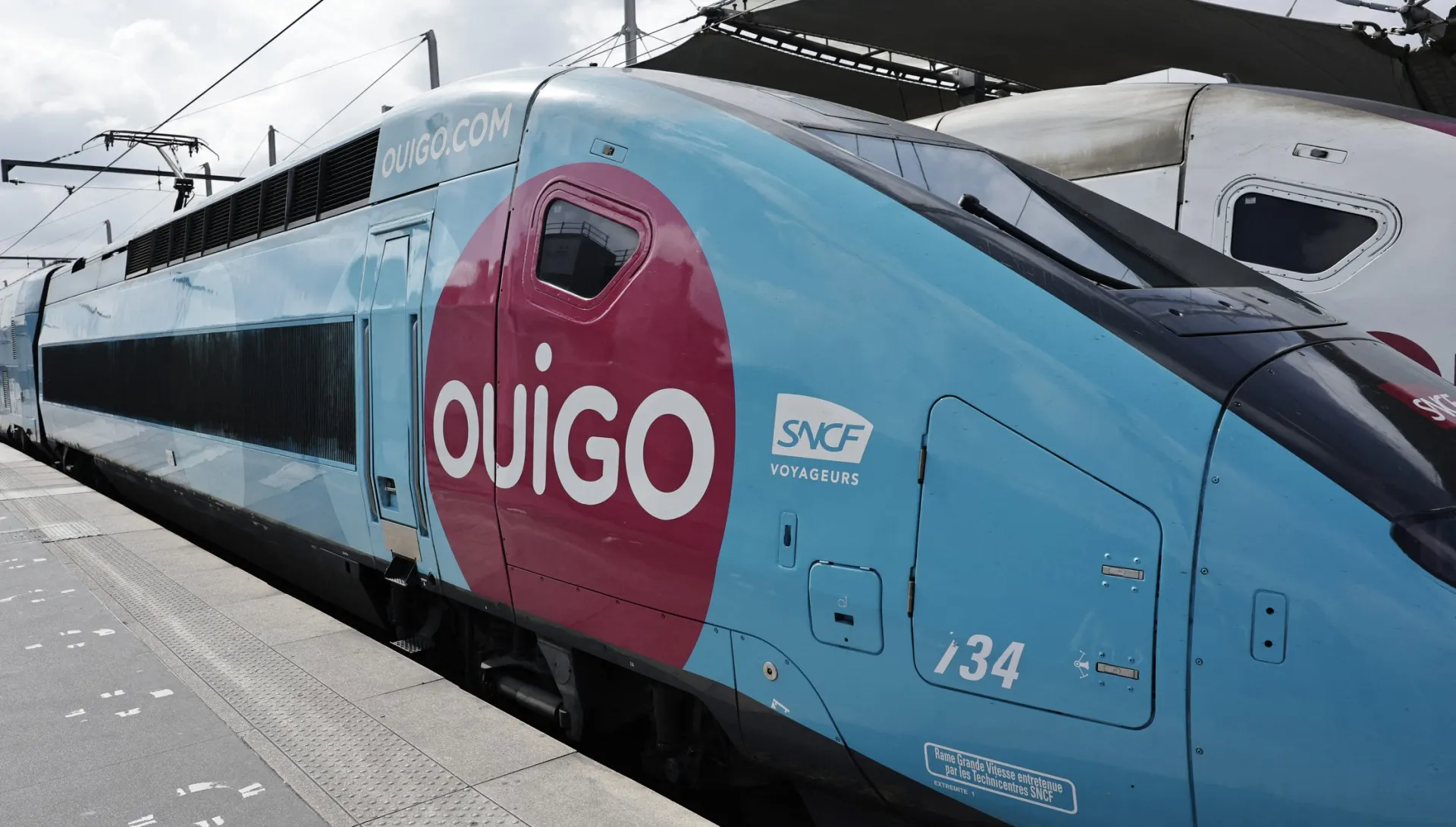
They’re set for a major expansion with a target of carrying an extra 8 million passengers a year – but what exactly are France’s Ouigo trains and how do they differ from the classic TGV?
Ouigo is a low-cost train brand launched by the French rail operator SNCF in 2013.
The idea was simple: offer cheaper train tickets by providing a more basic service than the classic TGV trains. The name is supposed to sound like the English ‘we go’, because apparently giving things English names is cool.
Today, Ouigo includes two main types of services, Ouigo Grande Vitesse (high-speed trains) and Ouigo Train Classique (slower, conventional trains).
READ ALSO: France to expand low-cost Ouigo train services
Prices
The big selling point for Ouigo is the price.
Ouigo tickets are designed to be significantly cheaper than standard TGV INOUI fares, sometimes starting from around €10-€16 depending on the route. For the high-speed trains and for adults, the starting price is at €19.
And for the Ouigo Train Classique, the prices can vary between €10 to €59. And many tickets stay under €25 when booked early. To give you a better idea, without discounts or travel cards, TGV INOUI is usually two to four times more expensive than Ouigo.
You mentioned a more basic service?
The space in a Ouigo train is more limited – there is no buffet car and there is a limit to how much luggage you can take on board. You also have less flexibility on tickets.
TGV Inoui trains carry 550 passengers, while a Ouigo is fully loaded with 1,288 passengers.
But ‘basic’ is a relative concept, anyone who has travelled with a budget airline, for example, will probably find Ouigo trains quite luxurious.
Speaking of budget airlines, Ouigo also copies their model in that if you do want ‘extras’ like wifi, large bags or a plug point you can have them – for an extra charge.
Optional costs
For more comfort, you can get Ouigo Plus, which is an optional bundle you can add to a standard Ouigo ticket for €9 per passenger.
Instead of paying for extras individually, it packages them together. You typically get to choose your seat, extra or bigger luggage is included, you get wifi access and more comfortable XL seats (when available), and sometimes priority boarding passes at certain train stations.
If you don’t take Ouigo Plus, you can pick seats individually, and prices depend on the type of seat. For example a single seat (like first-class style) for more space is an additional €7.
For guaranteed two seats next to each other, you can pay €3 (usually, if you’re travelling with someone else and one person gets the tickets, you will most likely sit next to each other, so you don’t need to pay the extra), it’s also €3 if you want a seat with an electrical socket.
If you’re travelling with a pet, it will cost you €10 per animal. Meanwhile, a bike will cost €5 if it’s been taken apart and transported in a designated carrier and €10 if it’s not.
Booking Ouigo tickets
Tickets can be booked through the official SNCF Connect website and app – if you’re searching by route eg Paris to Bordeaux, you will usually be given both the INOUI and the Ouigo options – with a noticeable difference in price.
If you are travelling to Paris, make sure that the destination isn’t Massy, which is actually 30km outside the city boundaries (see – just like budget airlines).
You can also book on the Ouigo website and selected third-party travel platforms like Trainline.
Bookings typically open between 45 days and three months before departure, depending on the route, and passengers receive a digital ticket with a QR code.
Can you cancel or get a refund?
There is usually no refund for standard Ouigo tickets. But there are some options if you can’t make your trip.
You can change your ticket, modify your journey (date, time, route) for a fee, typically up to €19 per passenger, plus any fare difference.
But if you subscribe to Ouigoflex for €9, you can exchange tickets as many times as you want without the fees; you only pay any price difference for a new journey.
You can also resell your ticket using Ouigoswap, which is a system where you can put your ticket back on sale. If another passenger buys it, you receive a Ouigo voucher equal to the ticket’s price, which is valid for 12 months.
If SNCF cancels your Ouigo train, you benefit from a free exchange – but only to another Ouigo train, even if there is an INOUI train on the same route that departs earlier.
You can also get a full refund, typically issued as a voucher, which can be later transferred to your bank account if you want.
Future of Ouigo
Ouigo trains are also getting a makeover. The rail company is set to renew all of the low-cost trains and increase the number of services.
READ ALSO: French rail operator unveils new routes for budget Ouigo trains
The thirty-eight trains currently in service will be refurbished by 2029, while twelve new trains, previously operated under the InOui brand, will be added.
The trains will now offer greater capacity, feature space to stretch your legs and equip power sockets or USB ports for every passenger. They will also have designated areas to hang bikes.
With seats designed to take up 25 percent less space, the new trains will be able to carry more passengers.
“We’ll be increasing capacity from 644 to 653 seats, which is nine more seats per train,” said Alain Krakovitch, Director of TGV-Intercités at SNCF Voyageurs to French media Le Parisien.
“In total, as we’ll be increasing the number of Ouigo trains from 38 to 50 by 2027, we’ll be able to carry 8 million more passengers a year.”
These new trains will enable more Ouigo journeys, particularly from Paris to Rennes, Lyon and Montpellier.
In December, a new route will also serve Hendaye on the Spanish border. In total, by 2027, the number of stations served will increase from around 60 to approximately 75.
