French people are scaling back their summer holiday plans, spending less and staying closer to home as international tensions, rising energy costs and inflation weigh on travel decisions, a survey published on Tuesday found.
Issued on:
3 min Reading time
“Summer 2026 confirms a clear slowdown in departures,” Alliance France Tourisme, a tourism-industry think tank whose members include hotel, airline and ski resort companies, said in a press release.
The group commissioned the survey by Ifop which showed French people “are increasingly focused on proximity, simplicity and refocusing” amid rising uncertainty.
Among the 1,002 people surveyed, “68 percent of French people plan to go away for at least a week, a decrease of nine points compared to 2025” and “only 37 percent say they are certain to go away, compared to 50 percent last year”, the study said.
Cautious behaviour
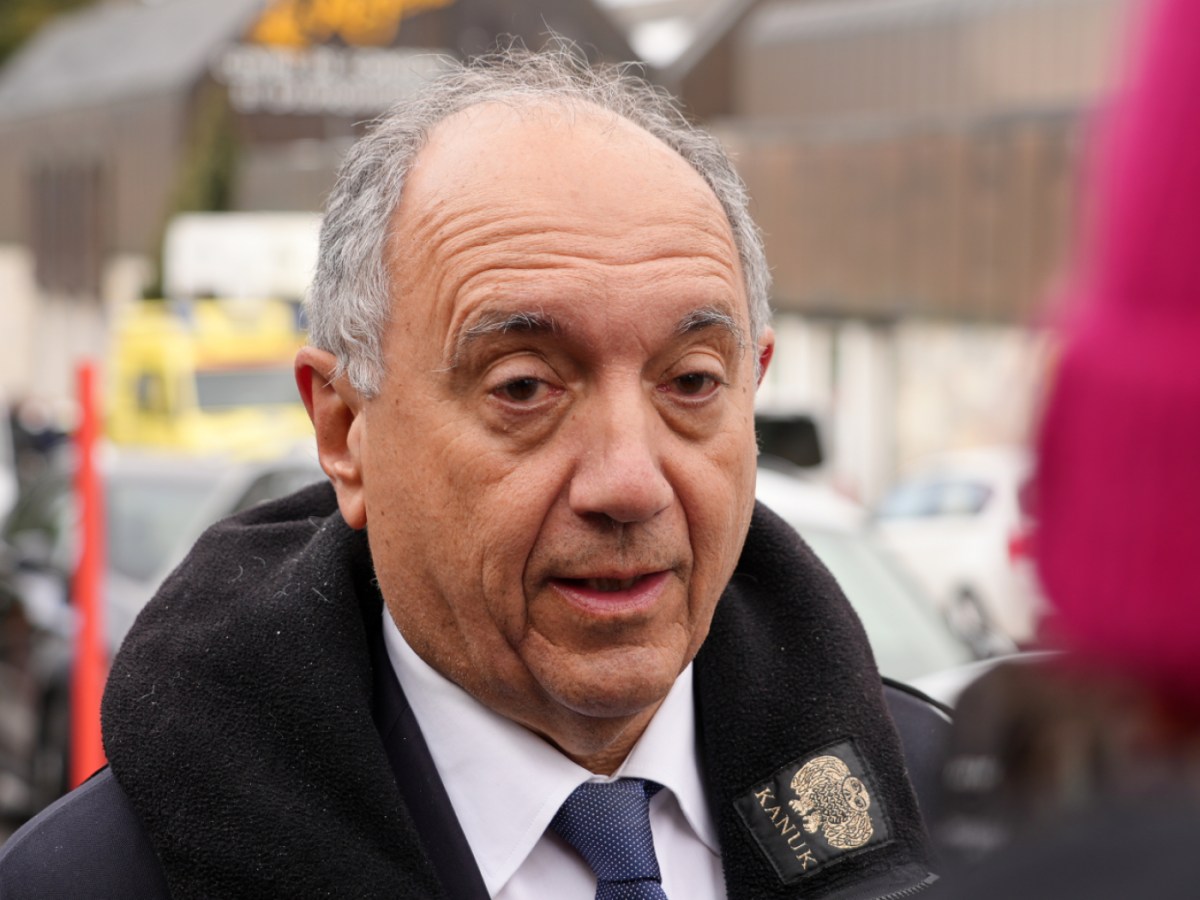
“There is no collapse in the departure intentions of the French, who remain very attached to holidays, but that the first effects of the current situation are beginning to be felt,” Alliance France Tourisme president Dominique Marcel said, adding this was due to the combined effect of security concerns and budget constraints.
International tensions are fuelling uncertainty and “influence destination choices and reinforce cautious behaviour,” the group said.
The travel sector has been under strain since the outbreak of the Middle East conflict, which began with US-Israeli strikes on Tehran on 28 February.
Iran retaliated by attacking targets in Israel and Gulf nations, provoking evacuations of tourists and workers from the region and flight cancellations.
While a ceasefire has halted the fighting, talks to permanently end the war have proven inconclusive.
Against that backdrop, 71 percent said they would prefer France as a holiday destination, up 3 points compared to 2025, compared with 23 percent for Europe and only 9 percent for long-haul destinations.
Inflation in France jumps as Iran war hits growth and spending
Budget pressures
Budget constraints are set to increase significantly in 2026, with the average budget settling at €1,530, a drop of about €150 in one year.
A financial gap also remains, with “84 percent of higher-income groups planning to travel, compared to only 58 percent of lower-income groups”.
More than half of those surveyed said they planned to reduce their holiday budget, mainly by adjusting the length or frequency of trips (61 percent), cutting spending on-site (60 percent) and seeking less expensive options (47 percent).
Some 86 percent said they would use savings to finance their holidays.
These trade-offs are also reflected in accommodation, with free lodging expected to rise from 22 percent to 32 percent year-on-year for short stays and from 20 percent to 31 percent for long stays.
The maritime passages with a chokehold on the global economy
Rising fuel costs
Rising transport costs caused by higher fuel prices are also shaping holiday choices, Alliance France Tourisme said.
Several low-cost airlines including Ryanair, Transavia and Volotea have recently announced flight cancellations because of rising costs.
The closure of the Strait of Hormuz has taken a major share of oil supplies off the market, sending jet fuel prices soaring and triggering fears of shortages that could force airlines to cancel flights, particularly low-cost carriers.
Air France-KLM has cut 2 percent of flights in May and June at its low-cost Transavia subsidiary.
Ryanair did not cite fuel prices, but said high costs and taxes were behind its decision last week to reduce flights to and from Berlin from October.
It is also cutting 10 percent of flights from Dublin, criticising limited airport capacity.
Since the beginning of the month, Spain’s Volotea has cut nearly 1 percent of flights from its summer schedule.
(with AFP)